
Journeying Through Waterways: A Documentary Guide to River Systems
The intricate dance of water shaping the land, the vital arteries of our planet – river systems are fundamental to life as we know it. From the colossal forces that carve canyons to the delicate ecosystems that thrive along their banks, rivers offer a constant source of wonder and scientific inquiry. For those seeking to delve deeper into the physical geography of these majestic waterways, the realm of documentary filmmaking provides an unparalleled window into their creation, evolution, and profound impact on the Earth. These visual narratives not only showcase breathtaking landscapes but also unravel the complex geological processes, hydrological cycles, and ecological interdependencies that define our planet’s rivers. This article explores some of the top physical geography documentaries that illuminate the fascinating world of river systems, offering viewers a comprehensive and engaging journey through their diverse forms and functions.
For those interested in exploring the intricate dynamics of river systems, a fascinating article can be found at My Geo Quest. This resource delves into the physical geography of rivers, examining their formation, flow patterns, and the ecosystems they support. By understanding these natural waterways, viewers can gain insights into the broader environmental impacts and the importance of preserving these vital resources.
The Grand Designs: Documentaries on Major Rivers and Their Formations

The sheer scale and historical significance of the world’s great rivers make them compelling subjects for documentary filmmakers. These productions often focus on the monumental forces of nature that have shaped these waterways over millennia, tracing their origins and exploring their impact on human civilization. They delve into the geological timescales involved, explaining the processes of erosion, deposition, and tectonic activity that have sculpted river valleys, deltas, and even entire continents.
The Nile: A Lifeline Through Time
Few rivers hold as much historical and geographical significance as the Nile. Documentaries about this iconic waterway often begin at its source, exploring the complexities of its headwaters in the Great Lakes region of Africa. They detail the intricate interplay of rainfall, topography, and geological formations that dictate its flow. Viewers are taken on a journey downstream, witnessing the transition from the lush greenery of the upper reaches to the arid desert that defines much of Egypt. The documentaries frequently highlight the role of the annual floods in depositing fertile silt, a phenomenon that sustained ancient Egyptian civilization for millennia.
Unraveling the Source: The Ethiopian Highlands and Beyond
Many productions emphasize the challenging yet crucial task of tracing the Nile’s origins. This often involves expeditions into the Ethiopian Highlands, where the Blue Nile, one of the river’s primary tributaries, originates. Here, filmmakers showcase the dramatic landscapes of the Ethiopian plateau, including the breathtaking Blue Nile Falls, and explain how volcanic activity and ancient erosion have carved out its course. The documentaries might also touch upon the White Nile’s origins in the vast swamp systems of Central Africa, illustrating the different hydrological regimes that feed into the mighty river. This deep dive into the source areas provides a fundamental understanding of the river’s water budget and the factors influencing its discharge.
The Delta’s Embrace: A Fertile Frontier
The Nile Delta, a vast expanse of fertile land where the river meets the Mediterranean Sea, is another focal point. Documentaries explore the process of delta formation, explaining how sediment carried by the river is deposited over thousands of years, creating a rich agricultural landscape. They often showcase the unique ecosystems that flourish in this deltaic environment, from wetlands teeming with birdlife to the human settlements that have long relied on its bounty. The environmental challenges facing the delta today, such as rising sea levels and changes in sediment flow due to upstream dams, are also frequently addressed, highlighting the delicate balance between natural processes and human intervention.
The Amazon: The World’s Largest River System
The Amazon River, a behemoth of biodiversity and hydrological power, presents a different set of geographical narratives. Documentaries on the Amazon often focus on its immense scale, its unparalleled biodiversity, and the vital role it plays in regulating global climate. They explore the vastness of its drainage basin, which covers nearly 40% of South America, and the intricate network of tributaries that feed into its main channel. The sheer volume of water discharged by the Amazon into the Atlantic Ocean is a recurring theme, emphasizing its global significance.
Navigating the Rainforest: Biodiversity and Hydrology
These films immerse viewers in the dense rainforest ecosystem that surrounds the Amazon. They reveal the complex interactions between the river and its environment, showcasing the diverse flora and fauna that depend on its waters for survival. Hydrological processes such as seasonal flooding, sediment transport, and the formation of oxbow lakes are explained through stunning visuals and expert narration. The documentaries often highlight the interconnectedness of the entire Amazon basin, demonstrating how events in one part of the system can have far-reaching consequences.
The Human Element: Indigenous Cultures and Conservation
Beyond its natural grandeur, Amazon documentaries frequently explore the human dimension. They often feature the indigenous communities who have lived in harmony with the river for centuries, documenting their traditional practices and their deep understanding of the ecosystem. These films also address the critical conservation issues facing the Amazon, including deforestation, illegal mining, and the impact of infrastructure projects. The role of the river as a vital transportation route and a source of livelihood for millions is also explored, underscoring its multifaceted importance.
Sculptors of Landscapes: Documentaries on Rivers and Erosion

Rivers are powerful agents of erosion, constantly reshaping the Earth’s surface. Documentaries that focus on this aspect of physical geography reveal the slow but relentless power of water to carve canyons, create valleys, and transport vast quantities of sediment. These films often employ time-lapse photography, geological modeling, and stunning aerial footage to illustrate the processes of fluvial erosion.
Grand Canyon: A Monument Carved by Water
The Grand Canyon, a testament to the erosive power of the Colorado River, is a frequent subject for documentaries. These films meticulously detail how the river, over millions of years, has cut through layer after layer of rock, exposing a geological history spanning billions of years. They explain the concepts of downcutting and lateral erosion, illustrating how the river’s gradient and the hardness of the rock formations influence the canyon’s shape.
The Power of the Colorado: Shaping a Natural Wonder
Documentaries often trace the journey of the Colorado River from its headwaters in the Rocky Mountains to its eventual terminus in the Gulf of California. They showcase the dramatic changes in landscape the river encounters, from alpine environments to arid desert canyons. The geological stratigraphy of the Grand Canyon is a central theme, with filmmakers using animation and expert interviews to explain the formation of the different rock layers and the evidence of ancient environments preserved within them. The role of flash floods and debris flows in shaping the canyon’s intricate features is also often highlighted.
Geologic Time: Witnessing the Unfolding History
These productions offer a profound perspective on geological time. By visualizing the immense timescale involved in the Grand Canyon’s formation, they help viewers grasp the slow, cumulative impact of natural processes. The documentaries often feature geologists and paleontologists who interpret the rock layers, explaining the ancient seas, deserts, and mountain ranges that once existed in the region. This provides a unique opportunity to see Earth’s history laid bare by the sculpting hand of a river.
The Mississippi: A River of Sediment and Change
The Mississippi River, the second-longest in North America, is another prime example of a river as a geological sculptor, particularly in its role as a sediment transporter. Documentaries focusing on the Mississippi often highlight its immense delta, one of the largest in the world, and the dynamic processes that create and sustain it. They explore how the river’s vast drainage basin collects sediment from across a significant portion of the continent, which is then carried downstream and deposited.
The Delta’s Dynamic Nature: Building and Eroding Land
Films about the Mississippi Delta often emphasize its constantly changing nature. They illustrate how the river’s meanders, its flood cycles, and the natural processes of subsidence and sea-level rise contribute to the dynamic evolution of the deltaic landscape. The documentaries might explain how sediment deposition builds new land, while erosion, particularly during hurricanes and storm surges, can reclaim it. This dynamic interplay between creation and destruction is a central theme, showcasing the resilience and vulnerability of this vital ecosystem.
Engineering and Ecology: Managing a Mighty River
These documentaries also frequently delve into the human efforts to manage the Mississippi. They explore the history of levee construction, channelization, and dam building, showcasing the engineering feats undertaken to control the river’s flow and protect populated areas. However, they also often address the unintended consequences of these interventions, such as increased coastal erosion and habitat loss. The films then explore contemporary efforts to restore the delta’s natural processes, highlighting the complex relationship between human activity and the river’s natural behavior.
Lifeblood of Ecosystems: Documentaries on Riverine Habitats and Biodiversity
River systems are not merely geological features; they are vibrant ecosystems teeming with life. Documentaries in this category focus on the incredible biodiversity found within and along rivers, exploring the unique adaptations of aquatic organisms and the intricate web of life that depends on these waterways. They highlight the ecological importance of rivers for everything from microscopic plankton to large mammals.
The Salmon’s Epic Journey: Migration and Reproduction
The life cycle of the salmon, a creature renowned for its incredible migratory journeys, is a compelling subject for documentaries. These films often follow salmon from their freshwater spawning grounds in pristine rivers, through their oceanic migrations, and back again to reproduce. They showcase the immense challenges and dangers these fish face, including predators, dams, and pollution.
From Stream to Sea: The Challenges of a Migratory Life
Documentaries on salmon migration often begin in the clear, cold waters of their natal streams. They detail the hatching process, the growth of young salmon, and their transition to the ocean. The physiological and behavioral changes that enable them to survive in both freshwater and saltwater environments are explained. The films often use underwater cinematography to capture the awe-inspiring sight of thousands of salmon navigating rapids and overcoming obstacles.
The Return: Instinct and Survival
The return journey of the adult salmon is often the climax of these documentaries. They illustrate the incredible navigational instincts that guide the fish back to their birthplace, often over thousands of miles. The documentaries highlight the crucial role of salmon in their ecosystems, acting as a vital food source for bears, eagles, and other predators, and their carcasses enriching the terrestrial environment with nutrients. The conservation efforts aimed at protecting salmon populations and their habitats are also frequently a central theme, underscoring the fragility of these iconic migrations.
Wetland Wonders: Documentaries on River Deltas and Floodplains
River deltas and floodplains, formed by the deposition of sediment from rivers, are some of the most productive and biodiverse ecosystems on Earth. Documentaries focusing on these areas reveal the unique adaptations of plant and animal life to fluctuating water levels and the nutrient-rich soils. They showcase the critical role these environments play in supporting a vast array of species.
The Everglades: A River of Grass
The Everglades, often described as a “river of grass,” is a prime example of a vast floodplain ecosystem. Documentaries on this region highlight its unique hydrological system, where water flows slowly southward across a vast expanse of sawgrass. They showcase the incredible biodiversity of the Everglades, from alligators and wading birds to a myriad of fish and invertebrate species. The films often explain how the water’s flow, the water chemistry, and the unique vegetation create a habitat found nowhere else on Earth.
Coastal Zones: Nurseries of the Sea
Documentaries also explore the ecological significance of river deltas as nurseries for marine life. They demonstrate how the nutrient-rich waters, carrying sediments and organic matter from the river, create ideal conditions for the reproduction and early development of countless fish and shellfish species. The interconnectedness of freshwater and saltwater environments in these transitional zones is a key focus, illustrating how the health of river systems directly impacts the health of coastal and marine ecosystems. The films often highlight the importance of these areas for global fisheries and the livelihoods of coastal communities.
For those interested in exploring the intricate dynamics of river systems, a fascinating article can be found on the My Geo Quest website. This resource delves into the various physical geography aspects that shape our planet’s waterways, offering insights into their formation, flow patterns, and ecological significance. You can read more about these captivating topics in the article available at My Geo Quest, which complements the visual storytelling found in physical geography documentaries.
The Human Footprint: Documentaries on Rivers and Civilization
| Documentary Title | River System Featured | Duration (minutes) | Year Released | Key Topics Covered | Production Country |
|---|---|---|---|---|---|
| Rivers of Life | Amazon River | 60 | 2018 | Hydrology, Biodiversity, Indigenous Communities | UK |
| Flowing Giants | Mississippi River | 45 | 2020 | River Formation, Floodplains, Human Impact | USA |
| Source to Sea | Nile River | 50 | 2019 | River Origins, Ancient Civilizations, Water Management | Egypt |
| Life Along the Yangtze | Yangtze River | 55 | 2021 | Ecology, Dams, Cultural Significance | China |
| Rivers: The Earth’s Veins | Multiple Global Rivers | 70 | 2017 | River Systems, Climate Change, Conservation | International |
Rivers have been the cradle of human civilization for millennia, providing water for drinking and agriculture, serving as transportation routes, and shaping the development of societies. Documentaries in this category explore the profound and often complex relationship between humans and rivers, examining how we have harnessed, altered, and been shaped by these vital waterways.
Mesopotamia: The Fertile Crescent and its Rivers
The documentary exploration of ancient Mesopotamia, the “land between the rivers” (Tigris and Euphrates), offers a compelling case study of how river systems enabled the rise of early civilizations. These films often depict how the inhabitants of this region learned to manage the unpredictable floods of the Tigris and Euphrates, developing irrigation systems that transformed arid lands into fertile agricultural areas.
Irrigation and Agriculture: Sustaining Early Cities
These productions delve into the ingenuity of early Mesopotamian peoples, showcasing their development of canals, dikes, and reservoirs. They explain how these water management techniques allowed for surplus food production, which in turn supported the growth of cities, specialized labor, and complex social structures. The documentaries often use archaeological evidence, CGI reconstructions, and expert analysis to bring these ancient riverine civilizations to life.
Challenges and Decline: The River’s Double-Edged Sword
However, these documentaries also often address the challenges associated with living in a riverine environment. The unpredictability of floods, the risk of salinization of the soil due to intensive irrigation, and the potential for the rivers to shift course could all pose significant threats. Films exploring the decline of certain Mesopotamian cities often point to environmental factors related to water management, illustrating how even vital resources can become sources of vulnerability.
Modern River Management: Dams, Diversions, and Their Consequences
In the modern era, human intervention in river systems has reached unprecedented scales. Documentaries on contemporary river management often focus on the construction of large dams, the diversion of water for irrigation and urban use, and the resulting ecological and social impacts. These films provide a critical look at our attempts to control nature and the often unforeseen consequences of such actions.
The Impact of Large Dams: Power and Disruption
Films about large dams, such as those on the Yangtze or Colorado Rivers, often explore their dual nature: providing hydroelectric power and water storage while simultaneously altering natural river flows, disrupting fish migration, and displacing communities. These documentaries typically feature stunning visuals of these massive engineering projects, alongside interviews with engineers, environmental scientists, and affected local populations. The films often present a nuanced picture, acknowledging the benefits while critically examining the costs.
Water Scarcity and Conflicts: The Future of Rivers
As global populations grow and climate change intensifies, the competition for freshwater resources is increasing. Documentaries in this realm explore the growing issue of water scarcity and the potential for conflicts over riverine resources, particularly in transboundary river basins. These films often highlight the need for international cooperation and sustainable water management practices to ensure the future health of our planet’s rivers and the communities that depend on them. They emphasize that understanding the physical geography of river systems is crucial for navigating these complex challenges.
The Future Flow: Documentaries on Climate Change and River Systems
The delicate balance of river systems is increasingly being tested by the realities of a changing climate. Documentaries that explore this critical intersection reveal the profound impacts of rising global temperatures on river flows, water availability, and the ecosystems they support. These films serve as urgent calls to action, highlighting the interconnectedness of climate, water, and human well-being.
Melting Glaciers: The Vanishing Water Towers
Many major rivers are fed by glaciers and snowpack, acting as natural reservoirs that release water gradually throughout the year. Documentaries focusing on melting glaciers illustrate the alarming rate at which these vital water sources are disappearing. They showcase the stark reality of retreating glaciers in regions like the Himalayas, the Andes, and the Alps, explaining how this loss will inevitably lead to reduced river flows in the future, impacting millions of people.
Observing the Retreat: Scientific Evidence and Visual Proof
These films often employ stunning aerial photography and time-lapse sequences to visually demonstrate the dramatic shrinkage of glaciers over recent decades. They feature glaciologists and hydrologists who present scientific data on ice melt rates and projections for future water availability. The documentaries aim to convey the tangible evidence of climate change through the observable transformation of these iconic icy landscapes and their influence on the rivers they feed.
Consequences for Downstream Communities: Water Scarcity and Adaptation
The consequences of glacier melt are dire for downstream communities, particularly in arid and semi-arid regions. Documentaries explore the potential for severe water scarcity, impacting agriculture, energy production, and domestic water supplies. They often highlight the vulnerability of populations that rely on glacial meltwater and the urgent need for adaptation strategies to cope with diminishing water resources. The films underscore the vital link between the cryosphere and the hydrological cycles that sustain life.
Extreme Weather and Riverine Disasters: Floods and Droughts
Climate change is also leading to an increase in the frequency and intensity of extreme weather events, with significant repercussions for river systems. Documentaries addressing this aspect showcase the devastating power of both intensified floods and prolonged droughts. They explore how altered precipitation patterns, warmer temperatures, and changes in atmospheric circulation contribute to these hydrological extremes.
The Fury of Floods: Resilient Landscapes and Vulnerable Populations
Films documenting extreme flooding events often feature dramatic footage of swollen rivers overflowing their banks, inundating towns and cities, and causing widespread destruction. They explore the geological and hydrological factors that exacerbate flood risk, such as saturated soils, rapid snowmelt, and the impact of deforestation on watershed stability. The documentaries also often highlight the resilience of communities in flood-prone areas and the challenges they face in rebuilding and adapting to increasing flood risks.
The Scourge of Drought: Drying Rivers and Ecosystem Stress
Conversely, documentaries on drought focus on the parched landscapes and shrinking riverbeds that result from extended periods of low rainfall. They illustrate the immense stress placed on riverine ecosystems during drought, impacting aquatic life and the vegetation that depends on the river. The films explore the societal and economic ramifications of drought, including agricultural losses, water rationing, and the increased risk of wildfires. They emphasize the critical need for water conservation and the development of drought-resilient infrastructure and practices. These films collectively serve as powerful reminders of the profound and often perilous ways climate change is reshaping our planet’s river systems.
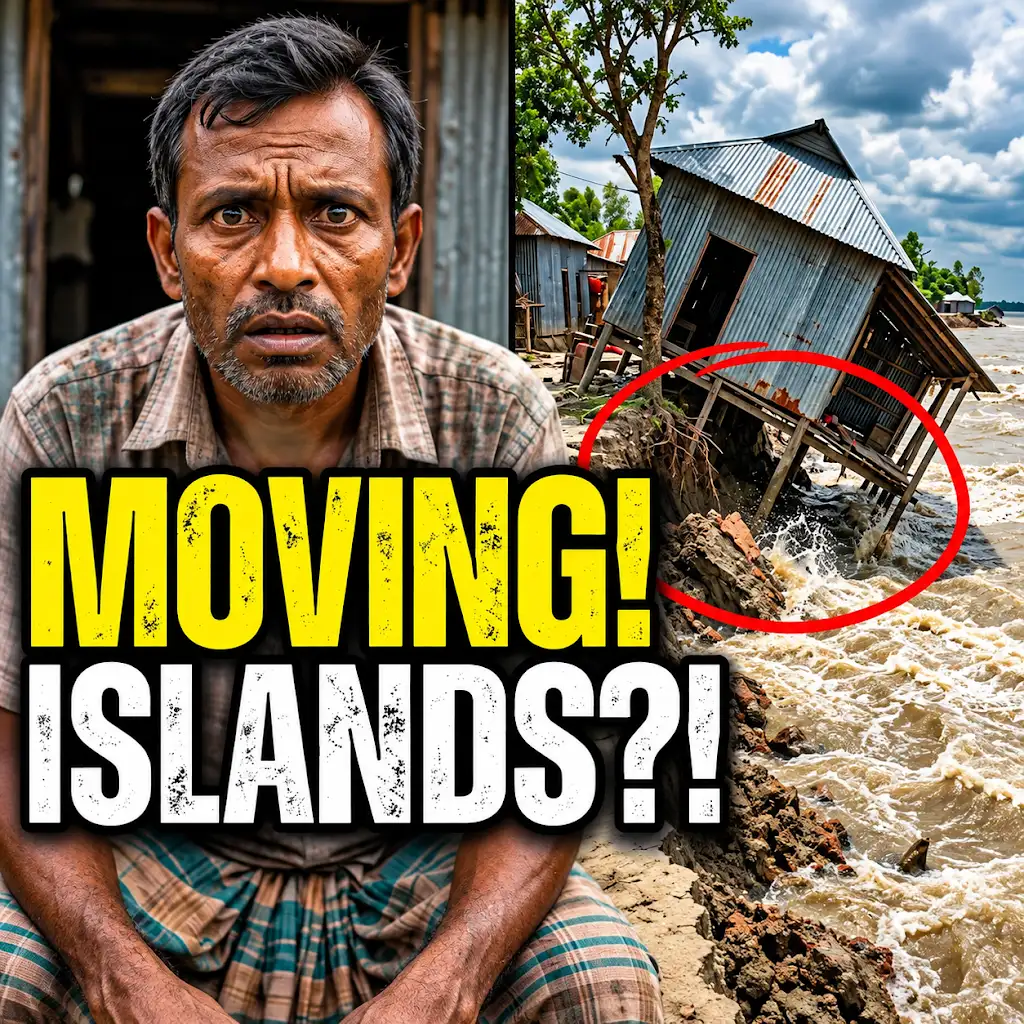
This River is Literally Erasing Islands
FAQs
1. What are some popular physical geography documentaries on river systems?
Some popular physical geography documentaries on river systems include “Planet Earth: Freshwater,” “Rivers of Life,” “Mighty Rivers,” “The Blue Planet: Seas of Life,” and “The Living Planet: The Rivers of Life.”
2. How do physical geography documentaries on river systems help viewers understand the importance of rivers?
These documentaries showcase the diverse ecosystems supported by rivers, the impact of human activities on river health, the role of rivers in shaping landscapes, and the significance of rivers in providing water resources for communities and wildlife.
3. Are there any physical geography documentaries that focus on specific river systems around the world?
Yes, there are documentaries that focus on specific river systems such as the Amazon River, the Nile River, the Mississippi River, the Ganges River, and the Yangtze River. These documentaries delve into the unique characteristics and challenges faced by each river system.
4. How do physical geography documentaries on river systems incorporate scientific research and fieldwork?
Many documentaries feature scientists and researchers conducting fieldwork along rivers, studying water quality, biodiversity, hydrology, and the impact of climate change. Viewers get insights into the scientific methods used to study river systems and the importance of ongoing research for conservation efforts.
5. Can physical geography documentaries on river systems inspire viewers to take action to protect rivers?
Yes, these documentaries often highlight the threats facing rivers such as pollution, deforestation, dam construction, and over-extraction of water. By showcasing the beauty and importance of rivers, they can inspire viewers to support conservation initiatives, advocate for sustainable water management practices, and participate in river restoration projects.