
The stark beauty of Yungay Viejo Cemetery, nestled in the shadow of the imposing Andes, offers a poignant glimpse into a community forever etched by both nature’s fury and the enduring spirit of its people. This resting place, far from being a somber void, pulses with the echoes of a vibrant past, a testament to lives lived and a tragedy that reshaped a region. To wander through its weathered stones is to embark on a journey through time, where history is not merely read in books but felt in the air, in the silent narratives whispered by the wind, and in the enduring respect for those who sleep beneath the Peruvian soil.
The Shadow of Huascarán: A Cataclysmic Event
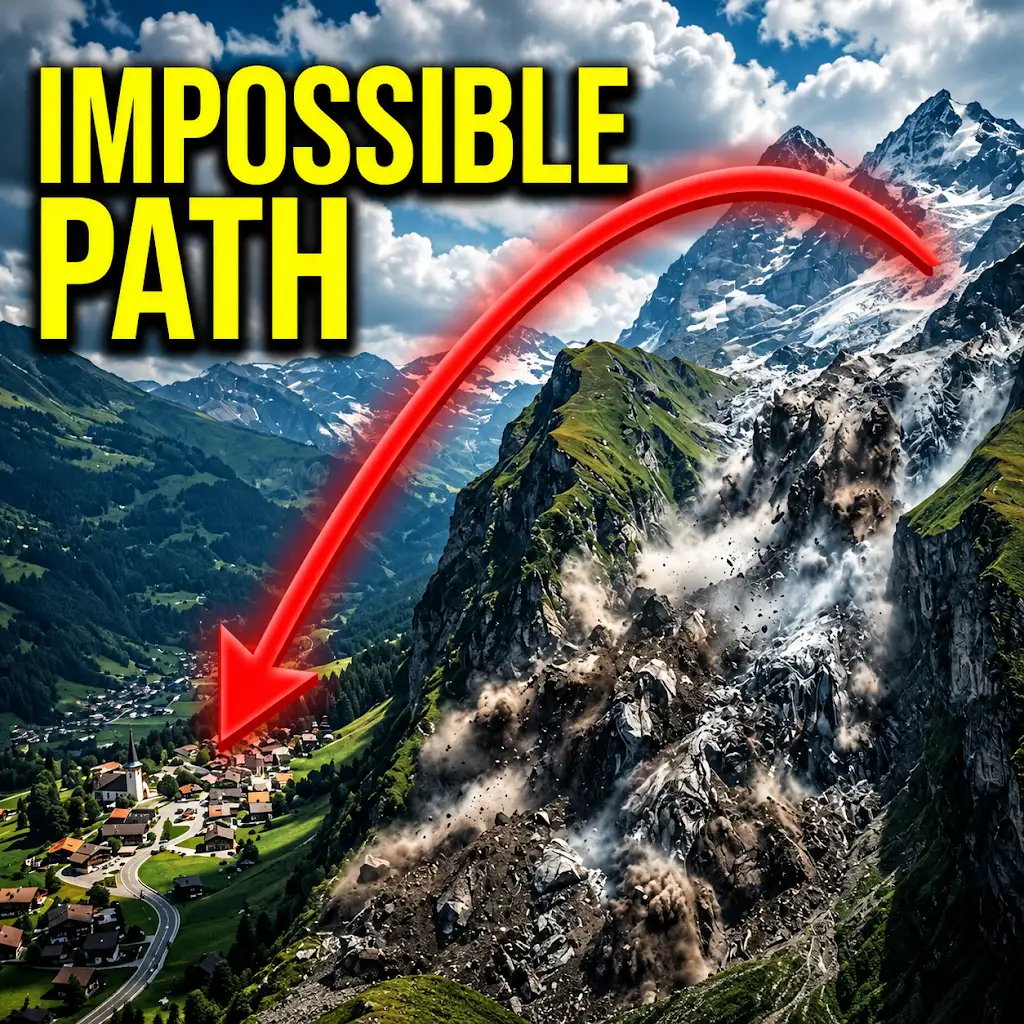
The story of Yungay Viejo Cemetery is inextricably linked to the devastating earthquake and subsequent avalanche of May 31, 1970. This catastrophic event, one of the deadliest natural disasters of the 20th century, unleashed the fury of Mount Huascarán, a colossal peak that looms over the Callejón de Huaylas valley. The earthquake itself, a violent tremor measuring 7.9 on the Richter scale, triggered a massive landslide from Huascarán’s snow-laden summit. A colossal chunk of ice and rock, estimated to be hundreds of millions of cubic meters, hurtled down the mountainside at astonishing speed, engulfing everything in its path. The town of Yungay, a bustling agricultural and cultural center, was directly in the line of destruction. The debris, moving at speeds exceeding 100 miles per hour, buried the town and its inhabitants under a thick blanket of mud, ice, and rock. The sheer force and volume of the avalanche were overwhelming, leaving little chance of survival for those caught in its embrace. The once-thriving town was obliterated, transformed into a desolate landscape of devastation. The scale of the disaster was immense, with estimates of over 20,000 lives lost in Yungay alone. The impact rippled throughout the region, but Yungay bore the brunt of Huascarán’s wrath. This cataclysmic event serves as the somber backdrop against which the significance of Yungay Viejo Cemetery must be understood. It is a place that stands as a memorial not only to the individuals buried within its confines but also to the collective memory of a community irrevocably changed by this singular, earth-shattering moment.
The Tremors That Shook a Nation
The seismic activity that preceded the avalanche was the initial harbinger of disaster. The earthquake, originating deep within the earth, sent shockwaves through the valley. Its epicenter was relatively close to the Cordillera Blanca, the mountain range that cradles the Callejón de Huaylas. The initial tremors were violent and prolonged, causing widespread damage to buildings and infrastructure throughout the region. However, the true horror began when the mountain itself responded. The earthquake’s intensity was sufficient to destabilize the precarious slopes of Huascarán, dislodging vast quantities of snow, ice, and rock. This geological instability, exacerbated by the intense shaking, set the stage for the apocalyptic avalanche that would follow. The experience of the earthquake would have been terrifying enough for the residents of Yungay, but it was merely the prelude to an even more devastating force of nature. The memory of those initial violent movements of the earth would have been seared into the minds of survivors, a prelude to the overwhelming power that would soon descend upon them.
The Avalanche’s Unstoppable Force
The avalanche that swept down from Huascarán was unlike any disaster that had occurred in recorded history. It was a primal force of nature, a monumental surge of ice, rock, and debris that moved with terrifying speed and inexorably obliterated the town of Yungay. The sheer volume of material involved was staggering, creating a wave of destruction that was virtually impossible to escape. As the avalanche descended, it picked up speed and momentum, transforming into a superheated slurry as it mixed with the earth and vegetation. The impact on the town was absolute. Buildings were flattened, streets were obliterated, and the landscape was completely reshaped. The human cost was unfathomable. Families were separated, homes were buried, and the vibrant life of Yungay was extinguished in a matter of minutes. The avalanche was not a localized event; it was a force of nature that demonstrated the raw power of the mountains and the vulnerability of human settlements in their path. The memory of this unstoppable force remains a profound and lasting scar on the collective consciousness of Peru and serves as a stark reminder of the impermanence of human endeavors in the face of geological might.
The Yungay Viejo cemetery, a poignant reminder of the tragic earthquake that struck in 1970, serves as a significant historical site in Peru. For those interested in exploring more about the cultural and historical context surrounding this cemetery, you can read a related article that delves into the impact of natural disasters on communities and their memorials. To learn more, visit this article.
Yungay Viejo Cemetery: A Sanctuary Amidst the Ruins
Following the catastrophic events of 1970, the original town of Yungay was completely destroyed, rendering its former cemetery, the “new” Yungay Cemetery, inaccessible and irrevocably buried. However, a pre-existing burial ground, known as Yungay Viejo Cemetery, located on higher ground and thus spared the direct impact of the avalanche, emerged as a sanctuary. This older cemetery, already a place of remembrance for previous generations, suddenly became the focal point for the community’s grieving process and a place where the lost could be honored. Unlike the lost town, Yungay Viejo retained its physical presence, offering a tangible space for survivors to connect with their departed loved ones and to begin the arduous task of rebuilding their lives and their collective memory. It became a silent witness to the tragedy, standing as a solemn monument amidst the surrounding devastation. The surviving residents, many of whom had lost everything, found solace and a sense of continuity in this enduring place of rest. The weathered crosses and weathered stones, once marking the passage of time for earlier generations, now bore the weight of a fresh and immense sorrow. The cemetery, therefore, represents not just a burial ground but a repository of collective memory, a physical manifestation of resilience, and a vital cornerstone in the slow and painful process of healing for the Yungay community.
The Accidental Preservation of Memory
The geographic positioning of Yungay Viejo Cemetery played a critical role in its survival. Situated on elevated ground, it was above the path of the destructive avalanche that decimated the lower-lying town. This fortunate circumstance meant that the cemetery, with its rows of tombs and mausoleums, remained largely intact, a stark contrast to the obliterated remnants of the town below. While the surrounding landscape was reshaped by mud and debris, the cemetery’s structures, built with greater resilience or simply by virtue of their location, were spared the direct onslaught. This accidental preservation was a profound stroke of luck for the grieving community. It provided a physical anchor, a recognizable landmark that had survived the unimaginable destruction. For survivors, it offered a place of continuity, a tangible link to the past and to those who were lost. In the midst of utter devastation, the untouched sanctity of the cemetery offered a sliver of hope and a crucial space for mourning and remembrance, a testament to the idea that even in the face of overwhelming destruction, some elements of life and memory can endure.
A Silent Witness to Resilience
Yungay Viejo Cemetery stands as a powerful symbol of resilience for the community. While the town itself was wiped from the map, the cemetery remained, a testament to the enduring spirit of its people. Survivors, returning to the desolate landscape, found solace and a sense of continuity in the familiar rows of graves. It became a place where they could mourn their losses, honor their ancestors, and begin the process of rebuilding their lives. The cemetery, in its quiet endurance, offered a silent promise that life, though irrevocably altered, would continue. The weathered stones and the simple crosses, still standing against the backdrop of devastation, became icons of strength and perseverance. They represented a commitment to remember, to rebuild, and to ensure that the legacy of Yungay would not be erased by the tragedy. The cemetery, therefore, is not just a place of burial; it is a living monument to the indomitable will of a community to overcome adversity and to find hope even in the darkest of times.
Navigating the Rows of Remembrance: What the Cemetery Reveals
Exploring Yungay Viejo Cemetery is a profoundly moving experience, offering a unique window into the lives and legacies of the people who once inhabited the now-vanished town. The tombstones, etched with names, dates, and sometimes even touching epitaphs, tell stories of ordinary lives lived in extraordinary circumstances. One can observe the prevailing social strata through the grandeur or simplicity of the mausoleums and gravestones. The presence of elaborate family crypts speaks to periods of prosperity and established lineage, while simpler markers represent the more common folk. The sheer number of graves, many bearing dates clustered around the mid-20th century, serves as a stark visual reminder of the town’s vitality before the disaster. Beyond the inscriptions, the cemetery also reveals the deep-seated cultural and religious beliefs of the community. The placement of crosses, the traditional symbols of Catholic faith, are ubiquitous, reflecting the pervasive religious influence in Peruvian culture. Furthermore, the very act of maintaining these graves, even for those who lost family in the 1970 disaster, underscores a profound respect for the deceased and a desire to honor their memory. It is in these quiet, weathered stones that the true essence of Yungay Viejo lies, a tangible connection to a past that continues to resonate.
The Language of Stone: Epitaphs and Icons
The inscriptions on the tombstones of Yungay Viejo Cemetery are more than just names and dates; they are fragments of lives, whispers from the past that speak volumes. Many epitaphs are simple yet poignant, conveying love, loss, and hope. Phrases like “Descansa en Paz” (Rest in Peace), “Siempre en Nuestros Corazones” (Always in Our Hearts), and “Que su alma descanse” (May his/her soul rest) are common, reflecting the enduring themes of love and remembrance. Some stones bear biblical verses, offering solace and spiritual comfort to the bereaved. Others might include professions or brief descriptions of the deceased’s life, such as “Maestro” (Teacher) or “Campesino” (Farmer), providing a glimpse into the occupations that sustained the community. The iconography present on the stones also offers insight. The ubiquitous cross is a clear indicator of the region’s strong Catholic heritage. Other symbols might include angels, doves, or floral motifs, each carrying its own symbolic meaning of peace, hope, or eternal life. The wear and tear on some of these inscriptions, weathered by time and the elements, only adds to their solemn beauty, transforming them into historical artifacts that bridge the gap between the present and the past.
Echoes of Social Structures and Daily Life
The varied designs and materials of the gravestones and mausoleums within Yungay Viejo Cemetery offer a fascinating, albeit silent, narrative of the town’s social hierarchy and the daily lives of its inhabitants. The more elaborate structures, often constructed from stone or ornate marble, with intricate carvings and larger dimensions, likely belonged to wealthier families or prominent figures within the community. These grander tombs speak of established lineage, economic prosperity, and a desire to leave a lasting legacy. In contrast, simpler markers, often made of concrete or rough-hewn stone, represent the majority of the population – the farmers, artisans, and laborers who formed the backbone of Yungay’s economy. These humble graves, though less ostentatious, are no less significant, reflecting the collective identity of a working community. The presence of small, personal items that may have been left by loved ones – faded flowers, small trinkets, or even photographs partially obscured by time – provide intimate glimpses into the personal relationships and the enduring love that transcended death. These small touches reveal a community that valued personal connections and sought to maintain those bonds even after loss.
The Perpetual Care: A Living Tribute to the Past
Despite the devastation of 1970 and the subsequent challenges faced by the community, Yungay Viejo Cemetery is not a forgotten relic but a living tribute. The ongoing care and maintenance of the graves, often undertaken by descendants or by community members driven by a profound sense of duty and respect, demonstrate a commitment to preserving the memory of those who rest there. This dedication is evident in the tidied paths, the cleared weeds, and the occasional fresh flowers adorning the tombstones. It is a testament to the deep-seated cultural value placed on ancestry and remembrance in Peruvian society. The cemetery serves as a constant reminder of the town’s past, its people, and the devastating event that shaped its destiny. For many survivors and their descendants, visiting Yungay Viejo is a pilgrimage, a way to reconnect with their roots, honor their ancestors, and ensure that the stories of Yungay are not lost to time. This perpetual care transforms the cemetery from a static memorial into a dynamic space of remembrance, actively kept alive by the living generations who understand its profound significance.
Descendants’ Devotion: Keeping Memories Alive
The enduring care of Yungay Viejo Cemetery is largely driven by the devotion of the descendants of those interred there. Even though many families were scattered by the disaster, the ancestral ties remain strong. Those who have the means and opportunity make the journey to Yungay to tend to the graves of their parents, grandparents, and even great-grandparents. This is not simply a chore but a deeply spiritual and emotional act. It is a way to maintain a connection to their heritage, to honor the sacrifices of those who came before, and to ensure that their memory is not forgotten. These acts of devotion are often quiet and personal, undertaken with a profound sense of responsibility. The presence of fresh flowers, meticulously arranged stones, and clear pathways are all tangible manifestations of this love and respect. This dedication serves as a powerful counterpoint to the oblivion threatened by the natural disaster, demonstrating that the human spirit’s capacity for love and remembrance can endure even the most catastrophic of events.
Community Initiatives and the Future of Remembrance
Beyond individual acts of care, there are often community-driven initiatives aimed at preserving and maintaining Yungay Viejo Cemetery. These may include organized clean-up days, where residents come together to clear brush, repair damaged structures, or simply share stories and memories of the past. Local authorities or cultural heritage organizations might also play a role in documenting the cemetery, providing resources for preservation, or promoting it as a site of historical and cultural importance. The future of remembrance at Yungay Viejo likely involves a multi-faceted approach. It will continue to rely on the dedication of descendants, but also on broader efforts to educate future generations about the history of Yungay and the significance of this unique cemetery. Encouraging tourism that is respectful and educational can also contribute to the cemetery’s upkeep, as entrance fees or donations can be channeled back into its preservation. The challenge lies in balancing the sacred nature of the site with the need for its continued accessibility and preservation for future generations to learn from and to connect with.
The Yungay Viejo cemetery, a poignant reminder of the tragic events that unfolded in 1970, serves as a significant historical site in Peru. Visitors to this haunting location can explore the stories of those who lost their lives in the devastating earthquake and avalanche. For a deeper understanding of the cultural and historical context surrounding this cemetery, you may find the article on Peruvian memorial sites particularly enlightening, as it delves into various memorials that honor the victims of natural disasters across the country.
A Pilgrimage of Reflection: The Enduring Significance
| Metric | Details |
|---|---|
| Location | Yungay, Ancash Region, Peru |
| Established | Pre-1970 (exact date unknown) |
| Significance | Site of mass burial after the 1970 Ancash earthquake and subsequent avalanche |
| Number of Burials | Estimated thousands, exact number unknown |
| Area | Approximately several hectares |
| Historical Event | 1970 Ancash earthquake and Huascarán avalanche |
| Current Status | Memorial site and cemetery |
Visiting Yungay Viejo Cemetery is more than just a sightseeing excursion; it is a pilgrimage of reflection. It is a place that encourages introspection, prompting visitors to consider the fragility of life, the power of nature, and the enduring strength of the human spirit. The silence of the cemetery, broken only by the rustling of the wind or the distant call of a bird, invites contemplation. Standing amidst the weathered stones, one is transported back to a time before the disaster, imagining the bustling town and the lives that were lived there. The juxtaposition of the enduring cemetery against the backdrop of the majestic, yet potentially destructive, Andes is a powerful reminder of humanity’s place in the grand tapestry of nature. For survivors and their families, it is a place of profound emotional resonance, a sacred space where grief can be expressed and memories can be honored. For others, it is an opportunity to learn about a significant historical event, to gain a deeper understanding of the resilience of the human spirit, and to appreciate the importance of remembrance. Yungay Viejo Cemetery, therefore, transcends its function as a burial ground; it stands as a timeless tribute, a place where history, memory, and human emotion converge.
Connecting with History on a Personal Level
For many, the personal connection forged at Yungay Viejo Cemetery is what makes the experience so profound. It is one thing to read about historical events in textbooks, but it is another entirely to stand in a place where those events unfolded, to touch the tangible remnants of lives that were lived and lost. Walking through the cemetery allows visitors to move beyond abstract historical facts and to engage with the human stories behind the tragedy. They can imagine the families who once walked these paths, the celebrations that may have taken place, and the quiet moments of daily life. The inscriptions on the tombstones offer intimate glimpses into individual lives, making the past feel more real and relatable. This personal engagement fosters a deeper empathy and understanding of the historical context. It transforms the learning experience into an emotional one, creating a lasting impression that educates not just the mind but also the heart. The cemetery becomes a living museum, where each stone tells a story, and each story contributes to a larger narrative of human experience.
Lessons for the Present and Future
The enduring legacy of Yungay Viejo Cemetery extends far beyond its immediate historical context. It offers valuable lessons for the present and the future. Firstly, it serves as a stark reminder of the awesome power of nature and the importance of respecting geological forces. Understanding the factors that led to the 1970 disaster can inform modern urban planning and disaster preparedness in seismically active regions. Secondly, the cemetery is a powerful testament to human resilience and the ability of communities to rebuild and persevere in the face of unimaginable loss. The continued care and remembrance by the descendants underscore the importance of cultural heritage, family ties, and the enduring strength of the human spirit. Finally, Yungay Viejo highlights the significance of memorialization and the process of collective grieving. By creating and maintaining places like this cemetery, societies acknowledge loss, honor the past, and foster a sense of continuity. In a world often focused on the future, the silent wisdom of Yungay Viejo Cemetery reminds us of the vital importance of remembering where we come from and learning from the experiences of those who have gone before.
The Social Security Mistake At 62 That Could Ruin Your Spouse’s Retirement
FAQs
1. What is the significance of Yungay Viejo cemetery?
The Yungay Viejo cemetery is a historical site in Peru that serves as a memorial to the victims of the 1970 Ancash earthquake, one of the deadliest natural disasters in the country’s history.
2. How many people were buried in Yungay Viejo cemetery after the earthquake?
It is estimated that over 20,000 people were buried in the Yungay Viejo cemetery following the devastating earthquake that struck the region on May 31, 1970.
3. What is the unique feature of the Yungay Viejo cemetery?
One of the most striking features of the Yungay Viejo cemetery is the large white cross that stands at the site, symbolizing hope, remembrance, and resilience in the face of tragedy.
4. How is the Yungay Viejo cemetery maintained today?
The Yungay Viejo cemetery is now a protected historical site, and efforts are made to preserve the memory of the earthquake victims by maintaining the grounds and ensuring that the site remains a place of reflection and remembrance.
5. Can visitors access the Yungay Viejo cemetery?
Yes, visitors are allowed to access the Yungay Viejo cemetery to pay their respects to the victims of the 1970 earthquake and to learn more about the history and significance of this tragic event in Peruvian history.