The vast expanse of the Great Plains, a land etched by wind and time, holds within its seemingly flat horizons a complex and compelling history. From the indigenous peoples who first roamed its prairies to the waves of pioneers who tamed its wildness, and the ongoing struggles for identity and sustenance, the story of the Great Plains is a testament to human resilience, adaptation, and the enduring power of the land. A captivating new documentary, simply titled “Great Plains,” embarks on a sweeping journey through this rich tapestry, offering viewers an immersive and insightful exploration of the region’s past and present.
Long before the arrival of European settlers, the Great Plains were home to a vibrant and diverse array of indigenous cultures. These communities, intrinsically connected to the rhythms of the land, developed intricate ways of life that were both sustainable and deeply symbolic. The documentary “Great Plains” dedicates a significant portion of its narrative to uncovering these ancient footprints, challenging common misconceptions and celebrating the enduring legacy of these first inhabitants.
Nomads of the Buffalo Hunt: A Life Sustained
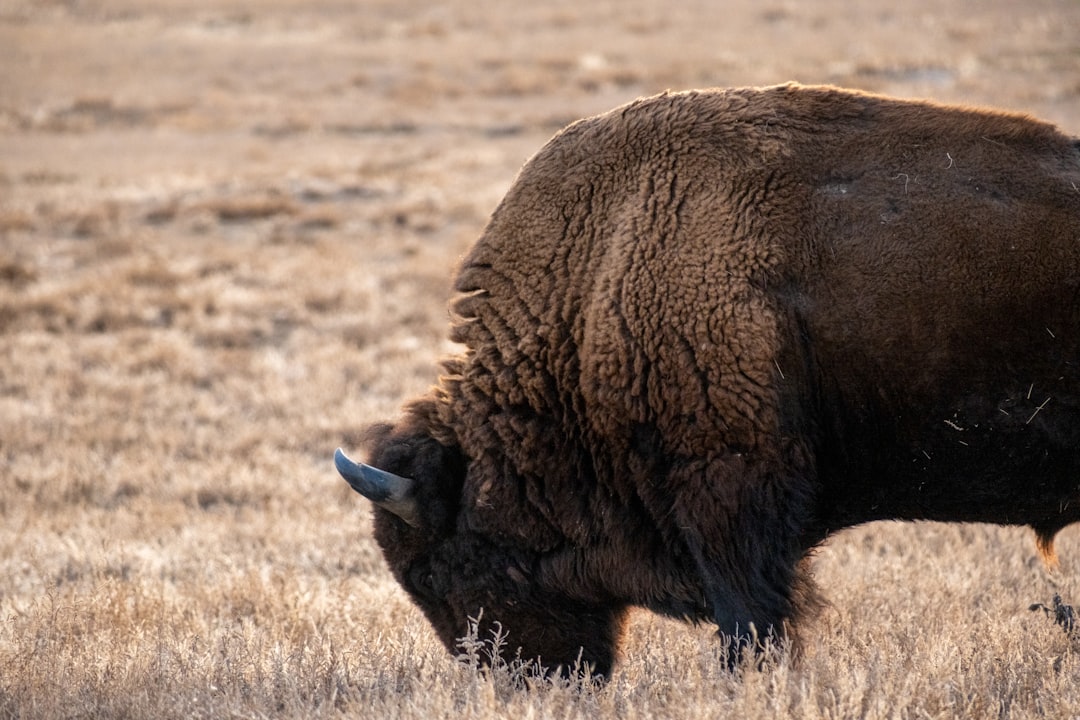
The iconic image of the Plains Indians is inextricably linked to the majestic buffalo. For millennia, this magnificent creature provided not only sustenance but also shelter, clothing, and tools for the nomadic tribes that roamed the prairies. The documentary meticulously reconstructs the art and science of the buffalo hunt, illustrating the profound understanding these peoples possessed of animal behavior and the natural world. Through evocative cinematography and expert interviews with historians and tribal elders, viewers gain an appreciation for the sophisticated strategies employed, the communal efforts involved, and the spiritual significance attached to every aspect of the hunt. The film highlights how the buffalo was more than just food; it was a sacred gift, a cornerstone of their cultural identity, and a vital thread connecting them to the very essence of the Plains.
A World of Clans and Ceremonies: Social Structures and Belief Systems
Beyond the hunt, the documentary delves into the intricate social structures and rich spiritual beliefs that shaped indigenous life on the Plains. It explores the organization of tribes into clans, the roles and responsibilities within these societies, and the complex systems of governance that ensured order and harmony. Viewers are introduced to the diverse cosmologies, the oral traditions passed down through generations, and the profound connection to the spirit world that permeated every aspect of their existence. The film showcases vibrant depictions of traditional ceremonies, from powwows that celebrated life and community to sacred rites that honored the earth and its inhabitants. The artistry of beadwork, the music of traditional instruments, and the powerful narratives woven into their stories all contribute to a vivid portrait of a civilization deeply rooted in tradition and reverence.
The Great Disruption: Impact of European Arrival
The arrival of Europeans marked a profound and often devastating turning point in the history of the Plains. The documentary unflinchingly examines the consequences of this encounter, detailing the introduction of new diseases, the encroachment on ancestral lands, and the violent conflicts that ensued. It sheds light on the systematic efforts to dismantle indigenous cultures, including the forced assimilation policies and the establishment of reservations. The film does not shy away from the painful realities of this era, using historical accounts, personal testimonies, and archival footage to evoke empathy and understanding for the immense losses suffered by the Plains tribes. It underscores the resilience of these communities who, despite unimaginable hardship, managed to preserve vital aspects of their heritage for future generations.
For those interested in delving deeper into the history of the Great Plains, a related article that provides valuable insights is available at this link: Great Plains History: A Comprehensive Overview. This article explores the cultural, environmental, and economic factors that have shaped the region over the centuries, complementing the themes presented in the Great Plains history documentary.
The Frontier Beckons: Settlement and the Making of a Nation
The promise of land and opportunity drew waves of settlers to the Great Plains, transforming the landscape and forever altering its trajectory. The documentary “Great Plains” paints a vivid picture of this era of settlement, capturing both the romanticized ideals of the frontier and the harsh realities faced by those who dared to carve out a life in this untamed territory.
Manifest Destiny and the Homestead Act: Seeds of Change
The narrative of westward expansion is explored through the lens of “Manifest Destiny,” the prevailing belief that the United States was divinely ordained to stretch its dominion across the North American continent. The documentary examines how this ideology fueled government policies, most notably the Homestead Act of 1862, which offered land to settlers who agreed to cultivate it. Viewers witness the arduous journey of homesteaders, their meager possessions packed into wagons, as they set out to claim their piece of the American dream. The film highlights the immense courage and perseverance required to establish farms on land that often seemed resistant to cultivation, battling harsh weather, scarce resources, and the lingering presence of indigenous peoples.
The Iron Horse: Connecting the Nation
The arrival of the railroad was a pivotal moment in the settlement of the Great Plains, forever changing the region’s connectivity and economic landscape. The documentary powerfully illustrates the construction of the transcontinental railroad, a monumental undertaking that brought together diverse labor forces and physically linked the East and West coasts. Viewers witness the dramatic changes wrought by this technological advancement: the rapid growth of towns and cities, the ease of transportation for goods and people, and the increased demand for agricultural products from the fertile plains. The railroad became a symbol of progress and national unity, but the film also acknowledges its role in further displacing indigenous communities and facilitating the exploitation of natural resources.
Life on the Prairie: Hardship and Resilience
The daily lives of early settlers on the Great Plains were often characterized by immense hardship. The documentary doesn’t shy away from depicting the relentless challenges: the isolation of rural life, the constant threat of natural disasters like blizzards and droughts, and the sheer physical labor involved in farming and ranching. Viewers are introduced to the ingenuity and resourcefulness of these early communities, learning about their methods of building sod houses, their reliance on community cooperation, and the simple pleasures that provided solace amidst the toil. The film captures the stoic determination of these individuals who were forging a new life, piece by painstaking piece, on land that demanded respect and relentless effort.
The Land’s Bounty and its Shadows: Agriculture and Industry

The fertile soil and vast open spaces of the Great Plains presented an unparalleled opportunity for agriculture, shaping the region into a breadbasket for the nation. However, this bounty came with its own set of challenges and transformations, as explored in this section of the documentary.
From Plow to Grain Elevator: The Rise of the Agribusiness
The documentary traces the evolution of agriculture on the Plains, from the early struggles of individual homesteaders to the rise of large-scale agribusinesses. Viewers witness the mechanization of farming, the introduction of new technologies and crop varieties, and the increasing efficiency of food production. The film examines the economic forces that shaped this transformation, including the role of government subsidies, the influence of commodity markets, and the impact of globalization. It explores the growth of grain elevators, iconic structures that symbolize the region’s agricultural output, and the complex infrastructure that facilitates the movement of crops from the farm to global markets.
The Dust Bowl: A Scar on the Land
One of the most poignant and impactful chapters in the history of the Great Plains is the Dust Bowl of the 1930s. The documentary dedicates significant attention to this ecological and human catastrophe, vividly portraying the devastating consequences of severe drought coupled with unsustainable farming practices. Through harrowing archival footage, personal accounts of those who lived through it, and expert analysis, viewers witness the skies turn black with dust, farms buried under sand, and families forced to abandon their homes. The film highlights the profound lessons learned from this period, emphasizing the importance of soil conservation, sustainable land management, and the interconnectedness of human actions and environmental consequences. It is a powerful reminder of the fragility of even the most seemingly robust ecosystems.
The Paradox of Plenty: Economic Cycles and Challenges
The Great Plains has long been known for its agricultural abundance, yet the region has also experienced cycles of boom and bust. The documentary explores this economic paradox, examining the factors that contribute to both prosperity and vulnerability. It delves into the challenges faced by modern farmers, including fluctuating market prices, the increasing cost of inputs, and the ongoing threat of climate change. The film also discusses the diversification of the Plains economy, with increasing importance of industries like energy extraction, manufacturing, and tourism. It presents a nuanced view of the region’s economic landscape, acknowledging both its strengths and its persistent challenges.
Echoes of Conflict and Resilience: The Twentieth Century and Beyond
The 20th century brought new waves of change and conflict to the Great Plains, as the region grappled with national and global events, all while indigenous communities continued their fight for recognition and self-determination.
World Wars and the Home Front: A Nation Mobilized
The documentary examines the impact of the World Wars on the Great Plains, highlighting the region’s contributions to the war effort, both through agricultural production and the mobilization of its people. Viewers learn about the importance of Plains agriculture in feeding Allied nations, the presence of numerous military bases and training grounds across the region, and the sacrifices made by those who served on the front lines. The film also explores the social and economic shifts that occurred on the home front, including the increased industrialization and the evolving roles of women in society.
The Cold War Frontier: Strategic Importance and Shifting Landscapes
The strategic location of the Great Plains also played a significant role during the Cold War. The documentary explores the establishment of missile silos, air bases, and other military installations across the region, reflecting its importance as a potential battleground in the ideological struggle between the United States and the Soviet Union. Viewers gain insight into the impact of these military presences on local communities, the economic opportunities they created, and the underlying anxieties of living in a nuclear age. The film illustrates how the seemingly peaceful prairies became a vital component of national defense strategies.
Indigenous Resilience and the Fight for Sovereignty
Throughout the 20th century and into the present day, indigenous peoples of the Great Plains have continued their struggle for recognition, self-determination, and the protection of their rights and cultural heritage. The documentary honors this ongoing fight for sovereignty, showcasing the efforts of tribal leaders, activists, and communities to reclaim their histories, preserve their languages, and address socio-economic disparities. It highlights instances of successful land reclamation, the revitalization of cultural practices, and the ongoing legal battles for treaty rights. The film serves as a powerful testament to the enduring spirit and unwavering determination of indigenous communities to maintain their identity and secure a just future.
The Great Plains have a rich and complex history that has shaped the cultural and environmental landscape of the region. For those interested in exploring this fascinating topic further, a related article can provide additional insights into the historical events and key figures that have influenced the area. You can read more about this in the article on the Great Plains at My GeoQuest, which delves into the unique challenges and developments that have characterized this vital part of American history.
The Future of the Plains: Challenges and Enduring Spirit
| Year | Event | Significance |
|---|---|---|
| 1804 | Lewis and Clark Expedition | Exploration of the Great Plains |
| 1830s | Santa Fe Trail | Trade route through the Great Plains |
| 1862 | Homestead Act | Encouraged settlement of the Great Plains |
| 1876 | Battle of Little Bighorn | Conflict between Native Americans and US Army |
| 1930s | Dust Bowl | Severe drought and soil erosion in the Great Plains |
As the documentary “Great Plains” draws to a close, it shifts its focus to the contemporary challenges and the enduring spirit of the people who call this vast region home. It acknowledges that the story of the Great Plains is not confined to the past but is actively being written today, by individuals and communities navigating a rapidly changing world.
Environmental Stewardship: Adapting to a Changing Climate
The impacts of climate change are increasingly evident on the Great Plains, from more extreme weather events to altered precipitation patterns. The documentary explores the growing awareness and efforts towards environmental stewardship, showcasing innovative approaches to sustainable agriculture, water conservation, and land management. Viewers learn about farmers and ranchers who are adopting new technologies and practices to mitigate the effects of climate change and ensure the long-term health of the land. The film emphasizes the critical need for adaptation and the collective responsibility to protect this vital ecosystem for future generations.
Rural Revitalization: Preserving Communities in a Shifting Landscape
Many rural communities on the Great Plains have faced significant challenges in recent decades, including population decline and economic shifts. The documentary examines the efforts towards rural revitalization, highlighting inspiring stories of innovation and resilience. Viewers encounter individuals and organizations working to attract new businesses, support local entrepreneurs, and preserve the unique character of their towns and villages. The film celebrates the strong sense of community that often defines life on the Plains, emphasizing the importance of human connection and shared purpose in overcoming adversity.
The Enduring Spirit: A Legacy of Resilience
Ultimately, “Great Plains” is a celebration of the enduring spirit of the people who inhabit this diverse and often challenging landscape. It is a story of resilience, adaptation, and an unwavering connection to the land. Through its comprehensive exploration of indigenous heritage, pioneering spirit, agricultural endeavors, and contemporary challenges, the documentary offers a profound and moving portrait of a region that has shaped, and continues to be shaped by, the indomitable human will. The film leaves viewers with a deeper understanding and appreciation for the Great Plains, a land of vast beauty, complex history, and a future that, while uncertain, is undeniably filled with hope and the enduring strength of its people.

The Water Beneath America’s Breadbasket
FAQs
What is the Great Plains history documentary about?
The Great Plains history documentary explores the rich and diverse history of the Great Plains region in North America, covering topics such as Native American cultures, westward expansion, the Dust Bowl, and the modern-day challenges and triumphs of the region.
Who produced the Great Plains history documentary?
The Great Plains history documentary was produced by a team of historians, filmmakers, and experts in the field of Great Plains history. The documentary features interviews with scholars, archival footage, and stunning visuals of the Great Plains landscape.
Where can I watch the Great Plains history documentary?
The Great Plains history documentary may be available for streaming on various platforms such as PBS, Amazon Prime, or other streaming services. It may also be available for purchase on DVD or Blu-ray.
What time period does the Great Plains history documentary cover?
The Great Plains history documentary covers a wide time period, starting from the prehistoric era when Native American cultures thrived in the region, to the era of westward expansion and settlement, the Dust Bowl of the 1930s, and the modern-day challenges and successes of the Great Plains.
What can I expect to learn from the Great Plains history documentary?
Viewers can expect to gain a deeper understanding of the history, culture, and significance of the Great Plains region, as well as the impact of historical events on the people and landscape of the area. The documentary aims to provide a comprehensive and engaging look at the history of the Great Plains.