
GeoQuest Documentary Series offers viewers a comprehensive exploration of global affairs, providing a factual and analytical lens through which to understand the intricate web of international relations. The series, renowned for its meticulous research and on-the-ground reporting, delves into a diverse array of geopolitical topics, from emerging economic powers to environmental crises and their far-reaching consequences.
The GeoQuest Documentary Series was conceived in the early 2000s by a collective of seasoned journalists and academics with a shared vision: to demystify complex global issues for a broad audience. Its foundational principle rests on delivering empirically-driven narratives, meticulously cross-referenced to ensure accuracy and impartiality. The series endeavors to present multiple perspectives on contentious topics, allowing the audience to form their own informed conclusions rather than prescribing a singular viewpoint. This approach positions GeoQuest as a valuable resource for anyone seeking a deeper comprehension of the forces shaping our world.
Early Influences and Methodological Framework
The creators of GeoQuest drew inspiration from classic investigative journalism and academic ethnography. Early episodes showcased a strong emphasis on historical context, recognizing that the present-day geopolitical landscape is a direct descendant of past events. The methodological framework employed by GeoQuest involves extensive field research, often spanning several months in various regions. This commitment to primary source material is complemented by interviews with experts, policymakers, and affected communities, weaving together a rich tapestry of perspectives. The series prioritizes data visualization and statistical analysis to underpin its arguments, transforming abstract concepts into tangible realities for the viewer.
Funding and Editorial Independence
GeoQuest operates under a non-profit model, primarily funded through grants from independent foundations, educational institutions, and individual philanthropic contributions. This funding structure is crucial to maintaining the series’ editorial independence. Unlike commercially funded productions, GeoQuest is not beholden to advertising pressures or corporate agendas, allowing its producers to pursue topics based on journalistic merit rather than marketability. A rigorous internal review process, involving an editorial board composed of international relations specialists, ensures content adheres to strict journalistic standards and academic rigor.
In the latest episode of the GeoQuest Global Affairs documentary series, viewers are taken on a captivating journey through the intricate dynamics of international relations and global challenges. For those interested in exploring more about the themes discussed in the series, a related article titled “Navigating the Complexities of Global Diplomacy” provides an in-depth analysis of the current geopolitical landscape. You can read the article here: Navigating the Complexities of Global Diplomacy.
Unpacking Geopolitical Dynamics
A central theme of GeoQuest is the intricate interplay of geopolitical forces that dictate global power structures and international relations. The series meticulously dissects the motivations behind state actions, the impact of non-state actors, and the long-term consequences of strategic alliances and conflicts. It often employs the metaphor of a global chessboard, where nations are not merely players but pieces whose movements reverberate across the entire board, influencing outcomes far beyond their immediate vicinity.
The Rise of New Powers
GeoQuest has dedicated several seasons to chronicling the ascendancy of new economic and political powers, particularly in Asia, Africa, and Latin America. These episodes analyze the internal dynamics driving this growth – demographic shifts, technological advancements, and evolving political ideologies – as well as their external implications. The series examines how this redistribution of global influence challenges established norms and institutions, leading to a more multipolar world order. For instance, detailed analyses of China’s Belt and Road Initiative trace its origins, economic rationale, and its multifaceted impact on participating nations and traditional geopolitical rivalries. Viewers are presented with a nuanced perspective, acknowledging both the developmental opportunities and the potential for increased dependence.
Enduring Conflicts and Their Roots
The series does not shy away from examining protracted conflicts, delving into their historical, cultural, and socio-economic roots. Each episode on a specific conflict seeks to move beyond superficial headlines, providing a deep dive into the underlying grievances, political aspirations, and external interventions that perpetuate cycles of violence. GeoQuest consistently emphasizes the human cost of conflict, giving voice to those directly affected by war and displacement. For example, its multi-part investigation into the Syrian civil war explored not only the immediate triggers but also the decades of political repression, economic inequality, and regional power struggles that contributed to the conflagration. This comprehensive approach helps viewers understand conflict as a complex ecological system, where every element is interconnected.
International Organizations and Global Governance
GeoQuest frequently scrutinizes the role and effectiveness of international organizations, such as the United Nations, the World Trade Organization, and regional blocs. The series evaluates their successes, limitations, and the challenges they face in addressing global crises. It explores the tension between national sovereignty and the imperative for collective action, a constant tightrope walk in global governance. Episodes dedicated to climate change negotiations, for example, illustrate the arduous process of consensus-building among diverse national interests and the enduring struggle to translate agreements into tangible action. This analysis helps viewers appreciate the complexities of multilateral diplomacy, often resembling a grand orchestra attempting to play a symphony without a unified conductor.
The Global Economy and Its Interconnections
The economic dimensions of global affairs form another cornerstone of the GeoQuest series. It explores the intricate linkages between national economies, the dynamics of international trade, and the impact of financial globalization on societies worldwide. The series often highlights the butterfly effect in economics, where seemingly localized events can create ripples across continents.
Trade Blocs and Economic Development
GeoQuest meticulously examines the formation and evolution of trade blocs, such as the European Union, NAFTA (now USMCA), and ASEAN. It analyzes their impact on member states’ economic growth, regional integration, and global competitiveness. The series also investigates the challenges faced by developing nations in integrating into the global economic system, exploring issues such as fair trade, market access, and the role of international financial institutions. Specific episodes might explore the challenges faced by various African nations in negotiating trade agreements, highlighting the historical context of colonialism and its lingering economic repercussions. This provides a sobering perspective on the enduring structural inequalities within the global economic framework.
Financial Markets and Crises
The series dedicates significant attention to the volatility of global financial markets and the causes and consequences of financial crises. It explains complex economic concepts in an accessible manner, tracing the pathways through which localized financial turmoil can cascade into global recessions. GeoQuest has analyzed the 2008 global financial crisis in detail, not just focusing on the American housing market but also tracing its contagion effects across European banks and emerging economies. This exploration often delves into regulatory frameworks, the role of central banks, and the ethical considerations within the global financial system, often depicting it as a vast, interconnected nervous system, susceptible to shocks in any of its parts.
The Future of Work and Automation
GeoQuest also looks ahead, exploring emergent trends that will reshape the global economy. A recurring theme in recent seasons is the impact of automation, artificial intelligence, and the gig economy on labor markets across the globe. The series investigates the potential for job displacement, the need for reskilling initiatives, and the implications for income inequality, both within and between nations. These episodes often feature interviews with technologists, economists, and workers whose lives are directly impacted by these shifts. This forward-looking approach helps viewers anticipate and understand future economic challenges.
Environmental Challenges and Geopolitical Responses
Environmental degradation and climate change represent some of the most pressing global affairs of the 21st century, and GeoQuest dedicates substantial coverage to these existential threats. The series frames environmental issues not as isolated phenomena but as deeply interconnected with geopolitical stability, resource allocation, and human migration.
Climate Change and Resource Scarcity
GeoQuest provides evidence-based reporting on the scientific consensus surrounding climate change, illustrating its diverse manifestations from rising sea levels to extreme weather events. Crucially, it explores the geopolitical dimensions of climate change, examining how it exacerbates existing conflicts, creates new migration patterns, and drives competition for dwindling resources like water and arable land. Episodes often visit communities on the front lines of climate change, showcasing both their vulnerability and their resilience. For example, an episode detailing the disappearing glaciers in the Himalayas not only highlights the ecological crisis but also delves into the potential for future water conflicts between downstream nations. This approach underscores climate change as a threat multiplier.
Transboundary Pollution and Environmental Justice
The series scrutinizes issues of transboundary pollution, such as oceanic plastic waste, air pollution, and the contamination of international river systems. It highlights the challenges of enforcing environmental regulations across national borders and the often-unequal distribution of environmental burdens, with marginalized communities frequently bearing the brunt of industrial pollution. GeoQuest explores the concept of environmental justice, demonstrating how socioeconomic disparities are often mirrored in environmental issues. The series may, for instance, investigate the ecological footprint of fast fashion, meticulously tracing its production chain across multiple continents and exposing the environmental and labor practices involved.
Conservation and Sustainable Development
Amidst the challenges, GeoQuest also showcases innovative approaches to conservation and sustainable development. It highlights successful environmental initiatives, renewable energy projects, and community-led efforts to protect biodiversity and promote ecological regeneration. These narratives offer glimmers of hope and demonstrate the potential for human ingenuity and international cooperation to address environmental crises. The series emphasizes that sustainable development is not merely an environmental concern but a prerequisite for long-term geopolitical stability and economic prosperity, often presenting it as a compass guiding humanity toward a more balanced future.
In the latest episode of the GeoQuest Global Affairs documentary series, viewers are taken on a captivating journey through the complexities of international relations and the impact of global events on local communities. For those interested in exploring similar themes, a related article delves into the nuances of diplomacy and its role in shaping our world today. You can read more about this fascinating topic in the article available at GeoQuest Global Affairs.
Culture, Identity, and Soft Power
| Metric | Value | Description |
|---|---|---|
| Number of Episodes | 12 | Total episodes released in the series |
| Average Episode Length | 45 minutes | Typical duration of each episode |
| Primary Language | English | Language in which the series is produced |
| Global Reach | 150+ countries | Number of countries where the series is available |
| Viewer Ratings | 4.5 / 5 | Average viewer rating across platforms |
| Topics Covered | 20+ | Number of global affairs topics explored |
| Release Year | 2023 | Year the series was first released |
Beyond the realm of traditional geopolitics and economics, GeoQuest recognizes the profound influence of culture and identity in shaping global affairs. The series explores how cultural exchanges, national narratives, and the exercise of soft power contribute to international relations.
The Role of Media and Information
GeoQuest frequently examines the evolving landscape of global media and its impact on public opinion and international perceptions. It investigates the spread of disinformation, the rise of state-sponsored media outlets, and the challenges of maintaining journalistic integrity in a fragmented information environment. The series helps viewers critically assess information from diverse sources, navigating the murky waters of the modern information age. For example, a careful analysis of state-sponsored media campaigns in various regions explains how narratives are constructed and disseminated to influence domestic and international audiences, underscoring the battleground that is information.
Cultural Diplomacy and Exchange
The series investigates the concept of cultural diplomacy, where nations leverage their cultural heritage, arts, and educational programs to foster understanding and build bridges with other countries. It explores how initiatives like student exchange programs, film festivals, and artistic collaborations can contribute to soft power and enhance a nation’s global influence. GeoQuest might showcase examples of how music or cinema transcend political divides, acting as universal languages that foster empathy and mutual respect. This demonstrates that understanding and connection can sometimes be built not with weapons or treaties, but with shared human experiences.
Identity Politics and Nationalism
GeoQuest also delves into the complex interplay of identity politics and nationalism in shaping both domestic and international affairs. It explores the resurgence of nationalist movements in various regions, their underlying causes, and their implications for multilateralism and global cooperation. The series dissects how ethnic, religious, and linguistic identities can be mobilized for political purposes, sometimes leading to conflict, and other times fostering solidarity. This nuanced approach helps viewers understand that identity, while a fundamental aspect of human experience, can be a double-edged sword in global affairs.
Emerging Threats and the Future Landscape
The final, but by no means exhaustive, area frequently explored by GeoQuest involves the identification and analysis of emerging threats and the prognostication of future global landscapes. The series aims to equip viewers with the foresight to understand the evolving challenges facing humanity.
Cybersecurity and Digital Warfare
GeoQuest has dedicated significant attention to the burgeoning domain of cybersecurity and digital warfare. It examines the vulnerabilities of critical infrastructure, the rise of state-sponsored cyber espionage, and the potential for cyberattacks to destabilize nations and economies. The series explains complex technical concepts in an accessible manner, illustrating the profound implications of digital threats for international security. Episodes might explore the Stuxnet virus as a watershed moment in cyber warfare, detailing its technical complexity and geopolitical ramifications, serving as a chilling reminder of the invisible front lines of modern conflict.
Pandemics and Global Health Security
The recent past has underscored the critical importance of global health security, and GeoQuest has responded by providing in-depth analyses of pandemics and infectious disease outbreaks. The series explores the interconnectedness of global health, examining the challenges of international cooperation in disease surveillance, vaccine development, and equitable distribution. It also delves into the socio-economic impacts of pandemics, including disruptions to supply chains, mental health crises, and the exacerbation of existing inequalities. The series often uses the metaphor of infectious disease as a global equalizer, demonstrating that no nation is truly isolated when it comes to biological threats.
Space Exploration and Geopolitical Implications
Finally, GeoQuest looks upwards, exploring the emerging geopolitical dimensions of space exploration. It examines the renewed “space race” among major powers, the competition for orbital resources, and the potential for militarization of outer space. The series discusses the legal frameworks governing space, the challenges of debris management, and the ethical considerations surrounding lunar and Martian colonization. This forward-looking perspective demonstrates that the global chessboard is expanding beyond Earth, with profound implications for humanity’s future endeavors and potential new arenas for cooperation or conflict.
GeoQuest Documentary Series, therefore, offers a consistent and rigorous examination of global affairs, inviting viewers to engage with the complexities of the modern world not as passive observers, but as informed citizens. By presenting factual content with analytical depth and diverse perspectives, it stands as a significant contribution to public understanding of international relations.
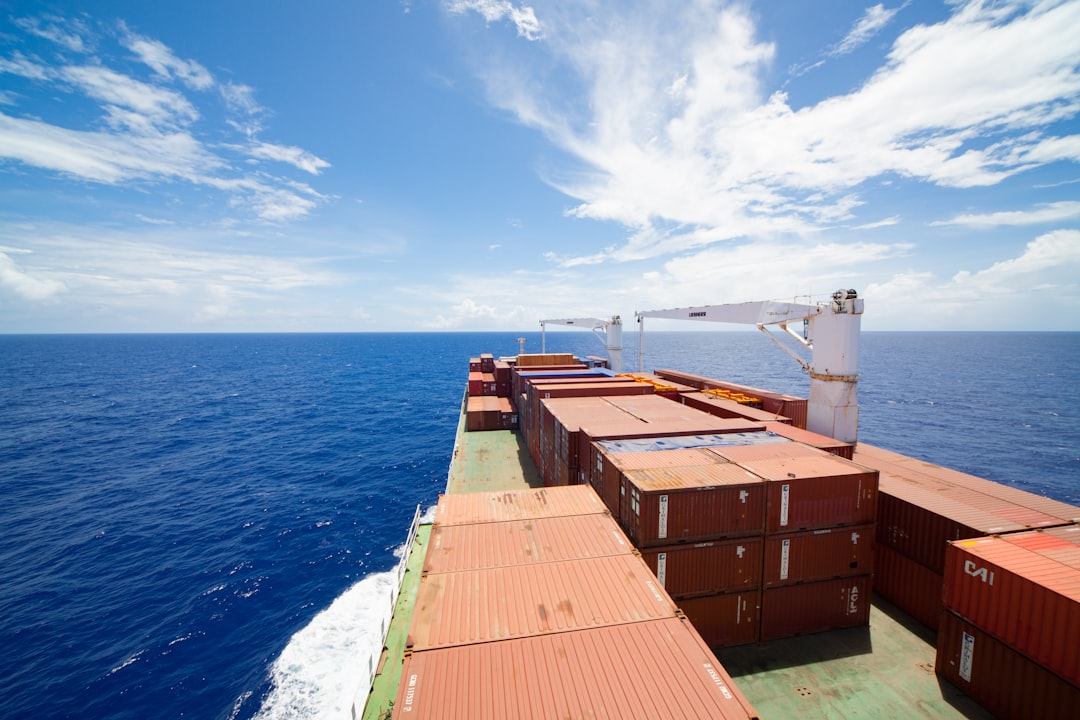
WATCH NOW ▶️ SHOCKING: Malacca: The $10 Trillion Lie Revealed
FAQs
What is the GeoQuest Global Affairs documentary series?
GeoQuest Global Affairs is a documentary series that explores significant international issues, geopolitical events, and global trends through in-depth analysis and storytelling.
Who produces the GeoQuest Global Affairs documentary series?
The series is produced by GeoQuest Media, a company specializing in educational and informative content focused on global affairs and international relations.
What topics are covered in the GeoQuest Global Affairs series?
The series covers a wide range of topics including diplomacy, conflict resolution, economic development, environmental challenges, and cultural exchanges around the world.
Where can I watch the GeoQuest Global Affairs documentary series?
The series is available on various streaming platforms, educational websites, and sometimes broadcast on public television channels depending on regional availability.
Is the GeoQuest Global Affairs series suitable for educational purposes?
Yes, the series is designed to be informative and educational, making it suitable for students, educators, and anyone interested in understanding global affairs and international relations.