A profound journey into the dynamic processes that sculpt our planet awaits viewers in “Exploring Earth’s Wonders: A Physical Geography Documentary.” This captivating series delves deep into the intricate forces that have shaped, and continue to shape, the Earth’s surface, offering a visually stunning and intellectually engaging exploration of our planet’s most awe-inspiring landscapes and geological phenomena.
The documentary begins by focusing on the Earth’s outermost layer, the lithosphere, a seemingly solid shell that is, in reality, a constantly shifting mosaic of tectonic plates. This section masterfully explains the fundamental concepts of plate tectonics, the driving force behind earthquakes, volcanic eruptions, and the formation of mountains. Through breathtaking aerial footage and sophisticated CGI, viewers witness firsthand the slow, inexorable movement of these colossal plates, a process that has been at play for billions of years.
The Dance of the Plates: Convergent Boundaries
A significant portion of this segment is dedicated to the dramatic interactions occurring at convergent plate boundaries. The series showcases the destructive yet creative power of subduction zones, where one plate grinds beneath another, resulting in volcanic arcs like the Andes and the Mariana Trench, the deepest oceanic trench on Earth. The documentary highlights the geological processes that lead to the formation of stunning volcanic landscapes, from the explosive might of Mount St. Helens to the more effusive eruptions of Hawaiian volcanoes. Expert geologists provide clear and concise explanations, demystifying the complex chemistry and physics involved in magma generation and eruption. The visual imagery is exceptional, capturing the raw energy of these events and the dramatic geological formations they leave behind.
Divergent Boundaries: The Birth of New Crust
The narrative then shifts to explore the constructive forces at divergent plate boundaries. Here, viewers are transported to the Mid-Atlantic Ridge, a colossal underwater mountain range where new oceanic crust is continuously generated as plates pull apart. The documentary effectively illustrates the process of seafloor spreading, featuring animated sequences that depict magma rising from the mantle, cooling, and solidifying to form new lithosphere. The awe-inspiring hydrothermal vents, teeming with unique chemosynthetic life, are also prominently featured, showcasing how life can thrive in the most extreme environments, fueled by the Earth’s internal heat.
Transform Boundaries: The Grinding Gauntlet
The contrasting nature of transform boundaries is explored next. The documentary vividly portrays the immense friction generated as plates slide past each other horizontally. The San Andreas Fault in California serves as a prime example, with powerful visual simulations illustrating the buildup and release of stress that causes devastating earthquakes. The series emphasizes the importance of understanding these geological fault lines for disaster preparedness and highlights the ongoing research aimed at better predicting seismic activity. The visual representation of fault scarps and offset landscapes provides a tangible understanding of the immense forces at play.
For those interested in exploring the intricate details of physical geography, the documentary featured on My Geo Quest offers a captivating look at the Earth’s diverse landscapes and natural processes. To delve deeper into this subject, you can read a related article that discusses the impact of climate change on geographical features and ecosystems. Check it out here: My Geo Quest.
The Sculpting Power of Water: Rivers, Glaciers, and Oceans
Moving beyond the forces from within the Earth, “Exploring Earth’s Wonders” then turns its attention to the ubiquitous and incredibly powerful influence of water in its various forms, detailing how it carves, shapes, and transports the landmasses. This section offers a visually rich exploration of fluvial geomorphology, glaciology, and oceanography, showcasing the diverse ways water has sculpted Earth’s surface over millennia.
Rivers: The Architects of Valleys and Deltas
The documentary dedicates significant time to the intricate work of rivers. Viewers are treated to sweeping vistas of the Grand Canyon, a testament to the erosive power of the Colorado River over millions of years. Animated sequences meticulously illustrate the processes of downcutting and lateral erosion, explaining how rivers carve through bedrock, transport sediment, and build vast deltas at their mouths. The series explores various river systems worldwide, from the mighty Amazon, with its incredible biodiversity and vast drainage basin, to the braided rivers of the Himalayas, showcasing the unique characteristics and impacts of different river environments. The human reliance on rivers for sustenance, transportation, and power generation is also touched upon, adding a layer of ecological and societal relevance.
Glaciers: The Ice Giants of Sculpting
The frozen landscapes of Earth are brought to life in this segment, focusing on the monumental impact of glaciers. The documentary explores the formation of glaciers, from the accumulation and compaction of snow to the slow, grinding movement of ice that carves out U-shaped valleys, cirques, and fjords. Stunning drone footage captures the majestic beauty of the Alaskan glaciers, the Patagonian ice fields, and the vast ice sheets of Greenland and Antarctica. The series explains how glaciers act as powerful erosional agents, scraping away bedrock and transporting massive amounts of sediment, leaving behind characteristic landforms like moraines and erratics. The alarming rate of glacial retreat due to climate change is also a prominent theme, highlighting the profound implications for sea-level rise and freshwater availability.
Oceans: The Great Recyclers and Reshapers
The vast and mysterious oceans are explored next, revealing their dual role as both a repository of life and a powerful force shaping coastlines and the ocean floor. The documentary delves into the dynamic processes of coastal erosion, with waves relentlessly battering cliffs, carving sea caves, and transporting sand to create beaches and barrier islands. The formation of coral reefs, vibrant ecosystems built by tiny organisms over millennia, is showcased with breathtaking underwater cinematography, illustrating their immense biodiversity and ecological importance. Furthermore, the geological features of the ocean floor, from abyssal plains and mid-ocean ridges to seamounts and trenches, are brought to life through advanced sonar mapping and CGI, revealing a hidden world of geological activity and unique habitats.
The Breath of the Planet: Winds and Atmospheric Forces
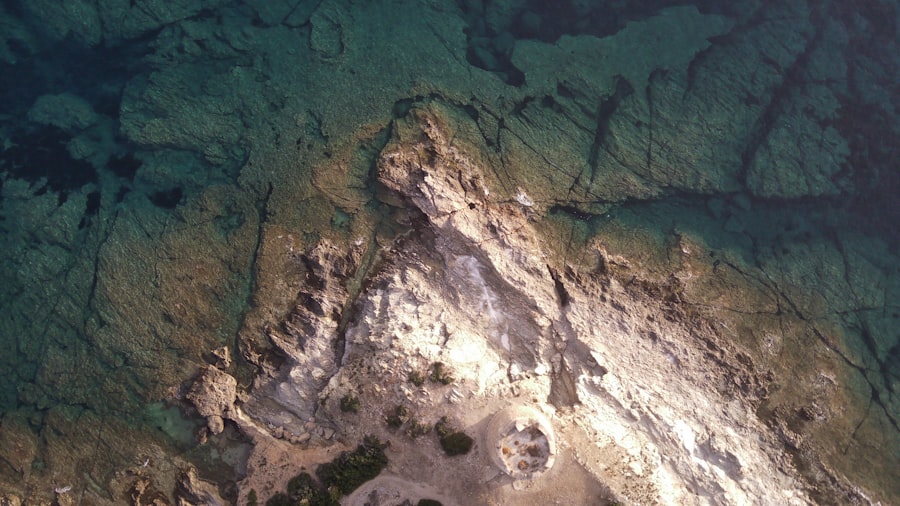
Beyond the solid and liquid realms, “Exploring Earth’s Wonders” ventures into the atmosphere, examining the invisible yet potent forces of wind and weather that continuously sculpt the Earth’s surface and influence its climate. This section delves into meteorology and climatology, revealing the intricate interplay of atmospheric pressure, temperature, and moisture.
Winds: The Artisans of Deserts and Plains
The powerful erosional capacity of wind is showcased through compelling visuals of desert landscapes. The documentary details the processes of deflation and abrasion, explaining how wind lifts and transports sand and dust, creating iconic desert landforms such as sand dunes (barchans, seifs, and star dunes), yardangs, and desert pavement. Expert commentary explains the critical role of vegetation cover in mitigating wind erosion and the delicate balance of arid ecosystems. The series also explores the impact of wind on more temperate regions, from the formation of loess deposits to the shaping of coastal dunes.
Weathering and Erosion: The Slow Unmaking of Mountains
This segment bridges the gap between atmospheric and surface processes, focusing on the relentless forces of weathering and erosion that break down and transport rock and soil. The documentary differentiates between physical weathering (e.g., freeze-thaw cycles, thermal expansion) and chemical weathering (e.g., dissolution, oxidation), illustrating these processes with clear examples from diverse geological settings. The series emphasizes how these processes work in tandem with the transportive power of water and wind to break down mountains and create the varied landscapes we see today. Dramatic time-lapse photography illustrates the gradual changes occurring over extended periods, highlighting the slow but persistent nature of these geological forces.
The Fiery Heart: Volcanism and Geothermal Energy

A spectacular and often awe-inspiring aspect of physical geography is the Earth’s internal heat and its manifestation in volcanic activity and geothermal phenomena. This section of the documentary plunges viewers into the heart of these processes, explaining their origins and global impact.
The Ring of Fire: A Global Nexus of Volcanic Activity
The documentary highlights the “Ring of Fire,” a horseshoe-shaped zone around the Pacific Ocean that accounts for approximately 75% of the world’s active and dormant volcanoes. Through dramatic footage and compelling explanations, viewers witness the immense power of volcanic eruptions, from the explosive pyroclastic flows of Mount Vesuvius to the more measured lava flows of Kīlauea. The series delves into the different types of volcanoes (shield, stratovolcano, cinder cone) and the varied compositions of magma that dictate their eruptive behavior. The geological context of plate tectonics at these locations is revisited, reinforcing the interconnectedness of Earth’s systems.
Geothermal Wonders: Harnessing Earth’s Internal Heat
Beyond destructive eruptions, the documentary explores the beneficial aspects of Earth’s internal heat through its geothermal manifestations. Viewers are taken on a journey to Iceland, a land shaped by volcanic activity and a global leader in harnessing geothermal energy. The series explains how hot springs, geysers, and fumaroles are surface expressions of subsurface heat, and how this energy can be tapped for electricity generation and heating. The documentary presents visually stunning examples of these natural wonders, from the bubbling mud pots of Rotorua, New Zealand, to the majestic eruption of Old Faithful in Yellowstone National Park. The potential for geothermal energy as a sustainable power source is a key takeaway from this segment.
In exploring the intricate relationships between natural landscapes and human activities, a fascinating article on physical geography can provide valuable insights. For those interested in understanding how geographical features shape our environment, the documentary available at My Geo Quest offers a compelling visual narrative that complements the themes discussed in the article. This resource delves into the dynamics of earth processes, climate patterns, and their impact on ecosystems, making it an essential read for anyone passionate about the subject.
The Interconnected System: Earth’s Dynamic Balance
| Documentary Title | Release Year | Duration (minutes) | Location |
|---|---|---|---|
| Planet Earth | 2006 | 60 | Various |
| Blue Planet II | 2017 | 60 | Oceans |
| Life in the Undergrowth | 2005 | 50 | Various |
The concluding segment of “Exploring Earth’s Wonders” masterfully weaves together the diverse threads of physical geography, emphasizing the interconnectedness and dynamic balance of Earth’s systems. This section moves beyond individual phenomena to explore how these processes interact and influence one another on a global scale.
Biogeochemical Cycles: The Flow of Matter and Energy
The documentary introduces the concept of biogeochemical cycles, illustrating how essential elements like carbon, nitrogen, and water move through the Earth’s lithosphere, atmosphere, hydrosphere, and biosphere. Animated sequences vividly depict the carbon cycle, showing how forests absorb CO2, oceans take up carbon, and volcanic activity releases it back into the atmosphere. The importance of these cycles for maintaining life on Earth is underscored, and the impact of human activities, such as deforestation and industrial emissions, on their delicate balance is highlighted. The series promotes a holistic understanding of the planet as a complex, living system.
Climate Change: A Global Challenge and a Physical Reality
A significant portion of the concluding segment is dedicated to the pressing issue of climate change. The documentary provides a clear and scientifically grounded explanation of the greenhouse effect and the role of human-induced emissions in altering the Earth’s energy balance. Viewers are presented with compelling data and visual evidence of global warming, including rising sea levels, more frequent extreme weather events, and polar ice melt. The series emphasizes that climate change is not merely an environmental issue but a profound physical geographic phenomenon with far-reaching consequences for ecosystems and human societies. The documentary aims to foster a sense of urgency and inspire viewers to engage with solutions.
The Future of Our Planet: Stewardship and Sustainability
The documentary concludes with a hopeful yet cautionary call to action. It reinforces the idea that understanding Earth’s physical geography is crucial for developing sustainable practices and ensuring the long-term health of our planet. The series showcases examples of successful conservation efforts and innovative solutions for mitigating environmental impacts. Viewers are encouraged to appreciate the delicate beauty and immense power of Earth’s wonders and to recognize their role as stewards of this extraordinary planet. The final images leave a lasting impression of Earth’s resilience, but also of the profound responsibility humanity holds in safeguarding its future.
“Exploring Earth’s Wonders: A Physical Geography Documentary” is more than just a visual spectacle; it is an educational tour de force that empowers viewers with a deeper understanding of the planet they inhabit. Through its comprehensive coverage, stunning visuals, and expert insights, the series offers a profound appreciation for the dynamic forces that have shaped our world and will continue to do so for eons to come. It is a must-watch for anyone seeking to unravel the intricate tapestry of Earth’s physical geography and its profound implications for life as we know it.

The Water Beneath America’s Breadbasket
FAQs
What is physical geography?
Physical geography is the branch of geography that deals with the study of processes and patterns in the natural environment, including the atmosphere, hydrosphere, biosphere, and lithosphere.
What is a physical geography documentary?
A physical geography documentary is a film or video production that explores and showcases various aspects of the Earth’s physical features, such as landforms, climate, ecosystems, and natural phenomena.
What are some common topics covered in physical geography documentaries?
Physical geography documentaries often cover topics such as the formation of mountains, the impact of weather and climate on landscapes, the dynamics of rivers and oceans, the diversity of ecosystems, and the effects of natural disasters.
How are physical geography documentaries beneficial?
Physical geography documentaries provide valuable educational content, helping viewers gain a deeper understanding of the Earth’s natural processes and the interconnectedness of its physical features. They also raise awareness about environmental issues and conservation efforts.
Where can I watch physical geography documentaries?
Physical geography documentaries can be found on various streaming platforms, educational websites, and television channels that focus on science, nature, and geography programming. They are also available for purchase or rental through online retailers.