
Denver International Airport (DIA) is a sprawling complex of terminals, concourses, and runways, a modern marvel designed to facilitate millions of travelers each year. Beneath the polished surfaces and bustling concourses, however, lies a network of tunnels and spaces that have become the subject of much speculation and intrigue. While many airports utilize underground passages for operational efficiency, DIA’s subterranean infrastructure has fostered a unique mythology, a whispered lexicon of secret tunnels and hidden purposes that has captured the public imagination. This article aims to explore the factual underpinnings of these narratives, separating established operational realities from the more fanciful theories that have taken root.
The construction and design of Denver International Airport were ambitious from the outset, involving a scale of operation that necessitated a robust and integrated underground system. Understanding the fundamental reasons behind this extensive subterranean development is key to demystifying much of the subsequent speculation.
Operational Necessity: The Backbone of Air Travel
The sheer volume of passengers, baggage, and cargo handled by a major international airport demands efficient, unseen logistical pathways. Underground tunnels are not inherently sinister; they are the circulatory system of an airport, designed to keep the visible operations of passenger movement and aircraft processing fluid and uninterrupted.
Baggage Handling Systems: A Complex Choreography
A significant portion of DIA’s underground real estate was dedicated to an advanced, albeit notoriously problematic, automated baggage handling system. This system, intended to whisk luggage from check-in to aircraft with robotic precision, required extensive tunnels to house conveyor belts, sorting mechanisms, and maintenance access points. The dream was a seamless flow, where bags would dance from point A to point B without human intervention. The reality, as it unfolded, was a more complex and bug-ridden ballet.
Utility Corridors: The Unsung Heroes
Beyond baggage, a multitude of essential utilities require discreetly managed pathways. Electrical conduits, plumbing, HVAC systems, and telecommunications lines must all be integrated and accessible for maintenance without disrupting airside operations. The tunnels provide this protected and organized infrastructure, ensuring that the airport’s lifeblood flows efficiently and without visual clutter.
The Denver International Airport has long been the subject of intrigue and speculation, particularly regarding its extensive network of hidden tunnels. These tunnels are often associated with various conspiracy theories, ranging from secret government operations to underground bunkers. For those interested in exploring this fascinating topic further, you can read a related article that delves into the mysteries surrounding the airport’s subterranean passages. Check it out here: Denver Airport Hidden Tunnels.
Debunking the “Secret Tunnel” Myths: Separating Fact From Fiction
The aura surrounding DIA’s tunnels has given rise to a multitude of conspiracy theories, ranging from the plausible to the downright outlandish. Examining these theories against the airport’s documented history and operational plans helps to illuminate the distinction between speculation and verifiable fact.
The “Underground City” Narrative
One of the most persistent myths suggests that DIA possesses a vast, hidden underground city. This narrative often includes elaborate descriptions of living quarters, command centers, and extensive infrastructure designed for an elite few.
Origins of the “Underground City” Theory
This theory likely stems from the sheer scale of the airport’s construction and the initial over-budget and delayed completion. The vastness of the project, coupled with its complex underground components, naturally fueled speculation about hidden designs. It’s a psychological leap, where the unknown beneath the surface becomes a canvas for imaginative projections.
Factual Counterarguments: Operational vs. Secretive
While DIA does have significant underground infrastructure, it is fundamentally designed for operational efficiency, not for clandestine living. The “city” is a network of service tunnels, maintenance access, and the remnants of the failed baggage system, not a subterranean metropolis.
The “New World Order” Connection
Perhaps the most widely disseminated and sensational theories link DIA’s tunnels and artwork to a shadowy global conspiracy, often referred to as the “New World Order.” These theories imbue the airport with symbols and intentions far removed from its practical purpose.
Symbolism in DIA’s Art: Interpretation vs. Intent
DIA features a notable collection of public art, including murals and sculptures, some of which have been interpreted by theorists as containing hidden messages or symbols related to apocalyptic events, Freemasonry, or other clandestine organizations. For example, the New World Border print series, specifically “Children of the World Dream of Peace,” has been a focal point for these interpretations.
The Real Story Behind the Art: Commissioning and Context
Airport art is typically commissioned through public art programs and often aims to reflect regional themes, history, or abstract concepts. While the specific interpretations of DIA’s art can be varied and are a valid form of artistic discourse, the assertion that they are coded messages for a secret agenda lacks concrete evidence. The artists themselves, when addressing these interpretations, often express surprise or offer prosaic explanations related to their creative process.
The Real Purpose of DIA’s Subterranean Passages

Looking beyond the sensationalism, the primary function of DIA’s underground areas is rooted in practical airport operations. These spaces are designed to streamline processes, improve efficiency, and maintain the functional integrity of the airport.
The Baggage System’s Legacy: A Costly Lesson
The highly publicized and ultimately discontinued automated baggage handling system at DIA is perhaps the most significant contributor to the extensive underground network. The system, designed by BAE Systems, was a monumental undertaking that promised to revolutionize baggage transport.
The Promise and Problems of the Automated System
The initial vision was for a network of over 26 miles of track and 900 carts, capable of moving 5,000 bags per hour. However, the system was plagued by mechanical failures, software glitches, and its inability to adapt to changing airline needs. The delays and cost overruns associated with this system became synonymous with the airport’s early development and fed into the narrative that something was being hidden.
Reclaiming and Reconfiguring Underground Space
Since the decommissioning of the automated baggage system, many of its associated tunnels and spaces have been repurposed or remain as unused infrastructure. This residual subterranean landscape continues to fuel speculation, as the sheer unused capacity of these passages suggests potential for more than just simple utility.
Airside Operations and Maintenance Access
Many of DIA’s tunnels serve as critical conduits for airside operations and maintenance. These are the workhorse tunnels, unseen by passengers but essential for the daily functioning of the airport.
Connecting Terminals and Concourse C
A network of tunnels connects the main Jeppesen Terminal with its concourses, particularly Concourse C. These are used for moving passengers via the airport’s automated people mover system, as well as for transporting supplies and personnel.
Groundskeeping and Emergency Services Access
Underground routes also facilitate access for groundskeeping equipment, emergency services, and other essential airport maintenance operations, operating like arteries that feed the vital organs of the airport without disrupting passenger flow.
The “Mysterious” Spaces and Unexplained Phenomena
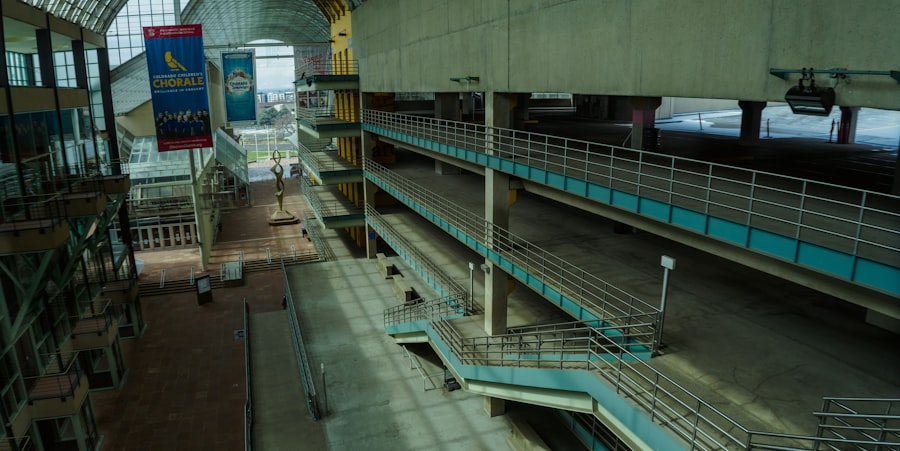
Despite the factual explanations for most of DIA’s underground network, certain spaces and occasional unusual occurrences have contributed to the enduring mystique. These often involve areas that are less accessible or have a less clearly defined purpose to the casual observer.
Abandoned or Underutilized Spaces
The vastness of a project like DIA inevitably leads to some spaces being underutilized or, in some cases, abandoned. The remnants of the automated baggage system, in particular, represent a significant subterranean footprint that remains largely inactive.
The “Underground Buildings” Misconception
The presence of large, unused subterranean structures is sometimes misinterpreted as evidence of hidden facilities. These are often simply parts of the former baggage system’s infrastructure or large utility spaces designed for future expansion that never materialized.
Access to Restricted Areas: A Matter of Security
Access to many of the underground areas is restricted to authorized personnel only, a standard security protocol for any major transportation hub. This necessary level of secrecy can, paradoxically, foster an air of mystery for those outside the operational loop.
Unexplained Lights and Sounds
Reports of unexplained lights or sounds emanating from underground areas at DIA, while rare, have contributed to the folklore. These are often anecdotal and may have mundane explanations such as maintenance work, ventilation systems, or even wildlife.
The Psychology of Perception
In an environment already steeped in intrigue, the human mind is prone to interpreting ambiguous stimuli in ways that align with existing narratives. A distant hum or a flicker of light can easily become more significant when filtered through the lens of conspiracy.
The Denver Airport has long been the subject of intrigue, particularly due to its hidden tunnels that many believe serve various mysterious purposes. For those interested in exploring more about the secrets of this airport, a fascinating article can be found that delves into the various theories surrounding its construction and the rumored underground facilities. You can read more about these intriguing aspects of the airport in this related article, which offers insights into the myths and realities of Denver’s subterranean world.
The Future of DIA’s Subterranean Realm
| Metric | Details |
|---|---|
| Location | Denver International Airport (DEN), Colorado, USA |
| Length of Tunnels | Approximately 5 miles (8 kilometers) |
| Purpose | Utility access, baggage transport, and maintenance |
| Construction Period | 1991 – 1995 |
| Number of Tunnel Levels | Multiple levels including underground service corridors |
| Security Features | Restricted access, surveillance cameras, and security patrols |
| Public Access | Not accessible to the public |
| Notable Theories | Conspiracy theories about secret bunkers and government facilities |
| Official Use | Support airport operations and logistics |
As Denver International Airport continues to evolve, so too will its use and understanding of its subterranean infrastructure. The ongoing development and modernization of the airport will undoubtedly address some of the legacy issues and potentially create new narratives.
Repurposing the Baggage System’s Footprint
Airport authorities have from time to time explored options for repurposing the extensive tunnels left behind by the failed baggage system. These could include expanding the people mover system, creating new utility conduits, or even adapting sections for other, as yet unspecified, operational needs.
Innovation and Efficiency in Underground Design
Future airport designs often incorporate more integrated and modular subterranean systems, learning from past experiences. The goal is to create efficient, easily adaptable underground networks that can serve the evolving needs of air travel.
Continued Scrutiny and Public Fascination
Despite factual explanations, the mystique of Denver International Airport’s tunnels is likely to persist. The combination of ambitious design, initial operational challenges, and the natural human inclination towards speculation ensures that the “secret tunnels” will remain a captivating element of DIA’s identity. As the airport continues to expand and update, the truth of its underground is likely to be a story of engineering, logistics, and the enduring power of imagination. For visitors and observers alike, the subterranean world of DIA offers a unique blend of operational reality and enduring legend, a testament to the complex relationship between human ingenuity and the stories we tell.
FAQs
What are the Denver Airport hidden tunnels?
The Denver Airport hidden tunnels refer to a network of underground passageways beneath Denver International Airport. These tunnels are primarily used for maintenance, baggage handling, and airport operations.
Are the tunnels at Denver Airport open to the public?
No, the tunnels are not open to the public. They are restricted areas used by airport staff and authorized personnel for operational purposes.
Why do people talk about secret tunnels at Denver Airport?
The extensive underground tunnels and unusual artwork at Denver International Airport have led to various conspiracy theories and rumors about secret activities. However, the tunnels serve practical functions related to airport logistics and infrastructure.
How large is the tunnel system under Denver International Airport?
The tunnel system spans several miles beneath the airport, connecting different terminals, baggage areas, and maintenance facilities to streamline airport operations.
Can visitors take tours of the Denver Airport tunnels?
There are no official tours of the tunnels available to the public. Visitors can explore the airport terminals and public areas but cannot access the restricted underground tunnels.