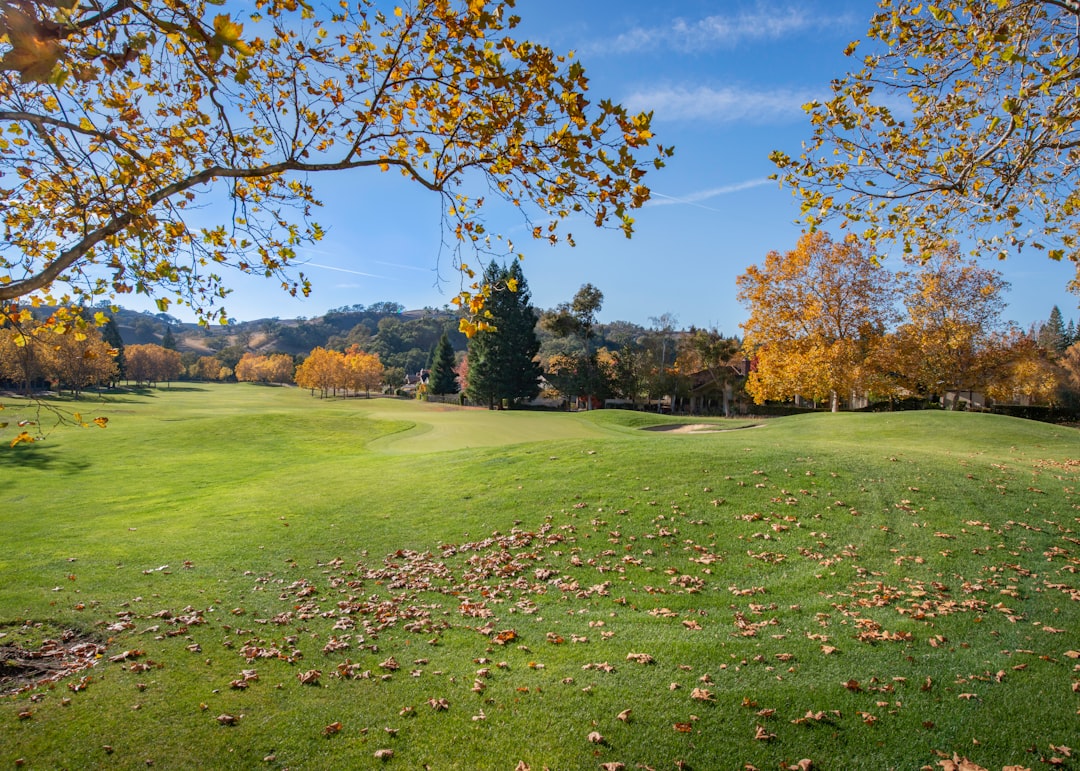
Borderlanders are individuals who inhabit regions that lie at the intersection of two or more distinct cultural, political, or geographical boundaries. These areas, often characterized by their unique blend of influences, serve as a melting pot for diverse traditions, languages, and lifestyles. The people who call these borderlands home often navigate a complex identity shaped by the interplay of various cultures, histories, and social dynamics.
This rich tapestry of experiences not only defines the lives of Borderlanders but also contributes significantly to the broader cultural landscape of their respective nations. The significance of Borderlanders extends beyond mere geographical boundaries; they embody resilience and adaptability in the face of change. Living in areas where different cultures converge, they often find themselves at the crossroads of tradition and modernity.
This unique position allows them to foster a sense of community that transcends national borders, creating a vibrant mosaic of shared experiences and mutual understanding. As globalization continues to reshape the world, the stories and contributions of Borderlanders become increasingly relevant, highlighting the importance of cultural exchange and cooperation in an interconnected society.
Key Takeaways
- Borderlanders are a diverse group of people living in the border regions of different countries, with unique traditions and customs.
- The historical background of borderlands is rich and complex, shaped by centuries of cultural exchange and conflict.
- Borderland cultures are incredibly diverse, with a mix of languages, religions, and traditions that have evolved over time.
- The cuisine of borderlands is a delicious blend of flavors and ingredients from different cultures, creating unique culinary delights.
- The arts and crafts of borderland communities reflect their rich cultural heritage and are often celebrated in festivals and celebrations.
Historical Background of Borderlands
The historical context of borderlands is as varied as the cultures that inhabit them. Many border regions have been shaped by centuries of conflict, migration, and trade, leading to a rich historical narrative that reflects the complexities of human interaction. For instance, the U.S.-Mexico border has seen waves of migration and cultural exchange since the 19th century, influenced by colonialism, economic opportunities, and social movements.
Similarly, the borders of Eastern Europe have been redrawn numerous times throughout history, resulting in a diverse array of ethnic groups and cultural practices coexisting in close proximity. In many cases, borderlands have served as zones of negotiation and compromise, where different powers have sought to establish control while also accommodating the needs and desires of local populations. This historical interplay has fostered a unique sense of identity among Borderlanders, who often draw from multiple cultural heritages.
The legacy of these interactions can be seen in the languages spoken, the customs practiced, and the social structures that have emerged in these regions. Understanding this historical background is crucial for appreciating the contemporary dynamics that shape borderland communities today.
Diversity of Borderland Cultures
The cultural diversity found in borderlands is one of their most defining characteristics. These regions often serve as a crossroads for various ethnic groups, each bringing their own traditions, beliefs, and practices. For example, the borderlands between India and Pakistan are home to a multitude of cultures, including Punjabi, Sindhi, and Kashmiri communities, each with its own unique customs and ways of life.
This diversity enriches the social fabric of borderland areas, fostering an environment where different perspectives can coexist and thrive. Moreover, the blending of cultures in borderlands often leads to the emergence of hybrid identities that reflect the influences of multiple heritages. This phenomenon can be observed in various aspects of life, from art and music to religion and social norms.
In many cases, Borderlanders take pride in their multicultural backgrounds, celebrating the richness that comes from living in such dynamic environments. This cultural interplay not only enhances individual identities but also contributes to a broader understanding of what it means to belong to a community that transcends traditional boundaries.
Unique Traditions and Customs
| Country | Unique Tradition/Custom |
|---|---|
| Japan | Tea Ceremony |
| India | Holi Festival |
| Mexico | Día de los Muertos |
| China | Dragon Boat Festival |
Borderland communities are often characterized by their unique traditions and customs that reflect their diverse cultural influences. These practices can range from traditional clothing and music to rituals and festivals that celebrate local heritage. For instance, in the Appalachian borderlands between the United States and Canada, one can find a rich tradition of folk music that blends elements from both cultures, creating a distinctive sound that resonates with residents on both sides of the border.
Additionally, many borderland communities have developed specific customs that are unique to their geographical context. These may include agricultural practices adapted to local conditions or social rituals that reflect the blending of different cultural influences. Such traditions not only serve as a means of preserving cultural heritage but also foster a sense of belonging among community members.
By participating in these customs, Borderlanders reinforce their connections to their roots while simultaneously embracing the diversity that surrounds them.
Cuisine and Culinary Delights of Borderlands
The culinary landscape of borderlands is a testament to the rich cultural exchanges that occur in these regions. Food serves as both a reflection of identity and a medium for sharing traditions among diverse communities. In many border areas, culinary practices are influenced by neighboring cultures, resulting in unique dishes that combine flavors and techniques from various culinary traditions.
For example, the cuisine along the U.S.-Mexico border features a delightful fusion of Mexican and American flavors, with dishes like Tex-Mex tacos and burritos becoming staples in both cultures. Moreover, food plays a significant role in social gatherings and celebrations within borderland communities. Traditional meals often bring families and friends together, fostering connections and reinforcing cultural ties.
Festivals centered around food are common in these regions, showcasing local ingredients and culinary techniques while celebrating the diversity that defines borderland life. Through these culinary delights, Borderlanders not only preserve their heritage but also create opportunities for cultural exchange and understanding.
Arts and Crafts of Borderland Communities
The arts and crafts produced by borderland communities reflect their rich cultural heritage and diverse influences. Many artisans draw inspiration from their surroundings, incorporating elements from various traditions into their work. This creative expression can be seen in textiles, pottery, painting, and other forms of artistic endeavor that showcase the unique identity of Borderlanders.
For instance, in regions like Oaxaca in Mexico, artisans create intricate textiles that blend indigenous designs with contemporary styles, resulting in vibrant pieces that tell stories of their cultural roots. In addition to traditional crafts, contemporary art movements in borderlands often explore themes related to identity, migration, and cultural exchange. Artists use their work as a platform to address social issues while celebrating the beauty of diversity within their communities.
Exhibitions and art festivals provide opportunities for artists to showcase their talents and engage with audiences from different backgrounds. Through these artistic expressions, Borderlanders contribute to a broader dialogue about culture and identity in an increasingly globalized world.
Language and Dialects of Borderlanders
Language serves as a vital component of identity for Borderlanders, reflecting their unique cultural heritage and experiences. In many border regions, multiple languages coexist, often leading to the development of distinct dialects that incorporate elements from various linguistic traditions.
S.
This linguistic fusion not only reflects the realities of daily life but also highlights the adaptability of Borderlanders in navigating multiple cultural contexts. Furthermore, language plays a crucial role in preserving cultural heritage within borderland communities. Many indigenous languages are at risk of extinction due to globalization and urbanization; however, efforts are being made to revitalize these languages through education and community initiatives.
By promoting linguistic diversity and encouraging younger generations to learn their ancestral languages, Borderlanders can ensure that their rich cultural heritage continues to thrive for years to come.
Festivals and Celebrations in Borderlands
Festivals and celebrations are integral to the social fabric of borderland communities, providing opportunities for individuals to come together in celebration of their shared heritage. These events often showcase local traditions through music, dance, food, and art, allowing participants to express their cultural identities while fostering connections with others. For instance, the annual Fiesta de la Calle Ocho in Miami celebrates Latin American culture through vibrant parades and performances that highlight the contributions of various communities along the U.S.-Mexico border.
In addition to traditional festivals, many borderland regions host events that promote intercultural dialogue and understanding. These gatherings often feature activities designed to bridge cultural divides while celebrating diversity. By participating in such events, Borderlanders not only honor their own traditions but also engage with others in meaningful ways—creating an atmosphere of mutual respect and appreciation for different cultures.
Impact of Borderland Culture on Global Society
The culture of borderland communities has far-reaching implications for global society as a whole. As centers of cultural exchange and innovation, these regions contribute significantly to the richness of human experience by fostering dialogue between diverse groups. The blending of traditions found in borderlands often leads to new artistic expressions, culinary innovations, and social movements that resonate beyond local boundaries.
For example, music genres like cumbia or reggae have roots in borderland cultures yet have gained international popularity due to their infectious rhythms and messages. Moreover, the experiences of Borderlanders can offer valuable insights into issues such as migration, identity politics, and globalization. As individuals who navigate multiple cultural landscapes daily, they possess unique perspectives on resilience and adaptability—qualities that are increasingly relevant in today’s interconnected world.
By sharing their stories and contributions on global platforms, Borderlanders can help foster greater understanding among diverse populations while promoting inclusivity and cooperation across borders.
Challenges and Opportunities for Borderland Communities
Despite their rich cultural heritage and contributions to society, borderland communities face numerous challenges that threaten their way of life. Issues such as economic disparity, political instability, and environmental degradation can disproportionately affect these regions due to their unique geographical contexts. Additionally, tensions arising from national policies or conflicts can create divisions among communities that have historically coexisted peacefully.
However, these challenges also present opportunities for growth and collaboration among Borderlanders. Many communities are actively working towards sustainable development initiatives aimed at preserving their cultural heritage while addressing pressing social issues. By leveraging their diverse backgrounds and experiences, Borderlanders can create innovative solutions that benefit not only their own communities but also contribute positively to broader societal goals.
Preserving and Celebrating Borderland Heritage
Preserving the rich heritage of borderland communities is essential for ensuring that future generations can continue to celebrate their unique identities. Efforts to document oral histories, promote traditional crafts, and revitalize indigenous languages play a crucial role in safeguarding this cultural legacy. Community organizations often spearhead initiatives aimed at raising awareness about local traditions while encouraging participation from younger generations.
Celebrating borderland heritage also involves fostering intercultural dialogue through educational programs and collaborative projects with neighboring communities. By creating spaces for shared learning experiences—such as workshops or cultural exchanges—Borderlanders can strengthen connections across borders while promoting mutual respect for diverse traditions. Ultimately, preserving and celebrating this heritage not only enriches individual lives but also contributes to a more inclusive global society where diverse cultures can thrive together harmoniously.
The Borderlanders line culture, characterized by its unique blend of traditions and practices, has been the subject of various studies and articles. One particularly insightful piece can be found in this article, which explores the historical significance and contemporary relevance of the Borderlanders’ way of life. This resource provides a deeper understanding of how these communities navigate their cultural identity amidst changing social landscapes.
WATCH THIS! The Map You Trust Is A Lie: Why America Is Really 11 Rival Nations
FAQs
What is the Borderlanders Line Culture?
The Borderlanders Line Culture refers to the unique cultural identity and traditions of the people living in the border regions between different countries or territories.
What are some common characteristics of the Borderlanders Line Culture?
Common characteristics of the Borderlanders Line Culture include a blend of different languages, customs, and traditions from neighboring regions, as well as a strong sense of resilience and adaptability.
What are some examples of Borderlanders Line Cultures around the world?
Examples of Borderlanders Line Cultures include the Basque people in the border region between Spain and France, the Cajuns in the southern United States, and the Maori people in New Zealand.
How does the Borderlanders Line Culture contribute to diversity and multiculturalism?
The Borderlanders Line Culture contributes to diversity and multiculturalism by showcasing the richness of different cultural influences and promoting understanding and appreciation of diverse traditions and customs.
What are some challenges faced by the Borderlanders Line Culture?
Challenges faced by the Borderlanders Line Culture include preserving traditional customs and languages in the face of globalization, as well as navigating the complexities of living in border regions with shifting political boundaries.