
The vast expanse of the ocean has long been a conduit for global commerce, and with it, a cycle of creation and eventual decommissioning. For decades, the end-of-life journey for vessels has predominantly led them to the shores of South Asia, where large shipbreaking yards, notably in India, Bangladesh, and Pakistan, have been the primary destination for these colossal structures. While these yards have historically offered a cost-effective solution for shipowners looking to dispose of their aging fleets, growing international pressure and mounting evidence of severe environmental degradation and unsafe labor practices are prompting a critical re-evaluation. This article delves into the urgent need for and the emerging possibilities of exploring alternatives to South Asian shipbreaking yards, seeking safer, more sustainable, and ethically responsible shipbreaking solutions outside of this traditional hub.
The economic appeal of South Asian shipbreaking yards has been undeniable. Lower labor costs, fewer stringent environmental regulations compared to Western nations, and a less developed infrastructure for advanced recycling technologies have made them the go-to option. However, this economic advantage has come at a significant human and environmental cost, which can no longer be ignored by the global maritime industry.
Environmental Devastation
Hazardous Material Leakage
Shipbreaking operations inherently involve the dismantling of materials that are often hazardous. Asbestos, heavy metals like lead and mercury, persistent organic pollutants (POPs) found in paints and coatings, and oily residues are all present in a vessel’s structure. In the absence of robust containment measures, these substances are frequently released directly into the surrounding environment. The tidal beaches of Alang, Chittagong, and Gadani have become notorious for the visible pollution, with contaminated water runoff reaching the sea and seeping into groundwater. This pollution not only harms marine ecosystems, leading to fish kills and the degradation of biodiversity, but also poses long-term health risks to coastal communities.
Soil and Water Contamination
The dismantling process often involves cutting, grinding, and torching metals, which generates dust and debris laden with hazardous substances. This material accumulates on the beaches and in the soil, creating persistent contamination. Rainwater and tidal action can then wash these contaminants into the sea, further exacerbating marine pollution. Moreover, groundwater sources used by local populations can become polluted, leading to serious health issues such as respiratory problems, skin diseases, and even cancer. The legacy of these pollutants can linger for generations, making remediation a complex and costly undertaking.
Air Pollution
The open-air nature of much of the shipbreaking process, combined with the extensive use of cutting torches and grinding equipment, releases significant amounts of particulate matter and toxic fumes into the atmosphere. Inhaling these airborne pollutants can have severe health consequences for both the workers and the surrounding communities. The absence of proper ventilation and emission control systems means that these hazardous gases are dispersed widely, impacting air quality over a considerable area.
Social and Ethical Concerns
Worker Safety and Exploitation
The most pressing concerns surrounding South Asian shipbreaking yards revolve around the appalling safety conditions for workers. These individuals, often migrant laborers from impoverished backgrounds, operate in extremely dangerous environments with minimal safety equipment. Falls from height, exposure to toxic substances, explosions from residual fuel in tanks, and injuries from heavy machinery are commonplace. The lack of proper training, inadequate protective gear, and the pressure to work quickly contribute to a high incidence of accidents, serious injuries, and fatalities. Furthermore, there are documented instances of forced labor and child labor, raising profound ethical questions about the industry.
Health Impacts on Workers and Communities
Beyond immediate accidents, the long-term health consequences for workers are devastating. Chronic exposure to asbestos and other carcinogens significantly increases their risk of developing debilitating and often fatal diseases like mesothelioma, lung cancer, and neurological disorders. The surrounding communities are also affected through contaminated water and air, leading to similar health problems. The lack of adequate healthcare infrastructure in these regions exacerbates the suffering.
Lack of Social Welfare and Rights
Workers in many South Asian shipbreaking yards lack basic social welfare provisions, including health insurance, paid sick leave, and retirement benefits. Their rights are often disregarded, and they have little recourse in cases of injury or exploitation. This creates a cycle of poverty and vulnerability, trapping individuals in a dangerous and unhealthy profession.
In recent discussions about the environmental and ethical implications of shipbreaking, alternatives to the traditional South Asian shipbreaking yards have gained significant attention. A related article that explores innovative solutions and sustainable practices in the shipbreaking industry can be found at My Geo Quest. This piece delves into emerging technologies and regulatory frameworks that aim to mitigate the negative impacts associated with shipbreaking, highlighting the importance of responsible dismantling practices.
The Global Push for Responsible Ship Recycling
The international community has recognized the dire need for change. The Hong Kong Convention for the Safe and Environmentally Sound Recycling of Ships (HKC), adopted by the International Maritime Organization (IMO) in 2009, aims to provide a global framework for the environmentally sound recycling of ships. While the convention has faced slow ratification, its principles are driving a shift towards more responsible practices. The European Union, in particular, has been proactive in implementing its own regulations, such as the EU Ship Recycling Regulation, which mandates that ships flying the flag of an EU member state must be recycled in facilities that comply with specific safety and environmental standards.
The Hong Kong Convention (HKC)
Enabling Legislation and Ratification
The HKC sets international standards for the design, construction, operation, and preparation of ships so that they can be recycled safely and in an environmentally sound manner, minimizing risks to human health and the environment. Its ratification by key maritime nations is crucial for its global effectiveness. Slow progress on ratification has been a point of contention, highlighting the complex interplay of national interests and international environmental obligations.
Key Provisions and Standards
The convention requires ships to be equipped with an inventory of hazardous materials, and for recycling facilities to develop a Ship Recycling Plan. It also mandates that ships are sent to recognized recycling facilities that meet specific environmental and safety standards. The aim is to ensure that ships are dismantled in a controlled environment with appropriate waste management and worker protection measures.
Limitations and Ongoing Challenges
Despite its noble intentions, the HKC’s effectiveness is contingent on widespread ratification and rigorous enforcement. Challenges include ensuring that developing countries have the capacity and resources to implement the convention’s requirements, and preventing “flags of convenience” from being used to circumvent regulations.
The EU Ship Recycling Regulation
Imposing stricter Requirements
The EU’s proactive stance has led to the creation of a mandatory list of recycling facilities that comply with its stringent standards. This regulation places the responsibility on shipowners to ensure their vessels are recycled at these approved sites, effectively pushing the market towards more responsible options. The EU’s approach serves as a potential model for other regions seeking to improve ship recycling practices.
Impact on Global Shipping Practices
By creating a demand for certified recycling facilities, the EU regulation influences global shipping practices. Shipowners operating under EU flags are compelled to seek out compliant yards, and this demand can incentivize other yards to upgrade their facilities to meet these standards.
Encouraging Investment in Greener Technologies
The focus on certified facilities encourages investment in newer, safer, and more environmentally friendly recycling technologies. This shift away from purely labor-intensive and polluting methods is crucial for long-term sustainability.
Emerging Alternatives Beyond South Asia
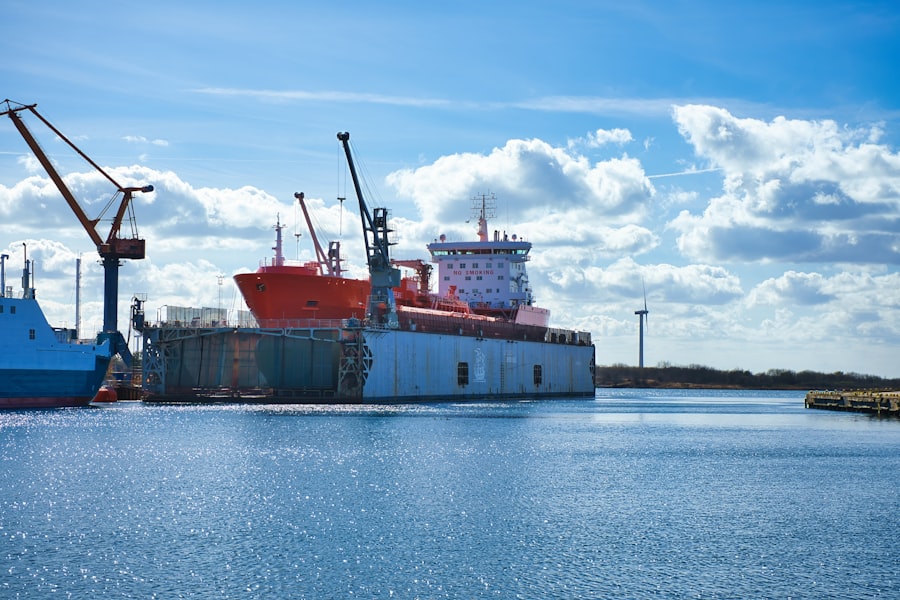
The growing awareness and regulatory pressures are fostering the development of alternative shipbreaking solutions outside of the traditional South Asian hubs. These alternatives are characterized by a commitment to environmental protection, worker safety, and the adoption of advanced recycling technologies.
Developed Nations as Recycling Hubs
European Union Member States
Several European countries are actively developing their ship recycling capabilities. Ports in countries like Germany, the Netherlands, and Spain are investing in advanced infrastructure and technologies to handle end-of-life vessels in a safe and environmentally sound manner. These facilities often employ specialized demolition techniques and advanced waste management systems.
Investment in Advanced Infrastructure
European nations are channeling significant financial resources into building state-of-the-art recycling facilities. This includes specialized dry docks, containment systems for hazardous materials, and sophisticated waste treatment plants. The focus is on creating a controlled environment where dismantling can occur with minimal environmental impact.
Adherence to Strict Environmental Standards
These facilities operate under the strict environmental regulations prevalent in the EU, ensuring that all waste materials are properly handled, treated, and disposed of, or recycled. This adherence to high standards is a key differentiator from the traditional practices.
Focus on Worker Safety Protocols
Worker safety is paramount in these European facilities. Comprehensive training programs, the mandatory use of personal protective equipment (PPE), and strict adherence to safety protocols significantly reduce the risk of accidents and occupational illnesses.
North America
North America, particularly Canada and the United States, is also exploring and developing its ship recycling capacity. While historically the focus has been on naval vessels and government-owned fleets, there is growing potential for commercial ship recycling.
Government Initiatives and Public Procurement
Government initiatives and the procurement of recycling services for national fleets can drive the development of specialized recycling yards. These programs often prioritize environmental and safety standards, setting a benchmark for the industry.
Technological Advancements in Dismantling
North American yards are embracing technological advancements in ship dismantling, including robotic cutting and precision demolition techniques, to enhance safety and efficiency. This reduces the need for manual labor in hazardous tasks.
Strict Regulatory Frameworks
The existing strong environmental and occupational safety regulations in North American countries provide a solid foundation for responsible ship recycling operations. These frameworks ensure that operations are conducted with due diligence and accountability.
Asia-Pacific Region
Beyond South Asia, other parts of the Asia-Pacific region are emerging as potential centers for responsible ship recycling, driven by a desire to move away from the problematic practices of their neighbors and capitalize on the growing global demand.
South Korea and Japan
These technologically advanced nations possess the engineering expertise and infrastructure to develop sophisticated recycling facilities. Their focus is on utilizing advanced technologies and adhering to international environmental standards.
High-Tech Demolition Techniques
South Korea and Japan are at the forefront of developing and implementing high-tech demolition techniques. This includes the use of specialized cutting equipment, containment systems, and advanced methods for recovering valuable materials.
Emphasis on Resource Recovery and Circular Economy Principles
These countries are increasingly focusing on maximizing resource recovery and applying circular economy principles to ship recycling. This means not just dismantling a ship, but also finding ways to reuse and recycle as much of its material as possible, minimizing waste.
Strict Environmental Monitoring and Compliance
Rigorous environmental monitoring and strict compliance with international and national regulations are hallmarks of these Asian-Pacific nations’ approach to ship recycling. This ensures accountability and minimizes ecological damage.
Australia
Australia, with its vast coastline and strong environmental ethos, is also exploring options for responsible ship recycling, particularly for its own aging naval and commercial fleets.
Development of Specialized Recycling Facilities
Australia is investing in the development of specialized recycling facilities capable of handling large vessels in an environmentally sound manner. This often involves the use of dry docks and controlled dismantling processes.
Focus on Indigenous Environmental Concerns
There is a growing awareness of the need to consider indigenous environmental concerns and ensure that recycling operations do not negatively impact culturally significant areas or traditional ecosystems.
Public-Private Partnerships
Public-private partnerships are being explored to fund and develop the necessary infrastructure and expertise for responsible ship recycling in Australia. This collaborative approach can accelerate progress and ensure the viability of such operations.
The Role of Technology and Innovation

Technological advancements are playing a pivotal role in creating safer and more sustainable shipbreaking alternatives. From advanced cutting tools to sophisticated waste management systems, innovation is key to overcoming the challenges of traditional methods.
Advanced Dismantling Techniques
Robotic Cutting and Demolition
Robotics and automated systems are being deployed to perform hazardous cutting and dismantling tasks. This removes workers from direct exposure to dangerous materials and environments, significantly improving safety.
Precision and Efficiency
Robotic systems offer greater precision and efficiency in dismantling, leading to faster processing times and reduced material waste. This can also contribute to higher recovery rates of valuable metals.
Minimizing Worker Exposure to Hazards
The primary benefit of robotics is the drastic reduction in human exposure to toxic substances, fumes, and the physical risks associated with manual demolition.
Onboard Inventory and Decontamination
Hazardous Material Inventories (HMIs)
The development and mandatory use of Hazardous Material Inventories (HMIs) onboard ships prior to recycling are crucial. This allows for the identification and quantification of all hazardous substances present, facilitating safe removal and disposal.
Pre-Planning for Safe Dismantling
HMIs enable recycling facilities to pre-plan the dismantling process, ensuring that hazardous materials are handled in a controlled and appropriate manner.
Facilitating Responsible Waste Management
With accurate HMI data, recycling yards can implement targeted waste management strategies, minimizing environmental contamination and ensuring proper disposal or treatment of hazardous waste.
Advanced Waste Management and Recycling
Closed-Loop Recycling Systems
The implementation of closed-loop recycling systems aims to minimize waste generation and maximize the recovery of valuable materials. This involves reintroducing recycled materials back into the manufacturing process.
Material Segregation and Processing
Sophisticated systems for segregating and processing different materials, such as metals, plastics, and insulation, are essential for efficient recycling.
Minimizing Environmental Footprint
By focusing on material recovery and reuse, these systems significantly reduce the overall environmental footprint of ship recycling.
As concerns about environmental sustainability and worker safety continue to rise, many are exploring alternatives to traditional South Asian shipbreaking yards. One insightful article discusses innovative practices in ship recycling that prioritize eco-friendly methods and improved labor conditions. For those interested in learning more about these alternatives, you can read the article here. This exploration highlights the potential for more responsible ship dismantling processes that could reshape the industry for the better.
Moving Forward: The Future of Responsible Ship Recycling
| Alternative | Advantages | Disadvantages |
|---|---|---|
| European Shipbreaking Yards | Strict environmental regulations, safer working conditions | Higher labor and operational costs |
| Turkish Shipbreaking Yards | Lower labor and operational costs | Less stringent environmental regulations |
| Chinese Shipbreaking Yards | Lower labor and operational costs | Potential environmental and safety concerns |
The transition away from unsafe and environmentally damaging shipbreaking practices in South Asia is not just an ethical imperative; it is a necessary step towards a more sustainable and responsible global maritime industry. This shift requires concerted efforts from shipowners, regulators, technology providers, and the international community.
The Responsibility of Shipowners
Shipowners bear a significant responsibility in driving this change. By prioritizing certified and compliant recycling facilities, they send a clear market signal that safety and sustainability are paramount.
Due Diligence in Selecting Recycling Yards
Shipowners must conduct thorough due diligence to ensure that their chosen recycling yards adhere to the highest safety and environmental standards, moving beyond purely cost-driven decisions.
Investing in Sustainable Decommissioning Practices
Investing in more sustainable decommissioning practices, including early planning and the removal of hazardous materials at sea, can further enhance the safety and environmental integrity of the recycling process.
Supporting the Development of New Recycling Hubs
Actively supporting the development and growth of responsible ship recycling hubs outside of traditional areas will be crucial in creating a viable global network of safe and sustainable options.
The Role of International Regulations and Enforcement
Robust international regulations and effective enforcement mechanisms are essential to level the playing field and ensure that responsible practices become the global norm.
Strengthening and Enforcing International Conventions
The timely ratification and rigorous enforcement of conventions like the Hong Kong Convention are vital. This includes mechanisms to monitor compliance and penalize non-adherence.
Collaborative Efforts Between Nations
International cooperation between nations is necessary to share best practices, provide technical assistance, and ensure that global standards are met. This collaboration can help developing nations build the capacity for responsible recycling.
Transparency and Accountability
Promoting transparency in ship recycling operations and holding all stakeholders accountable for their environmental and social impact is critical for building trust and driving continuous improvement.
The Growing Market for Green Ship Recycling
As awareness grows and regulations tighten, the market for green ship recycling is set to expand. This presents opportunities for companies and countries willing to invest in the necessary infrastructure and expertise.
Consumer and Investor Demand
Increasing demand from environmentally conscious consumers and investors will put further pressure on the shipping industry to adopt more sustainable practices throughout a vessel’s lifecycle.
Economic Opportunities in Sustainable Recycling
The development of responsible ship recycling facilities can create new economic opportunities, generating jobs and fostering innovation in regions committed to ethical and sustainable practices.
A Paradigm Shift in the Maritime Industry
Ultimately, the exploration of alternatives to South Asian shipbreaking yards signifies a paradigm shift in the maritime industry. It marks a move towards a future where the end-of-life of a vessel is managed with the same care and consideration for people and the planet as its construction and operation. This transition, while challenging, is essential for the long-term health of our oceans, the well-being of coastal communities, and the ethical integrity of global trade.

The Beaches Global Trade Can’t Afford to Lose
FAQs
1. What are the environmental concerns associated with South Asian shipbreaking yards?
South Asian shipbreaking yards are known for their poor environmental practices, including the release of hazardous materials into the surrounding environment, such as heavy metals and asbestos. This has led to significant pollution and health risks for workers and local communities.
2. What are some alternatives to South Asian shipbreaking yards?
Some alternatives to South Asian shipbreaking yards include using advanced technologies for ship recycling, such as cold cutting and containment methods to minimize environmental impact. Additionally, there are efforts to establish ship recycling facilities in other regions with stricter environmental regulations.
3. How do South Asian shipbreaking yards impact worker safety?
South Asian shipbreaking yards have been associated with poor working conditions and safety standards, leading to high rates of accidents and fatalities among workers. This has raised concerns about the need for improved safety measures and regulations in the industry.
4. What are the economic implications of alternatives to South Asian shipbreaking yards?
While there may be initial costs associated with implementing alternatives to South Asian shipbreaking yards, such as investing in advanced technologies and infrastructure, there are potential long-term economic benefits. This includes creating safer and more sustainable working environments, as well as reducing the environmental and health-related costs associated with traditional shipbreaking practices.
5. What are some international efforts to address the issues associated with South Asian shipbreaking yards?
There are international efforts, such as the Hong Kong International Convention for the Safe and Environmentally Sound Recycling of Ships, aimed at establishing global standards for ship recycling. Additionally, organizations and industry stakeholders are working to promote sustainable and responsible ship recycling practices worldwide.