The North Sea, a vast expanse of churning grey waters and formidable weather, is increasingly being recognized not just as a historical maritime artery, but as a boundless reservoir of clean energy. As global efforts to combat climate change intensify, the expansion of offshore wind energy in the North Sea stands as a testament to human ingenuity and our growing capacity to harness the raw, untamed power of nature. This ambition, once a nascent concept, is rapidly maturing into a cornerstone of Europe’s energy transition, promising to reshape coastlines, economies, and the very fabric of our energy systems.
The North Sea’s strategic location and inherent meteorological characteristics make it an ideal candidate for large-scale offshore wind development. The consistent and often strong winds that sweep across its surface translate into a reliable and potent source of renewable energy. Moreover, the relatively shallow waters in many areas facilitate the installation and maintenance of wind turbines, making the economic case for offshore wind increasingly compelling.
A Windy Canvas: The Meteorological Advantage
The prevailing westerly winds over the North Atlantic, channeled and amplified by the geography of the region, provide a near-constant stream of kinetic energy. Unlike onshore wind farms, which can be subject to more localized weather patterns and obstructions, the open expanse of the North Sea offers a more consistent and predictable wind resource. This consistency is crucial for grid stability and for maximizing the energy output from installed turbines. Studies consistently highlight the North Sea’s superior wind speeds and lower variability compared to many other potential offshore wind locations globally.
Shallow Waters, Deep Opportunities: The Seabed Suitability
A significant portion of the North Sea floor features depths suitable for the installation of fixed-bottom wind turbines. These structures, anchored directly to the seabed, are generally more cost-effective to build and maintain than their floating counterparts, although the latter are becoming increasingly important for deeper waters. The geological stability of many North Sea areas further supports the development of robust and long-lasting wind farm infrastructure.
Proximity to Demand: Bridging the Gap
Crucially, the North Sea’s proximity to densely populated and industrialized areas of Northern Europe, including the UK, Germany, the Netherlands, Belgium, and Denmark, offers a significant advantage. This allows for efficient transmission of the generated electricity to where it is most needed, minimizing transmission losses and the need for extensive new grid infrastructure over vast distances. This geographical synergy streamlines the entire energy supply chain.
The expansion of wind energy in the North Sea is a critical step towards achieving sustainable energy goals in Europe. For those interested in exploring this topic further, a related article can be found at MyGeoQuest, which discusses the latest developments and future prospects of offshore wind farms in the region. This resource provides valuable insights into the technological advancements and environmental considerations associated with this growing sector.
Driving the Transition: The Economic and Environmental Imperatives
The expansion of North Sea wind energy is not merely an environmental aspiration; it is a potent economic driver and a vital component of global decarbonization strategies. The shift away from fossil fuels is imperative to mitigate the devastating impacts of climate change, and offshore wind is a leading solution.
Charting a Course to Net-Zero: Decarbonization at Scale
The urgent need to reduce greenhouse gas emissions and achieve ambitious net-zero targets is the primary catalyst for the rapid growth of offshore wind. Replacing fossil fuel-based power generation with clean, renewable electricity from the North Sea is a direct and impactful way to slash carbon footprints. Each megawatt-hour of wind-generated electricity displaces a comparable amount of electricity that would otherwise be produced from coal, gas, or oil.
Fueling Economies: Job Creation and Investment
The development, construction, operation, and maintenance of large-scale offshore wind farms create a significant number of skilled jobs. This includes roles in engineering, manufacturing, logistics, maritime services, and specialized technical fields. The investment flowing into these projects stimulates economic activity, fosters innovation, and can revitalize coastal communities. Furthermore, the establishment of robust supply chains for offshore wind components and services creates long-term economic sustainability.
Energy Security and Independence: A Strategic Advantage
Reliance on imported fossil fuels can expose nations to geopolitical risks and price volatility. By developing domestic renewable energy sources like offshore wind, countries can enhance their energy security and achieve greater independence from external energy markets. The North Sea’s abundant wind resource offers a pathway to a more resilient and self-sufficient energy future.
The Technological Frontier: Innovation Driving Expansion
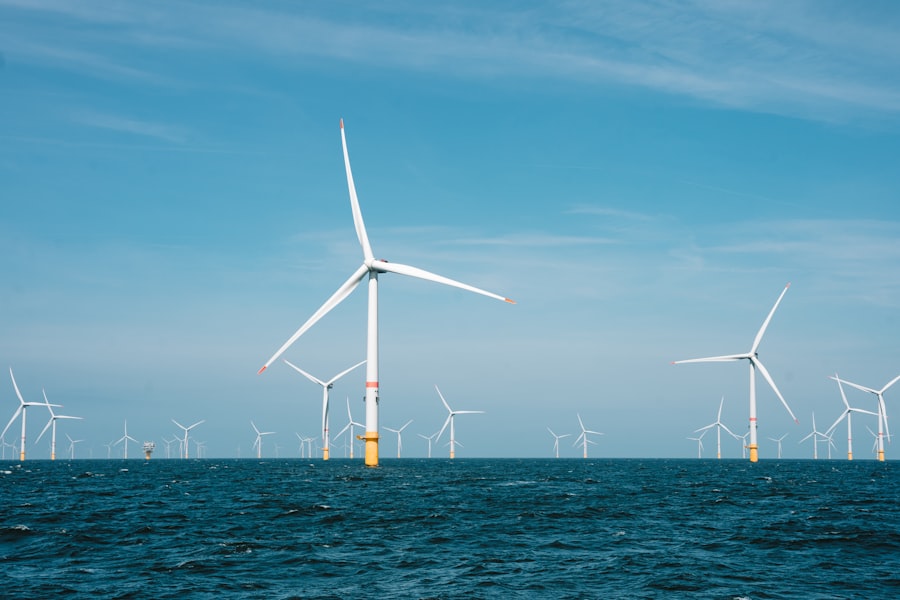
The offshore wind industry is a hotbed of technological innovation, constantly pushing the boundaries of what is possible. From the design of turbines to the methods of installation and the integration of power into the grid, advancements are continually making offshore wind more efficient, cost-effective, and sustainable.
Bigger, Better, and Smarter Turbines: The Evolution of Rotor Blades
The size and efficiency of wind turbines have seen dramatic increases in recent decades. Modern offshore turbines boast rotor diameters exceeding 200 meters, with individual blades longer than a football field. These larger turbines capture more wind energy and generate more power, reducing the overall number of turbines needed for a given capacity and thereby optimizing space and cost. Innovations in blade design, materials, and aerodynamic efficiency continue to enhance performance.
Floating Foundations: Unlocking Deeper Waters
As shallower areas become saturated or are designated for other uses, the industry is increasingly looking to deeper waters. This is where floating offshore wind technology comes into play. Instead of being fixed to the seabed, turbines are mounted on buoyant structures that can be anchored to the seafloor. This revolutionary approach opens up vast new areas of the North Sea for wind energy development, significantly expanding the potential resource.
Advanced Grid Integration: Smart Solutions for a Dynamic Grid
Integrating the intermittent power generated by wind farms into the national grid requires sophisticated solutions. This includes the development of advanced grid management systems, energy storage technologies (such as batteries), and interconnector cables that allow for the sharing of electricity between different countries. These innovations ensure grid stability and the reliable delivery of clean energy to consumers.
Digitalization and AI: Optimizing Performance and Maintenance
The application of digital technologies, including artificial intelligence (AI) and the Internet of Things (IoT), is transforming the operation and maintenance of offshore wind farms. Sensors on turbines collect vast amounts of data, which can be analyzed to predict potential failures, optimize performance, and schedule maintenance proactively. This leads to increased uptime, reduced operational costs, and extended turbine lifespan.
Navigating the Challenges: Overcoming Obstacles to Growth
Despite the immense potential and ongoing progress, the expansion of North Sea wind energy is not without its challenges. Addressing these hurdles is crucial for realizing the full promise of this renewable energy source.
Environmental Considerations: Balancing Progress and Preservation
The construction and operation of offshore wind farms can have environmental impacts, including effects on marine life, bird populations, and seabed ecosystems. Careful planning, rigorous environmental impact assessments, and the implementation of mitigation measures are essential to minimize these impacts. This includes measures to reduce noise pollution during construction, design turbines to minimize bird strikes, and manage the potential for habitat alteration.
Maritime and Visual Impact: Coexisting with Other Users
The North Sea is a busy maritime space, with fishing fleets, shipping lanes, and potential military activities. Careful spatial planning is required to ensure safe coexistence and to minimize conflicts with other sea users. The visual impact of large wind farms on coastal landscapes is also a consideration, and design choices and siting decisions play a role in mitigating these concerns.
Grid Infrastructure and Connection: The Transmission Bottleneck
While the proximity to demand is an advantage, the existing grid infrastructure often needs significant upgrades to accommodate the massive influx of renewable energy. Building new high-voltage direct current (HVDC) transmission lines, both onshore and offshore, is a substantial undertaking that requires significant investment and time. Ensuring that the grid can absorb and distribute the generated power efficiently is a critical challenge.
Permitting and Regulatory Frameworks: Streamlining the Process
The complex web of permits and regulations governing offshore wind development can be a lengthy and bureaucratic process. Streamlining these processes while maintaining robust environmental and safety standards is essential to accelerate project deployment. Clear and consistent policy frameworks are vital to attract investment and provide certainty to developers.
Supply Chain Capacity and Workforce Development: Meeting the Demand
The rapid expansion of offshore wind requires a commensurate growth in the supply chain and a skilled workforce. Ensuring that manufacturing capacity can keep pace with demand and that there are sufficient trained personnel to build, operate, and maintain these complex installations is a significant challenge. Investment in education and training programs is vital.
The recent push for North Sea wind energy expansion has garnered significant attention, particularly in light of its potential to contribute to sustainable energy goals across Europe. This initiative is not only aimed at increasing renewable energy production but also at fostering economic growth in coastal regions. For those interested in exploring the broader implications of this development, a related article discusses the environmental and economic impacts of offshore wind farms in detail. You can read more about it here.
The Future Horizon: A Vision for a Wind-Powered North Sea
| Year | Number of Wind Farms | Installed Capacity (MW) |
|---|---|---|
| 2010 | 45 | 2,964 |
| 2015 | 53 | 4,459 |
| 2020 | 62 | 7,760 |
The trajectory of offshore wind development in the North Sea points towards a future where this dynamic region plays an even more pivotal role in Europe’s energy landscape. The ambition is not just to expand capacity, but to integrate wind power intelligently and sustainably.
Supersized Projects and Cross-Border Collaboration: The Rise of Energy Islands
The concept of “energy islands” is emerging as a visionary approach to consolidating offshore wind power. These artificial or repurposed platforms can serve as hubs for multiple wind farms, stepping stones for electricity transmission, and potentially even centers for green hydrogen production. Furthermore, enhanced cross-border collaboration and the development of super-grids will enable more efficient and resilient energy systems, allowing for the sharing of wind power across Europe.
Green Hydrogen Production: A New Frontier for Offshore Wind
The abundance of clean electricity generated by North Sea wind farms is increasingly being harnessed to produce green hydrogen through electrolysis. This hydrogen can serve as a clean fuel for transportation, industry, and even for power generation, offering a versatile solution for decarbonizing sectors that are difficult to electrify directly. Offshore wind farms can become integrated energy systems, producing both electricity and green hydrogen.
Innovation in Offshore Technologies: Embracing the Next Generation
The pursuit of even more efficient and sustainable offshore wind solutions continues. This includes research into advanced materials, novel turbine designs, and innovative installation techniques. The development of smaller, modular floating turbines for more challenging environments and the integration of offshore wind with other marine activities, such as aquaculture, are areas of ongoing exploration.
A Legacy of Sustainability: Powering a Cleaner Tomorrow
The expanding North Sea wind energy sector is more than just an industrial undertaking; it represents a commitment to a sustainable future. By harnessing the immense power of nature, Europe is taking a bold step towards energy independence, economic prosperity, and a cleaner planet for generations to come. The North Sea, once a symbol of stormy voyages and historical trade, is transforming into a beacon of renewable energy, illuminating the path towards a greener, more secure energy future. The ongoing expansion is a testament to human ingenuity and our capacity to work in harmony with the natural world to create a truly sustainable energy system.

The Dangerous Sea Europe Can’t Live Without
FAQs
What is the current status of wind energy expansion in the North Sea?
The North Sea is a major hub for offshore wind energy, with numerous wind farms already in operation. The region is experiencing significant growth in wind energy expansion, with plans for new projects and increased capacity in the coming years.
What are the benefits of expanding wind energy in the North Sea?
Expanding wind energy in the North Sea offers several benefits, including reducing carbon emissions, creating jobs, and contributing to energy security. It also helps to diversify the energy mix and reduce reliance on fossil fuels.
What are the challenges associated with expanding wind energy in the North Sea?
Challenges related to expanding wind energy in the North Sea include technical and logistical issues, such as the construction and maintenance of offshore wind farms, as well as potential environmental impacts on marine ecosystems and wildlife.
What are some of the key projects driving wind energy expansion in the North Sea?
Several key projects are driving wind energy expansion in the North Sea, including the development of large-scale offshore wind farms, the installation of advanced wind turbine technology, and the construction of new transmission infrastructure to connect offshore wind farms to the onshore grid.
What is the outlook for future wind energy expansion in the North Sea?
The outlook for future wind energy expansion in the North Sea is positive, with continued investment and development of new projects expected in the coming years. This expansion is part of broader efforts to transition to a more sustainable and low-carbon energy system.