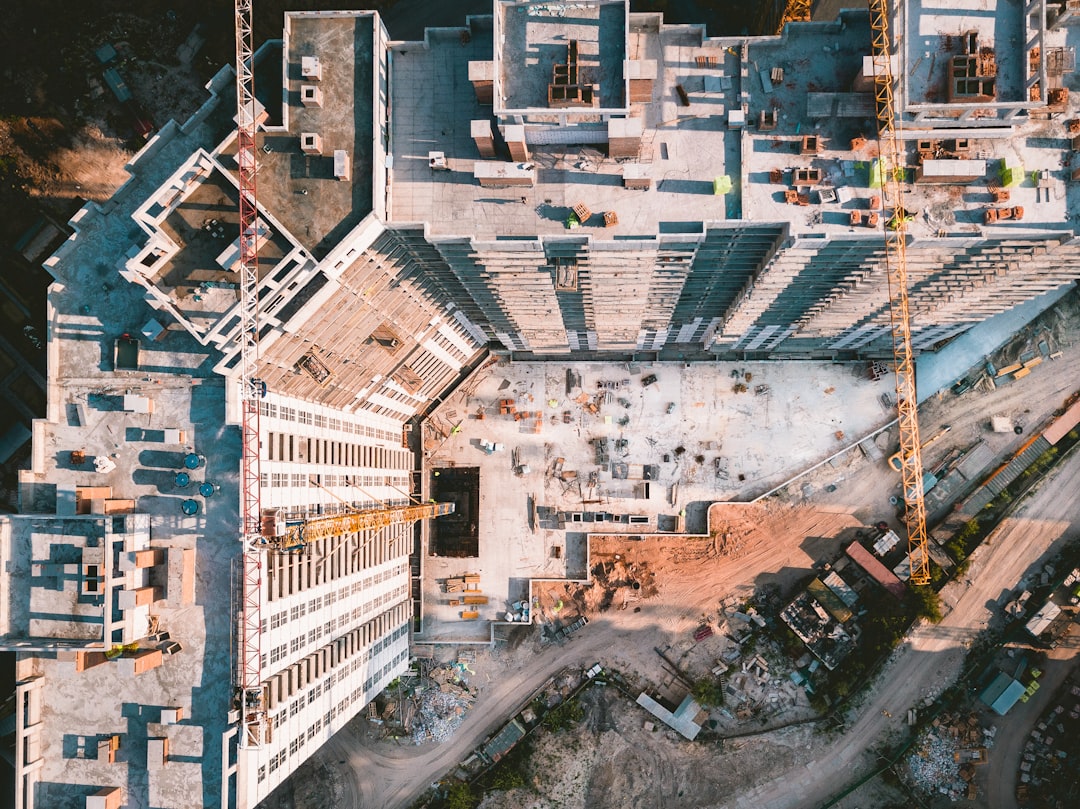
The evolution of Japan’s urban landscape is a profound narrative, shaped by millennia of cultural introspection, technological ambition, and a constant dance with both natural and man-made forces. From its early settlements to its hyper-modern metropolises, Japan’s cities offer a compelling case study in adaptation, resilience, and aesthetic sensibility. The transformation is not merely functional; it is a deeply embedded expression of Japanese identity, its historical trajectory, and its aspirations for the future.
The earliest hints of urban development in Japan can be traced back to the Jōmon period (c. 14,000 – 300 BCE), characterized by semi-sedentary hunter-gatherer communities. While not “cities” in the modern sense, these clusters of pit dwellings, often found in fertile river valleys or along coastlines, represent the nascent stages of organized settlement. The discovery of pottery and later, agricultural practices, particularly rice cultivation introduced from the continent, led to a more settled lifestyle and the emergence of larger, more permanent villages. These early settlements laid the groundwork for the more complex societal structures that would follow.
Yayoi Migrations and Continental Influence
The Yayoi period (c. 300 BCE – 300 CE) witnessed a significant influx of people and ideas from the Korean peninsula and mainland China. This era brought advanced agricultural techniques, metalworking (bronze and iron), and the beginnings of social stratification. Settlements grew in size and complexity, with fortifications appearing around some, suggesting the presence of chieftains and rudimentary political structures. These villages, often organized around rice paddies, began to exhibit a more planned layout, with houses and communal structures arranged with a degree of order. The influence of continental models, though adapted to local conditions, is undeniable in this period of formative settlement.
The Rise of the Kofun Era Capitals
The Kofun period (c. 300 – 538 CE) is distinguished by the construction of massive tomb mounds (kofun) for the ruling elite. Accompanying these monumental burial sites were increasingly sophisticated settlements that served as administrative and ceremonial centers. Cities like Asuka began to emerge as centers of political power, boasting palaces, temples, and aristocratic residences. This period saw the adoption of writing systems and the consolidation of early state power, leading to the development of more formalized urban planning, albeit influenced by Chinese models. The layout of these early capitals, often rectangular and grid-like, reflects the ongoing cultural exchange with China, a pattern that would continue to shape Japanese urbanism for centuries to come.
Japan’s urban development history is a fascinating journey that reflects the country’s rapid modernization and unique cultural evolution. For those interested in exploring this topic further, a related article can be found at this link, which delves into the significant milestones and transformations that have shaped Japan’s cities over the years. From the Edo period’s intricate urban planning to the post-war reconstruction efforts, the article provides valuable insights into the factors that have influenced Japan’s urban landscape.
The Imperial Court and Heian-kyō’s Legacy
The establishment of Heian-kyō (Kyoto) as the imperial capital in 794 CE marked a pivotal moment in the evolution of Japan’s urban landscape. Modeled on the Tang Dynasty Chinese capital of Chang’an, Heian-kyō was designed as a grand, grid-patterned city, reflecting the utopian ideals of Buddhist cosmology and imperial authority. Spanning an impressive area, it featured wide, straight avenues, a central imperial palace, and distinct districts for aristocrats, merchants, and artisans. This meticulously planned city embodied the sophisticated culture and centralized power of the Heian period (794 – 1185).
The Elegance of Heian Aesthetics
Heian-kyō was more than just a seat of power; it was a canvas for the artistic and aesthetic sensibilities of the era. Aristocratic residences, known

Why Japan Can’t Build Another Tokyo
FAQs
1. What is the history of urban development in Japan?
Japan’s urban development can be traced back to the Edo period (1603-1868) when the country experienced rapid urbanization and the growth of major cities such as Edo (modern-day Tokyo) and Osaka. The Meiji Restoration in the late 19th century further accelerated urban development as Japan modernized and industrialized.
2. How did urban development change during the post-World War II period in Japan?
After World War II, Japan experienced a period of rapid economic growth and urbanization. The government implemented various urban planning and development policies to accommodate the growing population and expanding economy. This led to the construction of modern infrastructure, high-rise buildings, and efficient transportation systems in major cities.
3. What are some key features of Japan’s urban development today?
Today, Japan’s urban development is characterized by a mix of traditional and modern architecture, efficient public transportation systems, and densely populated urban areas. The country continues to prioritize sustainable and resilient urban planning, as well as the preservation of historical and cultural landmarks within its cities.
4. How has Japan’s urban development influenced its society and culture?
Japan’s urban development has significantly influenced its society and culture. The country’s cities are known for their unique blend of traditional and contemporary elements, as well as their efficient and orderly urban environments. Urbanization has also shaped various aspects of Japanese lifestyle, including housing, transportation, and work culture.
5. What are some challenges and future prospects for urban development in Japan?
Challenges for urban development in Japan include an aging population, declining birth rates, and the need for sustainable urban planning to address environmental concerns. The country is also exploring innovative solutions such as smart city initiatives and mixed-use developments to create more livable and resilient urban spaces for the future.