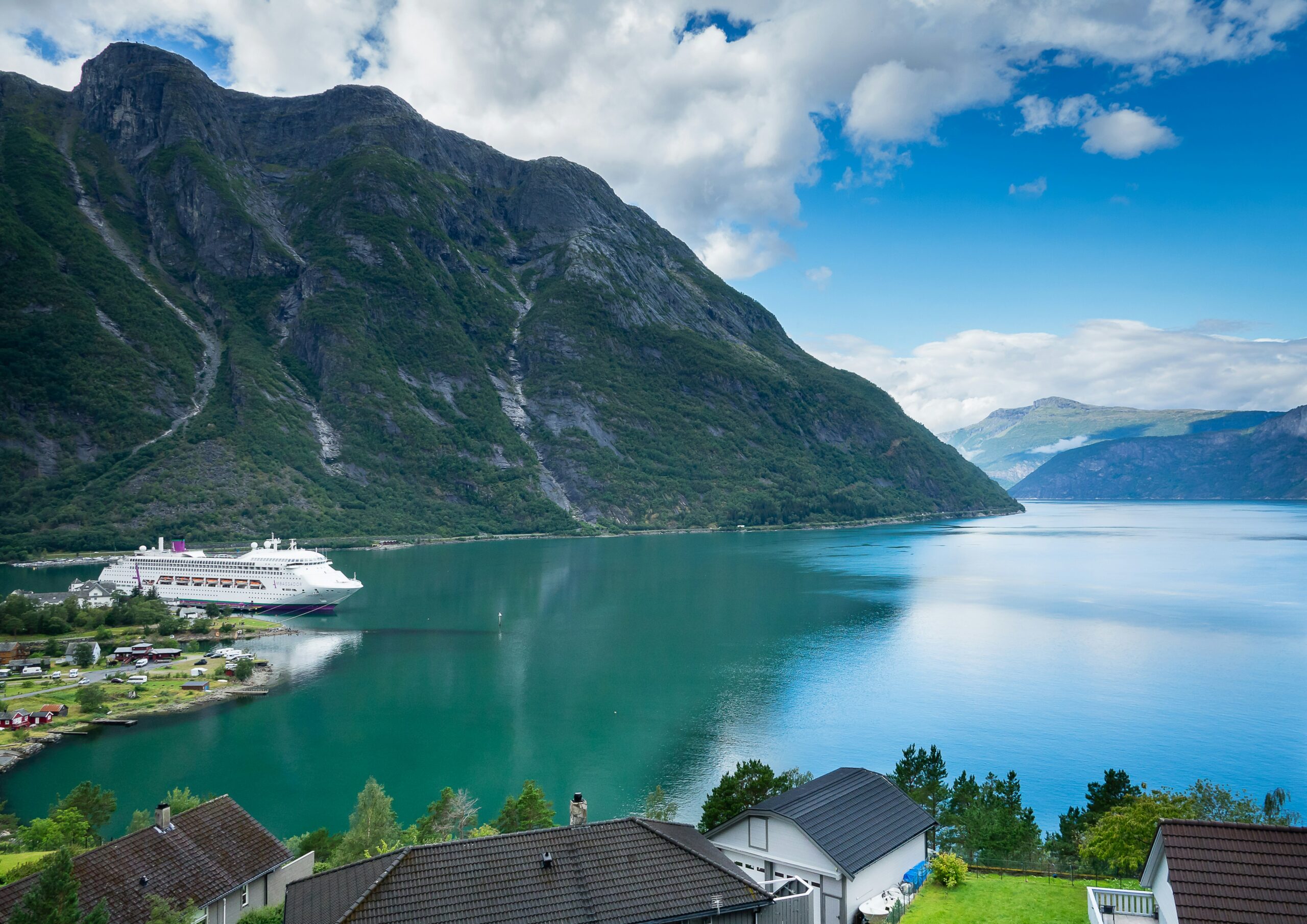
Europe’s Growing Dependency on Norwegian Gas
The intricate dance of global energy markets has placed Norway, a nation synonymous with fjords and the aurora borealis, at the forefront of European energy security. In recent years, the continent has witnessed a dramatic and accelerating reliance on Norwegian natural gas, a trend deeply intertwined with geopolitical shifts and the ongoing transition away from other energy sources. This burgeoning dependency is a multifaceted phenomenon, presenting both opportunities and considerable vulnerabilities for Europe, with Norway finding itself in an unprecedented position of influence and responsibility.
For decades, Europe’s energy mix has been in a constant state of evolution. While renewable energy sources have steadily gained traction, the continent’s industrial backbone and heating needs have continued to demand a significant and reliable supply of fossil fuels. Historically, this demand was largely met by a diverse range of suppliers, including Russian gas, coal from various sources, and domestic production. However, a confluence of factors has fundamentally reshaped this landscape.
The Russian Factor and its Repercussions
The most significant catalyst for Europe’s increased reliance on Norwegian gas has undoubtedly been the erosion of its long-standing energy relationship with Russia. The full-scale invasion of Ukraine in February 2022 exposed the strategic vulnerabilities inherent in such a deeply entrenched dependency.
The Weaponization of Energy
Prior to the invasion, Russia had been Europe’s largest supplier of natural gas, a relationship that offered both economic benefits and significant geopolitical leverage. Moscow repeatedly demonstrated its willingness to use energy as a political tool, leveraging supply disruptions and pricing mechanisms to exert influence over European nations. This inherent risk became starkly apparent as tensions escalated.
The Swift Pivot Away from Russian Supplies
In response to the invasion and the subsequent imposition of sanctions against Russia, European nations embarked on an urgent and ambitious quest to diversify their energy sources. This involved a rapid reduction in imports of Russian gas, a move that sent shockwaves through the energy markets and created a substantial supply deficit that needed to be filled.
The Rise of Renewables and the Gas Bridge
The ambitious European Green Deal aims to achieve climate neutrality by 2050, driving significant investment in renewable energy sources such as solar and wind power. While these sources are crucial for long-term decarbonization, their intermittent nature means that they cannot solely meet Europe’s energy demands, particularly during periods of low generation or high demand.
The Role of Natural Gas as a Transition Fuel
Natural gas, with its lower carbon emissions compared to coal and oil, has been widely considered a “transition fuel” – a necessary component to bridge the gap between current fossil fuel reliance and a fully renewable energy future. Its ability to be dispatched quickly and reliably makes it an ideal complement to intermittent renewables, providing stability to the grid.
Challenges in Renewable Integration
Despite substantial progress, the widespread integration of renewables into the European energy system still faces significant technical and infrastructural challenges. This includes grid modernization, energy storage solutions, and ensuring a consistent baseload power supply, all of which highlight the ongoing need for flexible and dispatchable energy sources like natural gas.
Europe’s increasing dependence on Norwegian gas has become a significant topic of discussion, especially in light of the ongoing energy transition and geopolitical tensions. As countries seek to diversify their energy sources, Norway has emerged as a key player in supplying natural gas to the continent. For a deeper understanding of this dynamic and its implications for Europe’s energy security, you can read a related article at this link.
Norway’s Strategic Position as a Gas Superpower
In this evolving energy matrix, Norway has emerged as an indispensable pillar of European energy security. Its vast offshore gas reserves and established infrastructure have positioned the country as the continent’s most reliable and significant supplier of natural gas.
The Scale of Norwegian Gas Production
Norway boasts the largest proven natural gas reserves in Western Europe. Its offshore fields, primarily located in the North Sea and the Barents Sea, are meticulously developed and operated, ensuring a consistent and substantial flow of gas to the European market.
Mature and Efficient Production Infrastructure
Decades of investment have resulted in a highly sophisticated and efficient gas production and transportation network. The extensive network of subsea pipelines, processing plants, and terminals ensures that Norwegian gas can be delivered to European consumers reliably and at scale.
Commitment to Long-Term Supply Contracts
Norwegian energy companies have historically maintained a policy of fostering long-term supply relationships with European entities. This has provided a degree of stability and predictability for both producers and consumers, a stark contrast to the more volatile and politically influenced supply from other sources.
The Impact of the Ukraine War on Norwegian Exports
The cessation of significant Russian gas flows to Europe in the wake of the Ukraine war had an immediate and profound impact on Norway’s export volumes. Suddenly, Norway became the primary, and often only, significant alternative supplier for many European nations.
Increased Demand and Price Premiums
The heightened demand, coupled with the reduced availability of other gas sources, led to unprecedented price spikes for natural gas. Norway, as a reliable supplier, found itself in a position to benefit from these elevated prices, though this also brought increased scrutiny and responsibility.
Strategic Importance and Political Pressure
Norway’s role shifted from that of a significant energy producer to a crucial strategic partner for European security. This placed the country under intense political pressure to maximize production and ensure uninterrupted supply, even as it grappled with its own domestic energy considerations and environmental commitments.
The Economic and Political Implications for Europe

Europe’s growing dependency on Norwegian gas carries significant economic and political ramifications. While it offers a crucial lifeline for energy security, it also introduces new dependencies and potential vulnerabilities.
As Europe continues to grapple with energy security, its dependence on Norwegian gas has become increasingly significant. The region’s reliance on this resource is highlighted in a recent article that explores the implications of such dependence for both energy policy and geopolitical dynamics. For a deeper understanding of this critical issue, you can read more in the article available at My Geo Quest. This analysis sheds light on how Norway’s role as a key supplier may shape the future of energy in Europe amidst ongoing challenges.
Enhanced Energy Security and Reduced Geopolitical Risk
The most immediate benefit of increased reliance on Norwegian gas is a significant reduction in geopolitical risk associated with energy supplies. By diversifying away from a single, politically volatile supplier, Europe can enhance its overall energy security and reduce its susceptibility to external pressures.
Diversification as a Strategic Imperative
The drive to diversify has been a long-standing goal for many European nations. Norway’s capacity to meet a substantial portion of this diversified demand has been instrumental in achieving this strategic imperative, offering a more balanced and resilient energy portfolio.
Reduced Leverage for Aggressive Regimes
By lessening its dependence on countries willing to weaponize energy, Europe can reduce the leverage that such regimes hold over its economies and political decision-making processes. This fosters greater autonomy and strengthens the continent’s ability to act independently on the global stage.
The Economic Burden of Higher Gas Prices
While Norway has been a dependable supplier, the elevated global gas prices, significantly influenced by the demand surge, have placed a considerable economic burden on European consumers and industries. This has contributed to inflationary pressures and concerns about economic competitiveness.
Impact on Households and Industrial Competitiveness
Higher energy costs translate directly into increased expenses for households, affecting living standards. For industries, particularly energy-intensive sectors, these costs can erode competitiveness, potentially leading to production cutbacks or relocation.
The Challenge of Affordability
Ensuring the affordability of energy remains a paramount concern for European governments. While securing supply is critical, the economic fallout from high prices necessitates careful consideration of social support mechanisms and long-term strategies to mitigate the impact.
The Evolving Relationship Between Norway and the EU
The increased dependency has inevitably shaped the relationship between Norway and the European Union. While Norway is not a member of the EU, its energy exports make it a de facto, and increasingly important, energy partner.
Norway’s Influence in European Energy Debates
Norway’s substantial role in providing gas has given it a more prominent voice in European energy policy discussions. Its perspectives on production, infrastructure, and the future of gas are now more closely considered by EU policymakers.
The “Europeanization” of Norwegian Energy Policy
In some respects, Norway’s energy policy is becoming increasingly “Europeanized,” as it aligns its production and export strategies with the energy security needs and climate objectives of the continent. This involves a delicate balancing act between national interests and broader European requirements.
Challenges and Future Outlook
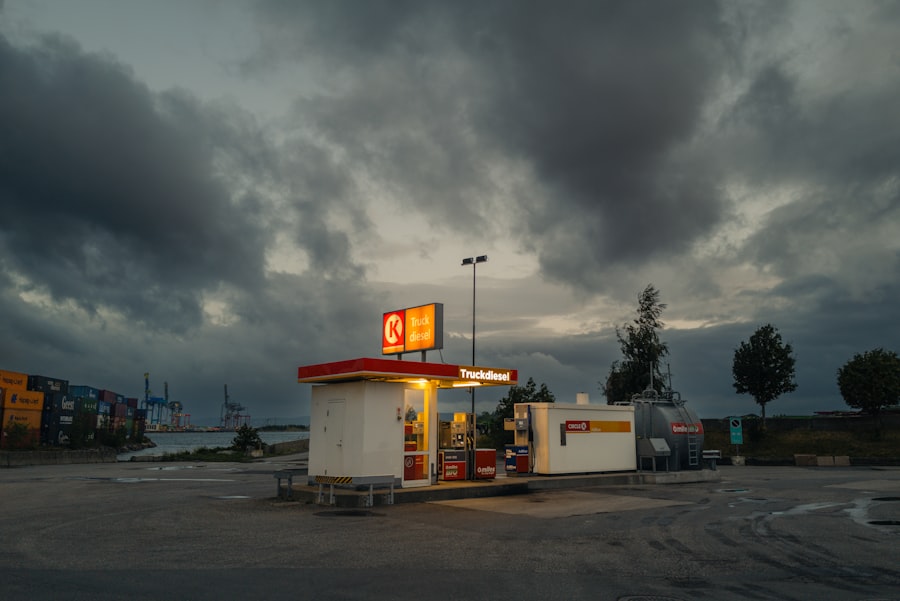
The current situation is not without its challenges, and the long-term outlook for Europe’s reliance on Norwegian gas is subject to a complex interplay of factors.
Infrastructure Limitations and Bottlenecks
While Norway possesses significant production capacity, the physical infrastructure for transporting gas to all corners of Europe can present bottlenecks. Expanding and upgrading pipelines and regasification terminals is a costly and time-consuming undertaking.
The Need for Continued Investment in Transmission Networks
Ensuring that the existing transmission networks are adequately robust and that new interconnections can be developed is crucial to facilitate the flow of Norwegian gas to where it is most needed. This requires significant investment and coordinated planning across multiple countries.
The Role of Liquefied Natural Gas (LNG) Terminals
The development and expansion of LNG import terminals across Europe are also vital. These terminals allow for the import of gas from diverse global sources, including Norway (via LNG shipments), and can help to alleviate some of the infrastructure constraints associated with pipeline gas.
Environmental Considerations and Decarbonization Goals
The continued reliance on natural gas, even as a transition fuel, raises questions about Europe’s long-term decarbonization goals. The climate impact of gas extraction, transportation, and combustion remains a significant concern.
The Balancing Act Between Security and Climate Objectives
European policymakers face a difficult balancing act between ensuring immediate energy security and achieving ambitious climate targets. The role of gas in this transition is a subject of ongoing debate and strategic recalibration.
The Long-Term Viability of Gas in a Decarbonized Future
The ultimate aim is a fully decarbonized energy system. The question remains about how long natural gas will play a significant role and what measures will be in place to mitigate its environmental impact during this transition. This includes exploring technologies like carbon capture and storage (CCS).

The Dangerous Sea Europe Can’t Live Without
FAQs
What is the current level of Europe’s dependence on Norwegian gas?
Europe depends on Norwegian gas for approximately 25% of its total gas supply, making Norway the second largest supplier of natural gas to Europe after Russia.
How does Norway’s gas supply contribute to Europe’s energy security?
Norway’s gas supply plays a crucial role in diversifying Europe’s energy sources, reducing its reliance on a single supplier, and enhancing energy security in the region.
What are the main reasons for Europe’s reliance on Norwegian gas?
Europe’s reliance on Norwegian gas is primarily due to the country’s significant reserves, stable political environment, and reliable infrastructure for gas transportation.
How does Europe’s dependence on Norwegian gas impact energy prices in the region?
Europe’s dependence on Norwegian gas helps to stabilize energy prices by providing a consistent and reliable source of supply, which can mitigate the impact of price fluctuations in the global gas market.
What are the potential challenges or risks associated with Europe’s dependence on Norwegian gas?
Potential challenges or risks associated with Europe’s dependence on Norwegian gas include geopolitical tensions that could impact gas supply, as well as the need to diversify energy sources to ensure long-term energy security.