
Europe stands at a pivotal juncture in its energy narrative. Decades of reliance on fossil fuels have brought the continent both economic prosperity and significant environmental vulnerability. The urgent imperative of climate change, coupled with geopolitical shifts that have highlighted the fragility of traditional energy supply chains, has propelled Europe toward a necessary and ambitious transformation. The continent’s energy future, therefore, is not merely a matter of secure supply or economic competitiveness; it is fundamentally about building a sustainable, resilient, and equitable system that can power prosperity for generations to come. This transition is a multifaceted undertaking, demanding innovation, investment, policy reform, and a collective societal commitment.
Europe’s pursuit of a sustainable energy future rests on a foundational set of interconnected pillars. These pillars are designed to systematically dismantle reliance on carbon-intensive sources while fostering the growth of cleaner, more reliable alternatives. The strategic integration of these elements is crucial for achieving the ambitious targets set forth by the European Union and its member states.
Decarbonization: The Central Objective
The overarching goal of Europe’s energy strategy is the deep decarbonization of its economy. This means drastically reducing greenhouse gas emissions, with a particular focus on the energy sector, which is a primary contributor to atmospheric pollutants. The commitment to net-zero emissions by 2050, enshrined in the European Climate Law, serves as the ultimate benchmark for all policy and investment decisions.
Renewable Energy Dominance
The cornerstone of decarbonization is the rapid and widespread deployment of renewable energy sources. Solar and wind power, in particular, have seen exponential growth in recent years, driven by technological advancements, falling costs, and supportive policy frameworks. Europe aims to significantly increase the share of renewables in its total energy mix, not just for electricity generation but also for heating, cooling, and transportation.
Offshore Wind’s Untapped Potential
The vast coastlines of Europe, particularly in the North Sea and Baltic Sea, offer immense potential for offshore wind development. These projects are often characterized by higher and more consistent wind speeds than onshore installations, leading to greater energy yields. Continued investment in turbine technology, grid infrastructure, and supply chains is essential to unlock this substantial resource.
Onshore Wind and Solar Parity
Onshore wind and solar photovoltaic (PV) power have achieved cost-competitiveness with conventional energy sources in many parts of Europe. Streamlining permitting processes, ensuring grid connection access, and providing stable financial incentives are critical to accelerating their deployment. The integration of battery storage solutions further enhances the dispatchability and reliability of these intermittent sources.
Energy Efficiency: The First Fuel
Beyond generating clean energy, reducing demand through energy efficiency measures is equally vital. This “first fuel” approach not only lowers emissions but also reduces energy bills for consumers and businesses, enhancing energy security by decreasing overall consumption.
Building Renovation for Energy Performance
A significant portion of Europe’s energy consumption is attributed to buildings. A comprehensive strategy for renovating existing buildings to improve their energy performance, including better insulation, efficient heating and cooling systems, and smart metering, can deliver substantial energy savings and emissions reductions.
Industrial Process Optimization
Energy-intensive industries are a major area of focus for efficiency improvements. Implementing best available technologies, optimizing operational processes, and embracing circular economy principles can lead to significant reductions in industrial energy demand and associated emissions.
Electrification: The Key Enabler
The shift towards electrification is a critical enabler of the broader decarbonization effort. By replacing fossil fuel-powered systems with electric alternatives powered by renewable sources, Europe can achieve significant emissions reductions across multiple sectors.
Transportation Electrification
The transport sector is a major emitter of greenhouse gases. The widespread adoption of electric vehicles (EVs), supported by robust charging infrastructure and incentives, is a key component of Europe’s decarbonization strategy. This includes passenger cars, public transport, and increasingly, heavy-duty vehicles.
Charging Infrastructure Development
The availability of accessible and reliable charging infrastructure is paramount for the success of EV adoption. Public and private investment in a diverse network of charging points, from fast-charging stations on highways to destination chargers in urban areas and at workplaces, is crucial.
Battery Technology Advancement
Further advancements in battery technology are essential for improving EV range, reducing charging times, and lowering costs. Research and development in areas such as solid-state batteries and sustainable battery materials will play a vital role in the long-term success of electric mobility.
Heating and Cooling Electrification
Electrifying heating and cooling systems, primarily through heat pumps powered by renewable electricity, offers a cleaner alternative to natural gas boilers and fossil fuel-based district heating. This transition is particularly important for residential and commercial buildings.
Heat Pump Deployment Support
Government incentives, technical training for installers, and updated building codes promoting electric heating solutions are vital for accelerating heat pump deployment. The increasing availability of efficient and affordable heat pump technologies makes this a viable and attractive option for many households.
Smart Grids and Demand-Side Management
The increased demand from electrification requires intelligent grid management. Smart grids, equipped with advanced metering infrastructure, enable better monitoring and control of electricity flow, allowing for the integration of variable renewable energy sources and the management of peak demand through demand-side response programs.
Innovation and Technology: Driving the Future
Sustained innovation and the adoption of cutting-edge technologies are indispensable for navigating the complexities of the energy transition. Europe is investing heavily in research and development to foster new solutions and improve existing ones.
Hydrogen as a Decarbonization Tool
Hydrogen, particularly “green hydrogen” produced from renewable electricity via electrolysis, is emerging as a crucial energy carrier and feedstock for hard-to-abate sectors. Its potential applications range from industrial processes and heavy transport to energy storage.
Green Hydrogen Production Expansion
Scaling up the production of green hydrogen requires significant investment in electrolyzer technology and the expansion of renewable energy generation capacity. Policy support, including carbon contracts for difference and hydrogen purchase agreements, is crucial to de-risk investments and foster market development.
Hydrogen Infrastructure Development
The development of dedicated hydrogen pipelines, storage facilities, and refueling stations is essential for its widespread adoption. This infrastructure needs to be developed in parallel with production capacity to avoid bottlenecks.
Carbon Capture, Utilization, and Storage (CCUS)
While the primary goal is emission reduction, CCUS technologies offer a pathway for decarbonizing residual emissions in sectors where complete elimination is technically or economically challenging in the short to medium term.
Industrial CCUS Applications
CCUS can be applied to industrial facilities such as cement and steel production, where process emissions are inherent. The captured CO2 can then be utilized in other industrial processes or securely stored underground.
Direct Air Capture (DAC) Technologies
Direct air capture technologies, which remove CO2 directly from the atmosphere, offer long-term potential for negative emissions. Continued research and development are needed to improve their efficiency and reduce their costs.
Grid Modernization and Interconnectivity
A robust, flexible, and interconnected electricity grid is the backbone of Europe’s future energy system. Modernization efforts are focused on enhancing capacity, improving resilience, and facilitating the seamless integration of diverse energy sources.
Smart Grids and Digitalization
The digitalization of the grid, incorporating smart meters, sensors, and advanced analytics, allows for real-time monitoring, predictive maintenance, and dynamic load balancing. This enhances efficiency, reliability, and the ability to integrate distributed energy resources.
Cybersecurity of Energy Infrastructure
As the energy grid becomes more interconnected and digitalized, ensuring its cybersecurity is paramount. Robust measures are needed to protect critical infrastructure from cyber threats and maintain the integrity of energy services.
Transnational Grid Interconnections
Strengthening and expanding cross-border electricity interconnections between European countries is crucial for optimizing the use of renewable energy resources, enhancing supply security, and fostering market integration. This allows countries with abundant renewable generation to export to neighbors facing temporary shortages.
Grid Flexibility and Storage Solutions
The increasing penetration of variable renewable energy sources necessitates enhanced grid flexibility. This can be achieved through various means, including energy storage technologies, demand-side response, and improved forecasting of renewable generation.
As discussions around sustainability and energy transition gain momentum, the topic of The future of European energy becomes increasingly relevant. A related article that delves into innovative solutions and strategies for achieving energy independence in Europe can be found here. This piece highlights the importance of renewable resources and technological advancements in shaping a greener future, making it essential reading for anyone interested in the evolving energy landscape. For more insights, you can check out the article at this link.
Policy and Regulatory Frameworks: Enabling the Transition
Effective and consistent policy and regulatory frameworks are essential to drive the energy transition. These frameworks provide the necessary certainty for investors, incentivize innovation, and ensure a fair and equitable distribution of the transition’s benefits and burdens.
Long-Term Vision and Stability
The establishment of clear, long-term policy objectives and regulatory stability is crucial for attracting the significant investments required for the energy transition. Frequent policy shifts can undermine investor confidence and delay crucial projects.
Market Design Reform
Reforming electricity market designs to better reflect the value of clean energy, flexibility, and grid services is essential. This includes ensuring that renewable energy sources are adequately compensated and that the system is resilient to price volatility.
Carbon Pricing Mechanisms
Well-designed carbon pricing mechanisms, such as the EU Emissions Trading System (ETS), are critical for internalizing the cost of carbon emissions and driving investment in lower-carbon technologies. Ensuring the robustness and fairness of these mechanisms is vital.
Just Transition Mechanisms
The energy transition will inevitably create winners and losers. Implementing “just transition” mechanisms to support regions and communities historically reliant on fossil fuel industries is essential to ensure social equity and maintain public acceptance of the transition. This includes retraining programs, economic diversification initiatives, and social safety nets.
In exploring the future of European energy, it’s essential to consider the various innovative approaches being adopted across the continent. A related article that delves into the advancements in renewable energy technologies and their implications for sustainability can be found at MyGeoQuest. This resource provides valuable insights into how Europe is transitioning towards a greener energy landscape and the challenges that lie ahead.
Europe’s Energy Future: A Path Paved with Challenges and Opportunities
Europe’s journey towards a sustainable energy future is not without its formidable challenges, but these are intrinsically linked to significant opportunities for innovation, economic growth, and enhanced energy security. Navigating this complex landscape requires a strategic and integrated approach, fostering collaboration and leveraging the collective strengths of member states and stakeholders.
The Geopolitical Landscape and Energy Security
The recent geopolitical events, particularly the war in Ukraine, have underscored the vulnerabilities inherent in relying on external fossil fuel supplies. This has intensified Europe’s resolve to accelerate its transition to domestically sourced renewable energy, thereby bolstering its energy independence and geopolitical resilience.
Diversification of Energy Sources and Suppliers
Beyond renewables, Europe is actively pursuing diversification of its energy sources and suppliers for any remaining fossil fuel needs. This includes exploring new trading partnerships and investing in alternative import routes to mitigate risks associated with single points of failure in supply chains.
Reducing Reliance on Russian Gas
A primary objective has been to significantly reduce dependence on Russian natural gas. This involves a multi-pronged strategy including increasing liquefied natural gas (LNG) imports from diverse global suppliers, enhancing energy efficiency, and accelerating the deployment of renewable energy and alternative heating solutions.
Strategic Energy Partnerships
Building strong strategic energy partnerships with reliable and like-minded nations is crucial for securing necessary energy resources and collaborating on common energy policy objectives, including the development of clean energy technologies and infrastructure.
Economic Implications and Investment Needs
The scale of investment required for this energy transformation is immense, demanding significant mobilization of both public and private capital. However, this investment also represents a substantial economic opportunity, driving job creation, fostering technological leadership, and stimulating economic growth.
Mobilizing Green Finance
Governments are implementing various measures to encourage green finance, including issuing green bonds, providing tax incentives for sustainable investments, and leveraging European Investment Bank (EIB) funding. The development of a robust green finance ecosystem is paramount.
Public-Private Partnerships (PPPs)
Public-private partnerships are proving to be effective mechanisms for sharing risks and mobilizing capital for large-scale energy infrastructure projects, such as offshore wind farms, grid upgrades, and hydrogen production facilities.
Innovation Ecosystems and Start-up Support
Nurturing a vibrant innovation ecosystem that supports start-ups and small and medium-sized enterprises (SMEs) in the clean energy sector is crucial for driving technological advancements and creating new business opportunities. This includes providing access to funding, mentorship, and market access.
Social Acceptance and Public Engagement
The success of the energy transition hinges on broad social acceptance and active public engagement. Addressing public concerns, ensuring fair distribution of benefits, and fostering transparency are vital for maintaining societal support for ambitious climate and energy policies.
Consumer Empowerment and Participation
Empowering consumers to actively participate in the energy system, for instance, through prosumer models (where consumers also produce energy) and demand-side response programs, can enhance grid flexibility and promote energy savings.
Education and Awareness Campaigns
Comprehensive education and awareness campaigns are essential to inform the public about the benefits of the energy transition, address misinformation, and foster a sense of collective responsibility and ownership for achieving climate goals.
Addressing Energy Poverty
Ensuring that the transition does not exacerbate energy poverty is a critical social imperative. Policies must be designed to protect vulnerable households from rising energy costs and provide targeted support for energy efficiency upgrades and access to affordable clean energy solutions.
Technological Advancements and Research Frontiers
The continuous pursuit of technological advancements is the engine of progress in the energy sector. Europe is actively investing in research and development across a spectrum of innovative solutions, pushing the boundaries of what is possible in the clean energy domain.
Advanced Energy Storage Solutions
Beyond traditional batteries, research is exploring diverse energy storage technologies, including advanced battery chemistries, flow batteries, compressed air energy storage (CAES), and thermal energy storage. These technologies are vital for managing the intermittency of renewables.
Next-Generation Solar and Wind Technologies
Continued innovation in solar panel efficiency, materials science, and turbine design for both onshore and offshore wind contributes to their ever-increasing competitiveness and effectiveness. This includes the development of floating offshore wind platforms for deeper waters.
Sustainable Bioenergy and Geothermal Power
While often associated with older technologies, ongoing research is focused on enhancing the sustainability and efficiency of bioenergy production, particularly through advanced biofuels and waste-to-energy solutions. Similarly, advancements in geothermal energy extraction are unlocking new potential for baseload clean power.
Conclusion: A Resilient and Prosperous European Energy Horizon
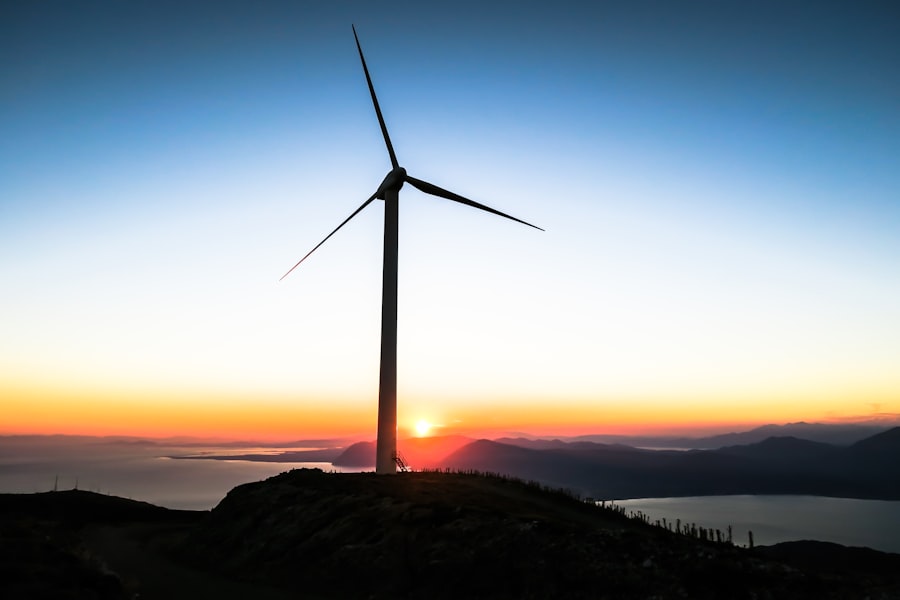
Europe’s energy future is undeniably charting a course towards sustainability, resilience, and prosperity. The ambitious vision is not a distant aspiration but a tangible undertaking, propelled by a confluence of environmental necessity, technological innovation, and a growing recognition of the economic and geopolitical advantages of a clean energy economy. The path ahead, while demanding, is illuminated by the potential for a transformed continent – one powered by abundant, clean energy, secure from volatile global markets, and capable of leading the world in the race towards a sustainable future. The comprehensive strategy encompasses the widespread adoption of renewable energy, the electrification of key sectors, significant investments in innovation, and the modernization of its energy infrastructure. Crucially, this transition is underpinned by robust policy frameworks and a commitment to ensuring that the benefits are shared equitably across society, leaving no one behind. By embracing this multifaceted approach, Europe is not merely transitioning its energy system; it is actively constructing a more secure, prosperous, and environmentally responsible future for itself and for the global community. The commitment is unwavering, the momentum is building, and the destination – a sustainable European energy horizon – is within reach.

Why Europe Can’t Escape This Cold War Pipeline
FAQs
What is the current state of European energy?
Europe’s energy landscape is undergoing significant changes, with a growing focus on renewable energy sources and efforts to reduce carbon emissions. The European Union has set ambitious targets for increasing the share of renewable energy and improving energy efficiency.
What are the key challenges facing the future of European energy?
Some of the key challenges facing the future of European energy include the need to modernize and upgrade energy infrastructure, the transition to a low-carbon economy, ensuring energy security, and addressing the social and economic impacts of the energy transition.
How is Europe working to transition to renewable energy sources?
Europe is working to transition to renewable energy sources through a combination of policies, incentives, and investments. This includes increasing the share of renewable energy in the energy mix, promoting energy efficiency, and investing in research and development of new technologies.
What role does energy storage play in the future of European energy?
Energy storage is expected to play a crucial role in the future of European energy by enabling the integration of intermittent renewable energy sources, improving grid stability, and supporting the electrification of transportation and heating.
What are the potential implications of the future of European energy for the economy and society?
The future of European energy has the potential to have significant implications for the economy and society, including creating new job opportunities in the renewable energy sector, reducing air pollution and health costs, and contributing to the overall decarbonization of the economy.