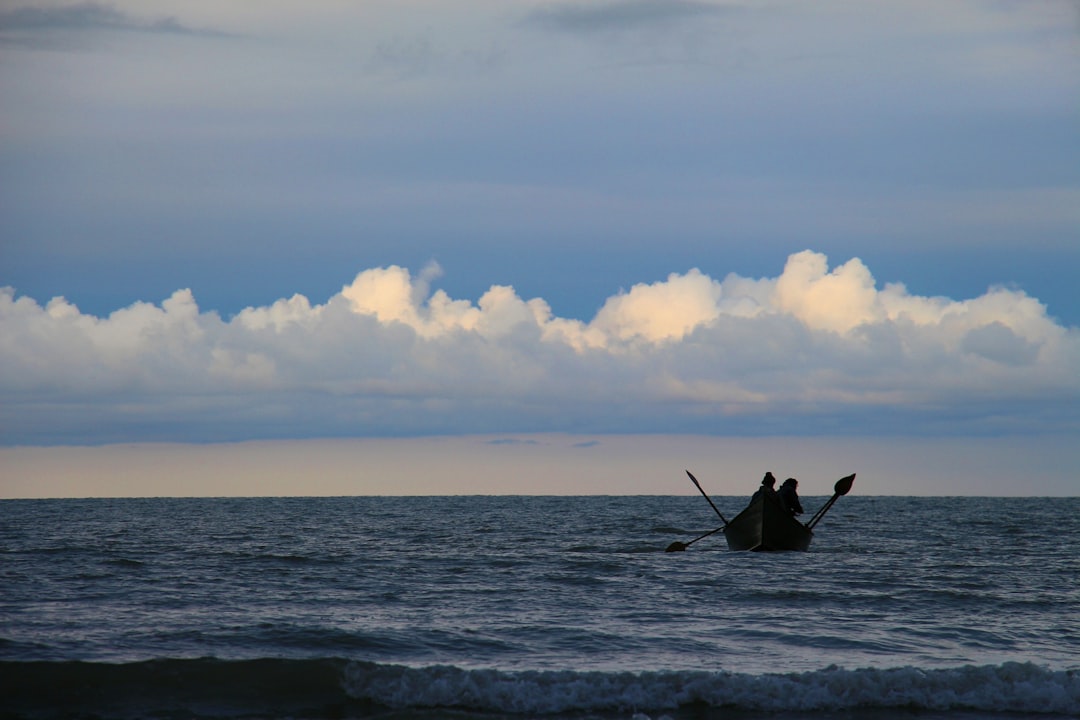
The Caspian Sea, a vast inland body of water often referred to as the “world’s largest lake,” is facing an unprecedented crisis that threatens its rich biodiversity and the livelihoods of millions. Once a thriving ecosystem teeming with iconic species, its fisheries are now a stark testament to the pressures of unsustainable exploitation, pollution, and the insidious creep of invasive species. This situation necessitates a concept akin to environmental triage, where difficult decisions must be made to salvage what remains and prevent complete ecological collapse.
The Caspian Sea, straddling the borders of five nations – Azerbaijan, Iran, Kazakhstan, Russia, and Turkmenistan – is a unique hydrological and biological entity. Its immense size, coupled with its isolation from global oceans, has fostered a remarkable array of endemic species. Historically, its fisheries were a cornerstone of regional economies, providing not only a vital food source but also a significant export commodity, particularly its caviar. The sturgeon, a living relic of the Mesozoic Era, has long been the undisputed king of the Caspian, its ancient lineage intertwined with the region’s destiny. However, this biological treasure is now teetering on the brink, a somber symbol of environmental mismanagement.
A Historical Bounty: From Abundance to Apprehension
For centuries, the Caspian Sea was synonymous with abundance. Its waters nourished populations and fueled trade. The majestic sturgeon, with its armored plates and cartilaginous skeleton, was a readily available resource, its eggs a delicacy prized worldwide. Accounts from earlier times depict rivers teeming with migrating fish, a spectacle that has faded into memory for many. The sheer scale of the fisheries was a testament to a seemingly inexhaustible natural wealth. However, this perception of inexhaustibility proved to be a dangerous illusion. Human ingenuity, amplified by technological advancements, began to exert a pressure that the ecosystem could no longer withstand. The echoes of this past abundance now serve as a poignant reminder of what has been lost.
The Unique Ecosystem: A Delicate Balance Disrupted
The Caspian Sea’s ecosystem is characterized by its salinity gradient, with lower salinity in the north due to significant riverine inflows and higher salinity in the south. This variation creates distinct biological zones, each supporting specialized communities. The inflowing rivers, most notably the Volga, are vital arteries, delivering nutrient-rich freshwater and, crucially, facilitating the spawning migrations of many species, including the anadromous sturgeon. The sea’s limited connection to the world’s oceans also means that its inhabitants have evolved in relative isolation, making them particularly vulnerable to external disturbances. This enclosed environment, once a cradle of biodiversity, has become a petri dish for ecological degradation.
In the context of environmental triage and the challenges facing Caspian Sea fisheries, a related article that provides valuable insights is available at MyGeoQuest. This article discusses the impact of overfishing and pollution on the delicate ecosystem of the Caspian Sea, highlighting the urgent need for sustainable management practices to preserve its unique biodiversity. By examining the interplay between environmental health and fisheries management, the article emphasizes the importance of prioritizing conservation efforts to ensure the long-term viability of fish populations in this critical region.
The Unseen Predators: Pollution’s Insidious Grip
The Caspian Sea suffers from a multi-pronged pollution assault, largely emanating from industrial, agricultural, and urban activities surrounding its basin. This sustained influx of contaminants acts like a slow-acting poison, degrading water quality and directly impacting aquatic life. The sheer volume and diverse nature of pollutants mean that addressing this issue is a complex undertaking, requiring coordinated action across national boundaries.
Industrial Effluents: A Toxic Cocktail
A significant source of pollution for the Caspian is the discharge of untreated or inadequately treated industrial wastewater. Factories involved in oil extraction and refining, petrochemical production, and heavy manufacturing release a cocktail of heavy metals, hydrocarbons, and other toxic chemicals into the sea and its inflowing rivers. These substances bioaccumulate in the tissues of fish, moving up the food chain and posing risks to both wildlife and human consumers. The historical industrial heartlands around the Caspian have left an indelible mark, a legacy of contamination that continues to haunt the ecosystem.
Agricultural Runoff: The Silent Tide of Nutrients
Agricultural practices in the riparian countries contribute substantially to the Caspian’s pollution burden. The widespread use of synthetic fertilizers and pesticides leads to nutrient-rich runoff that washes into rivers and, subsequently, the sea. While nitrogen and phosphorus are essential nutrients, their excessive input can trigger eutrophication – algal blooms that deplete dissolved oxygen in the water when they decompose. This oxygen depletion creates “dead zones” where most aquatic life cannot survive, effectively suffocating large areas of the seabed. This seemingly benign agricultural practice, when scaled up, becomes a silent, pervasive environmental threat.
Urban Wastewater: An Overlooked Contributor
Urban areas bordering the Caspian Sea, many of which are experiencing rapid growth, generate vast quantities of domestic wastewater. Inadequate or non-existent sewage treatment infrastructure means that raw or partially treated sewage, laden with pathogens, organic matter, and other pollutants, is often discharged directly into the sea. This not only degrades water quality for recreational and aesthetic purposes but also poses significant health risks to human populations and can directly impact aquatic life through disease transmission and oxygen depletion. The seemingly innocuous flow from city drains collectively forms a formidable source of pollution.
Overfishing: A Feast That Devours the Future
The historical abundance of Caspian fish stocks fueled an unsustainable level of exploitation for decades. Driven by both commercial interests and a lack of effective regulation, fishing pressures have pushed many key species, most notably the sturgeon, to the brink of collapse. The pursuit of short-term gain has systematically eroded the long-term viability of these vital fisheries.
The Caviar Trade: A Price Too High
The lucrative global market for Caspian caviar has been a primary driver of sturgeon overfishing. The high price commanded by this delicacy has incentivized illegal fishing and poaching, even as legal quotas have been repeatedly exceeded or ignored. Poaching is a particularly insidious threat, as it bypasses any semblance of regulation and often involves brutal methods that further damage fish populations. The allure of quick profit has blinded many to the irreversible damage being inflicted upon these ancient creatures, turning a culinary delight into an ecological catastrophe. For every prized spoonful of caviar, a generation of sturgeon risks being extinguished.
Declining Catches: A Stark Reality Check
Across the Caspian region, fishing communities are witnessing a dramatic decline in catch sizes and the disappearance of species that were once common. This stark reality check serves as undeniable evidence of overexploitation. The once-bustling fishing ports now often tell stories of dwindling returns and lost livelihoods. The fish stocks, once seemingly inexhaustible, have been plundered to a point where natural replenishment can no longer keep pace with the rate of extraction.
Ineffective Quotas and Enforcement: A Broken System
Even where quotas exist, they are often based on outdated data, politically influenced, or simply ignored. Enforcement mechanisms are frequently weak, underfunded, or prone to corruption, allowing illegal fishing to persist and legal quotas to be breached with impunity. This breakdown in governance creates a vacuum where unsustainable fishing practices thrive, leaving conservation efforts in tatters. Without robust and effectively enforced regulations, any attempt to manage these fisheries is akin to building a dam with sieves.
Invasive Species: The Uninvited Guests
The Caspian Sea ecosystem is not only grappling with pollution and overfishing but also with the disruptive influence of invasive species. These non-native organisms, introduced through human activities, can outcompete native species for resources, disrupt food webs, and alter habitat conditions, further exacerbating the existing ecological crises.
The Comb Jellyfish (Mnemiopsis leidyi): A Biological Invader
One of the most notorious invaders is the ctenophore Mnemiopsis leidyi, commonly known as the warty comb jelly. Introduced, likely via ballast water from ships, in the early 1990s, this gelatinous predator has had a devastating impact. It feeds voraciously on the eggs and larvae of native fish species, including commercially important ones like anchovies and sprats, and competes with them for zooplankton. Its rapid reproduction and insatiable appetite have led to massive population booms, fundamentally altering the pelagic ecosystem of the Caspian. The arrival of Mnemiopsis leidyi was like a biological wildfire, consuming vital components of the food web.
Other Invasions: A Growing Threat
Beyond the comb jelly, other invasive species are also making their mark. These include various crustaceans, mollusks, and even fish species, each with their own set of disruptive impacts on the native flora and fauna. The interconnectedness of global trade and shipping inadvertently acts as a conduit for these unwelcome biological migrants, turning the Caspian Sea into an unintended landing strip for alien life.
In recent discussions about the challenges facing the Caspian Sea fisheries, the concept of environmental triage has gained significant attention. This approach emphasizes prioritizing conservation efforts to ensure the sustainability of fish populations in this unique ecosystem. For a deeper understanding of the implications of environmental triage on fisheries management, you can explore a related article that delves into the complexities of this issue. The article provides valuable insights into the delicate balance between ecological health and economic needs. To read more about it, visit this link.
The Future of Caspian Fisheries: A Call for Environmental Triage
| Metric | Value | Unit | Notes |
|---|---|---|---|
| Annual Fish Catch | 250,000 | tons | Estimated total catch from Caspian Sea fisheries |
| Primary Species | Sturgeon | – | Key species for caviar production |
| Fish Stock Decline Rate | 12 | % per year | Average decline in sturgeon population |
| Pollution Level (Heavy Metals) | 0.8 | mg/L | Average concentration in water samples |
| Bycatch Rate | 15 | % | Percentage of non-target species caught |
| Protected Areas Coverage | 18 | % of Caspian Sea area | Marine protected zones for fisheries |
| Illegal Fishing Incidents | 120 | cases/year | Reported violations in last year |
| Water Temperature | 14 | °C | Average annual surface temperature |
| Salinity | 12 | ppt (parts per thousand) | Average salinity level |
The dire state of the Caspian Sea fisheries mandates a shift from reactive measures to a proactive, strategic approach – a form of environmental triage. This means acknowledging the severity of the situation and making difficult, potentially unpopular, decisions to salvage what remains and foster conditions for recovery. It requires a clear-eyed assessment of which ecosystems and species can realistically be saved, and where resources should be prioritized.
Defining Critical Habitats: Islands of Hope
Identifying and rigorously protecting critical habitats – areas essential for spawning, nursery grounds, and the survival of endangered species – is paramount. This involves establishing and enforcing marine protected areas, strictly regulating all extractive activities within their boundaries, and restoring degraded habitats. These protected zones can serve as ecological sanctuaries, allowing vulnerable populations to recover and providing a source for recolonization of surrounding areas. They are the life rafts in a storm-tossed sea.
Strict Regulation and Enforcement: No More Leniency
The establishment and strict enforcement of science-based fishing quotas, coupled with robust monitoring and surveillance systems, are non-negotiable. This includes cracking down on illegal fishing and poaching with severe penalties. International cooperation among the Caspian littoral states is essential to ensure a unified and effective approach to regulation and enforcement across national boundaries. A strong regulatory framework, like a sturdy hull, is needed to withstand the relentless pressures.
Habitat Restoration and Pollution Control: Healing the Wounds
Investing in comprehensive pollution control measures, including upgrading wastewater treatment facilities, promoting sustainable agriculture, and remediating contaminated industrial sites, is crucial for long-term recovery. Simultaneously, efforts to restore degraded aquatic habitats, such as wetlands and riverine spawning grounds, will be vital in rebuilding the resilience of the ecosystem. Addressing the root causes of degradation is as important as treating the symptoms.
Sustainable Aquaculture and Alternative Livelihoods: Redefining Success
For coastal communities reliant on fishing, transitioning to more sustainable forms of aquaculture and developing alternative, eco-friendly livelihoods are essential. This provides economic opportunities without further depleting wild stocks and fosters a shift in perspective towards long-term ecological stewardship. Empowering communities to be partners in conservation rather than adversaries is key to sustained change.
The future of the Caspian Sea fisheries hangs precariously in the balance. The concept of environmental triage, while demanding difficult choices, offers a framework for prioritizing actions and allocating scarce resources to achieve meaningful recovery. It is a call to move beyond rhetoric and embrace decisive action, ensuring that this unique inland sea, once a symbol of natural abundance, does not become a silent monument to lost ecological heritage. The time for decisive intervention, for making the hard choices, is now.
FAQs
What is environmental triage in the context of Caspian Sea fisheries?
Environmental triage refers to the process of prioritizing conservation and management efforts based on the urgency and importance of environmental issues affecting the Caspian Sea fisheries. It involves assessing the health of fish populations, habitat conditions, and threats to determine where resources and interventions should be focused to achieve the most effective outcomes.
Why is environmental triage important for the Caspian Sea fisheries?
The Caspian Sea fisheries face multiple challenges such as overfishing, pollution, habitat degradation, and climate change impacts. Environmental triage helps identify the most critical problems and allocate limited resources efficiently to protect endangered species, restore habitats, and ensure sustainable fishery practices, thereby supporting the ecological balance and local economies.
What are the main threats to fisheries in the Caspian Sea?
Key threats to Caspian Sea fisheries include overexploitation of fish stocks, pollution from industrial and agricultural sources, habitat loss due to coastal development, invasive species, and the effects of climate change such as altered water temperatures and salinity. These factors collectively impact fish reproduction, growth, and survival rates.
How is data collected to support environmental triage in Caspian Sea fisheries?
Data collection involves scientific surveys, fish stock assessments, water quality monitoring, and habitat mapping. Researchers use methods like catch reporting, satellite imagery, and ecological modeling to gather information on fish populations, environmental conditions, and human activities. This data informs decision-making and prioritization in environmental triage.
What measures can be taken to improve the sustainability of Caspian Sea fisheries?
Sustainable management measures include implementing fishing quotas and seasonal restrictions, reducing pollution inputs, restoring critical habitats such as spawning grounds, enforcing regulations against illegal fishing, and promoting regional cooperation among Caspian Sea countries. Public awareness and community involvement are also vital for long-term conservation success.