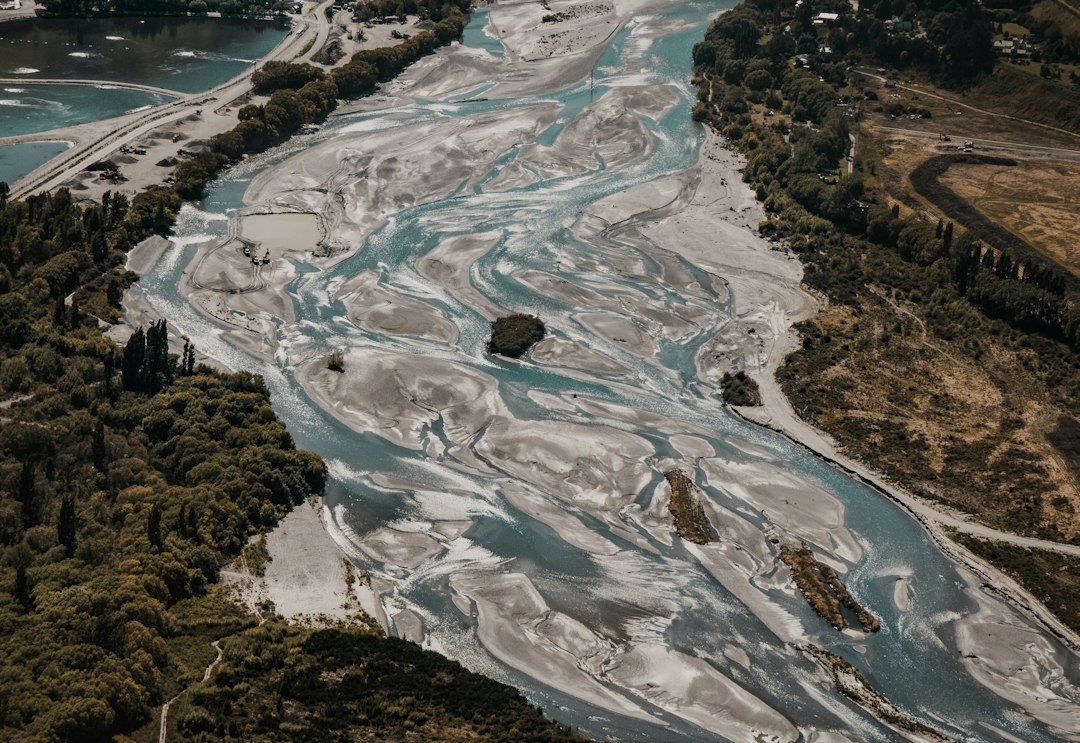
The Unseen Tide: How River Erosion Forces Human Displacement
River erosion, a natural geological process, has long been a formidable force shaping landscapes. However, in recent decades, the escalating impacts of climate change and human activities have intensified its destructive power, transforming it into a significant driver of environmental migration. This phenomenon, often overlooked in discussions about climate refugees, involves the forced displacement of communities due to the gradual or sudden loss of land and livelihoods caused by rivers encroaching upon their settlements. Understanding the intricate web of causes behind this escalating crisis is paramount to developing effective solutions and mitigating the human suffering it engenders.
Environmental migration has become a pressing issue, particularly in regions affected by river erosion, where communities are forced to relocate due to the loss of their homes and livelihoods. A related article that delves deeper into this topic can be found at MyGeoQuest, which explores the implications of environmental changes on human displacement and the challenges faced by those who are uprooted from their ancestral lands.
Understanding the Driving Forces of Riverbank Erosion

The relentless advance of rivers carving away at their banks is not a monolithic process. It is the result of a complex interplay of natural factors, exacerbated by human interventions and the overarching influence of a changing climate. These elements, acting in concert, create a volatile environment where communities living in close proximity to waterways face increasing vulnerability.
Natural Dynamics of River Morphology
Rivers, by their very nature, are dynamic systems. Their courses are not static lines on a map but rather constantly evolving pathways dictated by geological features, water flow, and sediment transport. Over geological timescales, this natural erosion and deposition sculpt river valleys and deltas. However, certain natural conditions inherently increase susceptibility to erosion. Meandering rivers, with their pronounced bends, experience higher water velocities on the outside of the curves, leading to increased scour and bank collapse. Steep gradients also contribute to faster water flow, augmenting erosive power. The type of soil and underlying geology also plays a crucial role; unconsolidated sediments are far more prone to erosion than bedrock. Areas with high clay content, while appearing stable, can become saturated and lose cohesion, leading to slumping. Similarly, sandy and silty soils are easily detached by flowing water.
The Amplifying Role of Climate Change
The fingerprints of a warming planet are undeniably present in the accelerating rates of river erosion and the subsequent displacement of people. Changing precipitation patterns are a primary culprit. Increased intensity and frequency of rainfall events lead to higher river discharge and surge, overwhelming natural defenses and accelerating bank undercutting. Conversely, prolonged droughts can weaken soil structure, making it more susceptible to erosion when the rains eventually return. Glacial melt, particularly in mountainous regions, contributes to higher water volumes in rivers, especially during warmer months, increasing their erosive capacity. Sea-level rise, a direct consequence of climate change, also plays a significant role in coastal river systems. As sea levels climb, saltwater intrusion into freshwater rivers can alter sediment composition and stability, while higher tide levels can exacerbate erosion in lower-lying riverine areas. Furthermore, changes in the timing and magnitude of snowmelt can lead to unpredictable flood events, catching communities unprepared and overwhelming existing erosion control measures.
Human Interventions and Their Unintended Consequences
While nature and climate change set the stage, human activities frequently act as accelerators for river erosion. Deforestation in river basins is a major contributor. Trees and their root systems act as natural anchors, binding soil and preventing its detachment by water. When forests are cleared for agriculture, logging, or urban development, the exposed soil becomes highly vulnerable. Agricultural practices themselves can contribute to erosion. Plowing fields too close to riverbanks, inadequate terracing on slopes, and the use of certain irrigation techniques can all lead to increased runoff and sediment load in rivers. Urbanization, with its expansion of impervious surfaces like roads and buildings, significantly increases surface runoff. This concentrated flow often overwhelms natural drainage systems, leading to flash floods and increased erosion downstream. The construction of dams and other hydraulic structures, while often intended for flood control or water management, can have complex and sometimes detrimental effects on erosion. Dams trap sediment, altering the natural sediment balance downstream. This can lead to a deficit in sediment deposition, causing rivers to erode their beds and banks to regain the lost material. Unplanned and poorly constructed artificial embankments or levees can also inadvertently concentrate water flow, increasing erosion at specific points and creating vulnerabilities elsewhere. Mining activities near rivers, particularly placer mining, can disturb riverbeds and banks, releasing large amounts of sediment into the water and increasing turbidity, which in turn can accelerate erosion.
The Human Cost: Displacement and Vulnerability

The impact of river erosion extends far beyond the physical alteration of the landscape. It directly affects human lives, leading to the displacement of communities, the loss of livelihoods, and a cascade of social and economic challenges. These impacts are rarely distributed equally, disproportionately affecting those with fewer resources and less adaptive capacity.
Immediate Displacement and Loss of Homes
The most visible and immediate consequence of severe river erosion is the destruction of homes and settlements. When riverbanks collapse, often with little warning, houses, schools, and essential infrastructure are swallowed by the churning water. This forces residents to abandon their ancestral lands, often with only the belongings they can carry. The loss is not just material; it represents the severing of deep-rooted connections to place, heritage, and community. Families are torn apart, and individuals are plunged into uncertainty, seeking refuge in temporary shelters or moving to unfamiliar areas. The psychological toll of such abrupt displacement is immense, marked by trauma, anxiety, and a profound sense of loss. This immediate displacement is often characterized by a lack of preparedness, as communities may not have sufficient warning or resources to relocate safely and effectively.
Erosion of Livelihoods and Economic Hardship
Beyond the destruction of homes, river erosion systematically dismantles the economic foundations of affected communities. For many, especially in rural and semi-rural areas, livelihoods are intrinsically linked to the land and the resources provided by the river. Agriculture is a prime example. Fertile riverbanks are often ideal for cultivation, but their erosion renders agricultural land unusable, leading to crop failure and loss of income. Fishing communities also suffer as changes in river flow and sedimentation patterns disrupt fish habitats and migration routes. Artisanal mining, common in some regions, can also be directly impacted as mining sites are eroded or become inaccessible. The loss of these primary income sources plunges families into poverty, forcing them to seek alternative, often precarious, forms of employment in urban centers or engaging in unsustainable practices out of desperation. This economic hardship can create a vicious cycle of vulnerability, making it even harder for displaced individuals to rebuild their lives.
Social Disruption and Erosion of Community Cohesion
Environmental migration triggered by river erosion does not merely involve a physical relocation; it fundamentally disrupts the social fabric of affected communities. Established social networks, traditions, and cultural practices are often weakened or lost when people are forced to leave their homes. New arrivals in host communities may face discrimination, competition for scarce resources, and a lack of social integration, leading to increased social tensions. The displacement can also exacerbate existing inequalities, as marginalized groups, such as the elderly, women, children, and ethnic minorities, often bear a disproportionate burden. They may have fewer resources to facilitate relocation, face greater challenges in adapting to new environments, and be more susceptible to exploitation. The erosion of traditional governance structures and community leadership can also occur, leaving displaced populations without effective representation or support systems. This social fragmentation can have long-lasting consequences, impacting the overall well-being and resilience of both the displaced populations and the communities that receive them.
Strategies for Mitigation and Adaptation
Addressing the complex challenge of environmental migration driven by river erosion requires a multi-pronged approach that encompasses both mitigating the underlying causes and adapting to the inevitable changes. This involves a combination of structural interventions, policy reforms, and community-based initiatives aimed at protecting vulnerable populations and fostering resilience.
Engineering and Infrastructure Solutions for Bank Stabilization
Physical interventions play a crucial role in safeguarding communities from the immediate threat of river erosion. Engineering solutions focus on stabilizing riverbanks and managing water flow to reduce erosive forces. Revetments, constructed using materials like gabions (wire cages filled with stones), concrete blocks, or fascines (bundles of branches), are commonly employed to protect vulnerable bank sections from direct water impact. The construction of riprap, a layer of large, angular stones, also helps to dissipate the energy of flowing water and prevent scour. Bioengineering techniques, which combine biological elements with engineering principles, offer a more sustainable approach. This involves planting specific types of vegetation, such as willows and grasses, whose root systems bind the soil and help to stabilize banks. Vegetated buffer strips along riverbanks not only prevent erosion but also filter pollutants and provide habitat for wildlife. In some cases, more extensive flood control measures, such as the construction of levees and floodwalls, may be necessary to protect settlements from extreme water levels. However, the design and placement of these structures must be carefully considered to avoid exacerbating erosion elsewhere or creating unintended ecological consequences. Furthermore, the maintenance and monitoring of these structures are critical to ensure their long-term effectiveness.
Ecosystem-Based Approaches and Nature-Based Solutions
Recognizing the inherent resilience and cost-effectiveness of natural systems, ecosystem-based approaches are gaining prominence in the fight against river erosion. These solutions leverage the power of nature to mitigate risks and enhance adaptation. Restoring and protecting wetlands and floodplains, for instance, can significantly reduce the impact of floods. These areas act as natural sponges, absorbing excess water and slowing down flow rates, thereby reducing erosive forces on riverbanks downstream. Reforestation and afforestation efforts in river basins are also vital. As mentioned earlier, the root systems of trees provide excellent soil stabilization, while their canopy cover reduces the impact of rainfall. Promoting sustainable land management practices, such as conservation agriculture and agroforestry, further enhances soil health and reduces runoff. In coastal areas, the restoration of mangrove forests and salt marshes can provide a natural buffer against storm surges and tidal erosion, protecting both inland communities and coastal ecosystems. These nature-based solutions often offer co-benefits, such as improved water quality, increased biodiversity, and enhanced carbon sequestration, making them attractive and sustainable options for long-term resilience.
Policy, Planning, and Community Engagement
While engineering and ecological solutions are essential, effective governance and community involvement are the bedrock of successful environmental migration management. Robust land-use planning that restricts development in high-risk erosion zones is crucial. This includes establishing setback lines from rivers and enforcing zoning regulations to prevent further encroachment. Early warning systems for floods and erosion events are vital for timely evacuation and preparedness. These systems require investment in meteorological monitoring, hydrological modeling, and effective communication channels to reach vulnerable communities. Furthermore, national and international policies addressing climate change adaptation and disaster risk reduction need to be strengthened. This includes providing financial and technical support to vulnerable regions, facilitating planned relocation when necessary, and ensuring that the rights and needs of displaced populations are protected. Crucially, community engagement is paramount. Local communities possess invaluable traditional knowledge about their environments and are best placed to identify effective adaptation strategies. Their active participation in the planning and implementation of mitigation and adaptation measures ensures that solutions are culturally appropriate, socially accepted, and sustainable. This includes empowering local leaders, supporting community-based organizations, and fostering dialogue between communities, governments, and researchers.
Environmental migration has become a pressing issue as communities are increasingly displaced due to river erosion, which is exacerbated by climate change. A recent article explores the various factors contributing to this phenomenon and highlights the stories of those affected. For a deeper understanding of the challenges faced by these communities, you can read more in this insightful piece on environmental migration. As rivers continue to reshape landscapes, the need for sustainable solutions becomes ever more critical.
The Future of Riverine Communities: Towards Resilience and Planned Relocation
| Region | Year | Number of People Displaced | Primary River | Area Affected (sq km) | Impact on Livelihood | Government Response |
|---|---|---|---|---|---|---|
| Bangladesh (Char Areas) | 2023 | 150,000 | Padma River | 120 | Loss of agricultural land, increased poverty | Relocation programs, embankment construction |
| India (Assam) | 2022 | 80,000 | Brahmaputra River | 95 | Disruption of farming and fishing activities | Early warning systems, flood shelters |
| Nigeria (Niger Delta) | 2023 | 45,000 | Niger River | 60 | Loss of homes and farmlands | Community resettlement initiatives |
| Vietnam (Mekong Delta) | 2023 | 70,000 | Mekong River | 85 | Salinization of soil, reduced crop yields | Infrastructure reinforcement, livelihood diversification |
| Pakistan (Indus Basin) | 2022 | 60,000 | Indus River | 75 | Displacement and loss of agricultural productivity | Flood control projects, emergency aid |
As the impacts of river erosion intensify, the question of long-term sustainability for communities living in vulnerable areas becomes increasingly pressing. While mitigation and adaptation efforts are crucial, acknowledging the potential for unavoidable displacement and proactively planning for it is becoming a necessity. The focus must shift from simply reacting to crises to building a future where communities are more resilient and where planned relocation is a dignified and supported process, rather than a desperate flight.
Building Resilience Through Integrated Approaches
The concept of resilience is central to the future of riverine communities. It is not merely about resisting change but about the capacity to anticipate, absorb, accommodate, and recover from shocks and stresses. Building resilience requires an integrated approach that combines multiple strategies. This includes diversifying livelihoods beyond those directly dependent on vulnerable land, such as promoting small businesses, vocational training, and access to microfinance. Enhancing educational opportunities and skills development equips individuals to adapt to changing economic landscapes. Strengthening social safety nets, including access to healthcare and social support services, is vital to assist those who have been displaced or are facing economic hardship. Furthermore, fostering strong social capital within communities, characterized by trust, cooperation, and mutual support, is a powerful form of resilience. This can be achieved through community organizing, cultural preservation initiatives, and intergenerational knowledge transfer. Investing in robust infrastructure, including climate-resilient housing and access to essential services like clean water and sanitation, is also a critical component of resilience building.
The Necessity and Challenges of Planned Relocation
In situations where erosion poses an unavoidable and existential threat, planned relocation emerges as a necessary, albeit challenging, intervention. Unlike spontaneous displacement, which is often chaotic and trauma-inducing, planned relocation aims to facilitate a safe, dignified, and voluntary movement of people away from high-risk areas. This requires extensive consultation with affected communities, ensuring their active participation in every stage of the process, from site selection to the establishment of new livelihoods. Key considerations include providing adequate compensation for lost assets, ensuring access to essential services and economic opportunities in the new location, and preserving cultural heritage and community ties as much as possible. The challenges of planned relocation are significant. They include the high financial costs involved, the complexities of land acquisition and resettlement, and the potential for social friction between relocating communities and host populations. Furthermore, the psychological impact of leaving ancestral lands, even when planned, can be profound. Therefore, robust legal frameworks, clear governance structures, and comprehensive support mechanisms are essential to ensure that planned relocation is a rights-based and successful undertaking.
International Cooperation and Climate Justice
The escalating issue of environmental migration triggered by river erosion is a global challenge that demands international cooperation and a commitment to climate justice. Developing nations, often bearing the brunt of climate change impacts despite contributing minimally to historical emissions, require significant financial and technical assistance from developed countries. This assistance should be directed towards building adaptation capacity, implementing mitigation measures, and supporting planned relocation efforts. Climate justice principles necessitate that those who have historically benefited most from greenhouse gas emissions take responsibility for addressing the consequences faced by vulnerable populations. This includes advocating for stronger global climate policies, investing in renewable energy, and providing mechanisms for climate finance and technology transfer. Furthermore, international legal frameworks need to evolve to adequately address the rights and protection of environmental migrants. While the term “climate refugee” is not yet formally recognized under international law, there is a growing recognition of the need for greater legal clarity and protection for those displaced by environmental factors. Collaboration between governments, international organizations, civil society, and research institutions is vital to share best practices, develop innovative solutions, and ensure that the voices of affected communities are heard on the global stage. The future of riverine communities hinges on our collective ability to act with foresight, compassion, and a commitment to a more equitable and sustainable world.
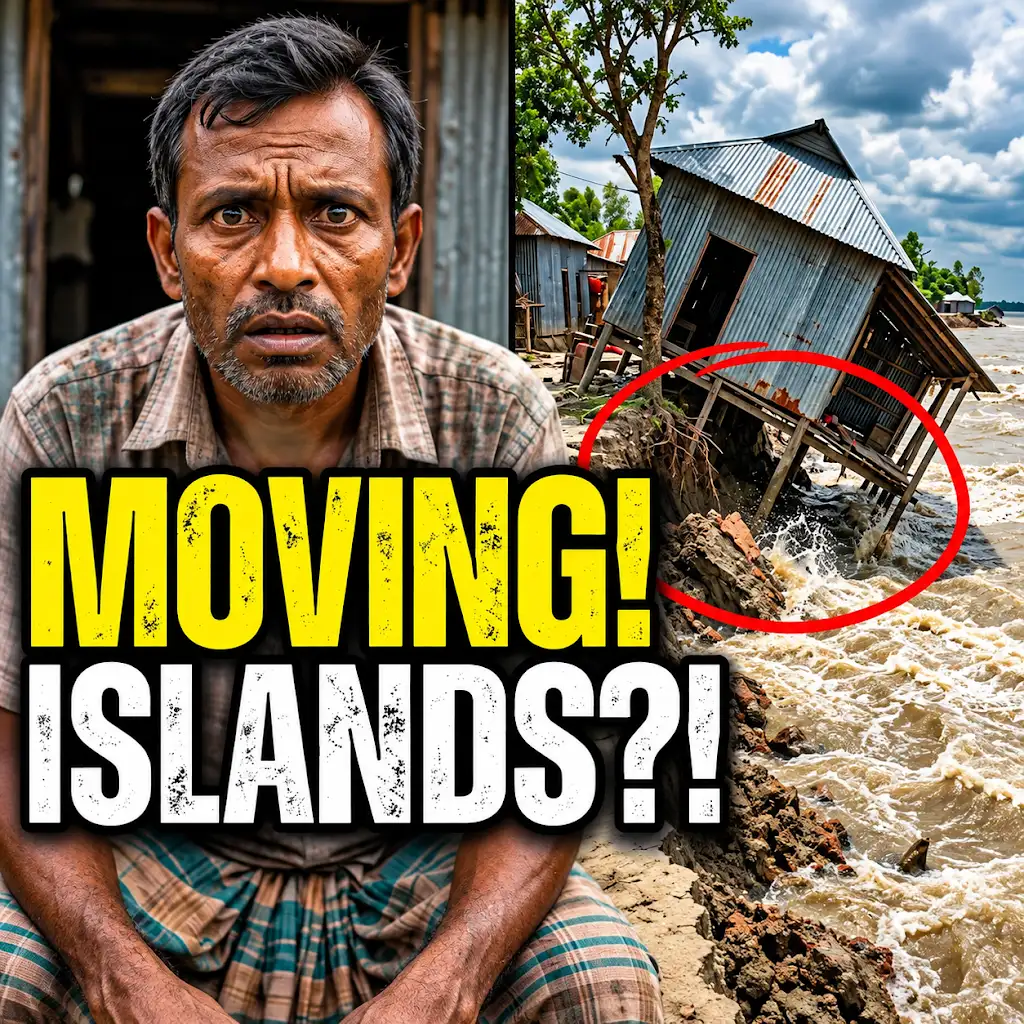
This River is Literally Erasing Islands
FAQs
What is environmental migration due to river erosion?
Environmental migration due to river erosion refers to the displacement of people from their homes and communities as a result of the gradual or sudden erosion of riverbanks, leading to loss of land and infrastructure.
Which regions are most affected by environmental migration due to river erosion?
Regions located near major rivers and deltas, such as the Ganges-Brahmaputra-Meghna Delta in Bangladesh and India, are particularly vulnerable to environmental migration due to river erosion.
What are the main causes of river erosion leading to environmental migration?
Main causes of river erosion include deforestation, climate change, dam construction, and unsustainable land use practices, which contribute to the destabilization of riverbanks and the increased risk of erosion.
How does environmental migration due to river erosion impact communities and individuals?
Environmental migration due to river erosion can lead to loss of homes, livelihoods, and cultural heritage, as well as increased vulnerability to poverty, food insecurity, and health risks among affected populations.
What measures can be taken to address environmental migration due to river erosion?
Measures to address environmental migration due to river erosion include implementing sustainable land use practices, restoring natural ecosystems, building resilient infrastructure, and providing support for affected communities to adapt and relocate in a dignified manner.