The Shimmering Depths: Unveiling Lake Kivu’s Environmental Paradox
Lake Kivu, a jewel nestled on the border of Rwanda and the Democratic Republic of Congo, is more than just a breathtaking expanse of water. It is a vital ecosystem, a source of life for millions, and a unique geological marvel. However, beneath its serene surface lies a complex tapestry of environmental concerns, a paradox of immense natural wealth shadowed by potential ecological and societal risks. The lake’s remarkable properties, particularly its dissolved gases, present a captivating scientific puzzle and a constant reminder of the delicate balance of nature. Understanding these challenges is crucial for safeguarding this irreplaceable resource for future generations.
The sheer scale of Lake Kivu is impressive. It is one of the African Great Lakes, the tenth largest in Africa by surface area, and the second smallest of the African Great Lakes by volume. Its deep, caldera-like basin, formed by volcanic activity, is home to a unique hydrological regime. The water column is stratified, with a warm, oxygenated upper layer and a colder, anoxic deeper layer. This stratification is not merely a physical characteristic; it is intrinsically linked to the dissolved gases that define Lake Kivu’s most distinctive and concerning environmental feature: its supersaturated state of carbon dioxide (CO2) and methane (CH4).
Lake Kivu, located between Rwanda and the Democratic Republic of the Congo, has been a focal point for environmental concerns due to its unique geological features and the potential risks associated with its methane gas reserves. The lake’s depth and the presence of dissolved gases pose significant challenges for local communities and ecosystems. For a deeper understanding of the environmental implications surrounding Lake Kivu, you can read a related article that explores these issues in detail at this link.
The Dissolved Gas Conundrum: A Geological Inheritance
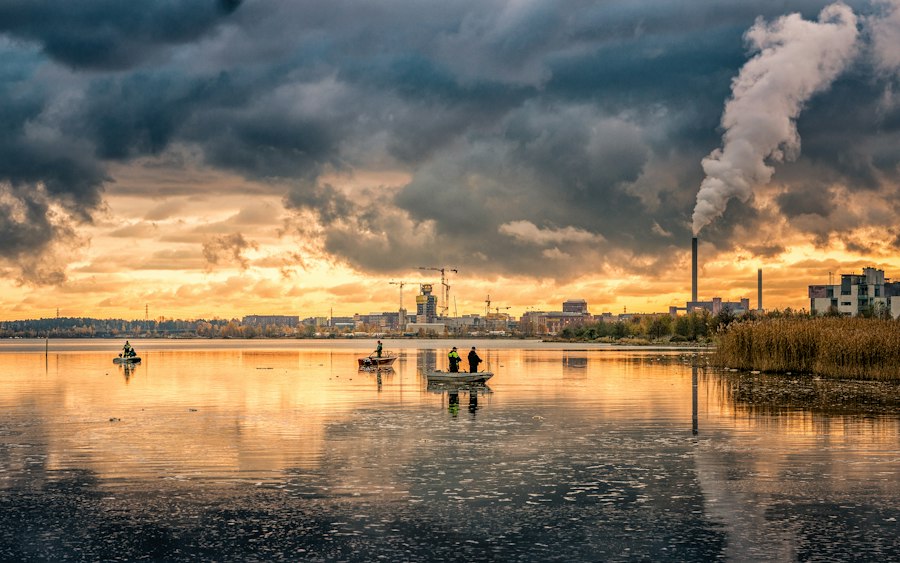
The presence of vast quantities of dissolved CO2 and CH4 in Lake Kivu is a direct consequence of its geological history. The lake occupies a graben, a rift valley, formed by tectonic activity and influenced by surrounding volcanic forces. Subterranean volcanic activity releases gases that permeate the surrounding rocks and are subsequently dissolved into the lake’s deep waters. This process has been ongoing for millennia, creating a reservoir of these gases that is both a potential resource and a significant environmental hazard.
Understanding the Stratification and Gas Accumulation
Lake Kivu’s unique stratification plays a crucial role in the accumulation of these dissolved gases. The dense, cold, and anoxic waters at depths greater than 200 meters are effectively sealed off from the atmosphere. This lack of mixing prevents the gases from escaping, allowing them to build up to astonishing concentrations over time. The upper, warmer, and oxygenated layer acts as a cap, further inhibiting the release of these dissolved gases. This stable stratification, while protecting the surface environment from immediate danger, also means that any sudden disturbance could lead to a catastrophic release. Scientific studies have estimated that the lake holds approximately 300 cubic kilometers of dissolved CO2 and 60 cubic kilometers of methane. This is an immense quantity, dwarfing the CO2 content of many other large lakes worldwide. The methane, in particular, is a potent greenhouse gas, adding another layer of complexity to the environmental concerns.
The Risk of Limnic Eruptions: A Dormant Threat
The most dramatic environmental concern associated with Lake Kivu is the potential for a limnic eruption, also known as a lake overturn or gas burst. This catastrophic event occurs when a sudden disturbance, such as an earthquake, volcanic activity, or even a massive landslide, disrupts the lake’s stable stratification. The pressure release would cause the dissolved CO2 and CH4 to rapidly come out of solution, forming a massive cloud of gas that could engulf surrounding areas, leading to asphyxiation and potentially igniting the methane, causing widespread fires. While such events are rare, the geological setting of Lake Kivu, situated in a seismically active region, makes the risk a tangible and ever-present one. The potential consequences of a limnic eruption are devastating, threatening the lives of millions of people who live on the shores of the lake and rely on its resources. The historical record, though sparse, hints at past events that could have been limnic eruptions, underscoring the need for continuous monitoring and preparedness.
Ecological Impacts: A Delicate Balance Under Strain

Beyond the dramatic potential of limnic eruptions, the dissolved gases and the lake’s unique environment have a profound impact on its ecology. The very composition of the water, particularly the absence of oxygen in its deeper layers and the presence of dissolved CO2, shapes the types of life that can thrive within it. These conditions present both challenges and unique adaptations for the lake’s inhabitants.
The Unique Aquatic Ecosystem of Lake Kivu
The deep waters of Lake Kivu are anoxic, meaning they lack dissolved oxygen. This environment is hostile to most aerobic organisms, but it has fostered the evolution of specialized anaerobic and facultative anaerobic life forms. Certain types of bacteria, for instance, thrive in these conditions, playing crucial roles in the biogeochemical cycles of the lake. In the shallower, oxygenated waters, a more diverse aquatic life exists, including various fish species that are vital to the local economy and diet. However, even these surface dwellers are indirectly affected by the conditions below. Changes in water temperature or increased gas release could disrupt the delicate balance of this ecosystem, impacting biodiversity and the sustainability of fisheries.
The Influence of Methane on Water Chemistry
The dissolved methane in Lake Kivu, while a potential energy source, also influences the water’s chemistry. Methane is oxidized by certain bacteria, and this process can affect the dissolved oxygen levels and the concentration of other chemical compounds in the water column. Furthermore, the sheer volume of dissolved gases can impact the lake’s pH, potentially affecting the health of aquatic organisms. The long-term ecological consequences of this unique chemical environment are still being studied, but it is clear that any significant change in the gas balance could have far-reaching effects on the lake’s biodiversity and its ability to support life.
Human Dependence and Potential Risks
Lake Kivu is not merely an ecological entity; it is the lifeblood of the communities that surround it. Millions of people depend on the lake for sustenance, transportation, and economic opportunities. This deep human connection, however, also makes these communities particularly vulnerable to the environmental risks associated with the lake.
Livelihoods Tied to the Lake: Fisheries and Transportation
The fisheries of Lake Kivu are a crucial source of protein and income for the local populations. Species like the Nile tilapia, freshwater sardines, and humpback bream are harvested by local fishermen, sustaining communities and contributing to regional economies. The lake also serves as a vital transportation corridor, connecting communities and facilitating trade between Rwanda and the Democratic Republic of Congo. The reliability of these activities is directly linked to the health and stability of the lake’s environment. Any ecological disruption could have severe repercussions on these essential human activities.
The Growing Threat of Gas Extraction: Balancing Opportunity and Risk
The immense quantities of dissolved methane in Lake Kivu have attracted significant interest for its potential as an energy source. Methane extraction projects are underway, aiming to harness this natural resource for electricity generation. While this presents a promising economic opportunity and a potential solution to energy deficits in the region, it also introduces new environmental concerns. The process of extracting methane involves disturbing the lake’s stratified water column, which could potentially destabilize the dissolved gas balance and increase the risk of a limnic eruption. Careful monitoring, stringent safety protocols, and a thorough understanding of the potential consequences are paramount to ensure that these extraction efforts do not inadvertently trigger a disaster. The debate surrounding gas extraction highlights the complex trade-offs between economic development and environmental preservation.
Lake Kivu, located on the border between Rwanda and the Democratic Republic of the Congo, has been a focal point for environmental concerns due to its high levels of methane gas and the potential risks associated with its extraction. The delicate balance of this ecosystem is further threatened by climate change and human activities. For a deeper understanding of the environmental challenges facing Lake Kivu, you can read a related article that explores these issues in detail. This insightful piece sheds light on the implications of gas extraction and the importance of sustainable practices in the region. To learn more, visit this article.
Mitigation Efforts and Scientific Vigilance
| Environmental Concern | Description | Impact | Mitigation Efforts |
|---|---|---|---|
| Gas Accumulation (Methane and CO2) | Lake Kivu contains large amounts of dissolved methane and carbon dioxide gases in its deep waters. | Risk of limnic eruption releasing toxic gases, threatening local populations and ecosystems. | Gas extraction projects to safely remove methane for energy use and reduce eruption risk. |
| Water Pollution | Runoff from agriculture and human settlements introduces nutrients and pollutants into the lake. | Eutrophication leading to algal blooms, oxygen depletion, and harm to aquatic life. | Improved waste management and sustainable farming practices around the lake basin. |
| Overfishing | Intensive fishing pressure on native fish species in Lake Kivu. | Decline in fish populations, disrupting the lake’s ecological balance and local livelihoods. | Fishing regulations and community-based resource management programs. |
| Deforestation in Surrounding Areas | Clearing of forests around the lake for agriculture and settlement. | Increased soil erosion and sedimentation in the lake, affecting water quality. | Reforestation initiatives and promotion of sustainable land use. |
| Climate Change Effects | Changes in temperature and rainfall patterns impacting lake ecology. | Altered water levels and temperature stratification, affecting gas stability and biodiversity. | Monitoring programs and adaptive management strategies. |
Recognizing the unique challenges posed by Lake Kivu, a concerted effort has been made by regional governments, international organizations, and the scientific community to understand and mitigate the risks. This involves continuous monitoring, research into the lake’s dynamics, and the development of early warning systems.
Monitoring the Lake’s Pulse: Gas Levels and Seismic Activity
Continuous scientific monitoring is the cornerstone of understanding and managing the risks associated with Lake Kivu. A network of sensors deployed throughout the lake continuously measures gas concentrations, temperature, and water currents at various depths. Seismic activity is also closely monitored, as earthquakes are a primary trigger for potential limnic eruptions. These data streams provide invaluable insights into the lake’s behavior and allow scientists to detect subtle changes that could indicate an increased risk. The development of sophisticated modeling techniques further aids in predicting potential scenarios and informing preparedness strategies.
Preparedness and Emergency Response Planning
Given the potential for a catastrophic event, preparedness and emergency response planning are crucial. This involves developing evacuation plans for communities living around the lake, establishing communication systems to alert the population in case of an emergency, and creating rapid response teams equipped to deal with the aftermath of a potential gas burst. Educational campaigns aimed at raising public awareness about the risks and necessary precautions are also an important part of the preparedness strategy. The collaborative efforts between Rwanda and the Democratic Republic of Congo are vital in ensuring a coordinated and effective response.
The Future of Lake Kivu: A Call for Sustainable Stewardship
The environmental concerns surrounding Lake Kivu are a stark reminder of the complex interplay between geological forces, ecological systems, and human activities. The lake’s future, and the safety of the millions who depend on it, hinges on a commitment to sustainable stewardship, informed by scientific understanding and guided by a precautionary approach.
Balancing Development with Conservation: A Global Imperative
The dilemma of Lake Kivu exemplifies a broader global challenge: how to balance the needs for economic development and resource utilization with the imperative of environmental conservation. The potential benefits of methane extraction are undeniable, but they must be weighed against the profound risks. A holistic approach that prioritizes the long-term health of the lake and the well-being of its inhabitants is essential. This requires collaboration between governments, industry, scientific institutions, and local communities to ensure that any development activities are conducted responsibly and sustainably.
The Legacy of Lake Kivu: A Lesson in Environmental Responsibility
Lake Kivu, with its shimmering surface and its hidden depths, serves as a powerful symbol of both the immense beauty and the inherent fragility of our planet’s natural wonders. The environmental concerns surrounding it are not simply local issues; they offer valuable lessons for managing other unique and potentially hazardous natural systems worldwide. By understanding and addressing the challenges of Lake Kivu, humanity can strive towards a future where development and environmental preservation go hand in hand, ensuring that such invaluable natural treasures are preserved for generations to come. The continued scientific exploration and vigilant stewardship of Lake Kivu are not just about protecting a lake; they are about safeguarding human lives and demonstrating our commitment to responsible environmental governance.
Lake Kivu’s Methane Powers Rwanda—What’s Changing Below?
FAQs
What are the environmental concerns surrounding Lake Kivu?
Some of the environmental concerns surrounding Lake Kivu include the potential for limnic eruptions due to the high concentration of dissolved gases in the lake, as well as pollution from agricultural runoff and industrial activities.
How does the high concentration of dissolved gases in Lake Kivu pose a risk?
The high concentration of dissolved gases in Lake Kivu, particularly methane and carbon dioxide, poses a risk of limnic eruptions. If these gases were to be released suddenly from the depths of the lake, it could lead to a catastrophic event with devastating consequences for surrounding communities.
What impact does pollution from agricultural runoff have on Lake Kivu?
Pollution from agricultural runoff can introduce excess nutrients and chemicals into Lake Kivu, leading to eutrophication. This can result in algal blooms, oxygen depletion, and a decline in water quality, ultimately harming the lake’s ecosystem and biodiversity.
How do industrial activities contribute to environmental concerns in Lake Kivu?
Industrial activities around Lake Kivu can contribute to pollution through the discharge of untreated wastewater and chemicals into the lake. This pollution can have detrimental effects on water quality, aquatic life, and the overall health of the lake ecosystem.
What measures are being taken to address the environmental concerns in Lake Kivu?
Efforts are being made to monitor and manage the dissolved gas levels in Lake Kivu to mitigate the risk of limnic eruptions. Additionally, initiatives are in place to regulate and reduce pollution from agricultural runoff and industrial activities, as well as to promote sustainable practices to protect the lake’s environment for future generations.