Ensuring Worker Safety in Shipbreaking Yards
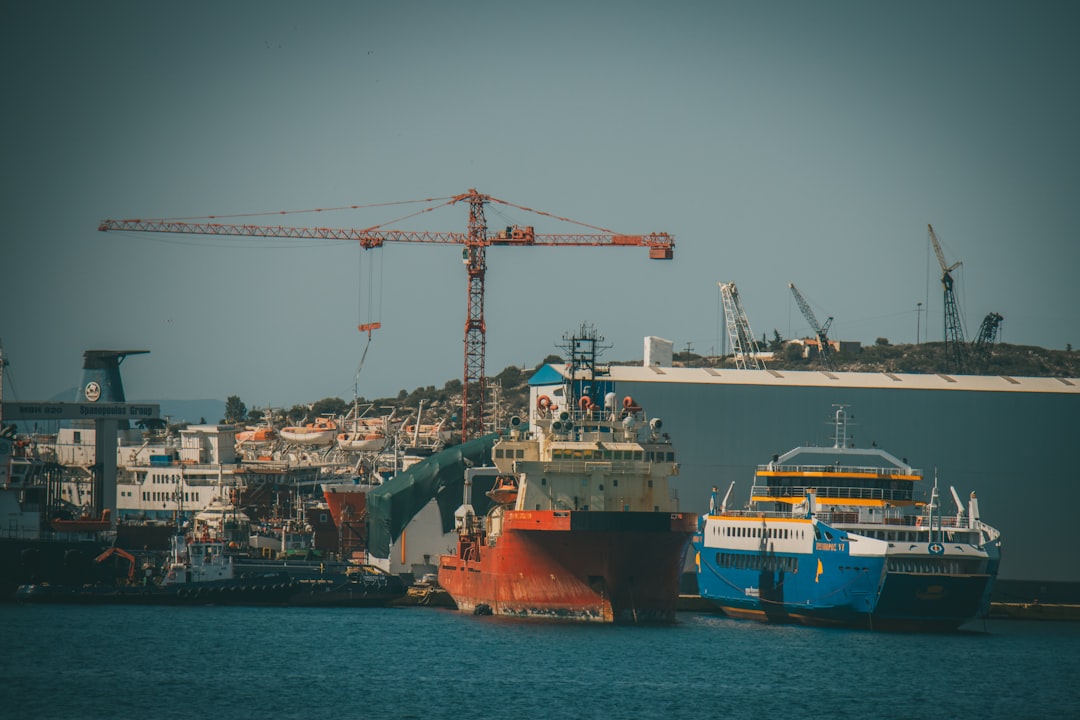
The vast, deconstructed hulks of retired vessels, once symbols of global trade and human endeavor, now lie in various states of dismantling. These shipbreaking yards, scattered across coastal regions worldwide, are critical for recycling valuable materials and preventing ocean pollution. However, the intricate and often hazardous process of breaking down ships presents significant risks to the thousands of workers employed in these facilities. Ensuring their safety is not merely a regulatory obligation but a fundamental human rights imperative, demanding a multi-faceted approach that addresses the inherent dangers from every angle. The very nature of shipbreaking, involving heavy machinery, toxic substances, and precarious working environments, necessitates rigorous protocols, continuous training, and robust oversight to protect the lives and well-being of these essential workers.
Shipbreaking is an inherently dangerous occupation, fraught with a multitude of hazards that can lead to severe injuries, chronic illnesses, and fatalities. The sheer scale of the vessels being dismantled, coupled with the primitive or inadequate safety measures often employed, creates a high-risk environment. Understanding these specific dangers is the first step towards developing effective safety strategies.
Physical Hazards
The physical demands of shipbreaking are immense, exposing workers to a constant array of potential accidents. The work involves cutting, welding, demolishing, and removing heavy materials from a complex and often unstable structure.
Falls from Height
Ships are massive structures, and workers are frequently required to ascend to significant heights to access different sections. Scaffolding can be rudimentary, ladders unstable, and fall protection equipment either absent or poorly maintained. A single misstep or equipment failure can result in catastrophic falls, leading to fractures, head injuries, spinal cord damage, and death. The confined spaces within the ship, such as cargo holds and engine rooms, can also present unique fall risks when working at different levels.
Falling Objects
As sections of the ship are cut and dismantled, heavy pieces of metal, machinery, and other debris can become dislodged and fall. Workers below are at extreme risk of being struck by these falling objects, leading to crushing injuries, amputations, and fatalities. The lack of proper netting, exclusion zones, and effective communication can exacerbate this danger.
Cuts and Lacerations
The primary activity in shipbreaking involves cutting through thick steel plates and various metal components. Sharp edges, unsecured materials, and the use of powerful cutting tools like plasma torches and angle grinders all contribute to a high incidence of cuts and lacerations. Inadequate personal protective equipment (PPE), such as gloves and protective clothing, significantly increases this risk.
Entanglement and Crushing
Moving machinery, heavy chains, and the ship’s own structure can pose entanglement and crushing hazards. Workers can become caught in moving parts, trapped between falling or shifting debris, or crushed by heavy equipment. The lack of clear warning systems, proper guarding on machinery, and sufficient space to maneuver safely are significant contributing factors.
Explosions and Fires
Ship vessels often contain residual flammable materials, such as fuel oil, chemicals, and gases. Cutting and welding operations, which generate sparks and heat, can easily ignite these substances, leading to devastating explosions and fires. Inadequate ventilation, the presence of ignition sources in hazardous areas, and the failure to properly purge tanks and compartments before commencing work are critical risks.
Chemical and Environmental Hazards
Beyond the immediate physical dangers, shipbreaking exposes workers to a range of toxic substances that can have long-term health consequences. The accumulation of these substances over years of the ship’s operational life creates a hazardous legacy.
Asbestos Exposure
Older vessels are often constructed with asbestos-containing materials, used for insulation and fireproofing. The dismantling process disturbs these materials, releasing microscopic asbestos fibers into the air. Inhaling these fibers can lead to severe respiratory diseases, including asbestosis, lung cancer, and mesothelioma, with latency periods of decades.
Hazardous Waste and Contaminants
Ships carry a variety of hazardous wastes, including petroleum products, lubricants, solvents, heavy metals (such as lead and mercury found in paints, batteries, and equipment), and polychlorinated biphenyls (PCBs). These substances can contaminate the air, water, and soil, and workers are exposed through inhalation, skin contact, and ingestion. Improper handling and disposal of these materials create significant environmental and health risks.
Volatile Organic Compounds (VOCs) and Other Fumes
Cutting and welding operations release fumes containing various toxic chemicals, including VOCs, heavy metal fumes, and carbon monoxide. Inadequate ventilation in confined spaces can lead to dangerous concentrations of these fumes, causing respiratory irritation, dizziness, nausea, and even poisoning.
Worker safety in shipbreaking yards is a critical issue that has garnered attention due to the hazardous conditions faced by laborers in this industry. For a deeper understanding of the challenges and potential solutions related to worker safety in these environments, you can refer to a related article on this topic. For more information, visit this article.
Implementing Robust Safety Management Systems
A comprehensive and effectively implemented safety management system is the cornerstone of worker protection in shipbreaking yards. This involves a proactive and systematic approach to identifying, assessing, and controlling risks.
Hazard Identification and Risk Assessment (HIRA)
The foundation of any safety program is a thorough HIRA process. This involves systematically identifying all potential hazards associated with each stage of the shipbreaking operation and assessing the likelihood and severity of harm.
Pre-Dismantling Surveys
Before any work begins, comprehensive surveys of the vessel must be conducted to identify all hazardous materials and potential risks. This includes checking for the presence of asbestos, PCBs, fuel residues, and the integrity of the ship’s structure.
Task-Specific Risk Assessments
For each specific task, such as cutting a particular hull section or removing an engine component, detailed risk assessments must be performed. This should involve the workers who will be performing the task, as their practical knowledge is invaluable.
Regular Review and Updates
HIRA is not a one-time exercise. It must be a continuous process, with regular reviews and updates to reflect changes in operations, new information about hazards, or lessons learned from incidents.
Development and Enforcement of Safety Procedures
Clearly defined and strictly enforced safety procedures are crucial for mitigating identified risks. These procedures must be accessible, understandable, and consistently applied.
Standard Operating Procedures (SOPs)
Detailed SOPs should be developed for all key activities, outlining the safe methods, required PPE, emergency procedures, and communication protocols. These should be based on industry best practices and regulatory requirements.
Permit-to-Work Systems
For high-risk activities, such as hot work, confined space entry, or working at height, permit-to-work systems are essential. These systems ensure that all necessary precautions are in place and authorized personnel have signed off before work commences.
Lockout/Tagout (LOTO) Procedures
To prevent the unexpected energization or startup of machinery and equipment during maintenance or dismantling, effective LOTO procedures must be implemented. This ensures that equipment is de-energized and secured before work begins.
Emergency Preparedness and Response
Despite all preventive measures, emergencies can still occur. A well-developed and practiced emergency response plan is vital for minimizing the impact of such events.
Emergency Response Teams
Dedicated and trained emergency response teams should be available on-site, equipped with appropriate rescue and firefighting equipment.
Communication and Evacuation Plans
Clear communication channels and well-rehearsed evacuation plans are essential to ensure that all personnel can be safely evacuated in the event of an emergency. This includes designated assembly points and communication protocols for informing emergency services.
First Aid and Medical Facilities
Adequate first aid facilities and trained medical personnel should be readily available on-site to provide immediate care in case of injuries. For more serious incidents, arrangements for swift transport to external medical facilities must be in place.
The Critical Role of Personal Protective Equipment (PPE)

Personal Protective Equipment (PPE) is the last line of defense for workers, and its selection, proper use, and maintenance are paramount in preventing injuries and illnesses. Generic or inadequate PPE is insufficient to address the specific hazards of shipbreaking.
Appropriate Selection of PPE
The type of PPE required will vary depending on the specific task and hazards involved. A risk assessment should inform the selection process.
Respiratory Protection
For tasks involving potential exposure to dust, fumes, and hazardous vapors (e.g., asbestos, welding fumes), appropriate respiratory protection is essential. This can range from disposable dust masks to full-face respirators with specific cartridges, or even supplied-air respirators for highly hazardous environments.
Eye and Face Protection
Safety glasses, goggles, and face shields are crucial to protect workers from flying debris, sparks, and chemical splashes. The type of protection needed will depend on the specific hazard.
Hand Protection
Gloves are essential for protecting hands from cuts, abrasions, chemical exposure, and heat. Different types of gloves, such as cut-resistant, chemical-resistant, and heat-resistant gloves, should be available and selected based on the task.
Foot Protection
Safety boots with reinforced toe caps and puncture-resistant soles are mandatory to protect feet from falling objects and sharp debris.
Body Protection
Protective clothing, including coveralls, aprons, and chemical suits, is necessary to shield the skin from hazardous materials, sparks, and thermal hazards. Fire-retardant clothing is particularly important for hot work operations.
Training on Proper Use and Maintenance
Simply providing PPE is not enough; workers must be thoroughly trained on its correct use, limitations, and how to maintain it.
Fit Testing and Instruction
Workers should receive instruction on how to properly fit and wear PPE, ensuring a secure and effective seal, especially for respiratory protection.
Maintenance and Replacement Protocols
Clear procedures for cleaning, inspecting, and maintaining PPE are vital. Damaged or worn-out PPE must be immediately replaced to ensure its continued effectiveness.
Awareness of Limitations
Workers should be educated on the limitations of their PPE and understand that it is not a substitute for safe work practices.
Investing in Worker Training and Competence
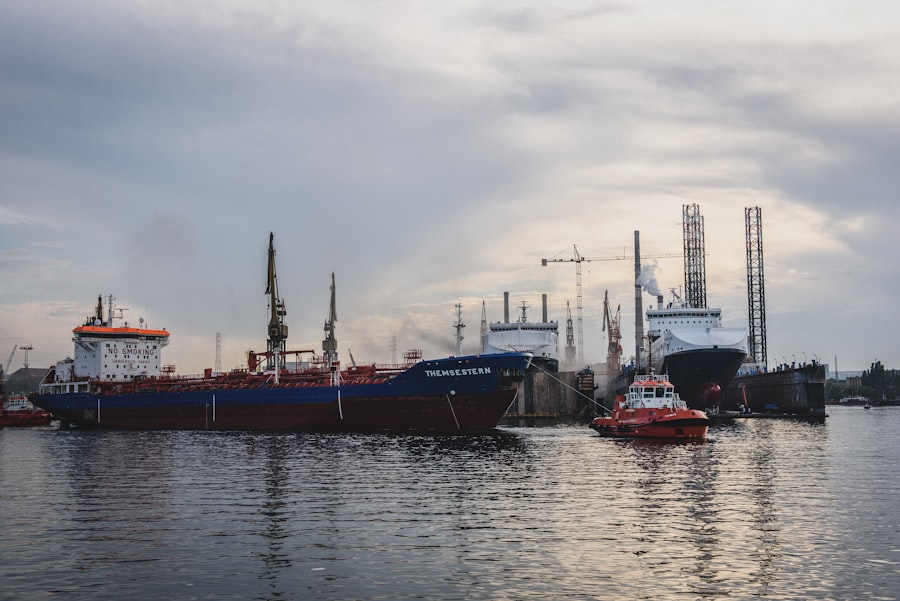
A skilled and knowledgeable workforce is significantly less likely to suffer accidents. Comprehensive training programs are indispensable for equipping workers with the necessary skills and awareness to perform their jobs safely.
Initial Training and Onboarding
All new workers should undergo a thorough induction program that covers general safety principles, specific hazards of the shipbreaking yard, and emergency procedures.
Hazard Awareness Training
This training should focus on educating workers about the specific hazards they may encounter, including chemical, physical, and biological risks.
Safe Work Practice Training
Workers need to be trained on the correct techniques and procedures for performing their tasks safely, including the use of tools and equipment.
Ongoing and Specialized Training
Safety is not a static concept; continuous learning and specialized training are required to maintain a high level of competence.
Refresher Courses
Regular refresher courses on general safety and specific hazards help to reinforce knowledge and address any complacency.
Task-Specific Competency Development
For specialized tasks, such as welding, rigging, or working with hazardous materials, workers should receive dedicated training and certification to ensure they possess the necessary skills and knowledge.
Training on New Technologies and Procedures
As new equipment or work processes are introduced, workers must be trained on their safe operation and implementation.
Promoting a Safety Culture
Beyond formal training, fostering a strong safety culture where safety is prioritized and valued by everyone, from management to the newest worker, is crucial.
Management Commitment
Visible commitment from management to safety, demonstrated through resource allocation, policy enforcement, and leading by example, is essential for embedding a safety-first mindset.
Worker Participation and Feedback
Encouraging workers to report hazards, suggest improvements, and participate in safety committees empowers them and leverages their firsthand knowledge to enhance safety.
Open Communication and Reporting
Creating an environment where workers feel comfortable reporting near misses, incidents, and unsafe conditions without fear of reprisal is critical for learning and preventing future accidents.
Worker safety in shipbreaking yards is a critical issue that has garnered attention in recent years due to the hazardous conditions faced by laborers in this industry. A related article discusses various safety measures and regulations that can be implemented to protect workers from the dangers associated with dismantling ships. For more insights on this important topic, you can read the article here. By raising awareness and advocating for better practices, we can help ensure a safer working environment for those involved in shipbreaking.
Regulatory Oversight and Corporate Responsibility
| Metrics | Data |
|---|---|
| Number of accidents | 25 |
| Number of fatalities | 5 |
| Number of safety inspections | 50 |
| Percentage of workers with safety training | 80% |
While individual yards have a primary responsibility for worker safety, effective regulatory oversight and a strong sense of corporate responsibility are vital for driving improvements and ensuring a level playing field.
Government Regulations and Enforcement
National and international regulations set the minimum standards for safety in shipbreaking yards. Robust enforcement mechanisms are necessary to ensure compliance.
Health and Safety Legislation
Governments must enact and enforce comprehensive health and safety legislation that specifically addresses the unique hazards of shipbreaking.
Inspections and Audits
Regular, unannounced inspections by regulatory bodies can identify non-compliance and unsafe practices, prompting corrective actions. Independent audits can also provide valuable insights.
Penalties for Non-Compliance
Meaningful penalties for non-compliance, including fines and potential shutdowns, act as a deterrent against negligence.
International Standards and Conventions
International agreements and conventions can help to standardize safety practices across different countries, particularly important given the global nature of the shipbreaking industry.
The Hong Kong Convention
The International Convention for the Safe and Environmentally Sound Recycling of Ships (the Hong Kong Convention) aims to address issues related to ship recycling, including safety and environmental protection. Ratification and implementation of such conventions are crucial.
Ethical Sourcing and Supply Chain Responsibility
Companies that send ships for breaking have a responsibility to ensure that these vessels are dismantled in a safe and environmentally sound manner.
Due Diligence and Auditing of Yards
Ship owners and operators should conduct thorough due diligence on shipbreaking yards before sending their vessels for dismantling, including auditing their safety practices and environmental compliance.
Collaboration and Knowledge Sharing
Encouraging collaboration and the sharing of best practices among shipbreaking yards, regulatory bodies, and international organizations can accelerate progress in improving worker safety. Sharing lessons learned from incidents, developing common training modules, and jointly addressing emerging challenges are all vital aspects of this collaborative effort. The continuous evolution of the shipbreaking industry demands a perpetual commitment to learning and adaptation, ensuring that the pursuit of safety remains at the forefront of all operations.
The safety of workers in shipbreaking yards is a complex challenge that requires a holistic and sustained effort. From identifying the inherent dangers of the deconstruction process to implementing robust safety management systems, providing appropriate PPE, investing in comprehensive training, and ensuring strong regulatory oversight and corporate responsibility, every element plays a crucial role. By prioritizing worker safety, shipbreaking yards can transform from high-risk environments into workplaces where lives are protected, and valuable resources are recycled responsibly, contributing to both human well-being and environmental sustainability. The ongoing commitment to these principles will be the true measure of success in this vital industry.

The Beaches Global Trade Can’t Afford to Lose
FAQs
What is shipbreaking?
Shipbreaking is the process of dismantling old ships for scrap metal and recycling. This process typically takes place in shipbreaking yards, where workers dismantle the ships by hand.
What are the safety hazards in shipbreaking yards?
Workers in shipbreaking yards are exposed to a range of safety hazards, including heavy machinery, toxic chemicals, asbestos, and the risk of fire and explosions. Additionally, the physical labor involved in shipbreaking can lead to musculoskeletal injuries.
What measures are in place to ensure worker safety in shipbreaking yards?
To ensure worker safety in shipbreaking yards, various measures are in place, including the use of personal protective equipment, regular safety training, proper handling of hazardous materials, and the implementation of safety protocols for working with heavy machinery.
What are the health risks for workers in shipbreaking yards?
Workers in shipbreaking yards are at risk of exposure to toxic substances such as asbestos, lead, and other hazardous materials, which can lead to long-term health issues such as respiratory problems, cancer, and other occupational diseases.
What are some initiatives to improve worker safety in shipbreaking yards?
Several initiatives have been launched to improve worker safety in shipbreaking yards, including the development of international guidelines and standards, the promotion of responsible ship recycling practices, and the implementation of training programs for workers and management.