
Control room operators are essential personnel in energy, transportation, and manufacturing sectors.
Due to the critical nature of these responsibilities, comprehensive training programs are necessary for control room operators.
Training provides operators with the technical skills and knowledge required to manage real-time operational scenarios, reduce operational risks, and improve system efficiency. Control room environments require operators to maintain current knowledge of evolving technologies and operational procedures. As industries implement new systems and technologies, continuous training ensures operators remain proficient in current best practices and industry developments.
Structured training programs establish safety standards and operational reliability while building operator competency and job performance. Well-trained operators demonstrate improved performance capabilities, which directly supports organizational operational objectives.
Key Takeaways
- Control room operator training is crucial for ensuring safety and operational efficiency.
- Essential skills include technical knowledge, problem-solving, and situational awareness.
- Simulations and virtual reality provide realistic, hands-on training experiences.
- Continuous learning programs help operators stay updated with evolving technologies and procedures.
- Effective communication and teamwork are vital for successful control room operations.
Key Skills and Knowledge for Control Room Operators
Control room operators must possess a diverse set of skills and knowledge to navigate the complexities of their roles effectively. First and foremost, they need a strong foundation in technical knowledge related to the systems they monitor. This includes understanding the operational principles of machinery, software applications, and safety protocols.
A solid grasp of these technical aspects enables operators to identify potential issues before they escalate into serious problems. In addition to technical expertise, control room operators must also develop critical thinking and problem-solving skills. The ability to analyze data quickly and make informed decisions is crucial in high-pressure situations.
Operators often face unexpected challenges that require them to think on their feet and devise effective solutions promptly. Furthermore, strong analytical skills allow them to interpret data trends and make proactive adjustments to optimize system performance. This combination of technical knowledge and critical thinking is essential for ensuring the safety and efficiency of operations.
Utilizing Simulations and Virtual Reality in Training
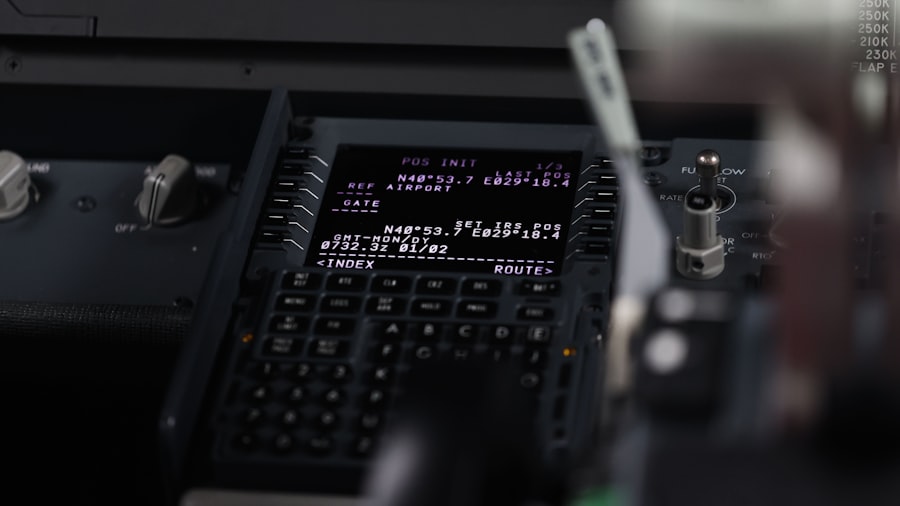
In recent years, the integration of simulations and virtual reality (VR) into training programs has revolutionized how control room operators are prepared for their roles. These advanced training tools provide immersive experiences that closely mimic real-life scenarios, allowing operators to practice their skills in a safe environment. By engaging with realistic simulations, trainees can develop their decision-making abilities and learn how to respond effectively to various situations without the risk of real-world consequences.
Moreover, VR training can be tailored to address specific challenges faced by different industries. For instance, operators in the energy sector may encounter unique scenarios related to power distribution, while those in transportation may focus on traffic management systems. This customization ensures that training is relevant and applicable, enhancing the overall learning experience.
As technology continues to advance, the potential for simulations and VR in operator training will only expand, offering even more opportunities for skill development.
Implementing Continuous Learning and Development Programs
The landscape of control room operations is constantly evolving due to technological advancements and changing industry standards. As such, implementing continuous learning and development programs is vital for maintaining a skilled workforce. These programs encourage operators to engage in lifelong learning, ensuring they remain current with industry trends and best practices.
By fostering a culture of continuous improvement, organizations can enhance their operational resilience and adaptability.
Organizations can also facilitate knowledge sharing among employees through regular team meetings or collaborative projects.
By creating an environment where learning is valued and encouraged, companies can empower their control room operators to take ownership of their professional development. This proactive approach not only benefits individual employees but also strengthens the organization as a whole by cultivating a knowledgeable and skilled workforce.
Importance of Communication and Teamwork in Control Room Operations
| Training Metric | Description | Typical Value/Range | Measurement Frequency |
|---|---|---|---|
| Training Duration | Total hours required to complete control room operator training | 80 – 120 hours | Per training cycle |
| Certification Pass Rate | Percentage of trainees passing certification exams on first attempt | 85% – 95% | After each certification exam |
| Simulation Training Hours | Hours spent on simulator-based training exercises | 30 – 50 hours | Per training cycle |
| On-the-Job Training (OJT) Hours | Practical training hours under supervision in the control room | 40 – 60 hours | Per training cycle |
| Knowledge Retention Rate | Percentage of key concepts retained by operators after 6 months | 75% – 90% | 6 months post-training |
| Incident Response Time | Average time taken by operators to respond to simulated incidents | Under 2 minutes | During simulation drills |
| Refresher Training Frequency | How often refresher training is conducted | Every 12 months | Annually |
| Operator Competency Score | Composite score based on practical and theoretical assessments | 85% – 100% | At end of training and annually |
Effective communication and teamwork are fundamental components of successful control room operations. Operators often work in high-pressure environments where clear communication is essential for coordinating responses to emergencies or system anomalies. Miscommunication can lead to critical errors that jeopardize safety and operational integrity.
Therefore, training programs must emphasize the importance of clear communication protocols and encourage operators to develop strong interpersonal skills. Teamwork is equally crucial in control room settings, as operators frequently collaborate with colleagues from various departments or disciplines. A cohesive team can leverage each member’s strengths to address challenges more effectively.
Training that fosters collaboration helps build trust among team members, enabling them to work together seamlessly during high-stress situations. By prioritizing communication and teamwork in training programs, organizations can create a more efficient and resilient control room environment.
Utilizing Technology for Enhanced Monitoring and Control
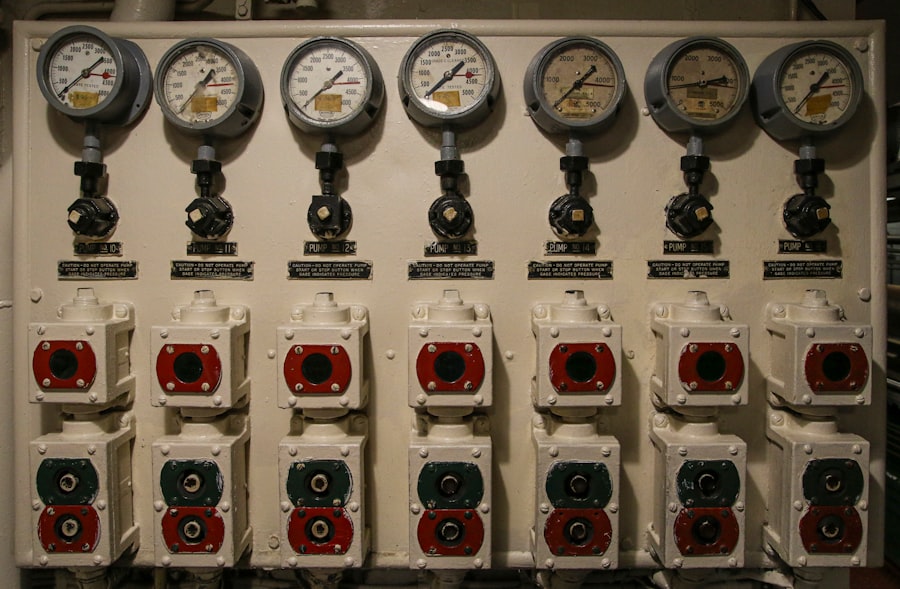
The integration of advanced technology into control room operations has transformed how operators monitor systems and respond to incidents. Modern control rooms are equipped with sophisticated software tools that provide real-time data visualization, predictive analytics, and automated alerts. These technologies enable operators to gain deeper insights into system performance, allowing them to make informed decisions quickly.
Furthermore, technology can enhance situational awareness by consolidating information from various sources into a single interface. This holistic view allows operators to identify trends, detect anomalies, and respond proactively to potential issues. Training programs should focus on familiarizing operators with these technological tools, ensuring they can leverage them effectively in their daily tasks.
By embracing technology as an integral part of control room operations, organizations can improve efficiency and reduce the likelihood of errors.
Best Practices for Control Room Operator Training
To maximize the effectiveness of control room operator training programs, organizations should adhere to several best practices. First, training should be tailored to meet the specific needs of the organization and its operators. This customization ensures that trainees receive relevant information that directly applies to their roles.
Additionally, incorporating a variety of training methods—such as hands-on exercises, simulations, and classroom instruction—can cater to different learning styles and enhance engagement. Another best practice involves regularly assessing the effectiveness of training programs through feedback mechanisms and performance evaluations. Gathering input from trainees allows organizations to identify areas for improvement and make necessary adjustments to their training curricula.
Furthermore, establishing clear performance metrics can help measure the impact of training on operational outcomes. By continuously refining training programs based on feedback and performance data, organizations can ensure that their control room operators are well-prepared for the challenges they face.
Measuring and Evaluating the Effectiveness of Training Programs
Measuring the effectiveness of control room operator training programs is essential for ensuring that investments in training yield positive results. Organizations can employ various evaluation methods to assess both short-term knowledge retention and long-term performance improvements. One common approach is to conduct pre- and post-training assessments that gauge participants’ understanding of key concepts before and after completing the program.
In addition to knowledge assessments, organizations should track performance metrics related to operational efficiency, safety incidents, and response times following training interventions. Analyzing these metrics over time can provide valuable insights into the impact of training on overall performance. Furthermore, soliciting feedback from participants about their training experiences can help identify strengths and weaknesses within the program itself.
By adopting a comprehensive approach to measuring training effectiveness, organizations can ensure that their control room operators are equipped with the skills necessary for success in an ever-evolving landscape.
Effective training for control room operators is crucial for ensuring safety and efficiency in various industries. A related article that delves into the best practices for training these operators can be found at this link. This resource provides valuable insights into the skills and knowledge required for control room personnel, highlighting the importance of comprehensive training programs in maintaining operational excellence.
WATCH THIS! The Universe’s Speed Limit Is Changing (And Nobody Can Stop It)
FAQs
What is control room operator training?
Control room operator training is a specialized program designed to equip individuals with the skills and knowledge required to monitor and manage control systems in various industries such as power plants, manufacturing, and transportation.
Why is control room operator training important?
This training is crucial because control room operators are responsible for ensuring the safe and efficient operation of complex systems. Proper training helps prevent accidents, improves response times to emergencies, and maintains operational continuity.
What topics are covered in control room operator training?
Training typically includes system monitoring, emergency procedures, communication protocols, equipment operation, safety regulations, troubleshooting techniques, and use of control room technology.
Who should undergo control room operator training?
Individuals working or aspiring to work as control room operators in industries such as energy, manufacturing, transportation, and utilities should undergo this training to perform their duties effectively.
How long does control room operator training usually take?
The duration varies depending on the industry and complexity of the systems but generally ranges from a few weeks to several months, including both classroom instruction and hands-on practice.
Are there certifications available for control room operators?
Yes, many industries offer certification programs that validate an operator’s competency and knowledge, which can enhance career prospects and ensure compliance with regulatory standards.
What skills are essential for a control room operator?
Key skills include attention to detail, problem-solving, effective communication, ability to work under pressure, technical proficiency with control systems, and knowledge of safety protocols.
Can control room operator training be done online?
Some theoretical components of control room operator training can be completed online; however, practical hands-on training is typically required in a controlled environment to ensure competency.
How often should control room operators undergo refresher training?
Refresher training is usually recommended annually or as required by industry regulations to keep operators updated on new technologies, procedures, and safety standards.
What industries commonly require control room operator training?
Industries such as power generation, oil and gas, water treatment, manufacturing, transportation, and telecommunications commonly require control room operator training.