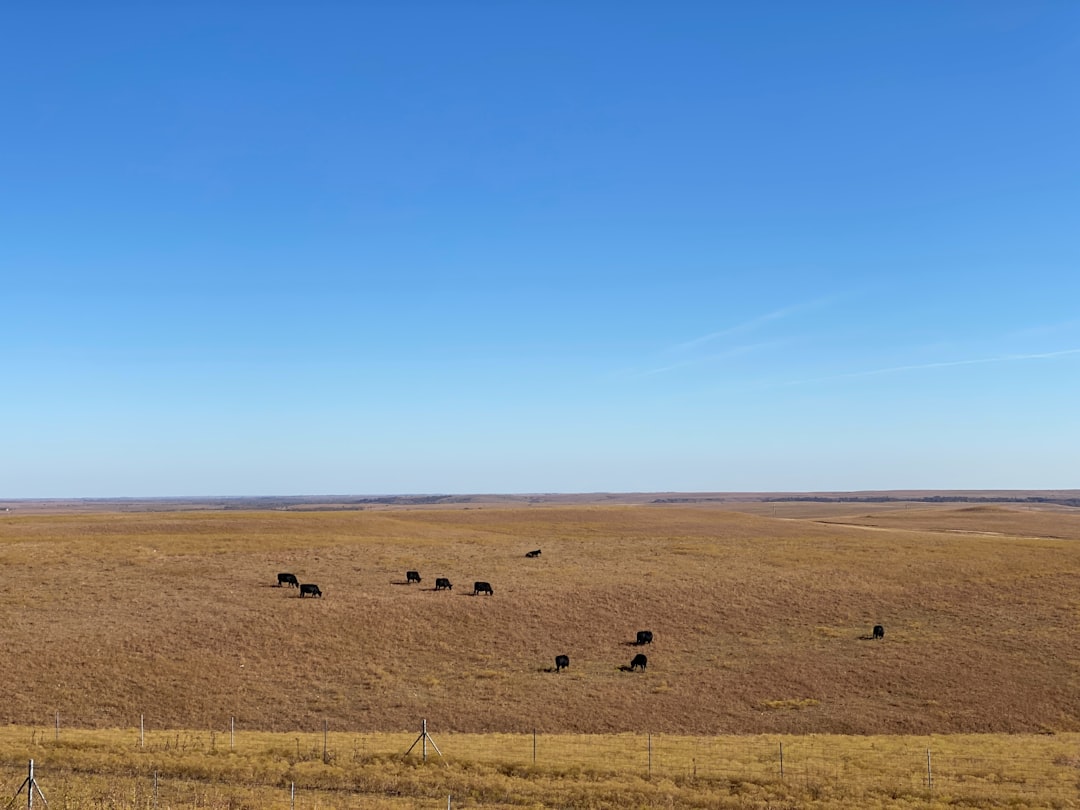
Prairie strips represent a land management strategy that incorporates native prairie vegetation into agricultural systems. These strips consist of diverse native grasses and wildflowers positioned within or adjacent to crop fields to improve ecological function while preserving agricultural production capacity. This approach addresses the need to balance food production with environmental stewardship.
The implementation of prairie strips responds to documented environmental impacts associated with intensive monoculture agriculture. Research demonstrates that integrating native plant communities into farming operations can increase biodiversity, reduce soil erosion, improve water infiltration, and provide habitat for beneficial insects and wildlife.
Prairie strips typically occupy 10-20% of a field’s area but can provide disproportionate environmental benefits.
The practice has gained adoption among farmers seeking to meet conservation goals while maintaining economic viability of their operations.
Key Takeaways
- Prairie strips are strategically planted areas of native vegetation within agricultural fields that promote conservation.
- They enhance biodiversity by providing habitat for pollinators, birds, and beneficial insects.
- Prairie strips improve soil health by reducing erosion and increasing organic matter.
- These strips help improve water quality by filtering runoff and reducing nutrient loss.
- Adoption of prairie strips faces challenges but offers economic incentives and proven success in various case studies.
Benefits of Prairie Strips for Conservation
The conservation benefits of prairie strips are manifold, addressing critical issues such as habitat loss, soil erosion, and water pollution. One of the most significant advantages is their ability to provide habitat for a variety of wildlife species. As natural habitats continue to diminish due to urbanization and intensive farming practices, prairie strips serve as vital refuges for birds, pollinators, and other beneficial organisms.
These strips create corridors that facilitate movement and migration, thereby enhancing the overall health of local ecosystems. In addition to providing habitat, prairie strips play a crucial role in soil conservation. The deep-rooted native plants help anchor the soil, reducing erosion caused by wind and water.
This stabilization is particularly important in agricultural settings where soil degradation can lead to decreased crop yields and increased reliance on chemical fertilizers. By promoting healthy soil structure and fertility, prairie strips contribute to long-term agricultural sustainability while simultaneously supporting conservation efforts.
How Prairie Strips Support Biodiversity

Biodiversity is essential for ecosystem resilience, and prairie strips significantly contribute to this vital aspect of environmental health. The diverse plant species found in prairie strips attract a wide range of pollinators, including bees and butterflies, which are crucial for the pollination of many crops. This not only enhances agricultural productivity but also supports the broader ecosystem by ensuring that various plant species can reproduce and thrive.
Moreover, the presence of diverse flora in prairie strips creates a more complex habitat that can support various animal species. Birds, small mammals, and insects find shelter and food within these strips, fostering a rich tapestry of life that might otherwise be absent in monoculture fields. This increase in biodiversity can lead to natural pest control, reducing the need for chemical pesticides and promoting a healthier agricultural environment.
The Role of Prairie Strips in Soil Health
Soil health is a cornerstone of sustainable agriculture, and prairie strips play an instrumental role in enhancing it. The deep root systems of native prairie plants improve soil structure by creating channels that allow for better water infiltration and aeration. This not only helps retain moisture during dry periods but also reduces runoff during heavy rains, mitigating the risk of flooding and soil erosion.
Furthermore, prairie strips contribute to soil fertility through the natural processes of nutrient cycling. As plants grow and die, they return organic matter to the soil, enriching it with essential nutrients. This organic matter also supports a diverse community of soil organisms, such as earthworms and beneficial microbes, which further enhance soil health.
By integrating prairie strips into agricultural practices, farmers can cultivate healthier soils that support robust crop production while minimizing the need for synthetic fertilizers.
Prairie Strips as a Tool for Water Quality Improvement
| Metric | Value | Unit | Description |
|---|---|---|---|
| Soil Erosion Reduction | 95 | % | Reduction in soil erosion compared to conventional row cropping |
| Nitrogen Runoff Reduction | 90 | % | Decrease in nitrogen runoff entering waterways |
| Phosphorus Runoff Reduction | 85 | % | Decrease in phosphorus runoff entering waterways |
| Wildlife Habitat Increase | 30 | % | Increase in habitat availability for pollinators and birds |
| Water Infiltration Improvement | 50 | % | Increase in water infiltration rates in treated fields |
| Prairie Strip Width | 10-20 | feet | Typical width range of prairie strips in agricultural fields |
| Land Area Converted | 10 | % | Percentage of field area converted to prairie strips for optimal benefits |
Water quality is a pressing concern in many agricultural regions, where runoff from fields can carry fertilizers, pesticides, and sediment into nearby waterways. Prairie strips serve as effective buffers that intercept this runoff before it reaches streams and rivers. The dense vegetation in these strips absorbs excess nutrients and filters out pollutants, significantly improving water quality in adjacent bodies of water.
In addition to filtering pollutants, prairie strips help reduce sedimentation in waterways by stabilizing the soil and preventing erosion. This is particularly important in areas prone to heavy rainfall or where conventional farming practices have led to significant soil loss. By implementing prairie strips, farmers can protect local water resources while also complying with environmental regulations aimed at preserving water quality.
Implementing Prairie Strips on Agricultural Land

The implementation of prairie strips on agricultural land requires careful planning and consideration of various factors. Farmers must assess their land’s specific needs and conditions to determine the most effective placement and design for these strips. Factors such as soil type, topography, and existing vegetation all play a role in the successful establishment of prairie strips.
Collaboration with conservation organizations and agricultural extension services can provide valuable guidance during the implementation process. These partnerships can help farmers select appropriate native plant species that are well-suited to their local environment and ensure that the strips are designed to maximize ecological benefits while minimizing disruption to existing farming operations. Education and outreach efforts are also essential in promoting awareness of prairie strips among farmers and encouraging their adoption.
Economic Incentives for Prairie Strip Implementation
Economic considerations are often a significant factor in farmers’ decisions to adopt new practices like prairie strips. Fortunately, various financial incentives exist to support the implementation of these conservation practices. Government programs at both state and federal levels may offer cost-sharing opportunities or grants to assist farmers in establishing prairie strips on their land.
Additionally, the long-term benefits of prairie strips can lead to cost savings for farmers over time. By improving soil health and water quality, these strips can reduce the need for expensive inputs such as fertilizers and pesticides. Furthermore, healthier ecosystems can lead to increased crop yields and resilience against pests and diseases, ultimately enhancing farm profitability.
Challenges and Barriers to Prairie Strip Adoption
Despite the numerous benefits associated with prairie strips, several challenges hinder their widespread adoption among farmers. One significant barrier is the initial investment required for establishing these strips. Farmers may be hesitant to allocate resources toward planting native vegetation when immediate financial returns are uncertain.
Moreover, there may be concerns about potential impacts on crop production during the establishment phase of prairie strips. Farmers often prioritize short-term yields over long-term ecological benefits, leading to reluctance in adopting practices that may temporarily reduce available cropland. Addressing these concerns through education and demonstration projects can help alleviate fears and encourage more farmers to consider integrating prairie strips into their operations.
Case Studies of Successful Prairie Strip Projects
Several successful case studies illustrate the potential of prairie strips as a viable conservation practice within agricultural landscapes. One notable example comes from Iowa State University’s research on prairie strips in row-crop fields. Their studies demonstrated that even narrow strips could significantly reduce soil erosion and nutrient runoff while providing habitat for wildlife.
Another successful project took place in Wisconsin, where farmers collaborated with local conservation groups to establish prairie strips on their land. These initiatives not only improved water quality in nearby lakes but also enhanced biodiversity by attracting various pollinators and other wildlife species. These case studies serve as powerful examples of how prairie strips can be effectively implemented to achieve both conservation goals and agricultural productivity.
Future Opportunities for Prairie Strip Expansion
The future of prairie strip expansion looks promising as awareness grows regarding their ecological benefits and economic viability. Continued research into best practices for establishing and maintaining these strips will further enhance their effectiveness in various agricultural contexts. Additionally, as climate change poses new challenges for agriculture, prairie strips may offer adaptive solutions by improving resilience against extreme weather events.
Furthermore, increased collaboration between farmers, researchers, and conservation organizations will be essential in promoting the adoption of prairie strips across diverse landscapes. By sharing knowledge and resources, stakeholders can work together to create a more sustainable agricultural future that prioritizes both productivity and environmental health.
The Potential Impact of Prairie Strips on Conservation
In conclusion, prairie strips represent a powerful tool for advancing conservation efforts within agricultural landscapes. Their ability to enhance biodiversity, improve soil health, and protect water quality makes them an invaluable asset in the quest for sustainable farming practices. While challenges remain in terms of adoption and implementation, the potential benefits far outweigh the obstacles.
As more farmers recognize the long-term advantages of integrating prairie strips into their operations, they will contribute not only to their own economic sustainability but also to broader environmental goals. The future holds great promise for prairie strip expansion as communities come together to embrace innovative solutions that benefit both agriculture and conservation alike. Through continued education, collaboration, and support for farmers willing to adopt these practices, prairie strips can play a pivotal role in shaping a healthier planet for generations to come.
Prairie strips are an innovative conservation practice that enhances biodiversity and improves water quality by integrating native prairie vegetation into agricultural landscapes. For a deeper understanding of the benefits and implementation of such conservation buffers, you can read more in this related article on GeoQuest. This resource provides valuable insights into how prairie strips can effectively serve as a buffer, promoting ecological health while supporting agricultural productivity.
FAQs
What are prairie strips conservation buffers?
Prairie strips conservation buffers are areas of native prairie vegetation planted within or around agricultural fields. They are designed to reduce soil erosion, improve water quality, and enhance biodiversity by slowing runoff and trapping sediment and nutrients.
How do prairie strips help in soil conservation?
Prairie strips help conserve soil by stabilizing the ground with deep-rooted native plants. These roots hold the soil in place, reduce erosion caused by wind and water, and prevent the loss of valuable topsoil from agricultural fields.
What environmental benefits do prairie strips provide?
Prairie strips improve water quality by filtering out sediments, nutrients, and pesticides before they reach waterways. They also provide habitat for pollinators and wildlife, increase biodiversity, and contribute to carbon sequestration.
Where are prairie strips typically implemented?
Prairie strips are commonly implemented in row-crop agricultural landscapes, especially in the Midwest United States, where they are integrated into fields of corn, soybeans, and other crops to enhance conservation efforts.
How much land is needed to establish prairie strips?
Research suggests that converting as little as 10-20% of a field into prairie strips can significantly reduce soil erosion and nutrient runoff while maintaining crop productivity on the remaining land.
Are prairie strips cost-effective for farmers?
While there may be initial costs for planting and establishing prairie strips, they can be cost-effective in the long term by reducing soil loss, improving water quality, and potentially qualifying for conservation incentives and cost-share programs.
How long does it take for prairie strips to become effective?
Prairie strips typically begin to provide environmental benefits within the first few years after planting, as native plants establish and root systems develop, with full benefits increasing over time.
Can prairie strips be combined with other conservation practices?
Yes, prairie strips can be integrated with other conservation practices such as cover cropping, contour farming, and buffer strips to enhance overall landscape resilience and environmental outcomes.
Do prairie strips affect crop yields?
Studies have shown that prairie strips do not significantly reduce crop yields on the remaining farmland and may improve overall farm sustainability by protecting soil and water resources.
How are prairie strips maintained?
Maintenance of prairie strips includes periodic mowing or controlled burns to manage invasive species and promote native plant health, as well as monitoring to ensure the strips continue to function effectively.