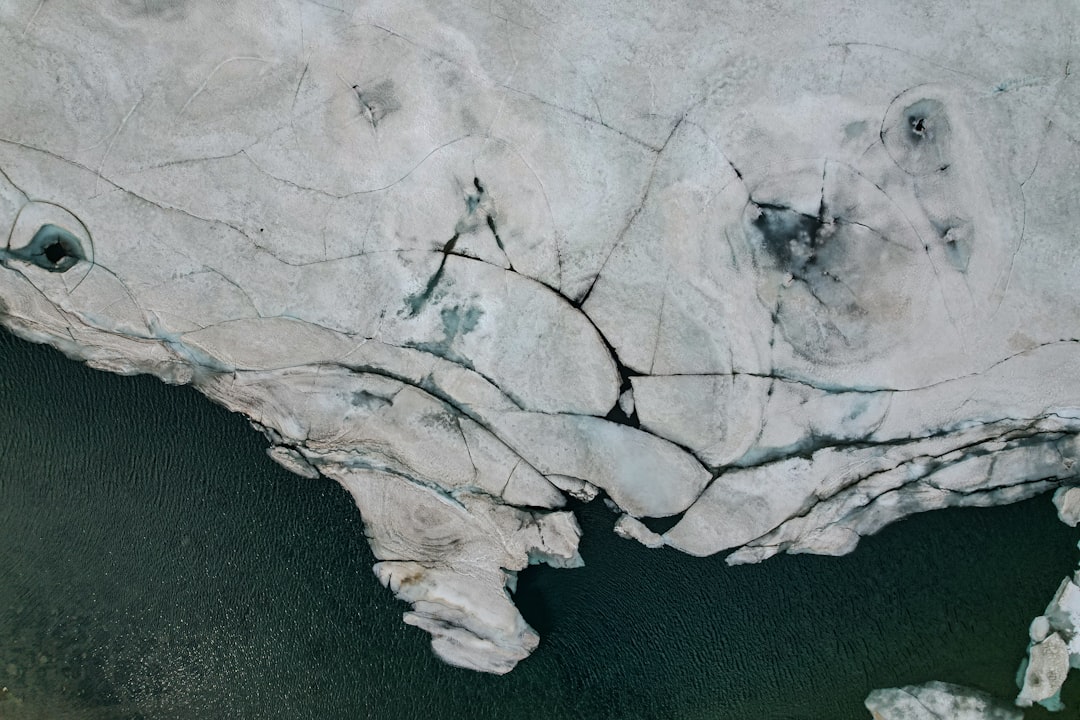
The vast, often-inaccessible Arctic Ocean presents a formidable challenge to scientific inquiry. Its icy expanses and extreme weather conditions restrict direct observation, creating blind spots in our understanding of this critical region. However, technological advancements are beginning to pierce the veil of the Arctic’s mystery, and among the most promising are seabed acoustic sensor webs. These networks, strategically deployed on the ocean floor, offer a continuous, passive means of gathering data, acting as the ocean’s own ears, listening to its subtle whispers and powerful roars.
Understanding the Arctic Ocean is paramount for grasping global climate patterns, predicting sea-level rise, and managing the resources of this rapidly changing frontier. Yet, traditional oceanographic methods are often hampered by the unique environmental conditions.
Navigating the Ice Maze
The presence of sea ice, which can extend over vast areas and vary in thickness and stability, poses a significant logistical hurdle. Icebreakers are essential but limited in their operational windows and accessibility to remote regions. Deploying and recovering equipment often requires specialized vessels and a high tolerance for risk.
The Tyranny of Distance and Time
The sheer size of the Arctic Ocean means that research expeditions can be lengthy and expensive. Moreover, the seasonal nature of open water windows severely constrains the periods when traditional research can be conducted. This limited temporal access means that critical short-term events, such as ice melt dynamics or the passage of marine mammals, can be easily missed.
The Limited Scope of Direct Observation
Even when research vessels are present, the scope of direct observation is inherently limited. It is akin to trying to understand an entire forest by only observing a few trees from a single vantage point. Acoustic sensors, conversely, can cover a much larger area and operate without interruption, providing a more holistic picture.
Recent advancements in Arctic sensor webs have highlighted the importance of acoustic nodes on the seabed for monitoring environmental changes and marine life. A related article discusses the integration of these technologies and their potential impact on climate research and oceanography. For more information, you can read the full article here: Arctic Sensor Webs and Acoustic Nodes.
The Promise of Acoustic Sensing
The concept of using sound to probe the underwater world is not new. Sonar systems have been employed for decades for navigation and military purposes. However, the development of advanced acoustic sensor networks specifically for scientific research in the Arctic represents a significant leap forward, offering a continuous, unobtrusive, and wide-ranging observational capability.
The Power of Passive Listening
Unlike active sonar, which emits sound pulses and listens for echoes, passive acoustic monitoring (PAM) relies on detecting naturally occurring sounds. This is crucial in the sensitive Arctic environment, as the emission of sound can disturb marine life and interfere with delicate ecosystem processes. Seabed acoustic sensor webs act as silent observers, capturing the ambient soundscape of the Arctic, from the grinding of glaciers to the songs of whales.
Unlocking the Secrets of the Soundscape
The sounds within the Arctic Ocean are far more than just noise; they are a rich tapestry of information. Each sound tells a story about the environment, its inhabitants, and the physical processes at play.
Marine Mammal Vocalizations
The Arctic is home to a diverse array of marine mammals, including whales, seals, and walruses. Their vocalizations are essential for communication, navigation, and social interaction. By deploying acoustic sensors, researchers can continuously monitor the presence, distribution, and behavior of these species, even in areas where direct visual observation is impossible. This data is invaluable for understanding population health, migration patterns, and the impact of human activities.
Ice Dynamics and Sounds
The breaking, cracking, and shifting of sea ice generate a distinct acoustic signature. These sounds can provide insights into the rate of ice melt, the formation of leads (openings in the ice), and the overall stability of the ice pack. Understanding these processes is critical for predicting sea ice extent and its impact on climate.
Geophysical Activity
The seabed itself is not silent. Tectonic activity, hydrothermal vents, and the movement of sediments all produce acoustic signals. These signals can help scientists map the geology of the Arctic seafloor, identify areas of potential volcanic or seismic activity, and understand the processes that shape the ocean floor.
Anthropogenic Noise
While the Arctic has historically been considered a relatively quiet environment, increasing human activity, such as shipping and offshore resource exploration, is introducing anthropogenic noise. Acoustic sensor webs can help quantify the levels and types of this noise, providing crucial data for assessing its potential impact on marine ecosystems and for developing mitigation strategies.
Architecture and Deployment of Sensor Webs

The effectiveness of seabed acoustic sensor webs hinges on their robust design, sophisticated deployment strategies, and reliable data transmission capabilities.
The Components of a Sensor Node
Each node within an acoustic sensor web is a self-contained unit designed to operate autonomously for extended periods in harsh oceanic conditions.
Hydrophones
The primary sensing element is the hydrophone, a transducer that converts underwater sound pressure waves into electrical signals. These are the “ears” of the system, designed to capture a wide range of frequencies, from low-frequency whale calls to the higher-frequency sounds of ice cracking.
Data Acquisition and Storage
Sophisticated onboard electronics are responsible for digitizing the analog signals from the hydrophones and processing them. This includes tasks such as filtering, amplification, and potentially real-time analysis or data compression to minimize storage requirements. Sufficient onboard memory is essential to store vast amounts of acoustic data collected over months or even years.
Power Sources
Reliable and long-lasting power is a critical consideration. Options include long-life batteries, such as those utilizing lithium-thiol technology, or energy harvesting systems that can recharge from ambient ocean currents or thermal gradients. The choice of power source dictates the deployment duration of the sensor node.
Navigation and Positioning
Accurate positioning is vital for understanding where the sound is coming from and for mapping the soundscape. While GPS is not available underwater, acoustic transponders and inertial navigation systems can be used to establish the precise location of each sensor node relative to each other and to known geographical points.
Pressure Housing and Anchoring
The sensor nodes must be housed in extremely robust pressure-resistant casings to withstand the immense hydrostatic pressure at significant ocean depths. They are typically anchored to the seabed using heavy weights or specialized anchoring systems to ensure they remain stable and in their intended positions, even in strong currents.
Strategic Deployment Methodologies
The placement of sensor nodes is not arbitrary; it is a carefully considered process designed to maximize scientific return and cover areas of particular interest.
Grid and Array Configurations
Sensor webs can be deployed in various configurations, such as regular grids covering broad areas or specialized arrays designed to pinpoint sound sources or study specific underwater features. The density of the nodes within these configurations is determined by the research question and the expected spatial variability of the acoustic phenomena being studied.
Leveraging Autonomous Underwater Vehicles (AUVs) and Gliders
AUVs and gliders equipped with acoustic sensing capabilities can be used to map the seafloor and strategically place sensor nodes. These platforms can also undertake preliminary acoustic surveys, helping to identify optimal locations for fixed sensor deployments, much like a scout paving the way for an army.
Ice-Borne Deployments
During periods of ice cover, specialized ice-breaking vessels or even ice-capable aircraft can be used to deploy sensor nodes through pre-drilled holes in the ice. The ice itself can act as a temporary platform, allowing for deployments in remote and previously inaccessible areas.
Remote Survey and Maintenance
Maintaining and potentially retrieving sensor nodes deployed in remote Arctic locations presents a significant logistical challenge. Advanced remote sensing and diagnostic tools are employed to monitor the health and performance of the sensor web, and planned maintenance or retrieval operations are carefully coordinated with available ice conditions and vessel support.
Data Transmission and Analysis

The raw acoustic data collected by sensor webs is only the beginning of the scientific process. Effectively transmitting this data to shore and analyzing it presents its own set of challenges and innovative solutions.
The Hurdle of Bandwidth
Transmitting large volumes of acoustic data from remote Arctic locations to research institutions presents a significant bandwidth challenge. The vastness of the ocean and the limitations of satellite communication in high-latitude regions mean that traditional high-speed internet is not an option.
Acoustic Modems
Underwater acoustic modems are a common solution for transmitting data between sensor nodes and potentially to a surface buoy that can then relay the data via satellite. These modems transmit data as sound pulses, albeit at much higher frequencies and with more sophisticated encoding than natural sounds, to overcome the limitations of underwater communication.
Buoy Systems and Satellite Uplink
Sensor nodes may be linked to moored surface buoys equipped with satellite communication systems. These buoys act as data hubs, collecting information from multiple sensor nodes and transmitting it to shore-based servers. The design of these buoys must account for harsh Arctic weather, including strong winds, waves, and ice scour.
Intermittent Data Retrieval
In some cases, direct data retrieval may be the most practical option. This involves physically recovering the data storage devices from the sensor nodes, often requiring specialized expeditions. This approach is typically reserved for long-term deployments or when continuous real-time data is not a primary requirement.
Transforming Sound into Insight
The analysis of vast quantities of acoustic data requires sophisticated computational tools and expertise. This is where the silent whispers of the Arctic are translated into meaningful scientific understanding.
Automated Signal Processing and Classification
Machine learning algorithms and advanced signal processing techniques are essential for automating the analysis of acoustic data. These methods can identify recurring patterns, classify different types of sounds (e.g., whale calls, ice cracking, ship noise), and detect rare or anomalous events. This is akin to sifting through a mountain of sand to find precisely shaped grains.
Soundscape Ecology
Acoustic sensor webs enable the study of “soundscape ecology,” an emerging field that examines the role of sound in ecosystems. Researchers can identify how changes in the acoustic environment, such as increased ship traffic, affect marine mammal behavior, breeding success, or foraging efficiency.
Source Localization and Mapping
By triangulating the arrival times of acoustic signals at multiple sensor nodes, researchers can accurately determine the location of sound sources. This allows for the creation of detailed maps of marine mammal distribution, the tracking of ice floes, or the identification of underwater geological features.
Long-Term Trend Analysis
The continuous nature of data collection from sensor webs allows for the identification of long-term trends in the Arctic acoustic environment. This is crucial for monitoring the impacts of climate change, such as changes in ice cover, ocean temperature, and the presence of marine species, over decadal timescales.
Recent advancements in Arctic sensor webs have highlighted the importance of acoustic nodes deployed on the seabed for monitoring environmental changes. These technologies enable researchers to collect vital data on marine ecosystems and climate conditions in one of the planet’s most fragile regions. For a deeper understanding of how these sensor networks function and their impact on oceanographic studies, you can explore a related article that discusses the integration of these systems in detail. Check it out here.
Applications and Future Implications
| Metric | Description | Value | Unit | Notes |
|---|---|---|---|---|
| Number of Acoustic Nodes | Total deployed acoustic sensor nodes on seabed | 25 | nodes | Distributed across Arctic seabed sensor web |
| Frequency Range | Operational frequency range of acoustic sensors | 1 – 50 | kHz | Optimized for underwater sound propagation |
| Communication Range | Maximum effective acoustic communication distance between nodes | 5 | km | Varies with water conditions and noise |
| Power Source | Energy supply for acoustic nodes | Battery + Energy Harvesting | N/A | Includes seabed thermal and wave energy harvesting |
| Data Transmission Rate | Maximum data rate for acoustic communication | 10 | kbps | Limited by underwater acoustic channel bandwidth |
| Deployment Depth | Typical seabed depth for node placement | 300 – 1500 | meters | Varies by Arctic seabed topography |
| Operational Lifetime | Expected functional duration of nodes without maintenance | 2 – 3 | years | Dependent on battery and environmental conditions |
| Sensor Types | Types of sensors integrated in nodes | Acoustic, Temperature, Pressure | N/A | Supports environmental and acoustic monitoring |
The insights gained from seabed acoustic sensor webs have far-reaching implications for scientific understanding, environmental management, and resource development in the Arctic.
Advancing Climate Change Research
The Arctic is warming at an unprecedented rate, and understanding the feedback loops within its ecosystem is critical. Acoustic data can provide continuous measurements of processes that are difficult to observe otherwise, such as the rate of glacial calving and the acoustic signatures associated with permafrost thaw.
Improving Marine Mammal Conservation
The Arctic is a vital habitat for many marine mammal species, some of which are endangered. Acoustic sensor webs provide essential data for monitoring their populations, understanding their migration patterns, and identifying critical habitats. This information is fundamental for developing effective conservation strategies and for assessing the impact of human activities on these vulnerable populations.
Enhancing Navigation and Safety
The increasing maritime traffic in the Arctic, driven by melting sea ice, necessitates improved navigational safety. Acoustic sensor webs can provide real-time information on ice conditions, underwater obstacles, and the presence of marine mammals that may pose a risk to vessels.
Supporting Sustainable Resource Management
As the Arctic becomes more accessible, the potential for resource extraction, such as offshore oil and gas exploration, increases. Acoustic sensor webs can provide baseline data on the natural soundscape and the distribution of marine life, enabling better environmental impact assessments and the development of mitigation measures to minimize the disturbance to the Arctic ecosystem.
The Future of Arctic Surveillance and Understanding
The evolution of acoustic sensor webs promises even more sophisticated capabilities. Miniaturization of sensor technology, improvements in data processing and transmission, and the integration of acoustic data with other sensor modalities (e.g., oceanographic sensors, cameras) will further enhance our ability to understand and monitor this crucial region. The Arctic Ocean, once a silent enigma, is slowly but surely revealing its secrets, one sound at a time.
The deployment of seabed acoustic sensor webs is not merely a technological upgrade; it represents a paradigm shift in how we approach Arctic research. By transforming the silent depths into a source of continuous, rich information, these networks are providing the scientific community with the tools necessary to unravel the complexities of this rapidly changing environment, ultimately contributing to a more informed and sustainable future for the Arctic and the planet.
FAQs
What are Arctic sensor webs?
Arctic sensor webs are networks of interconnected sensors deployed in the Arctic environment to monitor various physical, chemical, and biological parameters. These sensor webs collect real-time data to help scientists understand changes in the Arctic ecosystem.
What role do acoustic nodes play in Arctic sensor webs?
Acoustic nodes are specialized sensors within Arctic sensor webs that use sound waves to detect and monitor underwater activities and environmental conditions. They can track marine life, ice movement, and underwater noise levels, providing valuable data from the seabed.
Why is monitoring the seabed important in the Arctic?
Monitoring the seabed in the Arctic is crucial because it helps scientists study geological processes, marine habitats, and the impacts of climate change. Data from the seabed can reveal changes in sediment, underwater currents, and the presence of organisms, contributing to a better understanding of the Arctic environment.
How do acoustic nodes communicate data in Arctic sensor webs?
Acoustic nodes communicate data by transmitting sound signals through water to other nodes or surface receivers. This method is effective in the underwater environment where radio waves do not travel well. The collected data is then relayed to research stations or satellites for analysis.
What challenges are associated with deploying sensor webs and acoustic nodes in the Arctic seabed?
Challenges include extreme cold temperatures, ice cover, limited accessibility, and harsh weather conditions. These factors can affect the durability and functionality of the sensors, complicate deployment and maintenance, and limit data transmission capabilities.