The stark beauty of the Ein Gedi oasis, nestled beside the shimmering expanse of the Dead Sea, has long captivated visitors and scientists alike. However, beneath this tranquil surface, a silent crisis has been unfolding, marked by dramatic geological events: the Dead Sea sinkholes. These sudden collapses, which have increasingly plagued the region, represent a potent symbol of the profound environmental impacts wrought by human activity on this unique desert landscape. Understanding the complex interplay of factors driving these sinkholes, and their cascading consequences, is crucial for appreciating the delicate balance of this extraordinary ecosystem and the urgent need for its preservation.
The formation of the Dead Sea sinkholes is not attributable to a single cause but rather a confluence of interconnected geological and hydrological processes, exacerbated by anthropogenic pressures. At its core, the phenomenon is a manifestation of rapid subsurface erosion, a process that has been dramatically accelerated in recent decades. Understanding these root causes is the first step in comprehending the broader environmental implications.
Declining Dead Sea Water Levels: The Primary Driver
The most significant driver behind the sinkhole crisis is the dramatic and ongoing decline in the Dead Sea’s water levels. For decades, the Dead Sea has been shrinking at an alarming rate, losing approximately one meter of water depth annually. This unprecedented desiccation is primarily a consequence of diversion of water from the Jordan River and its tributaries, the primary source of inflow for the Dead Sea, for agricultural and domestic use in Israel, Jordan, and Syria. The massive evaporation rates inherent to the desert climate, coupled with the drastically reduced inflow, create an ever-widening deficit. As the water level drops, it exposes vast areas of land previously submerged. This exposed land, particularly along the western shores near Ein Gedi, consists of alluvial deposits rich in salt.
The Role of Subsurface Salt Dissolution
The exposed salt layers are highly soluble in fresh water. Historically, the Dead Sea’s hypersaline water acted as a barrier, preventing significant dissolution of these salt formations. However, as the Dead Sea recedes, and in some areas, even freshwater springs emerge from underground, this dynamic shifts. These freshwater sources, often originating from aquifers that are also being depleted or recharged by irrigation runoff, can come into contact with the exposed salt deposits. The resulting dissolution process is akin to dissolving sugar in water; the salt crystals are leached away, creating voids beneath the surface.
Groundwater Dynamics and Aquifer Depletion
The delicate hydrological balance of the region is further disrupted by the depletion of groundwater aquifers. Over-extraction for agriculture and domestic consumption, particularly in the surrounding areas, lowers the water table. This creates a hydraulic gradient that can draw freshwater from shallower sources towards the desiccating Dead Sea basin. When this freshwater encounters the salt-rich layers, the dissolution process intensifies. Furthermore, the reduced hydrostatic pressure from lower groundwater levels can destabilize the overlying soil layers.
Geological Structure and Alluvial Deposits
The geological composition of the Dead Sea basin plays a crucial role in the vulnerability to sinkhole formation. The region is characterized by thick layers of alluvial deposits, formed by millennia of sediment transport from the surrounding mountains by wadis and rivers. These deposits are interspersed with significant salt layers, remnants of ancient evaporated seas. The variable permeability and composition of these layers create intricate subsurface pathways for water flow and erosion. Areas with higher concentrations of soluble salt and less consolidated overlying material are particularly susceptible to the development of underground cavities.
The recent collapse at Ein Gedi near the Dead Sea has raised concerns about the stability of the region, prompting experts to analyze the geological factors contributing to such events. For those interested in understanding the broader implications of this incident, a related article discusses the geological dynamics of the Dead Sea area and its susceptibility to similar collapses. You can read more about it in this insightful piece on the topic. For further details, check out the article here.
The Impact of Mineral Extraction
Industries, particularly potash extraction facilities operating on the Dead Sea’s southern shores, also contribute to the environmental pressures. While not directly causing sinkholes in the Ein Gedi area, their operation involves extensive evaporation ponds and the abstraction of large volumes of Dead Sea water. This further exacerbates the water level decline, contributing to the overall environmental stress on the entire Dead Sea basin and indirectly influencing the hydrological dynamics that can lead to sinkhole formation.
The recent collapse at Ein Gedi near the Dead Sea has raised concerns about the stability of the region, prompting discussions about geological changes and environmental impacts. For a deeper understanding of the factors contributing to such incidents, you can read a related article that explores the geological dynamics of the Dead Sea area and its implications for local ecosystems. Check it out here: My Geo Quest.
Environmental Consequences: A Ripple Effect Across the Landscape
The emergence of sinkholes near Ein Gedi is not an isolated geological event; it triggers a cascade of detrimental environmental impacts that threaten the unique biodiversity, ecological processes, and even the human infrastructure of the region. These consequences are far-reaching, affecting both the natural environment and the human communities that depend on it.
Threat to Biodiversity and Habitat Loss
The Ein Gedi Nature Reserve is a vital ecological sanctuary, home to a remarkable array of flora and fauna adapted to the arid desert environment. The sinkholes pose a direct threat to this biodiversity through habitat destruction and fragmentation. As the ground collapses, it obliterates existing habitats, rendering them unusable for the animals that rely on them for shelter, breeding, and foraging. Species that are already under pressure due to habitat loss and climate change are particularly vulnerable.
Impact on Desert Mammals
Larger mammals, such as the Nubian ibex and the desert gazelle, which are iconic inhabitants of Ein Gedi, face increased risks. Their grazing areas can be destroyed, and their movement patterns disrupted. The unstable terrain created by sinkholes can also pose a physical hazard, leading to injuries or even fatalities. The fragmentation of their territories can also limit access to essential resources like water and food.
Vulnerability of Avian Species
The diverse birdlife of Ein Gedi, including resident and migratory species, also suffers. Nesting sites can be destroyed, and foraging grounds rendered inaccessible. The alteration of the landscape can impact insect populations, which are a crucial food source for many birds. The increased presence of human activity in areas affected by sinkholes can also lead to disturbance and displacement.
Impact on Plant Life and Vegetation
The vegetation of Ein Gedi, characterized by hardy desert plants and the unique riparian flora sustained by the springs, is also directly affected. The sudden loss of land and the alteration of soil moisture regimes can lead to the death of established plants. The emergence of sinkholes can also disrupt water flow patterns to the oasis, further stressing the delicate plant communities.
Water Resource Contamination and Salinization
The sinkholes create direct pathways for the contamination of freshwater resources. As underground cavities form and collapse, they can connect with freshwater aquifers, allowing saline Dead Sea water or briny groundwater to infiltrate and contaminate these vital sources. This salinization poses a severe threat to both natural water bodies and human water supplies.
Contamination of Spring Water Sources
Ein Gedi is famous for its perennial springs, which are the lifeblood of the oasis and a critical water source for both the ecosystem and human settlements. The sinkholes can directly breach the aquifers that feed these springs, leading to a drastic increase in salinity. This contamination renders the water unusable for irrigation, drinking, and the sustenance of freshwater-dependent flora and fauna.
Impact on Groundwater Aquifers
The underlying groundwater aquifers are also at risk. The interconnectedness of the subsurface geology means that the formation of sinkholes can create channels for saline intrusion from the Dead Sea or from deeper, saltier groundwater layers. This contamination of aquifers has long-term implications for regional water security.
Geomorphological Alterations and Land Degradation
The most visible and dramatic environmental impact is the ongoing alteration of the landscape itself. The formation of sinkholes leads to a progressive degradation of the land, rendering it unstable and unusable for many purposes. This geomorphological change has significant implications for the region’s aesthetic appeal and its potential for sustainable development.
The Expanding Sinkhole Fields
The sinkhole fields are not static; they are expanding and evolving. New sinkholes continue to form, and existing ones can enlarge or merge. This creates a dynamic and unpredictable landscape, making it increasingly difficult to manage and protect the affected areas. The visual impact of these scarred landscapes can also deter tourism and impact the overall perception of the region’s natural beauty.
Soil Erosion and Land Instability
The collapse of the ground leads to increased soil erosion. As cavities form and the overlying soil loses its support, it becomes more susceptible to wind and water erosion. This further destabilizes the remaining land, creating a cycle of degradation. The overall land stability in the vicinity of the sinkholes is severely compromised, posing risks to infrastructure and human safety.
Impact on Human Infrastructure and Tourism
The environmental changes wrought by the sinkholes have direct and significant consequences for human settlements, infrastructure, and the vital tourism industry that sustains the region. The economic and social fabric of the area is increasingly threatened.
Damage to Roads and Infrastructure
Roads, pipelines, agricultural infrastructure, and even buildings located near the affected areas are at risk of damage or destruction. The unpredictable nature of sinkhole formation means that infrastructure can be suddenly compromised, leading to costly repairs, disruptions to essential services, and potential safety hazards.
Economic Impact on Tourism
The Ein Gedi region is a major tourist destination, attracting visitors drawn to its natural beauty, historical significance, and the unique experience of the Dead Sea. The proliferation of sinkholes and the associated environmental degradation can detract from the aesthetic appeal of the area, create safety concerns for visitors, and ultimately impact the tourism industry, a vital source of income for the local communities.
Safety Concerns for Visitors and Residents
The presence of an ever-increasing number of sinkholes poses direct safety concerns for both tourists and local residents. Walking or driving in areas prone to collapse can be extremely dangerous. Strict safety measures and public awareness campaigns are crucial to mitigate these risks.
Addressing the Crisis: Mitigation and Adaptation Strategies

The escalating Dead Sea sinkhole crisis demands a multifaceted approach, encompassing immediate mitigation efforts, long-term management strategies, and innovative adaptation measures. No single solution will suffice; rather, a comprehensive and collaborative effort is required to address the complex environmental challenges.
Reducing Water Abstraction and Enhancing Inflow
The most fundamental solution to slowing the Dead Sea’s decline and, by extension, the exacerbation of sinkhole formation, lies in addressing the root cause: the over-abstraction of water from the Jordan River system. This requires a regional commitment to sustainable water management practices.
Reforming Water Allocation Policies
Governments and water authorities in the involved countries need to critically re-evaluate and reform water allocation policies. Prioritizing the ecological needs of the Dead Sea and implementing stricter regulations on water use for agriculture and industry are essential steps. This may involve incentivizing water-saving technologies in agriculture and exploring alternative water sources.
Exploring Water Diversion and Desalination Projects
While controversial, some proposals suggest diverting water from other sources, such as the Mediterranean Sea, or implementing large-scale desalination projects to augment the Dead Sea’s water levels. These projects are complex and costly, with their own environmental considerations, but they represent potential avenues for intervention.
Monitoring and Early Warning Systems
Given the unpredictable nature of sinkhole formation, robust monitoring and early warning systems are crucial for mitigating risks and protecting human safety and infrastructure.
Geological and Geodetic Monitoring
Implementing advanced geological and geodetic monitoring techniques can help detect subtle ground deformations that may precede a sinkhole collapse. This includes using satellite imagery, ground-penetrating radar, and GPS sensors to track changes in the subsurface and surface topography.
Hydrological Monitoring and Water Table Analysis
Continuous monitoring of groundwater levels and flow patterns is essential. Understanding how changes in aquifer levels and the interaction of freshwater with saline layers influence sinkhole development can provide valuable predictive insights.
Engineering and Remediation Solutions
While preventing sinkhole formation entirely is challenging, various engineering and remediation techniques can be employed to manage and stabilize affected areas.
Backfilling and Stabilization of Sinkholes
In some cases, sinkholes can be stabilized through backfilling with appropriate materials, such as gravel or specialized concrete. This aims to restore the structural integrity of the ground and prevent further collapse. However, the scale and number of sinkholes can make this a resource-intensive endeavor.
Sinkhole-Resistant Infrastructure Design
For new infrastructure development in at-risk areas, adopting sinkhole-resistant design principles is crucial. This might involve deeper foundations, flexible building materials, and the avoidance of construction in highly vulnerable zones.
Public Awareness and Education Campaigns
Educating the public about the causes and consequences of the Dead Sea sinkholes is vital for fostering support for conservation efforts and promoting responsible behavior.
Informing Tourists and Local Communities
Raising awareness among tourists about the dangers of sinkholes and providing clear guidelines for safe exploration is paramount. Similarly, educating local communities about the environmental challenges and the importance of conservation can foster a sense of shared responsibility.
Promoting Sustainable Tourism Practices
Encouraging sustainable tourism practices that minimize environmental impact and support local conservation initiatives can contribute to a more responsible approach to visiting the region.
Regional Cooperation and Policy Harmonization
The Dead Sea is a shared resource, and its environmental challenges transcend national borders. Effective solutions require strong regional cooperation and harmonized policies.
Collaborative Research and Data Sharing
Establishing collaborative research initiatives among Israel, Jordan, and Palestine is essential for a comprehensive understanding of the Dead Sea’s ecosystem and the drivers of sinkhole formation. Open data sharing can accelerate scientific progress.
Joint Water Management Strategies
Developing and implementing joint water management strategies that prioritize the Dead Sea’s ecological health is crucial. This requires diplomatic efforts and a commitment to shared environmental stewardship.
The Future of Ein Gedi: Balancing Conservation and Human Needs
The ongoing sinkhole crisis at Ein Gedi presents a stark reminder of the interconnectedness of ecological systems and the profound impact of human actions. Navigating the future of this unique region demands a delicate balancing act between preserving its invaluable natural heritage and meeting the essential needs of human populations. The choices made today will determine the fate of this extraordinary landscape for generations to come.
The Imperative of Sustainable Water Management
At the heart of any long-term solution lies a fundamental shift towards sustainable water management. This is not merely an environmental issue but a critical economic and social imperative for the entire region. Prioritizing the ecological health of the Dead Sea must become a central tenet of regional water policy.
Rethinking Agricultural Practices
The agricultural sector, a significant water consumer, must embrace more water-efficient practices. This includes promoting drought-resistant crops, implementing advanced irrigation techniques such as drip irrigation, and exploring alternative economic activities that have a lower water footprint.
Investing in Water Conservation Technologies
Investing in and promoting water conservation technologies across all sectors – domestic, industrial, and agricultural – is crucial. Public education campaigns on water saving can also play a significant role in fostering a culture of conservation.
The Role of Ecotourism and Sustainable Development
The natural beauty and unique environment of Ein Gedi offer immense potential for ecotourism and sustainable development. However, this potential can only be realized if it is managed responsibly, ensuring that tourism activities do not further degrade the environment.
Promoting Low-Impact Tourism
Developing and promoting low-impact tourism models that prioritize the preservation of natural habitats and cultural heritage is essential. This can include guided tours that educate visitors about the ecosystem, discouraging off-road driving, and supporting local businesses that adhere to sustainable practices.
Economic Diversification and Green Initiatives
Encouraging economic diversification away from water-intensive industries and towards green initiatives, such as renewable energy and sustainable agriculture, can help create a more resilient and environmentally sound economy for the region.
The Ethical Dimension: Our Responsibility to the Dead Sea
The Dead Sea is not just a geographical feature; it is a natural wonder with intrinsic value. The ethical dimension of the sinkhole crisis compels us to consider our responsibility to protect this unique ecosystem for its own sake and for future generations.
Intergenerational Equity and Future Generations
The current degradation of the Dead Sea represents a depletion of a precious natural resource that future generations will inherit. The ethical imperative of intergenerational equity demands that we act now to preserve what remains and strive for restoration where possible.
Recognizing the Intrinsic Value of Nature
Beyond its utilitarian value, the Dead Sea and its surrounding landscapes possess an intrinsic value. The unique biological adaptations, the geological history, and the sheer beauty of the region warrant protection, independent of human needs or economic benefits.
A Call for Action: Collaborative Stewardship and Innovation
The future of Ein Gedi and the Dead Sea hinges on a collective commitment to action. This requires not only governmental and institutional efforts but also the active participation of local communities, scientists, and international partners.
Fostering a Sense of Shared Stewardship
Creating a sense of shared stewardship for the Dead Sea, where all stakeholders feel a responsibility for its well-being, is paramount. This can be fostered through inclusive decision-making processes and collaborative conservation initiatives.
Embracing Innovation and Adaptive Management
The challenges posed by the sinkholes are complex and evolving. Embracing innovation in monitoring, remediation, and water management, coupled with an adaptive management approach that allows for flexibility and learning, will be critical to navigating this crisis. The story of the Ein Gedi Dead Sea sinkholes is a cautionary tale, but also one that holds the potential for profound lessons and transformative action. The stark beauty of the oasis, now marked by the scars of collapse, calls for a renewed commitment to understanding, respecting, and safeguarding our planet’s most precious and fragile ecosystems.
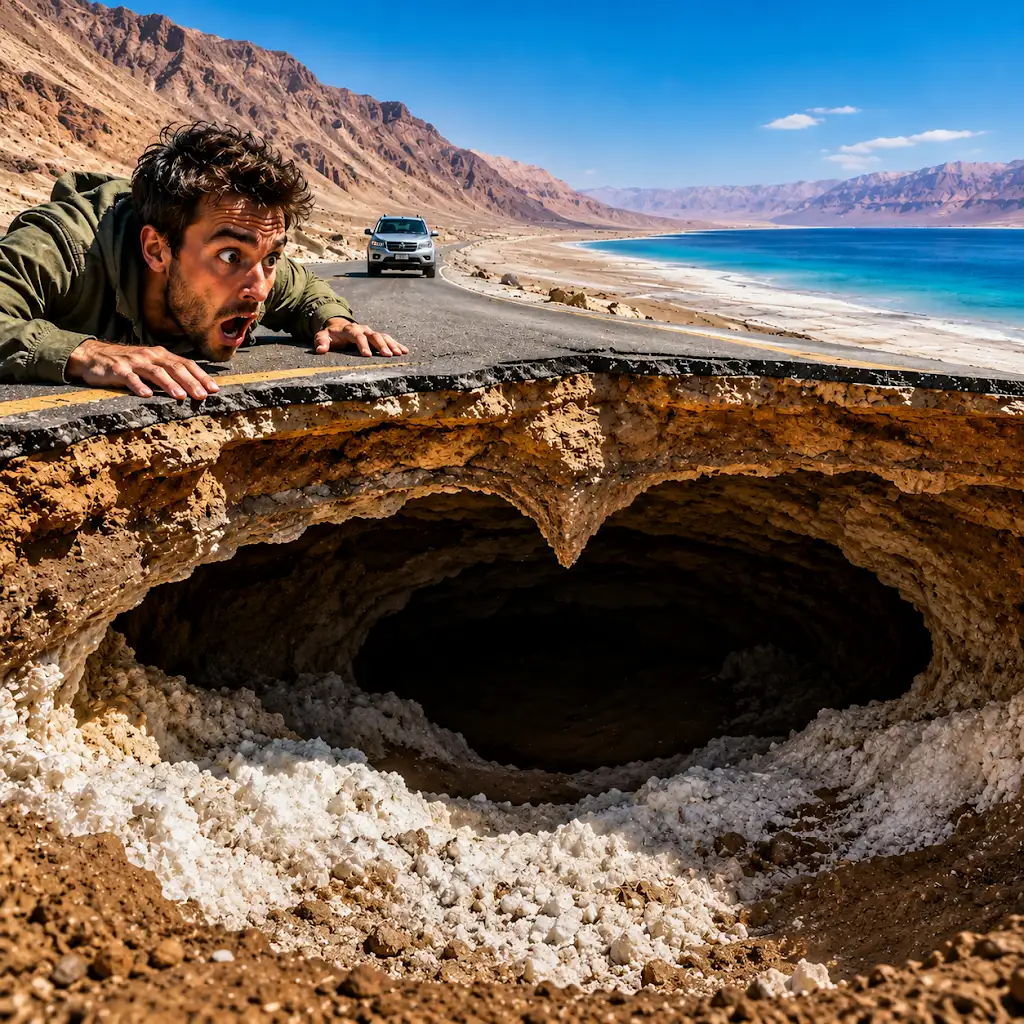
The Dead Sea Is Vanishing — And Leaving Giant Holes Behind
FAQs
What is the Ein Gedi Dead Sea collapse?
The Ein Gedi Dead Sea collapse refers to the sudden and dramatic sinking of land near the Ein Gedi nature reserve on the shores of the Dead Sea in Israel.
When did the Ein Gedi Dead Sea collapse occur?
The collapse occurred on May 18, 2021, when a large section of land near the Ein Gedi nature reserve collapsed into the Dead Sea.
What caused the Ein Gedi Dead Sea collapse?
The collapse was caused by the erosion of the Dead Sea’s shoreline, which has been exacerbated by a combination of natural processes and human activities such as mineral extraction and diversion of water from the Jordan River.
What were the consequences of the Ein Gedi Dead Sea collapse?
The collapse resulted in the formation of a large sinkhole and the destruction of infrastructure, including a popular hiking trail and a freshwater spring. Fortunately, no injuries were reported.
What is being done to address the issue of land collapse near the Dead Sea?
Efforts are being made to address the issue, including the implementation of conservation and restoration projects, as well as the regulation of mineral extraction and water diversion to mitigate further erosion of the Dead Sea’s shoreline.