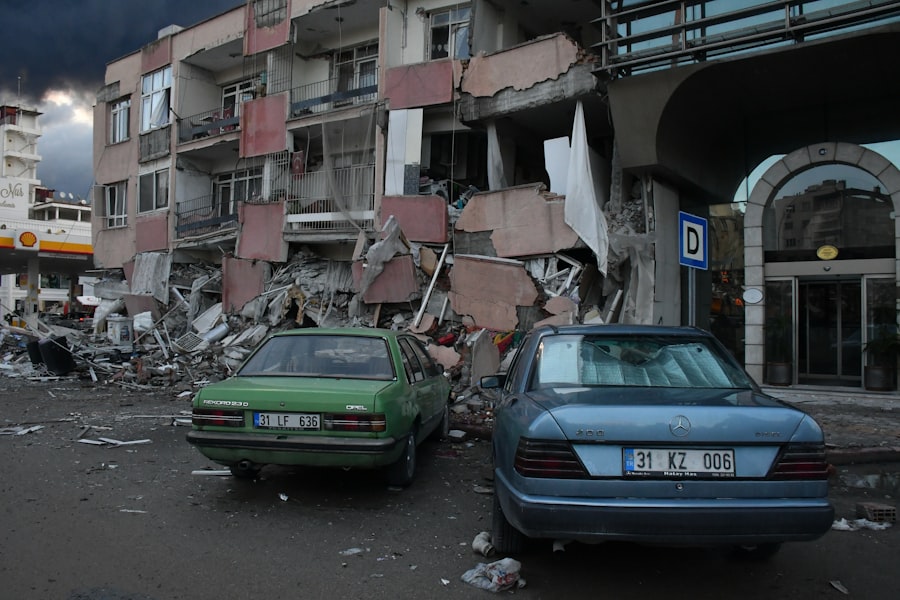
The earth trembles, a primal force unleashed, and in its wake, cities buckle, crumble, and weep. Earthquakes are a stark reminder of our planet’s dynamic nature, a force that has shaped landscapes and challenged civilizations for millennia. For urban centers, particularly those situated in seismically active regions, the threat of seismic events is not a hypothetical scenario but a persistent reality. The consequences of a major earthquake in a densely populated metropolis can be catastrophic, leading to widespread destruction, loss of life, and profound societal disruption. In this context, urban planning emerges not merely as an aesthetic endeavor of designing beautiful cityscapes, but as a critical discipline of ensuring survival, fostering resilience, and safeguarding the future in the face of geological uncertainty. Building resilient cities in earthquake-prone areas is a multifaceted challenge that demands a comprehensive understanding of seismic

Why Japan Can’t Build Another Tokyo
FAQs
What are earthquakes?
Earthquakes are the result of a sudden release of energy in the Earth’s crust that creates seismic waves. This can cause the ground to shake, leading to destruction of buildings and infrastructure.
How do earthquakes impact city planning?
Earthquakes can have a significant impact on city planning as they can lead to structural damage, loss of life, and disruption of essential services. City planners must consider seismic hazards when designing buildings, infrastructure, and emergency response plans.
What are some measures that can be taken in city planning to mitigate earthquake risks?
City planners can implement measures such as enforcing building codes that require structures to be earthquake-resistant, identifying and avoiding building in high-risk areas, and developing emergency response plans to minimize the impact of earthquakes.
Which cities are most at risk for earthquakes?
Cities located near tectonic plate boundaries, such as Tokyo, San Francisco, and Istanbul, are at higher risk for earthquakes. However, earthquakes can occur in any region, so it is important for all cities to consider seismic hazards in their planning.
How can city planning help in earthquake preparedness and response?
City planning can help in earthquake preparedness and response by ensuring that infrastructure is resilient, developing evacuation plans, establishing communication systems, and providing training for emergency responders and the public.