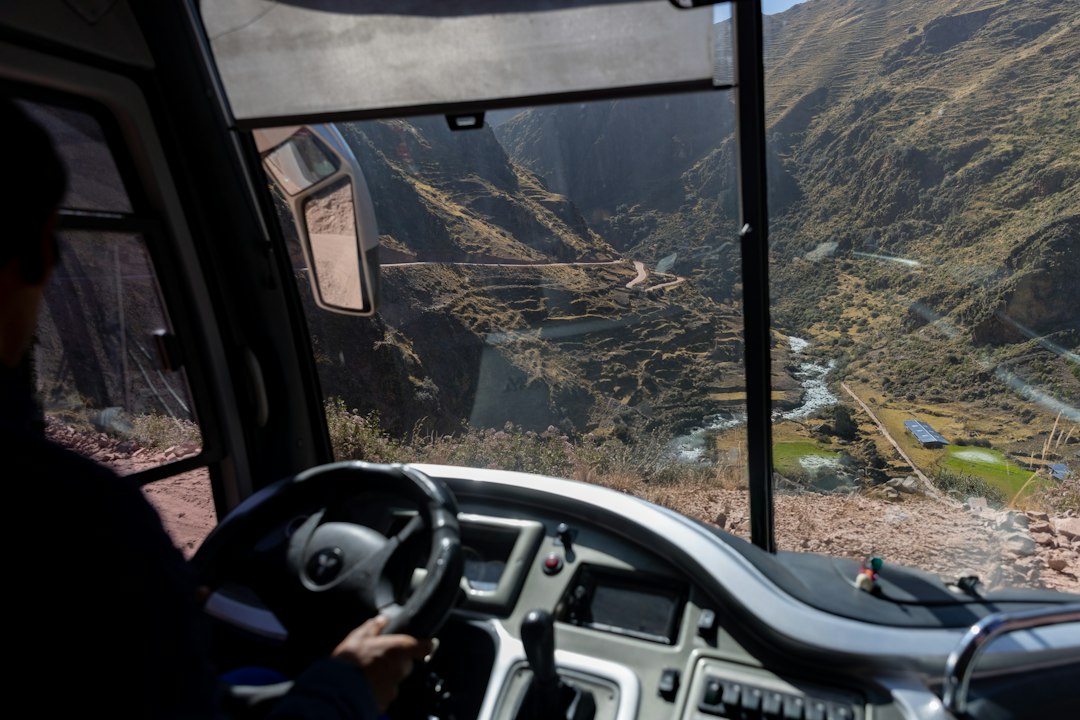
Earth Tremors Unleash Cataclysmic Landslide in Peruvian Andes
A powerful earthquake, registering a significant magnitude on the Richter scale, has triggered a catastrophic landslide in a remote region of the Peruvian Andes. The seismic event, which struck with considerable force, sent shockwaves through the earth, destabilizing vast swathes of mountainous terrain. The resulting deluge of rock, soil, and debris has carved a destructive path, engulfing villages, obliterating infrastructure, and leaving a trail of devastation in its wake. Initial reports paint a grim picture of widespread damage, with emergency services scrambling to assess the full extent of the disaster and to provide crucial aid to affected communities. The sheer scale of the landslide, a direct consequence of the earth’s violent convulsion, presents a formidable challenge to rescue efforts and the long-term recovery of the region.
In recent news, the devastating impact of earthquake-triggered landslides in Peru has raised concerns about the country’s geological stability and disaster preparedness. For a deeper understanding of the factors contributing to these natural disasters and their implications on local communities, you can read a related article on this topic at My Geo Quest. This resource provides valuable insights into the geological conditions in Peru and the measures that can be taken to mitigate the risks associated with such catastrophic events.
The Genesis of Catastrophe: Unraveling the Seismic Event

The earthquake that initiated this devastating chain of events originated deep within the Earth’s crust, a region notorious for its geological instability. Peru lies along the Pacific Ring of Fire, a horseshoe-shaped zone of intense seismic and volcanic activity, making it particularly susceptible to such powerful tremors. The specific fault line responsible for this particular quake is still under investigation by seismologists, but preliminary analysis suggests a significant rupture occurred, releasing an immense amount of stored energy. The depth and epicenter of the earthquake are critical factors in determining the intensity of ground shaking experienced in the affected area. A shallow earthquake, for instance, can cause more violent surface tremors than a deeper one, even if their magnitudes are similar.
Locating the Epicenter and Measuring the Force
Seismic monitoring stations across South America detected the powerful tremors. The epicenter has been pinpointed to a remote mountainous area, making immediate ground assessment challenging. Instruments recorded a magnitude that indicates a substantial release of energy, capable of causing significant structural damage and triggering geological events like landslides. Understanding the precise magnitude and the duration of the shaking is vital for predicting the potential for aftershocks and assessing the overall stability of the remaining slopes.
The Role of Geology in Amplifying Tremors
The geological composition of the Peruvian Andes plays a crucial role in how seismic waves propagate and amplify. Areas with soft, unconsolidated soils tend to experience more pronounced shaking than those with solid bedrock. Furthermore, the steep, rugged topography of the Andes creates natural slopes that are inherently prone to instability, especially when subjected to the violent oscillations of an earthquake. The specific rock formations and soil types in the landslide’s path would have significantly influenced its susceptibility to seismic triggers. Friable sedimentary rocks or weathered soils would be far more likely to lose their cohesion and initiate a slide than hard, unweathered igneous rock.
Immediate Aftermath: Shockwaves and Fear
The immediate aftermath of the earthquake was characterized by widespread panic and confusion. Residents, jolted from their homes, experienced the terrifying force of the earth’s movement. The initial shockwaves, followed by the horrifying rumble and visual spectacle of the cascading landslide, created a scene of overwhelming chaos. Communication lines were severed, further isolating communities and hindering the initial dissemination of information. The psychological impact on survivors, witnessing such a dramatic and destructive natural phenomenon, is immeasurable.
The Avalanche of Earth: Detailing the Landslide’s Devastation

The earthquake’s violent shaking acted as the catalyst, dislodging an enormous volume of earth and rock from the mountainside. This colossal mass began to slide, accelerating rapidly down the slopes. The sheer momentum of the landslide transformed it into a destructive force of nature, capable of obliterating everything in its path. The speed at which the debris moved, coupled with its immense weight, meant that any structures or natural features encountered were no match for its destructive power.
The Mechanics of a Catastrophic Slope Failure
Landslides are complex geological phenomena, and this particular event was a textbook example of a catastrophic slope failure. The earthquake’s seismic waves would have introduced stresses that exceeded the shear strength of the soil and rock mass. Factors such as the angle of the slope, the presence of water saturation (which reduces the friction between soil particles), and the type of material all contribute to the likelihood and severity of a landslide. In this instance, the combination of steep slopes, potentially saturated soil from recent rainfall, and the immense energy imparted by the earthquake created the perfect storm for a massive slide. The rupture of the ground surface would have initiated the movement, with the entire mass then behaving as a single, albeit fractured, entity flowing downslope.
The Path of Destruction: Villages Erased, Infrastructure Obliterated
As the landslide surged downslope, it encountered several small villages and isolated farmsteads. The debris, a churning mix of mud, boulders, and uprooted trees, engulfed these settlements in a matter of moments. Homes were crushed, lives were tragically lost, and the very landscape was reshaped. Roads and bridges, vital arteries for transportation and communication in this remote region, were either buried or completely destroyed. The obliteration of this infrastructure presents a significant hurdle for rescue and relief operations, severing access to the most critically affected areas.
Quantifying the Scale: Volume of Material Moved
Estimating the precise volume of material displaced by the landslide is a monumental task. However, aerial surveys and initial ground observations suggest that the landslide spans several square kilometers, with debris deposits reaching significant depths. This immense volume of material, likely in the millions of cubic meters, underscores the sheer power of the event and the scale of the challenge in clearing and rebuilding. The thickness of the debris can vary significantly, from meters in some areas to tens of meters in others, depending on the topography and the energy of the flow.
The Human Toll: Survivors and the Search for the Missing
The immediate human impact of the landslide is devastating. Many residents were caught unawares, their homes and livelihoods swept away in an instant. The search for survivors is a race against time, with rescue teams facing treacherous conditions and the ever-present threat of further instability. The emotional and psychological toll on those who have lost loved ones and witnessed such destruction is profound.
Accounts of Survival: Tales of Resilience and Loss
Survivors recount harrowing tales of the earthquake’s onset and the terrifying rush of the landslide. Many narrowly escaped by sheer luck, fleeing their homes just moments before they were consumed by the earth. Others describe the disorienting chaos, the deafening roar of the moving debris, and the desperate struggle for survival. These firsthand accounts offer a poignant glimpse into the human tragedy unfolding in the affected region, highlighting both the fragility of life and the indomitable spirit of those who have endured.
The Difficult Search for the Missing: Challenges and Hope
The number of missing persons is still being determined, but it is feared to be substantial. Locating them amidst the vast expanse of the landslide debris is an incredibly difficult and dangerous undertaking. Rescue teams, often comprised of local volunteers, military personnel, and international aid workers, are meticulously sifting through the rubble, using specialized equipment and trained search dogs. The hope of finding survivors, however slim, fuels their relentless efforts.
Addressing the Psychological Scars: A Long Road to Recovery
Beyond the physical devastation, the psychological impact on survivors is immense. Witnessing such a catastrophic event can lead to severe trauma, anxiety, and grief. Providing mental health support and counseling services will be a critical component of the long-term recovery process for individuals and communities. Creating safe spaces for people to share their experiences and receive support is paramount.
In recent news, a devastating earthquake in Peru has triggered a series of landslides, causing significant damage to infrastructure and posing risks to local communities. The geological conditions in the region make it particularly susceptible to such natural disasters, highlighting the importance of understanding the interplay between seismic activity and land stability. For further insights into this topic, you can read a related article that explores the implications of these events on the environment and safety measures. Check it out here.
Responding to the Crisis: Rescue Efforts and Aid Mobilization
| Metric | Value | Description |
|---|---|---|
| Event Date | August 15, 2021 | Date of a significant earthquake-triggered landslide in Peru |
| Earthquake Magnitude | 6.1 Mw | Magnitude of the earthquake that triggered the landslide |
| Landslide Volume | Approx. 500,000 m³ | Estimated volume of displaced earth and debris |
| Location | Ancash Region, Peru | Geographical area affected by the landslide |
| Casualties | 5 reported deaths | Number of fatalities caused by the landslide |
| Infrastructure Damage | Roads and bridges destroyed | Extent of damage to local infrastructure |
| Aftershocks | Several up to 4.0 Mw | Number and magnitude of aftershocks following the main earthquake |
| Response Time | Within 24 hours | Time taken for emergency response teams to arrive |
In the wake of the disaster, a concerted effort is underway to mount a comprehensive rescue and relief operation. The Peruvian government has declared a state of emergency, mobilizing its resources and appealing for international assistance. The challenges are immense, given the remote location and the damaged infrastructure.
The Frontlines of Rescue: Challenges and Strategies
Rescue teams are navigating treacherous terrain, often on foot or by helicopter, to reach the most affected areas. The instability of the landslide debris poses a constant threat, with the risk of secondary slides and aftershocks complicating their efforts. Drones are being utilized to survey the landslide zone and identify potential areas where survivors might be trapped. The limited access makes the delivery of essential supplies, such as food, water, shelter, and medical equipment, a logistical nightmare.
International Support: A Global Response to a Local Tragedy
Nations around the world have pledged support, sending specialized rescue teams, medical supplies, and financial aid. International humanitarian organizations are also on the ground, working in coordination with local authorities to provide assistance. This global response underscores the interconnectedness of humanity and the shared responsibility to aid those affected by natural disasters. The swiftness and scale of international aid can significantly impact the effectiveness of the relief efforts.
Long-Term Recovery: Rebuilding Lives and Communities
The immediate focus is on search and rescue, but the long-term task of rebuilding lives and communities will be a monumental undertaking. This will involve clearing debris, reconstructing infrastructure, and providing economic and social support to those who have lost everything. The resilience of the Peruvian people will be tested, but with sustained support, recovery is possible. This will likely involve temporary housing solutions, the establishment of new settlements, and the revival of local economies.
Looking Ahead: Prevention, Preparedness, and the Future of the Andes
This catastrophic landslide serves as a stark reminder of the destructive power of nature and the importance of understanding and mitigating geological risks. The event will undoubtedly prompt a re-evaluation of disaster preparedness strategies in the region and potentially influence future land-use planning.
Lessons Learned: Enhancing Disaster Preparedness
The experience gained from this disaster will be invaluable in refining early warning systems, improving evacuation protocols, and strengthening the resilience of communities in seismically active and landslide-prone areas. Investing in geological research and monitoring will be crucial to better predict and potentially mitigate future events. This includes mapping hazardous zones, understanding the triggers, and developing effective response mechanisms.
The Future of the Andes: Adapting to a Dynamic Environment
The Peruvian Andes are a geologically dynamic region, and events like this landslide are an inherent part of its landscape. Understanding these processes and adapting to them will be crucial for the long-term sustainability of human habitation in the area. This might involve relocating communities from high-risk zones, implementing stricter building codes, and promoting sustainable land management practices that minimize soil erosion and slope instability.
Global Implications: A Call for Climate and Geological Awareness
While this specific event was triggered by an earthquake, the broader context of climate change and its potential impact on geological stability cannot be ignored. Increased precipitation, melting glaciers, and changes in soil moisture can all exacerbate landslide risks. This disaster, therefore, serves as a broader call for increased awareness and action on both geological hazards and the interconnectedness of our planet’s systems. The future of the Andes, and indeed many mountainous regions globally, depends on a proactive and informed approach to these challenges.

The Social Security Mistake At 62 That Could Ruin Your Spouse’s Retirement
FAQs
1. Can earthquakes trigger landslides?
Yes, earthquakes can trigger landslides by shaking the ground and destabilizing slopes, causing rocks and soil to slide downhill.
2. Where did the earthquake-triggered landslide occur in Peru?
The earthquake-triggered landslide occurred in the region of Cusco, Peru, near the town of Santa Teresa.
3. What was the magnitude of the earthquake that triggered the landslide in Peru?
The earthquake that triggered the landslide in Peru had a magnitude of 6.0 on the Richter scale.
4. How many casualties were reported due to the earthquake-triggered landslide in Peru?
At least 15 people were reported dead and several others were injured as a result of the earthquake-triggered landslide in Peru.
5. What are some measures that can be taken to mitigate the risk of earthquake-triggered landslides?
Some measures to mitigate the risk of earthquake-triggered landslides include slope stabilization, early warning systems, land use planning, and avoiding construction in high-risk areas.