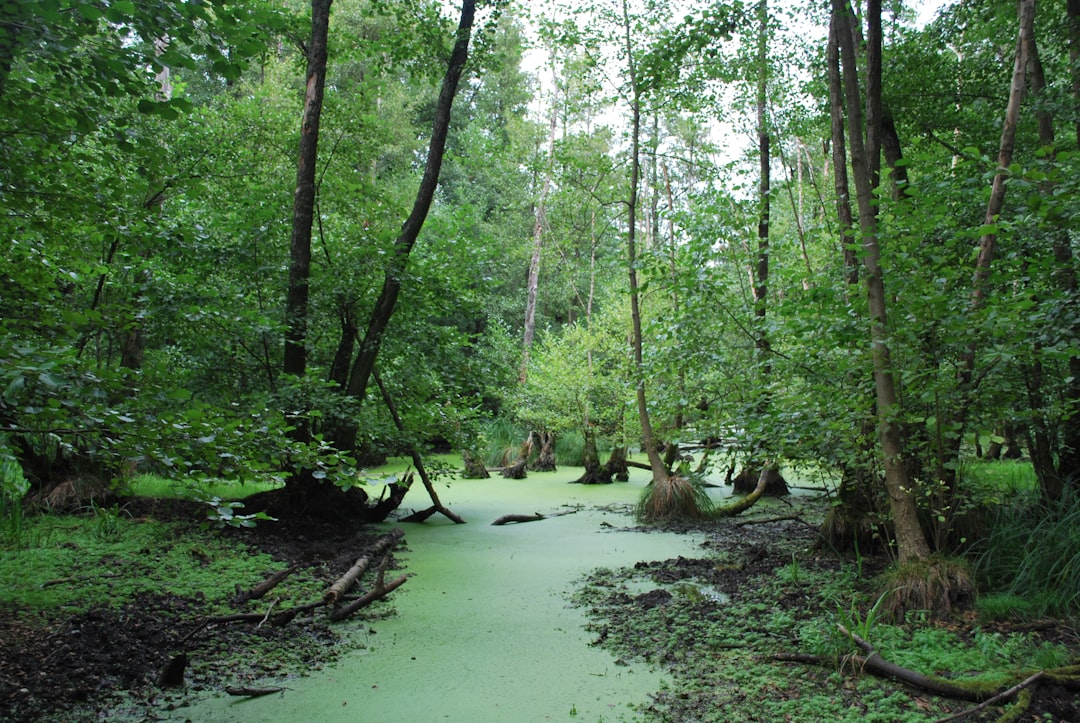
The Darién Gap is a 66-mile (106-kilometer) stretch of undeveloped swampland and forest located between Panama and Colombia. This region represents the only break in the Pan-American Highway, which otherwise extends from Alaska to Argentina. The area consists of dense tropical rainforest, wetlands, and mountainous terrain that has remained largely inaccessible to modern transportation infrastructure.
The region supports exceptional biodiversity, containing portions of the Darién National Park in Panama and Los Katíos National Park in Colombia, both UNESCO World Heritage sites. These protected areas harbor numerous endangered species, including jaguars, harpy eagles, and various endemic plant species. The ecosystem encompasses primary rainforest, mangrove swamps, and cloud forests that serve critical functions in regional water cycles and carbon storage.
The Darién Gap presents significant logistical challenges for overland travel between North and South America. The terrain includes seasonal flooding, steep topography, and areas controlled by armed groups involved in drug trafficking and human smuggling. These conditions have prevented the completion of the Pan-American Highway and limited economic development in the region.
While proposals to build roads or other infrastructure through the Gap have been discussed for decades, concerns about environmental impact, indigenous rights, and disease transmission barriers have prevented implementation of major development projects.
Key Takeaways
- The Darién Gap Swamp is a critical and challenging natural region with significant ecological importance.
- Draining the swamp could offer economic and infrastructural benefits but poses serious environmental risks.
- Technological advancements play a key role in addressing the difficulties of draining such a complex ecosystem.
- Multiple stakeholders, including environmentalists, governments, and local communities, have conflicting views on the initiative.
- Effective mitigation strategies and public engagement are essential to balance development goals with environmental preservation.
The Importance of Draining the Darién Gap Swamp
Draining the Darién Gap Swamp has been proposed as a solution to enhance transportation links between North and South America. The construction of a road or railway through this region could significantly reduce travel time and costs for goods and people. Currently, the lack of infrastructure in the Darién Gap forces travelers to take lengthy detours or rely on air transport, which is often expensive and inefficient.
By draining parts of the swamp, proponents argue that a direct route could be established, fostering economic growth and regional integration. Moreover, improved access to the Darién Gap could open up new opportunities for trade and tourism. The region’s natural beauty and cultural heritage could attract visitors, generating revenue for local communities.
Additionally, better transportation links could facilitate the movement of agricultural products and resources, benefiting both local farmers and international markets. Thus, draining the swamp is seen not only as a means of improving infrastructure but also as a catalyst for economic development in an otherwise isolated area.
Environmental Impacts of the Darién Gap Swamp
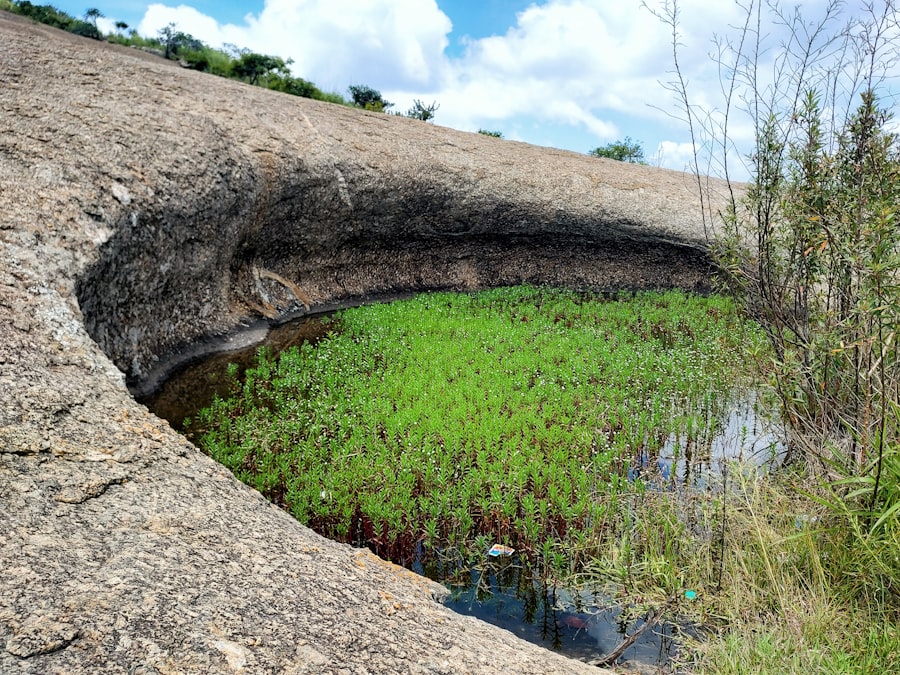
The environmental implications of draining the Darién Gap Swamp are profound and multifaceted. This unique ecosystem plays a vital role in carbon sequestration, water filtration, and biodiversity preservation. The swamp acts as a natural buffer against flooding and erosion, helping to maintain the ecological balance in the region.
Draining it could disrupt these functions, leading to adverse effects on both local wildlife and human populations. Furthermore, the Darién Gap is home to numerous endangered species that rely on its wetlands for survival. The loss of habitat due to drainage could result in significant declines in biodiversity, with ripple effects throughout the food chain.
Therefore, any initiative to drain the swamp must carefully consider these environmental consequences.
Challenges of Draining the Darién Gap Swamp
The task of draining the Darién Gap Swamp is fraught with challenges that extend beyond environmental concerns. One of the primary obstacles is the complex legal and political landscape surrounding land use in the region. Various stakeholders, including indigenous groups, environmental organizations, and government agencies, have differing priorities and interests.
Navigating these competing agendas requires careful negotiation and collaboration to ensure that all voices are heard. Additionally, the technical challenges associated with draining such a vast and intricate ecosystem cannot be underestimated. The swamp’s hydrology is complex, with interconnected waterways that would require extensive engineering solutions to alter effectively.
There are also concerns about how drainage would affect local communities that rely on fishing and agriculture for their livelihoods. Addressing these challenges necessitates a comprehensive approach that balances development goals with environmental stewardship.
The Role of Technology in Draining the Darién Gap Swamp
| Metric | Value | Unit | Description |
|---|---|---|---|
| Area Covered | 10,000 | km² | Approximate size of the Darién Gap swamp region |
| Annual Rainfall | 3,000 | mm/year | Average precipitation contributing to swamp water levels |
| Drainage Rate | 150 | m³/s | Estimated average water flow through drainage channels |
| Water Table Depth | 1.5 | m | Average depth of the water table in the swamp area |
| Soil Permeability | 0.01 | cm/s | Rate at which water passes through swamp soil |
| Vegetation Coverage | 85 | % | Percentage of area covered by swamp vegetation |
| Evapotranspiration Rate | 1,200 | mm/year | Water loss due to evaporation and plant transpiration |
Advancements in technology may play a crucial role in addressing some of the challenges associated with draining the Darién Gap Swamp. Modern engineering techniques can provide innovative solutions for managing water flow and mitigating environmental impacts. For instance, sophisticated modeling software can help predict how changes in hydrology might affect local ecosystems, allowing for more informed decision-making.
Moreover, technology can facilitate monitoring efforts to assess the ecological health of the swamp before and after any drainage initiatives. Remote sensing tools can provide valuable data on land use changes, biodiversity shifts, and water quality over time. By leveraging these technological advancements, stakeholders can develop strategies that minimize negative impacts while maximizing potential benefits.
Potential Benefits of Draining the Darién Gap Swamp

While there are significant environmental concerns associated with draining the Darién Gap Swamp, proponents argue that there are also potential benefits that could arise from such an initiative. Improved transportation infrastructure could lead to increased economic activity in the region, creating jobs and enhancing access to markets for local producers. This economic boost could help alleviate poverty in surrounding communities and foster regional development.
Additionally, draining parts of the swamp could facilitate better management of natural resources. With improved access to previously isolated areas, authorities could implement more effective conservation strategies to protect remaining habitats and species. This dual approach—balancing development with conservation—could lead to sustainable outcomes that benefit both people and nature in the long term.
Stakeholders and their Involvement in the Initiative
The initiative to drain the Darién Gap Swamp involves a diverse array of stakeholders, each with their own perspectives and interests. Indigenous communities who have lived in harmony with this ecosystem for generations are often at the forefront of discussions about land use and conservation. Their traditional knowledge and cultural practices are invaluable resources that must be respected in any decision-making process.
Government agencies play a critical role as well, tasked with balancing economic development goals with environmental protection mandates. Environmental organizations advocate for preserving biodiversity and mitigating climate change impacts, often opposing drainage initiatives that threaten fragile ecosystems. Engaging all these stakeholders in meaningful dialogue is essential for developing a comprehensive plan that addresses their concerns while pursuing potential benefits.
The Future of the Darién Gap Swamp after Draining
Imagining a future for the Darién Gap Swamp after drainage raises questions about what this landscape might look like. If drainage were to occur successfully, it could transform the region into a hub of economic activity with improved infrastructure connecting Central and South America. However, this transformation would come at a cost—one that includes potential loss of biodiversity and disruption of local ecosystems.
The future may also involve ongoing efforts to restore areas impacted by drainage through reforestation or wetland rehabilitation projects. These initiatives could help mitigate some negative effects while promoting ecological resilience in the face of climate change. Ultimately, envisioning this future requires careful consideration of how best to balance human needs with environmental stewardship.
Environmental Concerns and Mitigation Strategies
As discussions about draining the Darién Gap Swamp progress, it is crucial to address environmental concerns through effective mitigation strategies. One approach could involve implementing buffer zones around sensitive habitats to protect them from direct impacts associated with drainage activities. These zones would serve as critical refuges for wildlife while allowing for controlled development in surrounding areas.
Additionally, investing in sustainable practices such as agroforestry or ecotourism could provide alternative livelihoods for local communities without compromising ecological integrity. By promoting environmentally friendly economic activities, stakeholders can create win-win scenarios where both people and nature thrive together.
Public Opinion and Controversies Surrounding the Initiative
Public opinion regarding the initiative to drain the Darién Gap Swamp is deeply divided, reflecting broader societal debates about development versus conservation. Some view drainage as an opportunity for progress—an essential step toward modernizing infrastructure and improving living standards in underserved regions. Others express concern about potential environmental degradation and loss of cultural heritage associated with such actions.
Controversies surrounding this initiative often center on issues of equity and justice. Indigenous groups may feel marginalized in discussions about land use decisions that directly impact their lives and livelihoods. Ensuring that public discourse includes diverse perspectives is vital for fostering understanding and building consensus around potential pathways forward.
The Necessity of Draining the Darién Gap Swamp
In conclusion, while draining the Darién Gap Swamp presents numerous challenges and risks, it also offers potential benefits that cannot be overlooked. The need for improved infrastructure to connect Central and South America is pressing, particularly in an era where globalization continues to shape economies worldwide. However, any initiative must prioritize environmental sustainability and respect for local communities’ rights.
Ultimately, finding a balanced approach that considers both development goals and ecological preservation will be essential for navigating this complex issue. Engaging stakeholders in meaningful dialogue, leveraging technology for informed decision-making, and implementing effective mitigation strategies can pave the way toward a future where human needs are met without compromising nature’s integrity in this unique region.
Recent discussions around swamp drainage in this region highlight the delicate balance between environmental preservation and the need for improved connectivity. For more insights on geographical challenges and developments, you can read a related article on My Geo Quest here.
FAQs
What is the Darién Gap?
The Darién Gap is a dense, swampy region located between Panama and Colombia. It is known for its challenging terrain, including swamps, forests, and mountains, making it one of the most difficult areas to traverse in Central and South America.
Why is swamp drainage important in the Darién Gap?
Swamp drainage in the Darién Gap is important for improving accessibility, reducing flooding, and enabling infrastructure development. Proper drainage can help manage water levels, making the land more usable for transportation and habitation.
What are the environmental concerns related to draining swamps in the Darién Gap?
Draining swamps in the Darién Gap can disrupt local ecosystems, harm wildlife habitats, and affect water quality. The area is rich in biodiversity, so drainage projects must consider environmental impacts to avoid long-term ecological damage.
Has there been any large-scale swamp drainage project in the Darién Gap?
There have been limited large-scale swamp drainage projects in the Darién Gap due to its remote location, difficult terrain, and environmental sensitivity. Most efforts focus on small-scale drainage to support local communities and infrastructure.
How does swamp drainage affect local communities in the Darién Gap?
Swamp drainage can improve living conditions by reducing flooding and enabling agriculture and transportation. However, it can also disrupt traditional ways of life and impact indigenous communities who depend on the natural environment.
What challenges are faced when draining swamps in the Darién Gap?
Challenges include dense vegetation, high rainfall, difficult access, and the need to balance environmental protection with development goals. The region’s biodiversity and protected areas also limit the extent of drainage activities.
Is the Darién Gap swamp drainage linked to the Pan-American Highway?
Yes, the Darién Gap is the only break in the Pan-American Highway, and swamp drainage is one of the factors considered in efforts to improve connectivity. However, environmental and logistical challenges have prevented the highway from being completed through this region.