The Kanto Plain, a sprawling expanse of fertile land cradled by majestic mountains in eastern Japan, beckons explorers with its rich tapestry of history, natural beauty, and vibrant modern life. Stepping onto this great plain is to step into a realm where ancient traditions seamlessly blend with cutting-edge innovation, where serene rice paddies meet bustling metropolises, and where the echoes of samurai battles harmonize with the whispers of the sea breeze. This guide aims to unveil the multifaceted charm of the Kanto Plain, encouraging a deeper understanding and appreciation of its unique character.
The Kanto Plain is not merely a flat stretch of land; it is a dynamic geological formation shaped over millennia by the interplay of tectonic forces and the relentless work of rivers. Understanding its origins provides crucial context for appreciating its landscape and the resources it has sustained for centuries.
The Influence of Tectonic Plates
At the heart of the Kanto Plain’s formation lies the complex tectonic activity of Japan, a nation straddling the convergence of four major lithospheric plates: the Pacific, Philippine Sea, Eurasian, and North American plates. This constant jostling and subduction creates a geologically active region, but for the Kanto Plain, it has also resulted in the formation of a significant basin. Over vast stretches of time, the crust has subsided in this area, creating a depression that would eventually be filled by sediment. This subsidence played a critical role in cradling the alluvial deposits that define the plain.
The Role of the Great Rivers
Feeding the Kanto Plain’s fertility are the mighty rivers that carve their paths from the surrounding mountains and pour their life-giving waters onto the land. The Tone River, the second longest river in Japan, is arguably the most significant contributor to the plain’s formation. Its extensive delta system, along with those of other major rivers like the Arakawa and Edo, has deposited vast quantities of silt and sediment over millennia. This ongoing process of alluvial deposition has created the characteristically flat and fertile topography of the Kanto Plain, making it ideal for agriculture and the development of human settlements. The intricate network of these rivers also shaped early human migration patterns and provided essential water resources for irrigation and daily life.
The Coastal Embrace
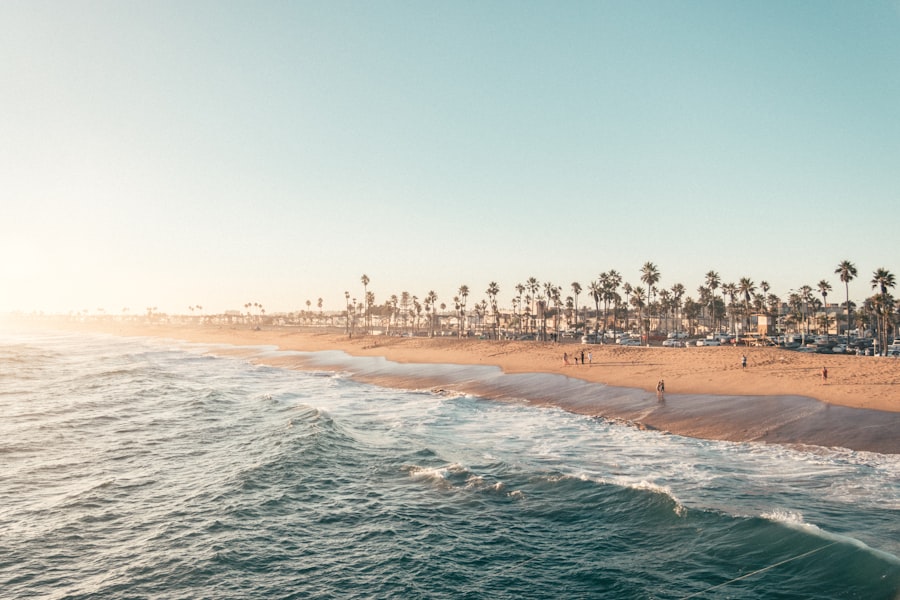
While primarily an inland plain, the Kanto Plain’s eastern edge meets the Pacific Ocean, forming a significant coastline. This interaction between land and sea has further influenced the plain’s geography. Coastal erosion and deposition have subtly altered the shoreline over time, while the tidal influence can extend inland, particularly in the estuarine areas. The presence of bays, such as Tokyo Bay, has provided natural harbors and facilitated trade and maritime activities, playing a crucial role in the region’s historical and economic development. The connection to the ocean also contributes to the local climate, moderating temperatures and bringing moisture inland.
The Kanto Plain, a significant geographical feature in Japan, is known for its rich history and cultural importance. For those interested in exploring more about this region, a related article can be found at this link, which provides an in-depth analysis of the Kanto Plain’s formation, its role in Japan’s development, and its current significance in urban planning and agriculture.
A Cradle of Civilization and Innovation
The Kanto Plain has been a focal point of human activity for millennia, witnessing the rise and fall of empires, the flourishing of diverse cultures, and the relentless march of technological advancement. Its story is intrinsically linked to the development of Japan itself.
Ancient Roots and Early Settlements
Archaeological evidence points to human presence on the Kanto Plain dating back to prehistoric times. Early settlers, drawn by the fertile land and abundant resources, established communities in the region. The Jomon period, characterized by its distinctive pottery, saw hunter-gatherer societies thrive, relying on the bounty of the land and sea. Later periods, such as the Yayoi and Kofun eras, witnessed the introduction of rice cultivation and more complex social structures, laying the groundwork for the development of organized states. The strategic location of the Kanto Plain, with access to both inland routes and coastal trade, made it an attractive region for these early civilizations to flourish.
The Feudal Era and the Rise of Edo
The feudal era in Japan was a period of immense social and political upheaval, and the Kanto Plain played a central role in shaping its trajectory. The establishment of the Tokugawa Shogunate in the early 17th century, with its capital in Edo (modern-day Tokyo), marked a pivotal moment. Edo, strategically located on the Kanto Plain, became the de facto political and economic center of Japan for over 250 years. The shogunate’s policies led to massive infrastructure development, including the construction of canals, roads, and extensive irrigation systems, further solidifying the plain’s importance as an agricultural powerhouse. The influx of people and resources to Edo transformed it into one of the world’s largest cities during that era.
The Meiji Restoration and Modernization
The Meiji Restoration in 1868 ushered in an era of rapid modernization and Westernization for Japan, and the Kanto Plain was at the forefront of this transformation. Edo was renamed Tokyo and became the imperial capital, symbolizing the nation’s new direction. The plain’s infrastructure, already substantial, was further enhanced to support industrialization and the development of a modern nation-state. New industries, factories, and transportation networks, including railways, sprang up across the region, attracting even more people and solidifying Tokyo’s position as a global city. The agricultural productivity of the plain also adapted to new technologies, ensuring a stable food supply for the growing urban population.
The 20th Century and Beyond: A Hub of Global Influence
The 20th century saw the Kanto Plain, particularly Tokyo, emerge as a global hub of commerce, culture, and technology. Despite the devastations of World War II, the region experienced an extraordinary economic miracle, rebuilding and expanding at an unprecedented pace. The plain became synonymous with innovation, witnessing the rise of some of the world’s leading corporations in electronics, automotive, and finance. Today, the Kanto Plain is a densely populated and economically vital region, a testament to its enduring capacity for adaptation and progress. It continues to be a melting pot of ideas, attracting talent and investment from across the globe.
Exploring the Diverse Landscapes
Beyond its historical and cultural significance, the Kanto Plain offers a surprising diversity of natural landscapes, inviting exploration and recreation. From serene natural reserves to vibrant urban green spaces, there is beauty to be found in every corner.
The Majesty of the Mountains
Framing the Kanto Plain on its northern and western boundaries are impressive mountain ranges that provide a dramatic backdrop to the flatlands. The Japanese Alps, though their western reaches are more prominent, have eastern foothills that influence the Kanto region. Closer to the plain itself are volcanic mountains like Mount Fuji, Japan’s iconic peak, and the Hakone mountains. These ranges offer a wealth of hiking opportunities, with trails ranging from gentle strolls through forested valleys to challenging ascents with panoramic views. The cooler altitudes and distinct ecosystems of these mountains provide a refreshing contrast to the warmer, more humid plains.
The Tranquility of Rivers and Wetlands
The very rivers that shaped the Kanto Plain continue to offer havens of natural beauty and ecological importance. The Tone River, in particular, is a vital artery, with its winding course, extensive floodplains, and numerous tributaries. Along its banks, one can find tranquil fishing villages, lush riverine forests, and areas of wetland that support a rich variety of birdlife. These areas are crucial for biodiversity and offer opportunities for activities like kayaking, fishing, and birdwatching. The interplay of water and land creates a dynamic and ever-changing landscape.
Coastal Charms and Bayfront Wonders
The eastern edge of the Kanto Plain meets the Pacific, offering a different kind of natural appeal. The coastline is dotted with beaches, fishing ports, and seaside towns. Tokyo Bay, a major feature of the region, provides opportunities for marine recreation, from sailing and windsurfing to simply enjoying the sea breeze from its many parks and promenades. While much of the immediate coastline has been developed, pockets of natural beauty remain, particularly in areas designated for conservation, offering glimpses of the diverse marine and coastal ecosystems that once dominated the landscape.
Rural Idyls and Agricultural Tapestry
Despite its urban sprawl, the Kanto Plain retains significant agricultural areas, particularly in its outer reaches. Vast expanses of rice paddies, interspersed with vegetable farms and orchards, paint a picturesque rural landscape. These areas offer a glimpse into traditional Japanese agriculture and provide a serene escape from the urban bustle. Cycling or walking through these rural districts reveals a slower pace of life, where the rhythm of the seasons dictates the work of the land. The vibrant green of summer rice paddies gives way to the golden hues of autumn harvest, each season offering its unique visual appeal.
A Culinary Journey Through Kanto
The Kanto Plain’s history, geography, and demographics have converged to create a dynamic and diverse culinary scene, offering a delectable journey for any gastronomic adventurer.
The Foundation: Rice and Seafood
As a major agricultural region, rice is the undisputed staple of the Kanto diet. Its cultivation across the plain ensures a constant supply of this versatile grain, forming the base of countless dishes. Complementing the abundance of rice is the readily available seafood from the Pacific coast and inland fisheries. Fresh fish, shellfish, and seaweed are integral to Kanto cuisine, prepared in a myriad of ways, from simple grilled preparations to elaborate sushi and sashimi.
Tokyo’s Culinary Dominance: A World of Flavors
As the capital and economic powerhouse, Tokyo is the undisputed culinary heart of the Kanto Plain. It is a global epicurean destination, boasting an astonishing concentration of Michelin-starred restaurants, traditional izakayas, and innovative fusion eateries. From the refined elegance of kaiseki dining to the comforting simplicity of ramen stalls, Tokyo offers an unparalleled spectrum of gastronomic experiences. This diversity reflects the city’s international population and its historical role as a hub for trade and cultural exchange.
Regional Specialties and Local Delights
Beyond the metropolis, the Kanto Plain harbors numerous regional specialties that reflect the local ingredients and historical influences.
Edo-mae Sushi: A Taste of Tradition
Edo-mae sushi, originating from Tokyo’s Edo period, is a cornerstone of Kanto cuisine. This style emphasizes the freshness of the fish, often lightly prepared to highlight its natural flavors, and the perfection of the finely seasoned rice. Visiting a traditional sushi restaurant offering Edo-mae style is an essential Kanto culinary experience, showcasing the artistry and dedication of its practitioners.
Ramen and Udon: Comfort in a Bowl
The Kanto Plain is also renowned for its diverse and delicious noodle dishes. Tokyo-style ramen, often featuring a rich soy sauce-based broth and thin noodles, is a popular choice. Beyond the capital, regional variations of ramen and udon (thick wheat noodles) offer hearty and satisfying meals, reflecting local tastes and ingredients. Each prefecture within the Kanto region might have its own subtle twists on these beloved dishes.
Sake and Shochu: A Taste of Japan
No culinary exploration of Japan is complete without experiencing its traditional alcoholic beverages. The Kanto region, with its agricultural bounty, produces excellent sake and shochu. From crisp, dry sakes to rich, complex variations, and the robust character of shochu, these beverages offer a perfect complement to any meal and provide a window into Japanese craftsmanship and tradition. Many local breweries and distilleries offer tours and tastings, providing an immersive experience.
The Kanto Plain, known for its vast landscapes and significant urban centers, plays a crucial role in Japan’s geography and culture. For those interested in exploring more about this fascinating region, you can read a related article that delves into its historical significance and economic impact. This resource provides valuable insights into the area’s development and its importance in shaping modern Japan. To learn more, visit this article for an in-depth exploration of the Kanto Plain.
Navigating the Kanto Landscape: Transportation and Accessibility
| Aspect | Details |
|---|---|
| Location | Eastern Honshu, Japan |
| Area | 17,000 square kilometers |
| Population | Over 40 million people |
| Major Cities | Tokyo, Yokohama, Kawasaki, Saitama |
| Geography | Flat and fertile plain |
The Kanto Plain boasts one of the most sophisticated and integrated transportation networks in the world, making it remarkably easy to navigate and explore its diverse attractions.
The Railroad Archipelago: Connecting the Region
Japan’s Shinkansen (bullet train) network is a marvel of modern engineering, and the Kanto Plain is a central hub. High-speed trains connect Tokyo to major cities across Japan, facilitating rapid transit from the Kanto region to almost any destination. Within the Kanto Plain itself, an extensive network of local and regional JR (Japan Railways) lines, as well as numerous private railway companies, crisscrosses the landscape. These trains are punctual, efficient, and offer a comfortable way to travel between cities, towns, and even to more remote areas.
Urban Transit: The Heartbeat of the Metropolis
For navigating the sprawling metropolises of the Kanto Plain, particularly Tokyo, the subway and bus systems are indispensable. Tokyo’s subway network is one of the most extensive and busiest in the world, providing seamless access to virtually every district. Efficiently designed with clear signage and frequent service, it allows for easy exploration of the city’s diverse neighborhoods, attractions, and entertainment options. Major cities like Yokohama and Saitama also boast robust urban transit systems.
Road Networks and Car Travel
While public transportation is highly efficient, a comprehensive network of expressways and national highways also crisscrosses the Kanto Plain. This network makes car travel a viable option, especially for exploring more rural areas or for those who prefer the flexibility of having their own vehicle. Rental car services are readily available at airports and in major cities. However, it is important to be aware of potential traffic congestion, particularly in the urban centers during peak hours.
Ports and Air Travel: Gateway to the World
The Kanto Plain is a major gateway for international travel. Narita International Airport (NRT) and Haneda Airport (HND) in Tokyo are among the busiest airports in the world, offering direct flights to countless destinations globally. For maritime travel, the ports of Tokyo and Yokohama are significant hubs, handling vast amounts of cargo and passenger traffic, including cruise ships that often dock in the region, providing a convenient entry point for exploring the Kanto Plain.
Embracing the Modern Pulse and Cultural Vibrancy
The Kanto Plain, especially its urban centers, is a dynamic expression of modern Japanese culture, blending tradition with innovation, art with commerce, and a unique aesthetic sensibility with a global outlook.
Metropolises of the Future: Tokyo and Yokohama
Tokyo, the pulsating heart of the Kanto Plain, is a city of endless fascination. It is a global leader in fashion, technology, finance, and pop culture. From the towering skyscrapers of Shinjuku to the trendy boutiques of Harajuku and the historic temples of Asakusa, Tokyo offers a dizzying array of experiences. Yokohama, a major port city within the plain, offers its own distinct charm with its cosmopolitan waterfront, historic Chinatown, and modern architectural marvels.
Artistic Expressions and Creative Hubs
The Kanto Plain is a fertile ground for artistic expression. Tokyo, in particular, is home to world-class museums, galleries, and theaters, showcasing everything from ancient Japanese art to contemporary international exhibitions. Districts like Ueno are famous for their museum clusters, while areas like Ginza are known for their high-end art galleries and design studios. Beyond traditional art forms, the region is a crucible for innovation in digital art, anime, manga, and fashion, reflecting its forward-looking cultural landscape.
Festivals and Celebrations: A Tapestry of Tradition
Throughout the year, the Kanto Plain comes alive with vibrant festivals and celebrations that offer a glimpse into Japan’s rich cultural heritage. From the spectacular summer fireworks displays to the solemn winter illuminations, these events showcase regional traditions, religious practices, and community spirit. The Gion Matsuri in Kyoto may be more famous, but countless local festivals, such as the Sanja Matsuri in Tokyo, offer an intimate and authentic cultural experience. These gatherings are not just spectacles but living embodiments of community and tradition.
The Enduring Appeal of Nature in the Urban Fabric
Even within the densely populated urban areas of the Kanto Plain, nature finds a way to thrive. Serene gardens, meticulously maintained parks, and green spaces offer oases of tranquility amidst the urban bustle. Places like the Imperial Palace East Garden in Tokyo or Sankeien Garden in Yokohama provide respite and allow for quiet contemplation. The careful integration of nature into the urban fabric is a hallmark of Japanese urban planning and contributes to the unique livability of the Kanto Plain.
In conclusion, the Kanto Plain is far more than just a geographical region; it is a living, breathing entity that embodies the spirit of Japan. Its vastness encompasses a geological foundation of immense power, a history rich with human endeavor, a diverse natural beauty, and a modern pulse that beats with innovation and cultural vibrancy. Whether one is drawn by the allure of ancient traditions, the excitement of cutting-edge technology, the tranquility of nature, or the delights of its renowned cuisine, the Kanto Plain offers an unforgettable journey of discovery. This guide serves as a starting point, an invitation to delve deeper into the wonders of this extraordinary region and uncover its endless layers of charm.

Why Japan Can’t Build Another Tokyo
FAQs
What is the Kanto Plain?
The Kanto Plain is a large plain located in the Kanto region of Japan. It is one of the most populous and industrialized areas in the country, encompassing Tokyo and several other major cities.
What are the geographical features of the Kanto Plain?
The Kanto Plain is characterized by its flat and fertile landscape, which is ideal for agriculture. It is surrounded by mountains, including Mount Fuji to the southwest, and is bordered by the Pacific Ocean to the east.
What is the significance of the Kanto Plain?
The Kanto Plain is the economic and cultural center of Japan, housing the capital city of Tokyo and serving as a major hub for industry, commerce, and transportation. It is also home to numerous historical and cultural landmarks.
How does the Kanto Plain contribute to Japan’s economy?
The Kanto Plain is a major agricultural and industrial region, producing a variety of crops and serving as a center for manufacturing, technology, and finance. It also plays a crucial role in international trade and commerce.
What are some notable cities and landmarks in the Kanto Plain?
The Kanto Plain is home to several major cities, including Tokyo, Yokohama, and Chiba. It also features iconic landmarks such as the Tokyo Skytree, Tokyo Disneyland, and the historic temples and shrines of Kamakura.