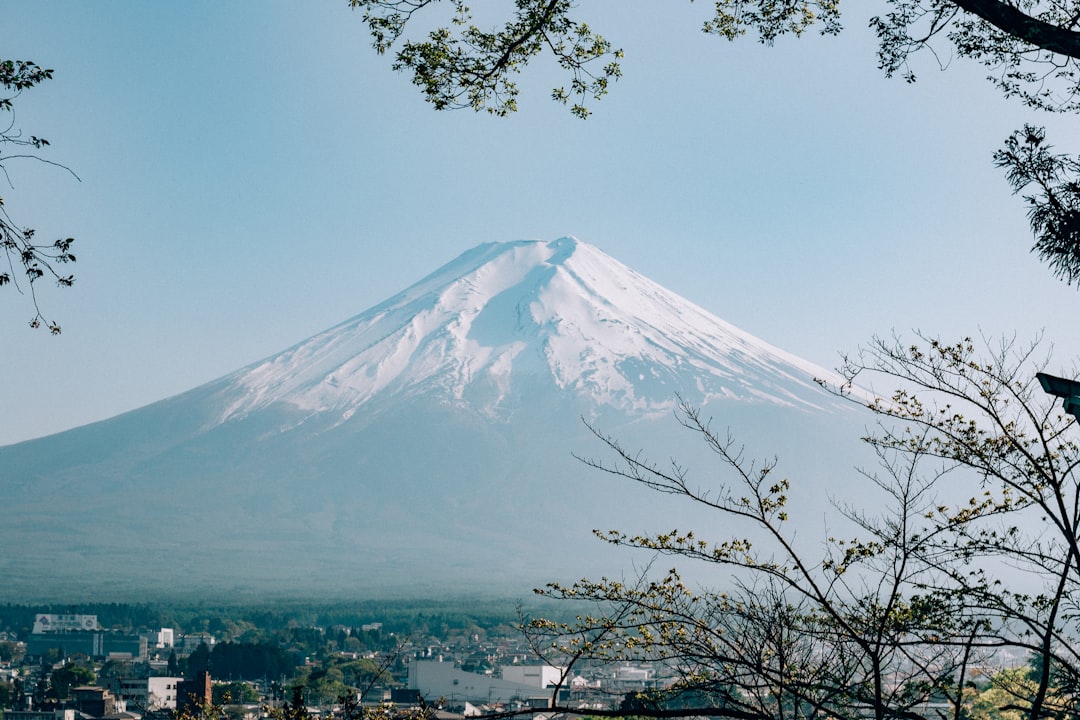
The iconic silhouette of Mount Fuji, the vibrant pulse of Shibuya Crossing, the ancient tranquility of Kyoto’s bamboo forests – these are but a few of the enduring images that spring to mind when one thinks of Japan. But beneath these familiar postcard vistas lies a complex and captivating geographical tapestry, a land shaped by seismic forces, intricate waterways, and a unique cultural adaptation to its environment. “Discovering Japan: A Geography Documentary” endeavors to peel back these layers, offering viewers an immersive and insightful exploration of the Land of the Rising Sun, viewed not just as a cultural entity, but as a dynamic geographical landscape.
This documentary, with its stunning cinematography and in-depth analysis, moves beyond mere superficial tourism. It posits that to truly understand Japan, one must first understand the profound influence of its physical geography. From the volcanic fury that forged its islands to the intricate dance between humanity and nature, the film weaves a narrative that is both educational and visually breathtaking, appealing to geographers, history buffs, and armchair travelers alike. It’s a testament to the power of visual storytelling to illuminate the intricate relationship between land, climate, and civilization.
The Genesis of Islands: Plate Tectonics and the Japanese Archipelago
The documentary opens with a dramatic visual – the churning of molten rock deep within the Earth’s mantle. This serves as a powerful prelude to understanding Japan’s very formation. “Discovering Japan” excels in illustrating the raw, elemental forces that continue to shape this nation. The film delves into the concept of the Pacific Ring of Fire, a notorious belt of seismic activity that encircles the Pacific Ocean, and places Japan squarely at its most volatile nexus.
The Convergence of Continents and Oceans
The filmmakers expertly utilize animated graphics to depict the relentless grinding and colliding of tectonic plates. The Philippine Sea Plate, the Pacific Plate, the North American Plate, and the Eurasian Plate – their immense power is made palpable as they push and pull, creating a dynamic and often perilous foundation for the Japanese islands. This section isn’t just about abstract scientific concepts; it’s about understanding the very ground beneath our feet, the constant potential for dramatic geological events.
Subduction Zones: The Birth of Volcanoes and Trenches
The documentary meticulously explains the process of subduction, where denser oceanic plates are forced beneath lighter continental plates. This phenomenon, the filmmakers highlight, is directly responsible for the numerous volcanoes dotting Japan’s landscape and the formation of deep oceanic trenches, such as the Mariana Trench, just beyond its eastern shores. The visual representation of magma rising to the surface and erupting in fiery displays is both awe-inspiring and a stark reminder of the island nation’s inherent geological instability.
The Orogenesis of Mountain Ranges
Beyond volcanism, the documentary also explores how these tectonic collisions have sculpted Japan’s dramatic mountain ranges. The uplift and folding of the Earth’s crust have created a rugged interior, a defining characteristic of the Japanese landscape. The sheer scale and inaccessibility of these mountains have profoundly influenced human settlement patterns and the development of unique regional cultures, a theme that will be revisited later in the viewing experience.
In exploring the diverse landscapes and unique geographical features of Japan, you may find the article “Discovering Japan’s Hidden Natural Wonders” particularly insightful. This piece delves into the country’s stunning mountains, serene coastlines, and vibrant ecosystems, providing a deeper understanding of how geography shapes Japanese culture and lifestyle. For more information, you can read the article here: Discovering Japan’s Hidden Natural Wonders.
Water’s Embrace: The Influence of the Pacific and Inland Seas
Water is an omnipresent force in Japanese life and culture, and “Discovering Japan” dedicates significant attention to its

Why Japan Can’t Build Another Tokyo
FAQs
What is the geography of Japan like?
Japan is an island nation located in East Asia, consisting of four main islands and numerous smaller ones. It is known for its mountainous terrain, with over 70% of the country covered in mountains. Additionally, Japan is prone to earthquakes and tsunamis due to its location on the Pacific Ring of Fire.
What are some key geographical features of Japan?
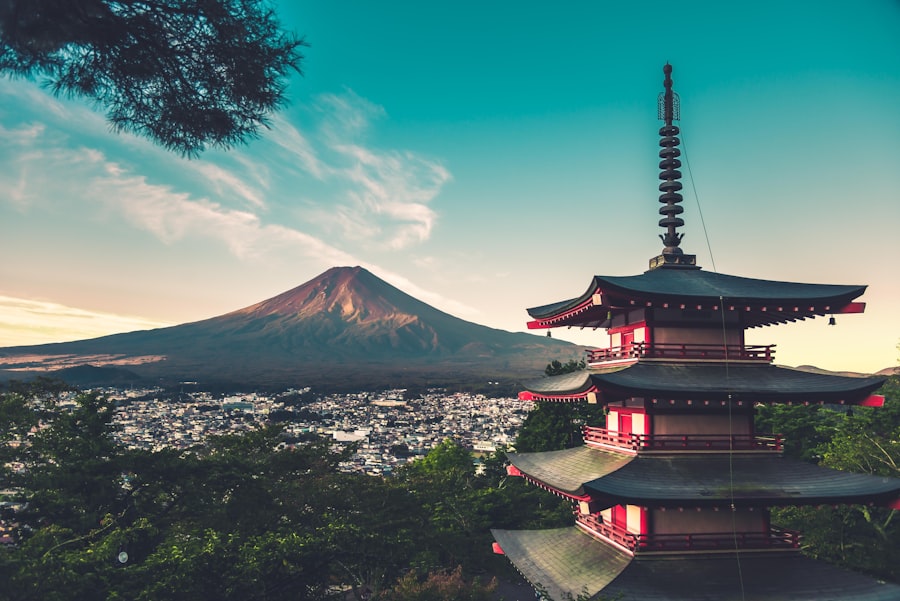
Some key geographical features of Japan include Mount Fuji, the highest mountain in the country, as well as numerous active volcanoes. Japan is also known for its extensive coastline, which provides abundant seafood and supports a thriving fishing industry.
How does Japan’s geography impact its culture and society?
The mountainous terrain of Japan has historically isolated different regions, leading to the development of distinct local cultures and traditions. Additionally, the country’s susceptibility to natural disasters has influenced its architecture, emergency preparedness, and cultural practices.
What are some unique aspects of Japan’s geography that are showcased in the documentary?
The documentary highlights Japan’s diverse landscapes, from the urban sprawl of Tokyo to the serene beauty of rural villages. It also explores the country’s relationship with the sea, including its fishing industry and coastal communities.
How can Japan’s geography be experienced by visitors?
Visitors to Japan can experience its geography through activities such as hiking in the mountains, visiting volcanic hot springs, exploring coastal towns, and taking in the breathtaking views of natural landscapes. Additionally, Japan’s geography provides opportunities for outdoor sports such as skiing, surfing, and diving.