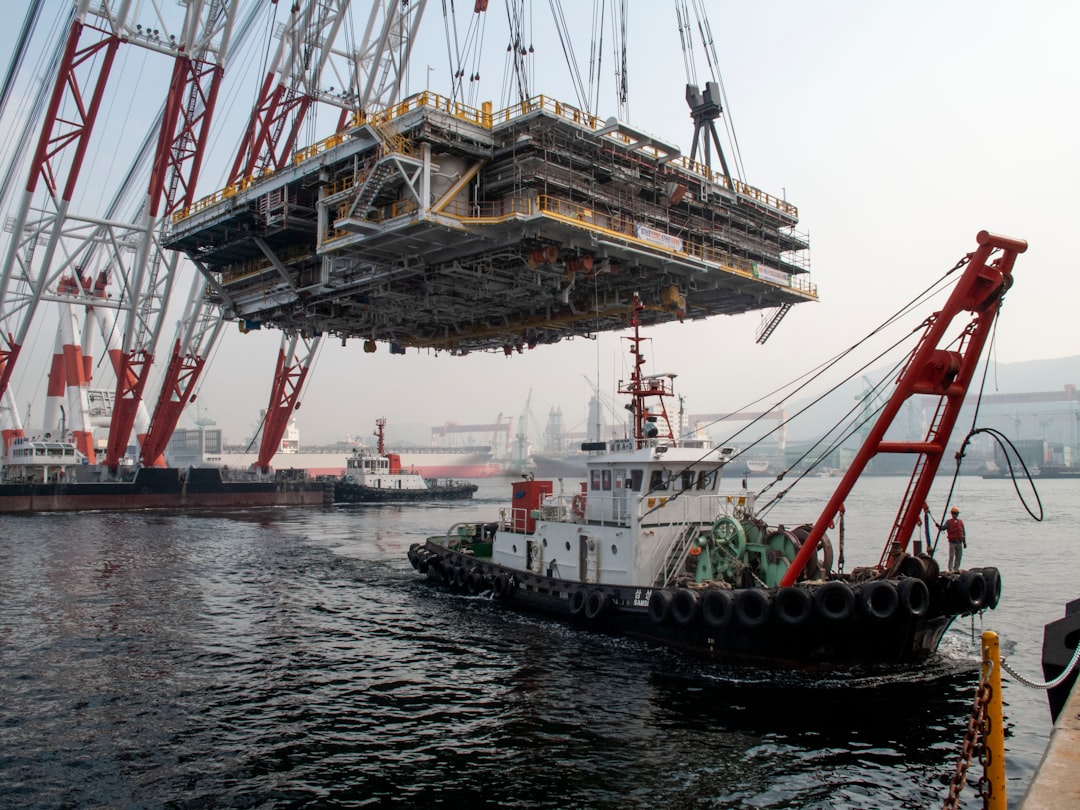
The colossal structures that once sailed the oceans, carrying goods and passengers across vast distances, eventually reach the end of their operational lives. These leviathans of the sea, though no longer fit for service, possess a wealth of valuable materials and components. The process of safely and sustainably breaking down these vessels, known as ship dismantling or ship recycling, is a complex industrial undertaking that demands meticulous planning, specialized expertise, and a deep commitment to environmental and occupational safety. Demystifying this intricate process reveals a multi-stage operation, from initial assessment to final material recovery, ensuring that these retired giants are handled with the respect their service commands and their materials are reintegrated into the global economy.
The journey of a ship from active service to its final dismantling begins with a thorough evaluation of its condition and a series of preparatory steps. This initial phase is critical for determining the feasibility of dismantling, identifying potential hazards, and establishing a clear roadmap for the entire operation. It requires a multidisciplinary approach, involving naval architects, marine surveyors, environmental specialists, and dismantling experts.
Vessel Characterization and Inventory
The first step in demystifying ship dismantling is to understand precisely what is to be dismantled. This involves a comprehensive characterization of the vessel.
Hull and Superstructure Survey
Naval architects and marine surveyors conduct detailed inspections of the hull, decks, and superstructures. They assess the structural integrity, identify any significant damage or corrosion, and document the overall dimensions and materials used in the ship’s construction. This information is crucial for planning the dismantling sequence and ensuring safe handling of large sections.
Machinery and Equipment Assessment
A thorough inventory of all onboard machinery, including engines, generators, auxiliary equipment, and navigation systems, is compiled. The condition and value of these components are assessed, as many can be salvaged for reuse or sale. This also includes identifying hazardous materials associated with these systems, such as oils, lubricants, and refrigerants.
Cargo Hold and Tank Inspection
The state of cargo holds, ballast tanks, and fuel tanks is meticulously examined. This involves checking for residual cargo, slops, or hazardous substances that may have been stored. Proper cleaning and decontamination protocols are vital at this stage to prevent environmental contamination during dismantling.
Hazardous Material Identification and Management
Ship dismantling inherently involves dealing with materials that can pose risks to human health and the environment. Proactive identification and management of these substances are paramount.
Asbestos and PCB Screening
Many older vessels contain asbestos in insulation and other components, and polychlorinated biphenyls (PCBs) in electrical equipment and paints. Rigorous screening and testing are conducted to locate all such materials. Certified specialists are then employed for their safe removal and disposal according to strict international regulations.
Oily Residues and Chemical Contamination
Fuel tanks, bilges, and other areas can contain significant quantities of oily residues and other chemical contaminants. These must be pumped out, treated, and disposed of responsibly. Specialized waste management companies are often engaged for this purpose.
Heavy Metals and Other Toxic Substances
Paint coatings, antifouling agents, and various onboard components may contain heavy metals and other toxic substances. Their presence is identified, and appropriate handling and disposal procedures are established to prevent their release into the environment.
Regulatory Compliance and Planning
Ship dismantling is governed by a complex web of national and international regulations, including the Hong Kong International Convention for the Safe and Environmentally Sound Recycling of Ships. Adherence to these standards is not only a legal requirement but also a fundamental aspect of responsible dismantling.
Permit Acquisition and Approvals
Dismantling facilities must obtain numerous permits and approvals from regulatory bodies before commencing work. These often include environmental permits, safety certifications, and operational licenses.
Site Selection and Suitability Assessment
The location of the dismantling facility is crucial. It must be situated in an area with appropriate infrastructure, including access to heavy lifting equipment, waste treatment facilities, and transportation networks. Environmental impact assessments are conducted to ensure the chosen site can handle the operation without undue harm to the surrounding ecosystem.
Safety Management System Implementation
A comprehensive safety management system (SMS) is developed and implemented. This includes detailed risk assessments, emergency response plans, personal protective equipment (PPE) protocols, and regular safety training for all personnel involved.
The ship dismantling process is a complex and vital aspect of maritime industry practices, ensuring that decommissioned vessels are safely and efficiently dismantled while minimizing environmental impact. For a detailed exploration of this process, you can refer to a related article that delves into the various stages and regulations involved in ship dismantling. To learn more, visit this informative article.
Setting the Stage: Site Preparation and Infrastructure
Once a vessel is deemed ready for dismantling and all necessary planning is complete, the focus shifts to preparing the dismantling site and ensuring the availability of essential infrastructure. This phase lays the groundwork for efficient and safe operations.
Docking and Securing the Vessel
The chosen dismantling yard must be equipped to safely dock and secure the massive vessel. This is a critical step that prevents uncontrolled movement during the dismantling process.
Dry Docking or Afloat Dismantling
Depending on the facility’s capabilities and the vessel’s size, dismantling can occur either in a dry dock or afloat in a designated area. Dry docking provides a stable and controlled environment, allowing for easier access to the hull from below. Afloat dismantling requires robust mooring systems and careful consideration of tidal variations.
Mooring and Ballasting Strategies
When dismantling afloat, secure mooring lines and chains are essential. Ballasting strategies may be employed to adjust the vessel’s trim and stability, making it easier and safer to access specific sections for cutting and removal.
Essential Equipment and Facilities
A well-equipped dismantling yard is crucial for the smooth execution of the process. This involves a range of specialized machinery and purpose-built facilities.
Heavy Lifting Equipment
Massive cranes, such as floating cranes or heavy-lift land-based cranes, are indispensable for lifting and moving large sections of the ship, including the superstructure, engines, and hull segments. The capacity of this equipment must be matched to the size and weight of the components being handled.
Cutting and Welding Equipment
A variety of cutting tools are employed, including oxy-fuel cutting torches, plasma cutters, and even specialized underwater cutting equipment. High-quality welding equipment is also necessary for any temporary bracing or repairs required during the dismantling process.
Waste Management and Segregation Facilities
Dedicated areas for the segregation, temporary storage, and onward transportation of various waste streams are vital. This includes facilities for sorting metals, plastics, hazardous materials, and general waste. Proper containment measures are implemented to prevent spills and environmental contamination.
Environmental Protection Measures
Protecting the surrounding environment is a core principle of modern ship dismantling. Robust measures are put in place to mitigate any potential ecological impact.
Containment Booms and Spill Kits
Waterfront dismantling facilities utilize containment booms to prevent any potential spills of oil, fuel, or other hazardous substances from reaching the open water. Spill kits are readily available throughout the site for immediate response to any accidental releases.
Dust Suppression Systems
Cutting and grinding operations can generate significant amounts of dust, some of which may contain hazardous particles. Water spraying systems and other dust suppression techniques are employed to minimize airborne pollution.
Wastewater Treatment
Any wastewater generated during cleaning or from site runoff is collected and treated before discharge, ensuring it meets stringent environmental standards.
The Deconstruction Phase: Breaking Down the Behemoth
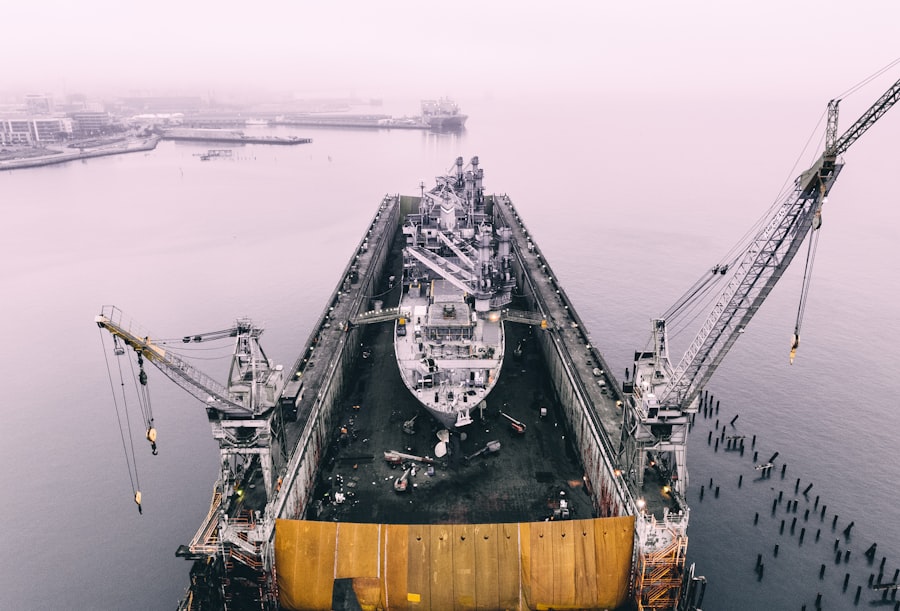
With the site prepared and equipment in place, the physical dismantling of the ship begins. This is often the most visible and labor-intensive stage, requiring skilled workers and precise coordination.
Superstructure Removal
The superstructure, comprising the bridge, accommodation blocks, and upper decks, is typically the first major section to be dismantled.
Sectional Cutting and Lifting
The superstructure is systematically cut into manageable sections using heavy-duty cutting equipment. These sections are then carefully lifted by cranes and moved to designated areas for further processing. The sequence of cutting is meticulously planned to maintain the stability of the remaining structure.
Interior Strip-Out
Before major structural removal, the interior of the superstructure is stripped of all non-structural elements. This includes furniture, fixtures, wiring, piping, and any remaining salvageable equipment. This step is crucial for identifying and safely removing any remaining hazardous materials.
Hull Segmentation and Plate Removal
The hull of the ship represents the largest volume of material to be dismantled and recycled. This process involves careful segmentation and the removal of steel plates.
Bulkhead and Deck Cutting
The internal structure of the hull, including bulkheads and decks, is systematically cut to facilitate the removal of larger sections. This process often begins from the top down, progressively reducing the size and complexity of the remaining structure.
Plate Removal and Material Sorting
Steel plates are cut from the hull structure. These plates are then sorted by type and condition, with high-quality steel often destined for immediate recycling. Any remaining coatings or marine growth are removed.
Engine Room and Machinery Extraction
The engine room houses the ship’s primary propulsion systems and other complex machinery, which are often valuable for resale or require specialized handling.
Dismantling and Removal of Main Engines
The main engines, being the most significant and heaviest components, are carefully dismantled and lifted from the engine room. This requires specialized lifting gear and precise engineering to avoid damage to the engines themselves if they are to be reused.
Auxiliary Machinery and Piping Systems
All auxiliary machinery, such as generators, pumps, and compressors, is removed. Similarly, extensive piping systems, electrical cables, and ventilation ducts are systematically disconnected and salvaged or disposed of appropriately.
Tank Cleaning and Gas-Freeing
The various tanks onboard, including fuel tanks, ballast tanks, and cargo tanks, require thorough cleaning and gas-freeing before they can be safely cut and dismantled.
Residual Product Removal
Any remaining fuel, oil, or cargo is pumped out and transferred for appropriate disposal or treatment.
High-Pressure Washing and Decontamination
Tanks are then subjected to high-pressure washing and, if necessary, chemical decontamination to remove all residual contaminants and ensure they are safe to enter and cut.
Gas-Freeing Procedures
Air monitoring is conducted to ensure that all flammable or toxic gases have been removed, rendering the tanks “gas-free” and safe for hot work operations like cutting.
Material Recovery and Recycling: Giving New Life to Old Steel
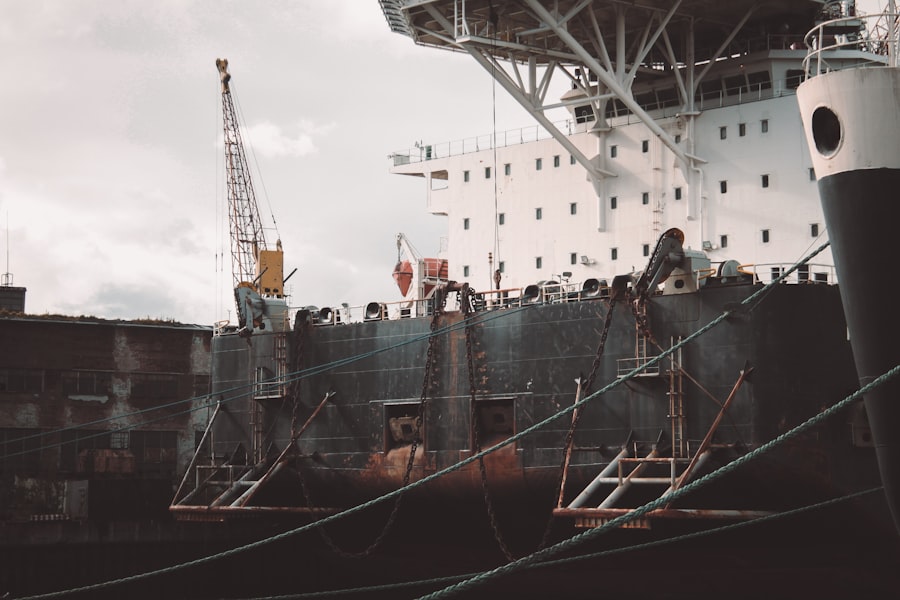
The ultimate goal of ship dismantling, beyond safe and responsible disposal, is to recover valuable materials for reuse and recycling, thereby contributing to a circular economy. This stage focuses on maximizing the value extracted from the retired vessel.
Metal Scrap Processing
The vast majority of a ship is constructed from steel, making metal scrap the primary commodity recovered.
Ferrous Metal Segregation
The steel removed from the hull and superstructure is sorted into different grades and types of ferrous scrap. This segregation is crucial for ensuring that the recycled steel meets the specific requirements of steel mills.
Non-Ferrous Metal Extraction
Various non-ferrous metals, such as copper (from wiring and piping), aluminum (from superstructures and fittings), and brass, are meticulously extracted. These metals often command higher prices and require specialized separation techniques.
Shearing and Baling
Large pieces of metal scrap are often processed through shears to reduce their size into more manageable proportions. Baling machines compress lighter metal into dense bales for easier transportation and handling.
Salvageable Equipment and Components
Many components removed from the ship retain significant functional value and can be salvaged for reuse in other vessels or industries.
Engine and Machinery Refurbishment
Engines, generators, pumps, and other machinery that are in good working order may be refurbished and sold on the secondhand market. This offers a cost-effective alternative to purchasing new equipment.
Deck Equipment and Fixtures
Anchor windlasses, capstans, davits, winches, and various deck fittings are often salvaged. Similarly, interior fixtures like doors, windows, and galley equipment can find new applications.
Navigation and Safety Equipment
While some navigation and safety equipment may be obsolete, functional items like navigation lights, radar components, and life-saving appliances (if still certified) can be valuable.
Hazardous Waste Management and Disposal
Not all materials recovered from a ship are valuable; some are hazardous and require specialized handling and disposal.
Asbestos Abatement and Disposal
Asbestos-containing materials are meticulously removed by certified professionals and disposed of in designated hazardous waste landfills, adhering to strict regulatory guidelines.
Oil and Chemical Waste Treatment
Oily residues, lubricants, and other chemical wastes are treated and disposed of by licensed waste management companies. This may involve incineration, biological treatment, or other specialized methods.
Paint and Coating Removal
Paint and coatings, particularly those containing heavy metals, are carefully removed and disposed of as hazardous waste.
The ship dismantling process is a complex and environmentally sensitive procedure that involves the careful deconstruction of vessels at the end of their operational life. For a more in-depth understanding of this process, you can explore a related article that provides insights into the various stages and challenges involved in ship recycling. This informative piece can be found at My Geo Quest, where you will discover how sustainable practices are being integrated into the dismantling process to minimize environmental impact.
Ensuring Sustainability and Safety: The Ethical Framework of Dismantling
| Stage | Description |
|---|---|
| Preparation | Removal of hazardous materials such as asbestos, PCBs, and mercury |
| Decommissioning | Draining of fluids and removal of equipment and machinery |
| Dismantling | Cutting the ship into smaller sections for recycling |
| Recycling | Processing of materials such as steel, aluminum, and copper for reuse |
Responsible ship dismantling extends beyond mere material recovery; it encompasses a deep commitment to environmental stewardship and the well-being of the workforce. This ethical framework guides every stage of the process.
Environmental Impact Mitigation
The paramount concern in modern ship dismantling is minimizing the environmental footprint of the operation.
Prevention of Marine Pollution
Strict protocols are in place to prevent the release of pollutants into the marine environment. This includes robust containment systems, regular monitoring of water quality, and emergency response plans for spills.
Air Quality Control
As mentioned, dust suppression systems are employed to minimize airborne particulate matter. Ventilation systems within dismantling facilities also play a role in managing air quality.
Noise Pollution Reduction
Dismantling operations can be noisy. Measures are taken to minimize noise pollution affecting surrounding communities, such as scheduling noisy activities during specific hours and utilizing noise-reducing equipment where possible.
Occupational Health and Safety Standards
The safety of the workforce is non-negotiable. Comprehensive safety protocols are implemented and continuously reinforced.
Rigorous Training Programs
All personnel involved in ship dismantling undergo extensive training in hazardous material handling, safe cutting and welding practices, working at heights, and emergency procedures.
Personal Protective Equipment (PPE)
Appropriate PPE, including safety helmets, steel-toed boots, high-visibility clothing, eye protection, hearing protection, and specialized respiratory protection, is mandatory for all workers.
Risk Assessment and Mitigation
Thorough risk assessments are conducted for each task, and control measures are implemented to mitigate identified hazards. This includes regular safety audits and toolbox talks.
Regulatory Compliance and International Standards
Adherence to international conventions and national regulations is fundamental to ensuring ethical and sustainable ship dismantling.
The Hong Kong Convention
The Hong Kong International Convention for the Safe and Environmentally Sound Recycling of Ships provides a global framework for ensuring that ships are dismantled in a safe and environmentally friendly manner. Facilities that comply with this convention are recognized for their responsible practices.
National Legislation and Standards
Each country where ship dismantling occurs has its own specific legislation and standards that must be met. This includes regulations related to environmental protection, occupational health and safety, and waste management.
Independent Audits and Certification
Many dismantling facilities seek independent audits and certifications to demonstrate their commitment to safety and environmental standards. This provides assurance to shipowners and regulatory bodies.
In conclusion, demystifying ship dismantling reveals a highly specialized and regulated industry. It is a far cry from the simplistic image of a ship being haphazardly cut apart. Instead, it is a multi-faceted process that demands technical expertise, rigorous planning, unwavering commitment to safety, and a deep respect for environmental principles. From the initial assessment of a vessel’s end-of-life journey to the meticulous recovery and recycling of its materials, each step is orchestrated to ensure that these maritime veterans are decommissioned responsibly, their valuable resources are reintegrated into the global economy, and their legacy is one of sustainability rather than environmental concern.

The Beaches Global Trade Can’t Afford to Lose
FAQs
What is ship dismantling?
Ship dismantling, also known as ship breaking, is the process of dismantling an old or decommissioned ship for the purpose of recycling its materials and components.
What are the steps involved in ship dismantling?
The ship dismantling process typically involves several steps, including pre-cleaning, removal of hazardous materials, cutting and dismantling of the ship’s structure, and recycling of the materials.
Where does ship dismantling take place?
Ship dismantling is often carried out in specialized shipbreaking yards, which are located in various parts of the world, including South Asia, China, and Turkey.
What are the environmental and safety concerns associated with ship dismantling?
Ship dismantling can pose environmental and safety risks due to the presence of hazardous materials such as asbestos, lead, and oil residues. Additionally, workers in shipbreaking yards may be exposed to unsafe working conditions.
What are the benefits of ship dismantling?
Ship dismantling allows for the recycling of valuable materials such as steel, copper, and aluminum, reducing the demand for new resources. It also provides employment opportunities in shipbreaking yards and contributes to the local economy.