Europe’s reliance on oil, a fundamental pillar of its economy and daily life, has long been a subject of complex geopolitical and economic discussions. From fueling transportation networks to powering industrial processes and serving as a feedstock for countless products, oil’s pervasive influence is undeniable. However, understanding the intricacies of Europe’s oil supply chain – its origins, vulnerabilities, and future trajectories – remains a challenge for many. This comprehensive explanation aims to demystify this vital aspect of the European economy, shedding light on the multifaceted landscape of its oil sourcing, refining, distribution, and the ongoing transition towards a more sustainable energy future.
Europe’s industrial revolution, which began in the 18th century, was inextricably linked to the rise of fossil fuels, with coal initially taking center stage. However, as the 20th century progressed, oil increasingly supplanted coal as the primary energy source due to its higher energy density and greater versatility. The burgeoning automotive industry, the development of aviation, and the expanding use of oil in manufacturing and electricity generation all contributed to a growing demand that outstripped domestic production capabilities. This inherent deficit necessitated a robust and intricate system of importing oil from various global producers, laying the groundwork for the complex supply chains that define Europe’s energy landscape today.
Historical Context of European Energy Consumption
- Early Industrialization and Coal: The early stages of European industrialization heavily relied on coal. Its abundance within the continent enabled significant advancements in manufacturing, transportation (steam engines), and heating. However, the environmental consequences of widespread coal combustion were increasingly recognized over time.
- The Rise of Oil and the Automobile Age: The discovery and exploitation of vast oil reserves in the early to mid-20th century, particularly in the Middle East and the Americas, fundamentally altered Europe’s energy paradigm. The invention of the internal combustion engine and the subsequent explosion of the automobile industry created an insatiable demand for petroleum products.
- Post-War Economic Boom and Petrochemical Revolution: The post-World War II era saw unprecedented economic growth across Europe, fueled in part by readily available and relatively inexpensive oil. This period also witnessed the rise of the petrochemical industry, transforming oil beyond just a fuel into a raw material for plastics, synthetic fibers, fertilizers, and a myriad of other consumer goods.
- Geopolitical Shifts and Oil Security: As dependence on oil grew, so did concerns about energy security. The geopolitical events of the 20th century, including the oil crises of the 1970s, highlighted the vulnerability of European economies to disruptions in oil supply, prompting efforts to diversify sources and improve strategic reserves.
The Economic Imperative of Oil
The economic significance of oil cannot be overstated. It is the lifeblood of modern economies, driving economic activity across numerous sectors.
Transportation and Logistics
The vast majority of goods and people move across Europe via oil-powered vehicles, trains, and ships. The seamless operation of supply chains, from raw material delivery to finished product distribution, is heavily dependent on the availability and affordability of motor fuels.
Industrial Production and Manufacturing
Beyond transportation, oil and its derivatives are essential inputs for a wide array of industrial processes. From the production of plastics and chemicals to the manufacturing of asphalt for roads and lubricants for machinery, oil plays a critical role in maintaining industrial output.
Agriculture and Food Security
Modern agriculture relies on oil-powered machinery for cultivation, harvesting, and transportation. Furthermore, petrochemicals derived from oil are crucial components of fertilizers and pesticides, directly impacting crop yields and global food security.
For a deeper understanding of the complexities surrounding European oil supply, you may find the article titled “The Dynamics of Oil Supply in Europe” particularly insightful. This piece delves into the various factors influencing oil production and distribution across the continent, providing a comprehensive overview that complements the information on European oil supply explained. You can read it here: The Dynamics of Oil Supply in Europe.
Unpacking Europe’s Diverse Oil Sources
Europe’s oil supply is not monolithic; it is a complex tapestry woven from diverse geographical origins. This diversification, while offering a degree of resilience, also introduces significant geopolitical considerations and logistical challenges. The continent relies on a combination of domestic production, imports from countries within its immediate neighborhood, and long-haul shipments from further afield.
Within Europe: Domestic Production and Regional Neighbors
While Europe’s domestic oil production has declined over the decades, some member states still contribute to the overall supply. Scandinavian countries, particularly Norway and the United Kingdom (though it’s no longer an EU member, its historical role remains relevant), have been significant producers, primarily from offshore fields in the North Sea. Russia, historically a major supplier to Central and Eastern European nations, played a crucial role for decades, though its influence has diminished significantly in recent years due to geopolitical tensions.
North Sea Production: A Declining but Enduring Contribution
- Norway’s Strategic Role: Norway, a non-EU member, has long been a major producer of oil and gas from its North Sea fields. Its production has been instrumental in meeting European energy needs and providing a relatively stable, albeit declining, domestic source.
- United Kingdom’s Historical Output: The UK, also a significant North Sea producer, has seen its output decrease over time, mirroring global trends of mature oil fields. Despite this decline, its infrastructure and established supply chains remain relevant.
Russia’s Shifting Influence
- Historical Dependence: For many years, a substantial portion of Europe’s oil, especially for Central and Eastern European countries, flowed from Russia. This dependence created significant geopolitical leverage for Moscow.
- Impact of Sanctions and Diversification: The invasion of Ukraine in 2022 and subsequent sanctions have dramatically altered this relationship. European nations have embarked on an aggressive strategy to reduce and ultimately eliminate their reliance on Russian oil, necessitating a rapid and widespread diversification of supply sources.
International Imports: Navigating Global Markets
The lion’s share of Europe’s oil is imported from countries far beyond its borders. These imports come from major oil-producing regions around the globe, each with its own unique export capacity, production stability, and price dynamics.
The Middle East: A Continual Cornerstone
The Middle East, with its vast proven reserves, remains a critical supplier of crude oil to Europe. Countries like Saudi Arabia, Iraq, and the United Arab Emirates play a significant role in meeting European demand. The stability of these supplies, however, can be subject to regional geopolitical events.
Saudi Arabia: The World’s Largest Exporter
Saudi Arabia, as the world’s largest oil exporter, consistently plays a pivotal role in global supply, including to Europe. Its production capacity and its influence within OPEC+ (the Organization of the Petroleum Exporting Countries and its allies) make it a key player in price stability.
Iraq and Iran: Volatile but Important Producers
Despite periods of political instability and international sanctions, Iraq and historically Iran have been important sources of crude oil for Europe. Their potential for increased production offers a significant, albeit sometimes unpredictable, component of the global supply chain.
Africa: An Increasingly Important Provider
African nations, particularly those in West Africa like Nigeria and Angola, have become increasingly important suppliers of crude oil to Europe, often offering lighter, sweeter crude grades that are favored by European refineries.
Nigeria and Angola: Key West African Suppliers
These two countries are consistently among the top African oil exporters to Europe, providing a crucial part of the continent’s energy mix. Their production levels, however, can be influenced by internal factors and infrastructure challenges.
The Americas: North and South American Contributions
The United States has emerged as a major global oil producer, and its increasing export capacity has provided Europe with an additional avenue for sourcing crude. Canada, with its vast oil sands reserves, also contributes to the global supply. South American nations, such as Brazil and Colombia, also play a role.
United States: A Shale Revolution Impact
The shale oil revolution in the United States has transformed its role in global energy markets. The US is now a significant exporter of crude oil, and Europe has become a key destination for these shipments, offering a non-OPEC+ alternative.
Canada’s Oil Sands: A Significant, Though Controversial, Resource
Canada’s substantial oil sands reserves offer a long-term source of crude, though the environmental impact of extraction has been a subject of debate and has influenced its export routes and market accessibility.
The Crucial Role of Refining and Processing
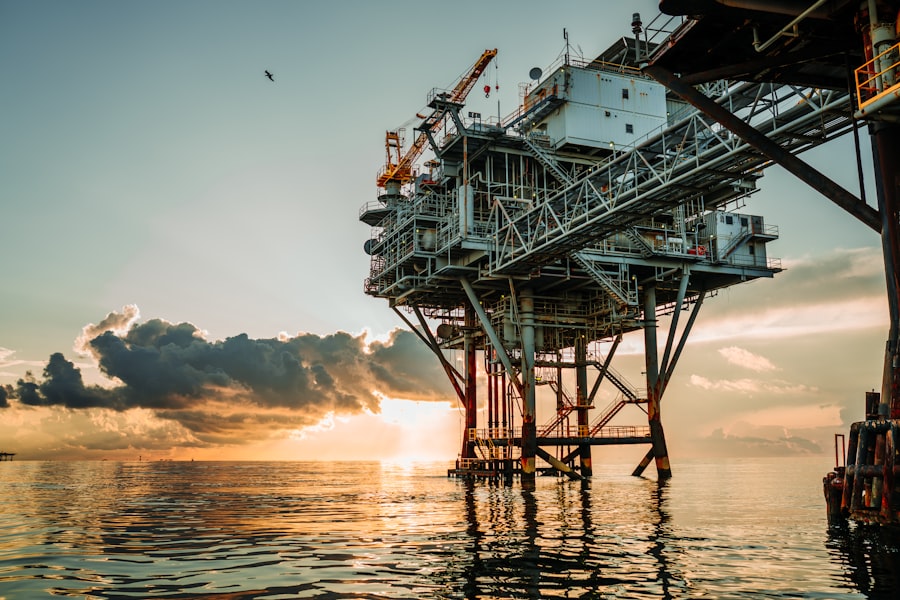
Crude oil, as it is extracted from the ground, is a complex mixture of hydrocarbons that is not directly usable by most end consumers. It must undergo a sophisticated process of refining to transform it into a range of valuable products, including gasoline, diesel, jet fuel, heating oil, and the feedstock for the petrochemical industry. Europe possesses a substantial refining capacity, but this infrastructure is also subject to its own set of challenges and evolving dynamics.
Europe’s Refining Landscape
The continent boasts a significant network of oil refineries, strategically located near coastal areas for ease of import and export, or inland, with access to pipelines and transportation networks. These refineries are vital for processing imported crude into usable fuels and products for the European market.
Geographical Distribution of Refineries
- Coastal Hubs: Major refining centers are often located on coastlines, facilitating the import of crude oil via tankers and the export of refined products. This includes regions like Northwest Europe (e.g., Rotterdam, Antwerp) and the Mediterranean.
- Inland Networks: Inland refineries often rely on extensive pipeline networks to receive crude oil and distribute refined products, connecting them to major consumption centers.
Types of Refineries and Their Specializations
Refineries vary in their complexity and capabilities, determining the types of crude oil they can process and the range of products they can produce.
Simple vs. Complex Refineries
- Simple Refineries: These primarily focus on separating crude oil into lighter and heavier fractions through distillation. They produce a more limited range of products.
- Complex Refineries: These employ advanced processes like cracking, reforming, and hydrotreating to break down heavier fractions into lighter, more valuable products and to remove impurities. They yield a wider variety of high-value fuels and petrochemical feedstocks.
Challenges and Transitions in the Refining Sector
The European refining sector faces a dual challenge: maintaining current operations while simultaneously preparing for a future with declining demand for some traditional fuels and an increasing emphasis on cleaner energy sources.
The Impact of Declining Demand for Transportation Fuels
As Europe accelerates its transition towards electric vehicles and sustainable aviation fuels, the demand for traditional gasoline and diesel is projected to decline. This has created uncertainty for some refineries that are heavily reliant on these products.
The Petrochemical Advantage
Many European refineries are increasingly focusing on their petrochemical operations, as the demand for plastics, chemicals, and other materials derived from oil is expected to remain robust or even grow. This diversification offers a pathway for continued relevance.
The Need for Modernization and Investment
To remain competitive and adapt to changing market demands, European refineries require significant investment in modernization and upgrades. This includes investing in technologies to produce biofuels, hydrogen, or to capture carbon emissions.
The Intricate Network of Oil Distribution and Storage
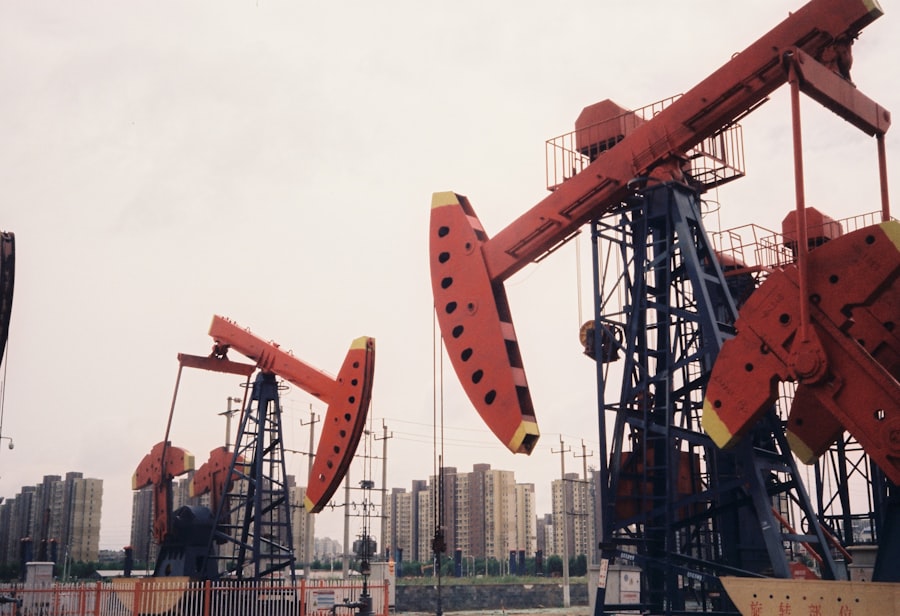
Once refined, petroleum products embark on a complex journey through a sophisticated distribution and storage network to reach consumers. This network involves a combination of pipelines, seaborne tankers, rail, and road transportation, all underpinned by an extensive system of storage facilities.
Transportation Arteries: Moving the Fuel
The efficient movement of refined oil products is critical for ensuring supply security and affordability across the continent.
Pipelines: The Backbone of Distribution
A vast network of interconnected pipelines crisscrosses Europe, efficiently transporting fuels from refineries to storage depots and major consumption centers. These pipelines offer a safe, reliable, and cost-effective mode of transport for large volumes of oil.
Trans-European Pipeline Networks
- Strategic Importance: These networks are vital for linking major production areas (when applicable) and refining hubs to consumption markets, ensuring the continuous flow of energy.
- Capacity and Flow: The sheer volume of oil moved through these pipelines daily underscores their critical role in the European energy system.
Shipping and Tankers: Connecting Continents
Seaborne tankers remain indispensable for transporting crude oil from global producers to European refineries and for moving refined products between different regions.
Crude Oil Tankers
- VLCCs and Suezmaxes: Very Large Crude Carriers (VLCCs) and Suezmax tankers are essential for bringing crude oil from the Middle East and other distant sources to major European ports.
- Strategic Chokepoints: The security of maritime routes and chokepoints, such as the Suez Canal and the Strait of Gibraltar, is crucial for ensuring the uninterrupted flow of oil.
Rail and Road Transport: The Last Mile Delivery
While pipelines and tankers handle the bulk transportation, rail and road tankers are essential for the final delivery of refined products to individual consumers, businesses, and smaller distribution points.
Storage Facilities: Ensuring Supply Security and Price Stability
An extensive network of storage tanks, strategically located across Europe, plays a vital role in ensuring supply security, managing market fluctuations, and maintaining strategic reserves.
Refined Product Storage Depots
These depots are located near refineries, at major transportation hubs, or closer to end consumers, ensuring that fuels are readily available.
Strategic Petroleum Reserves (SPRs)
Many European countries maintain Strategic Petroleum Reserves, holding significant quantities of crude oil or refined products to cushion the impact of supply disruptions, such as geopolitical crises or natural disasters.
The Role of SPRs in Energy Security
- Buffer Against Shocks: SPRs act as a crucial buffer, providing a readily available supply in times of emergency, preventing price spikes and ensuring continued economic activity.
- International Cooperation: Many European countries coordinate their SPR policies and participate in international initiatives to ensure collective energy security.
In understanding the complexities of the European oil supply, it’s essential to explore various factors that influence this critical resource. A related article that delves deeper into the geopolitical implications and market dynamics can be found here. This resource provides valuable insights into how global events shape the energy landscape in Europe, making it a worthwhile read for anyone interested in the topic.
Geopolitical Influences and Energy Security Challenges
| Country | Oil Production (thousand barrels per day) | Oil Reserves (billion barrels) |
|---|---|---|
| Norway | 1,647 | 6.4 |
| United Kingdom | 1,042 | 2.8 |
| Denmark | 103 | 0.6 |
| Netherlands | 19 | 0.1 |
| Germany | 3 | 0.2 |
Europe’s oil supply chain is deeply intertwined with global geopolitics, making energy security a constant and paramount concern. Historical events and ongoing geopolitical shifts continue to shape the continent’s approach to oil sourcing, security strategies, and the long-term transition away from fossil fuels.
The Shadow of Geopolitical Events
The vulnerability of oil supplies to international conflicts, political instability in producing nations, and the imposition of sanctions have repeatedly underscored the need for robust energy security measures.
Oil Embargoes and Sanctions
- Historical Precedents: The oil embargoes of the 1970s served as a stark reminder of the power of oil-producing nations to influence global markets and the economic vulnerabilities of importing nations.
- Modern Sanctions Regimes: Contemporary sanctions regimes, often imposed for political or security reasons, can significantly impact global oil flows and necessitate rapid adjustments in supply chains.
Regional Instability and Potential Disruptions
Conflicts or political unrest in major oil-producing regions of the Middle East, Africa, or Eastern Europe can lead to supply disruptions, price volatility, and heightened concerns about energy security.
Diversification as a Cornerstone of Security
In response to these challenges, Europe has long pursued a strategy of diversifying its oil supply sources. This means not relying too heavily on any single country or region for its energy needs.
Reducing Dependence on Single Suppliers
- Strategic Imperative: Diversification is not merely an economic consideration; it is a strategic imperative to reduce vulnerability to external pressure and ensure a stable energy supply.
- Building Redundancy: A diversified supply network provides redundancy, meaning that if one source is disrupted, others can compensate, mitigating the impact.
The Role of International Organizations and Agreements
International cooperation plays a crucial role in navigating the complexities of global oil markets and promoting energy security within Europe.
OPEC+ and Market Influence
The decisions of OPEC+ regarding production levels have a significant impact on global oil prices and supply, influencing European import strategies and refining economics.
International Energy Agency (IEA)
The IEA, and its European counterpart agencies, play a vital role in monitoring global energy markets, advising member countries on energy policy, and coordinating responses to energy crises, including the management of strategic reserves.
The Road to a Sustainable Energy Future: Decarbonization and Beyond
The global imperative to address climate change is driving a fundamental shift in Europe’s energy landscape. While oil will likely remain a component of the energy mix for some time, the continent is aggressively pursuing a transition towards renewable energy sources and a decarbonized economy. This transition presents both opportunities and challenges for the oil supply chain.
The European Green Deal and Climate Targets
The European Green Deal, a comprehensive set of policy initiatives, aims to make Europe the first climate-neutral continent by 2050. This ambitious goal necessitates a significant reduction in the consumption of fossil fuels, including oil.
Phasing Out Fossil Fuels
- Ambition and Implementation: The commitment to phasing out fossil fuels is a central pillar of the Green Deal, driving investments in renewable energy and energy efficiency measures.
- Impact on Oil Demand: As the transition progresses, the demand for traditional oil products, particularly for transportation, is expected to decline significantly.
The Rise of Renewables and Alternative Fuels
Europe is making substantial investments in renewable energy sources such as solar, wind, and hydropower, which are increasingly competing with and complementing traditional fossil fuels.
Biofuels and Synthetic Fuels
- Bridging the Gap: Biofuels and synthetic fuels, produced from biomass or renewable electricity and captured CO2, are being explored as potential alternatives to conventional fuels, particularly in sectors that are difficult to electrify, such as aviation and heavy transport.
- Technological Advancements: Ongoing research and development are crucial for improving the efficiency, sustainability, and scalability of these alternative fuel technologies.
Hydrogen as a Future Energy Carrier
Hydrogen, when produced from renewable sources (green hydrogen), is seen as a key enabler of decarbonization across various sectors. Its potential as a fuel for transportation, industrial processes, and electricity generation is significant.
The Evolving Role of Oil in the Economy
As Europe transitions towards a low-carbon economy, the role of oil will inevitably evolve. While its use as a primary energy source for transportation and heating may decline, its importance as a feedstock for the petrochemical industry is likely to persist, albeit with a growing emphasis on sustainable and circular economy principles.
Petrochemicals and the Circular Economy
- Continued Demand: The demand for plastics, chemicals, and other materials derived from oil will continue, but the focus is shifting towards more sustainable production methods and increased recycling.
- Chemical Recycling: Advanced chemical recycling technologies aim to break down complex plastic waste into its original components, which can then be used to create new materials, reducing the reliance on virgin fossil fuels.
Implications for the Oil Industry
The ongoing energy transition will require significant adaptation from the oil industry, necessitating investments in new technologies, the retraining of workforces, and a strategic shift towards new energy ventures. The future of oil in Europe lies not in its continued dominance as a fuel but in its potential to contribute to a more sustainable and circular economy, through its role in advanced materials and the development of cleaner energy solutions. This complex dynamic of adaptation and innovation will define the trajectory of Europe’s oil supply for decades to come.

Why Europe Can’t Escape This Cold War Pipeline
FAQs
What is the current state of European oil supply?
The current state of European oil supply is dependent on a combination of domestic production, imports from non-EU countries, and strategic reserves. Europe imports a significant portion of its oil from countries such as Russia, Norway, and the Middle East.
How does European oil supply impact the economy?
European oil supply has a significant impact on the economy, as it affects the cost of energy, transportation, and manufacturing. Fluctuations in oil supply can lead to changes in fuel prices, which in turn can impact consumer spending and overall economic growth.
What are the main challenges facing European oil supply?
Some of the main challenges facing European oil supply include geopolitical tensions with oil-producing countries, the transition to renewable energy sources, and the aging infrastructure of existing oil fields and refineries. Additionally, there is a growing concern about the environmental impact of continued reliance on fossil fuels.
How does European oil supply impact global energy markets?
European oil supply has a significant impact on global energy markets, as Europe is a major consumer of oil. Changes in European oil demand and supply can influence global oil prices and trade patterns, affecting oil-producing countries and other major consumers around the world.
What are the potential future developments in European oil supply?
Potential future developments in European oil supply include increased investment in renewable energy sources, efforts to diversify oil import sources, and the development of new technologies to improve domestic oil production. There is also a growing focus on energy efficiency and reducing overall oil consumption.