
The energy landscape of Europe is a complex tapestry, woven from diverse sources, intricate transport networks, and the ever-present interplay of economic and geopolitical forces. For individuals and industries alike, understanding the mechanisms that bring fuel to their pumps and pipelines can feel like deciphering an ancient enigma. This article aims to demystify the European fuel supply chain, shedding light on its fundamental components, the challenges it faces, and the evolving strategies shaping its future.
The Pillars of European Fuel Production
Europe’s journey towards energy independence and security is deeply rooted in its domestic production capabilities, alongside a significant reliance on imports. While the continent’s refined petroleum products are largely sufficient to meet demand, the upstream extraction of crude oil and natural gas plays a crucial role in defining its energy posture.
Crude Oil Extraction and Refining: A Continental Overview
While Europe is not a major global player in crude oil extraction, several countries contribute to the continent’s output. The North Sea, a historical hub for oil and gas production, remains a significant source, with the United Kingdom and Norway being key producers. However, declining reserves and increasing extraction costs have led to a gradual decrease in production from these mature fields.
United Kingdom’s North Sea Contribution
The UK, once a significant oil producer, has seen its output diminish over the years. Nevertheless, the North Sea still accounts for a portion of its crude oil needs. The economic viability of these operations is often contingent on global oil prices and technological advancements in extraction.
Norwegian Oil and Gas Prowess
Norway stands as a notable exception, maintaining a substantial level of oil and gas production. Its offshore fields, particularly in the North Sea and the Barents Sea, continue to be a vital source of hydrocarbons for both domestic consumption and export, playing a significant role in the European energy market.
Other European Producers
Beyond the North Sea, other European nations have smaller-scale crude oil extraction activities. Romania and Italy, for instance, have limited domestic production, but these amounts are marginal in the grand scheme of European supply. The focus for much of Europe lies in refining imported crude.
Natural Gas: Diverse Sources and Strategic Importance
Natural gas holds a position of paramount importance in Europe’s energy mix, serving critical roles in heating, electricity generation, and industrial processes. The continent’s natural gas supply is characterized by a dual reliance on domestic production and robust import infrastructure.
European Domestic Gas Production
While domestic gas production in Europe has been declining in recent years, it still contributes to the overall supply. The Netherlands, for a long time, was a significant gas producer from the Groningen field. However, due to seismic concerns and depletion, its production has been drastically reduced. Other countries like the UK, Romania, and Italy also have smaller indigenous gas reserves that supplement their supplies.
The Crucial Role of Imports
The primary component of Europe’s natural gas supply comes from imports, predominantly through pipelines and increasingly via liquefied natural gas (LNG). This reliance on external sources makes Europe vulnerable to geopolitical shifts and global energy market dynamics.
Russian Pipeline Gas: A Historical Cornerstone
For decades, Russia was the dominant supplier of natural gas to Europe through a complex network of pipelines. This relationship, while economically intertwined, has become a significant point of contention and strategic risk, particularly in the wake of recent geopolitical events. The diversification away from Russian gas has become a central tenet of European energy policy.
Norwegian Pipeline Gas: A Reliable Alternative
Norway has emerged as a consistent and reliable supplier of natural gas to Europe, filling a crucial gap left by the reduction of Russian imports. Its extensive pipeline infrastructure connects to various European countries, ensuring a steady flow of gas.
Algerian Pipeline Gas: A Mediterranean Connection
Algeria, through its TransMed pipeline, also supplies natural gas to Italy and other Mediterranean countries. This pipeline offers a geographical advantage and contributes to the diversification of Europe’s gas sources.
The Growing Significance of Liquefied Natural Gas (LNG)
The global rise of LNG, particularly from the United States, Qatar, and other suppliers, has revolutionized the European gas market. LNG offers greater flexibility and security of supply, allowing Europe to tap into a wider range of international markets and mitigate the risks associated with pipeline dependency. The construction and expansion of LNG import terminals across Europe have been a key investment in recent years.
For a deeper understanding of the complexities surrounding European fuel supply, you can explore the article titled “Navigating the Challenges of Energy Transition in Europe.” This piece delves into the various factors influencing fuel availability and the ongoing shifts in energy policies across the continent. To read more about this topic, visit the article here: Navigating the Challenges of Energy Transition in Europe.
The Backbone of Propulsion: Refining and Distribution Networks
The transformation of crude oil into usable fuels like gasoline, diesel, and jet fuel, and the subsequent delivery of these products to consumers, represent critical stages in the European fuel supply. This intricate network of refineries and distribution channels is the unsung hero of modern mobility and industry.
Europe’s Refining Capacity: A Distributed Hub
Europe possesses substantial refining capacity, spread across numerous facilities. These refineries process both domestically produced and imported crude oil, catering to the continent’s multifaceted demand for transportation fuels and other petroleum-based products.
Major Refining Clusters in Europe
Certain regions within Europe have historically developed significant refining clusters due to proximity to ports, transportation infrastructure, and historical investment. These clusters ensure efficient processing and distribution of refined products across various markets.
The Benelux Region: A Gateway for Crude Oil
Countries like the Netherlands and Belgium, with their extensive port facilities and established petrochemical industries, are home to some of Europe’s largest refineries. They serve as crucial entry points for imported crude oil.
Germany and France: Industrial Powerhouses
Germany and France, as major industrial economies, also boast substantial refining capacities, supporting their domestic transportation and industrial needs.
Mediterranean Refineries: Serving Southern Europe
Refineries located in countries like Spain, Italy, and Greece play a vital role in supplying the fuel needs of Southern Europe, leveraging their coastal access.
The Intricate Dance of Distribution: From Refinery to Retail
Once refined, fuels embark on a complex journey through an extensive logistical network to reach consumers. This distribution system is a finely tuned operation, ensuring timely and efficient delivery.
Pipeline Networks: The Arteries of Fuel Transport
A vast network of pipelines forms the arterial system for fuel transportation across Europe. These pipelines efficiently move large volumes of refined products over long distances, connecting refineries to storage depots and major consumption centers.
Intra-European Pipeline Systems
Numerous pipeline systems crisscross national borders, facilitating the movement of fuels between different European countries. These interconnected networks are essential for maintaining a cohesive and responsive supply chain.
Dedicated Product Pipelines
Many pipelines are specifically designed to carry refined petroleum products, segregating them from crude oil or other materials to maintain product integrity.
Rail and Road Transport: The Last Mile Connectors
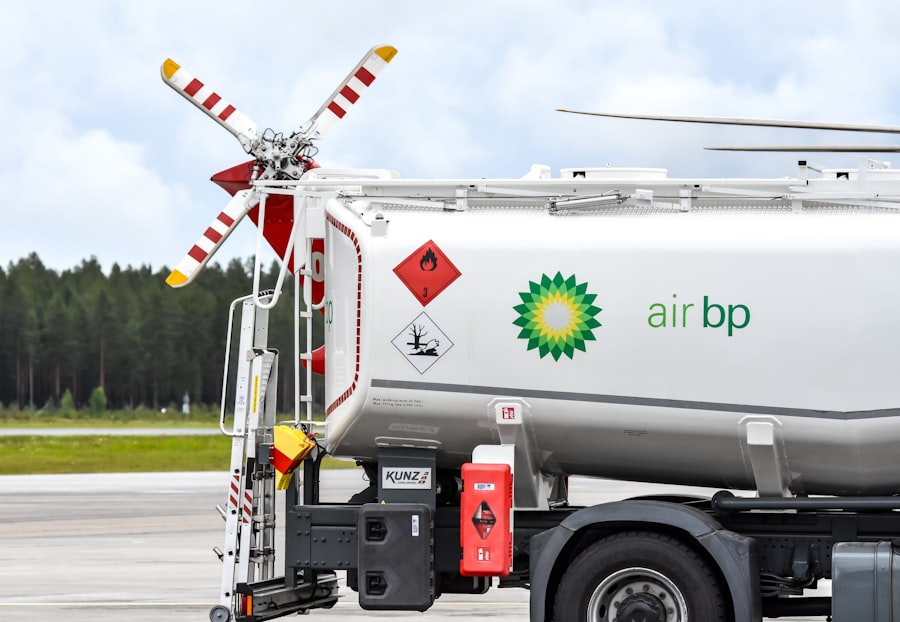
While pipelines form the primary long-distance arteries, rail and road transport play crucial roles in the final leg of distribution. Tanker trucks and rail cars deliver fuels from depots to individual service stations, industrial sites, and other end-users.
The Role of Tanker Trucks
Tanker trucks are indispensable for reaching remote locations and providing flexibility in delivery schedules. Their presence is a common sight on European roads, ensuring that fuel reaches even the most dispersed communities.
Rail Freight for Bulk Deliveries
Rail transport is utilized for the bulk movement of fuels from refineries or major storage hubs to regional distribution centers, offering a cost-effective solution for large-volume transfers.
Maritime Transport: Global Reach and Strategic Reserves
Ships and barges are essential for transporting crude oil to European refineries and for moving refined products between regions or to islands that are not connected by pipeline. They also play a role in managing strategic reserves.
Tanker Imports and Exports
Europe relies heavily on maritime transport for importing crude oil from global suppliers and for exporting refined products to other markets.
Coastal Refineries and Distribution
Coastal refineries benefit immensely from maritime access, allowing for efficient import of crude and export of their output. This also facilitates distribution to coastal communities and islands.
Geopolitical Undercurrents and Market Dynamics
The European fuel supply is not merely a matter of logistics and infrastructure; it is profoundly influenced by geopolitical events and the intricate workings of global energy markets. Shifts in international relations, supply disruptions, and fluctuating prices can have significant repercussions.
The Impact of Global Energy Markets
Europe’s energy landscape is inextricably linked to global oil and gas prices. International benchmarks like Brent crude oil and the Dutch TTF natural gas price dictate the cost of imports and significantly influence domestic production economics.
Crude Oil Price Volatility
Crude oil prices are subject to a wide array of factors, including geopolitical tensions, OPEC+ decisions, global economic growth, and the pace of the energy transition. These fluctuations directly impact the cost of gasoline and diesel at the pump.
Natural Gas Price Fluctuations
Natural gas prices are also susceptible to global market forces, with LNG spot prices and pipeline supply contracts playing a crucial role. Supply/demand imbalances, weather patterns, and geopolitical events can lead to significant price swings, affecting heating costs and industrial competitiveness.
Geopolitical Influences on Supply Security
Recent geopolitical events, particularly the conflict in Eastern Europe, have underscored the vulnerability of Europe’s energy supply and the importance of diversification. The continent’s reliance on specific suppliers has exposed it to risks of interruption and price manipulation.
Diversification Strategies: Moving Beyond Single Suppliers
In response to these vulnerabilities, Europe has actively pursued strategies to diversify its energy sources and suppliers. This includes increasing LNG imports from countries like the United States and Qatar, and expanding pipeline imports from Norway and other reliable sources.
The Role of Sanctions and Trade Agreements
International sanctions and trade agreements can have a profound impact on fuel flows. For example, sanctions imposed on certain energy-producing nations can reroute global supply chains and necessitate adjustments in Europe’s procurement strategies.
Energy Independence and National Security
The pursuit of greater energy independence is now a central pillar of European energy policy. This is driven by both economic considerations (shielding economies from price shocks) and national security imperatives (reducing reliance on potentially unstable or adversarial suppliers).
Challenges and Vulnerabilities in the Supply Chain
Despite significant infrastructure and robust import capabilities, the European fuel supply chain faces a multitude of challenges and inherent vulnerabilities that require constant attention and adaptation.
Infrastructure Limitations and Bottlenecks
While extensive, Europe’s infrastructure is not without its limitations. Existing pipeline capacities, the availability of LNG regasification terminals, and the distribution networks can experience bottlenecks, particularly during periods of high demand or unexpected supply disruptions.
Aging Infrastructure Investments
Some parts of Europe’s energy infrastructure are aging and may require significant investment for modernization and expansion. This includes upgrades to pipelines, storage facilities, and refining capacity to meet evolving demand and environmental standards.
The Geographical Distribution of Terminals
The concentration of LNG import terminals in specific regions can create vulnerabilities. If supply to these hubs is disrupted, it can have a wider impact on regional fuel availability. Expanding and diversifying terminal locations is a key focus.
Environmental Regulations and Sustainability Pressures
The increasing focus on climate change and environmental sustainability presents both challenges and opportunities for the fuel supply chain. Stricter regulations and the push towards decarbonization are reshaping the industry.
Decarbonization Targets and the Future of Fossil Fuels
Europe’s ambitious decarbonization targets necessitate a long-term shift away from fossil fuels. This requires significant investment in renewable energy sources and alternative fuels, while simultaneously managing the transition for existing fossil fuel infrastructure.
Transitioning to Alternative Fuels
The development and deployment of alternative fuels, such as hydrogen, biofuels, and synthetic fuels, are becoming increasingly important. The infrastructure for producing, storing, and distributing these new fuels needs to be developed in parallel with the phasing out of traditional fossil fuels.
Emission Reduction Technologies in Refining
Refineries are under pressure to adopt cleaner technologies to reduce emissions. This involves investments in processes that minimize greenhouse gas output and improve overall environmental performance.
The Threat of Cyberattacks and Physical Security
In an increasingly digitalized world, the energy infrastructure is a potential target for cyberattacks. Disruptions to critical systems could have far-reaching consequences for fuel delivery and availability. Physical security of supply routes and storage facilities is also a constant concern.
Securing Digital Infrastructure
Protecting digital control systems and communication networks from cyber threats is paramount. This involves robust cybersecurity measures, regular threat assessments, and rapid response protocols.
Protecting Physical Assets
Ensuring the physical security of pipelines, refineries, storage tanks, and transport vehicles is crucial to prevent sabotage or theft, which could lead to supply disruptions.
In the context of understanding the complexities of European fuel supply, it is insightful to explore how geopolitical factors influence energy markets. A related article that delves deeper into this topic can be found here, where it discusses the implications of recent policy changes and global events on fuel availability in Europe. This comprehensive analysis provides valuable perspectives for anyone interested in the intricacies of energy distribution across the continent.
The Evolving Landscape: Future Trends and Innovations
The European fuel supply chain is not static; it is a dynamic entity constantly adapting to new challenges and embracing innovative solutions. The future promises a significant transformation driven by technological advancements, policy shifts, and evolving consumer demands.
The Rise of Renewable Energy and Electrification
The undeniable shift towards renewable energy sources and the electrification of transportation are fundamentally reshaping the demand side of the fuel equation. This will have a profound impact on the volume and types of fuels required in the future.
Electric Vehicles and Their Impact on Demand
The widespread adoption of electric vehicles will gradually reduce the demand for gasoline and diesel in the passenger car segment. This necessitates a strategic shift for the oil and gas industry to adapt its product portfolio.
Infrastructure for Electric Charging
The build-out of a robust and widespread electric vehicle charging infrastructure is a crucial enabler of this transition, influencing consumer adoption rates.
Green Hydrogen and Biofuels: The New Frontiers
The development of green hydrogen, produced using renewable electricity, and advanced biofuels are emerging as key alternative fuels for sectors that are difficult to electrify, such as heavy-duty transport and aviation.
Production and Distribution of Green Fuels
Significant investments are required to develop the necessary production facilities and distribution networks for these new green fuels.
Technological Advancements in Extraction and Refining
While the focus is shifting towards renewables, technological innovation continues to play a role in optimizing existing fossil fuel extraction and refining processes, making them more efficient and environmentally friendly where they remain in use.
Enhanced Oil Recovery Techniques
Advanced techniques for enhanced oil recovery (EOR) can help maximize output from existing, mature oil fields, extending their lifespan and contributing to domestic supply in the short to medium term.
Digitalization and AI in Operations
The integration of digital technologies, artificial intelligence (AI), and machine learning is revolutionizing operations across the supply chain, from predictive maintenance of pipelines to optimizing refinery processes.
Smart Grids and Energy Management
The development of smart grids will integrate diverse energy sources more effectively, leading to a more resilient and efficient energy system.
The Importance of European Cooperation and Policy Alignment
Addressing the complex challenges of the European fuel supply requires a concerted effort and aligned policies across member states. Cooperation is essential for managing imports, developing infrastructure, and ensuring a secure and sustainable energy future.
Harmonizing Regulations and Standards
Harmonizing regulations and standards across EU member states can streamline cross-border fuel movements and create a more unified market, reducing administrative burdens and fostering investment.
Joint Procurement Strategies for Critical Resources
In times of tight supply, collaborative procurement strategies for natural gas or other critical energy resources can enhance Europe’s bargaining power and ensure more stable pricing.
Investment in Interconnected Infrastructure
Investing in and expanding interconnected energy infrastructure, such as gas pipelines and electricity grids, across borders is vital for enhancing flexibility and resilience in the face of regional disruptions.
The European fuel supply chain is a testament to human ingenuity and logistical prowess. While challenges remain, the continent’s commitment to diversification, innovation, and cooperation positions it to navigate the complexities of energy security and sustainability into the future. Understanding its intricate workings is no longer a niche concern but a crucial component of comprehending the economic and geopolitical fabric of modern Europe.

Why Europe Can’t Escape This Cold War Pipeline
FAQs
What is the current state of fuel supply in Europe?
As of [current year], Europe’s fuel supply is stable, with a diverse mix of sources including oil, natural gas, and renewable energy. The region has a well-established infrastructure for importing, refining, and distributing fuel to meet the demand of its population and industries.
What are the main sources of fuel in Europe?
Europe relies on a combination of domestic production and imports for its fuel supply. The main sources of fuel in Europe include crude oil, natural gas, coal, and renewable energy sources such as wind, solar, and biomass.
How does Europe import and distribute fuel?
Europe imports fuel through pipelines, tankers, and other transportation methods from various regions including the Middle East, Russia, and North Africa. Once imported, fuel is distributed through a network of refineries, storage facilities, and transportation infrastructure to meet the demand across the continent.
What are the challenges facing Europe’s fuel supply?
Challenges facing Europe’s fuel supply include geopolitical tensions that can disrupt imports, the need to transition to more sustainable and renewable energy sources, and the aging infrastructure for refining and distributing fuel.
What is the outlook for Europe’s fuel supply in the future?
The future of Europe’s fuel supply is likely to involve a continued shift towards renewable energy sources, increased investment in infrastructure for electric vehicles, and efforts to reduce dependence on imported fossil fuels. This transition will require strategic planning and investment to ensure a reliable and sustainable fuel supply for the region.