Electricity is the invisible force that underpins much of modern life, from the lights that illuminate our homes to the devices that connect us globally. Yet, for many, the intricate network of wires, substations, and power plants that deliver this essential energy remains a mystery. This article aims to demystify electricity infrastructure, breaking down its complex components and processes into understandable terms. Understanding this vital system is not just an academic pursuit; it offers a greater appreciation for the energy that flows to us and highlights the ongoing challenges and innovations within this essential sector.
This journey will take us through the entire lifecycle of electricity, from its genesis to its final delivery to our outlets. By exploring each stage, we can begin to grasp the sheer scale and sophistication of the systems that power our modern civilization.
For a deeper understanding of electricity infrastructure, you may find the article on renewable energy integration particularly insightful. It discusses how modern electricity grids are adapting to incorporate sustainable energy sources, enhancing reliability and efficiency. You can read more about it here: Renewable Energy Integration.
How Electricity Is Made: The Genesis of Power
The journey of electricity begins long before it reaches a wall socket. It originates from various sources, transformed into usable electrical energy through distinct processes. The choice of generation method often depends on factors like resource availability, environmental regulations, and economic considerations. Each method has its own set of advantages and disadvantages, contributing to the diverse energy landscape we see today.
Fossil Fuels: The Traditional Powerhouses
For decades, fossil fuels—coal, natural gas, and oil—have been the dominant source of electricity generation worldwide. These fuels are burned in large power plants to heat water, creating steam that drives turbines. These turbines, in turn, spin generators, producing electricity.
Coal-Fired Power Plants
Coal remains a significant, albeit increasingly scrutinized, source of electricity. Its abundance and relatively low cost historically made it an attractive option. However, the environmental impact of coal combustion, including the release of greenhouse gases and air pollutants, has led to a global shift towards cleaner alternatives. The process involves pulverizing coal and burning it in a boiler to produce high-pressure steam. This steam then directs through a turbine, which is connected to a generator. The generator, essentially a large electromagnet, rotates within a magnetic field, inducing an electric current. The steam eventually condenses back into water and is recirculated.
Natural Gas Power Plants
Natural gas has emerged as a cleaner-burning fossil fuel compared to coal. Its combustion produces fewer greenhouse gas emissions and air pollutants. Natural gas power plants can be more efficient and are often used for “peaking” power, meaning they can be quickly ramped up or down to meet fluctuating electricity demand. The process is similar to coal, with natural gas being burned to create steam and drive turbines. However, some advanced natural gas plants utilize “combined-cycle” technology, where waste heat from the gas turbine is used to generate additional steam, further increasing efficiency.
Oil-Fired Power Plants
While less common for base-load electricity generation due to cost and environmental concerns, oil-fired power plants are still utilized in some regions, particularly for backup power or in areas where oil is readily available. The principles of operation are similar to coal and natural gas plants, involving the combustion of fuel to produce steam and drive turbines.
Renewable Energy Sources: The Future of Power
The growing imperative to combat climate change and reduce reliance on finite fossil fuels has propelled the development and adoption of renewable energy sources. These sources harness natural processes to generate electricity sustainably.
Hydropower: Harnessing the Force of Water
Hydropower plants convert the kinetic energy of moving water into electricity. This is typically achieved by building dams across rivers, creating reservoirs. When water is released from the reservoir, it flows through turbines, which spin generators. Hydropower is a reliable and dispatchable source of energy, meaning its output can be controlled. However, the construction of large dams can have significant environmental and social impacts, including altering river ecosystems and displacing communities. Small-scale hydropower, which utilizes natural water flow without extensive damming, offers a more localized and potentially less disruptive alternative.
Solar Power: Capturing Sunlight
Solar power harnesses the energy of sunlight to generate electricity. Two primary technologies are used: photovoltaic (PV) panels and concentrated solar power (CSP). PV panels directly convert sunlight into electricity using semiconductor materials. These panels are increasingly being installed on rooftops, in large solar farms, and even integrated into building materials. CSP systems use mirrors or lenses to concentrate sunlight onto a receiver, heating a fluid that then produces steam to drive a turbine. Solar power is intermittent, meaning it only generates electricity when the sun is shining, necessitating energy storage solutions.
Wind Power: Riding the Breeze
Wind turbines capture the kinetic energy of wind. Large blades on the turbine rotate when the wind blows, spinning a shaft connected to a generator. Wind farms, consisting of multiple turbines, can be located on land (onshore) or at sea (offshore). Offshore wind farms generally benefit from stronger and more consistent winds, leading to higher energy production. Like solar, wind power is intermittent, and its availability depends on wind speed.
Geothermal Energy: Tapping Earth’s Heat
Geothermal power plants utilize the heat from within the Earth. In areas with significant geothermal activity, hot water or steam can be accessed from underground reservoirs. This steam is then used to drive turbines and generate electricity. Geothermal energy is a consistent and reliable source of power, available 24/7. However, its availability is geographically constrained to regions with suitable geothermal resources.
Biomass Energy: Organic Power
Biomass energy is derived from organic materials, such as agricultural waste, forest residues, and dedicated energy crops. These materials are burned or converted into biofuels to produce heat and electricity. Biomass can be considered carbon-neutral if the plants used for its production absorb as much carbon dioxide as is released during combustion, assuming sustainable harvesting practices. However, concerns exist regarding land use competition with food production and the potential for air pollution from burning.
Nuclear Power: Fission for Force
Nuclear power plants generate electricity through nuclear fission, the process of splitting atomic nuclei. This process releases a significant amount of energy, which is used to heat water and produce steam that drives turbines. Nuclear power plants are capable of producing large amounts of electricity reliably and with very low greenhouse gas emissions during operation. However, the management of radioactive waste and the potential for accidents are significant concerns that necessitate stringent safety protocols and ongoing research into advanced reactor designs.
Transmitting the Power: The Grid’s Nervous System

Once electricity is generated, it needs to be transported from the power plants to homes and businesses. This is the role of the transmission and distribution system, a vast network of high-voltage lines, substations, and poles that form the electricity grid. The grid is a complex interconnected system designed to efficiently deliver power over long distances while maintaining stable voltage and frequency.
High-Voltage Transmission Lines: The Power Superhighways
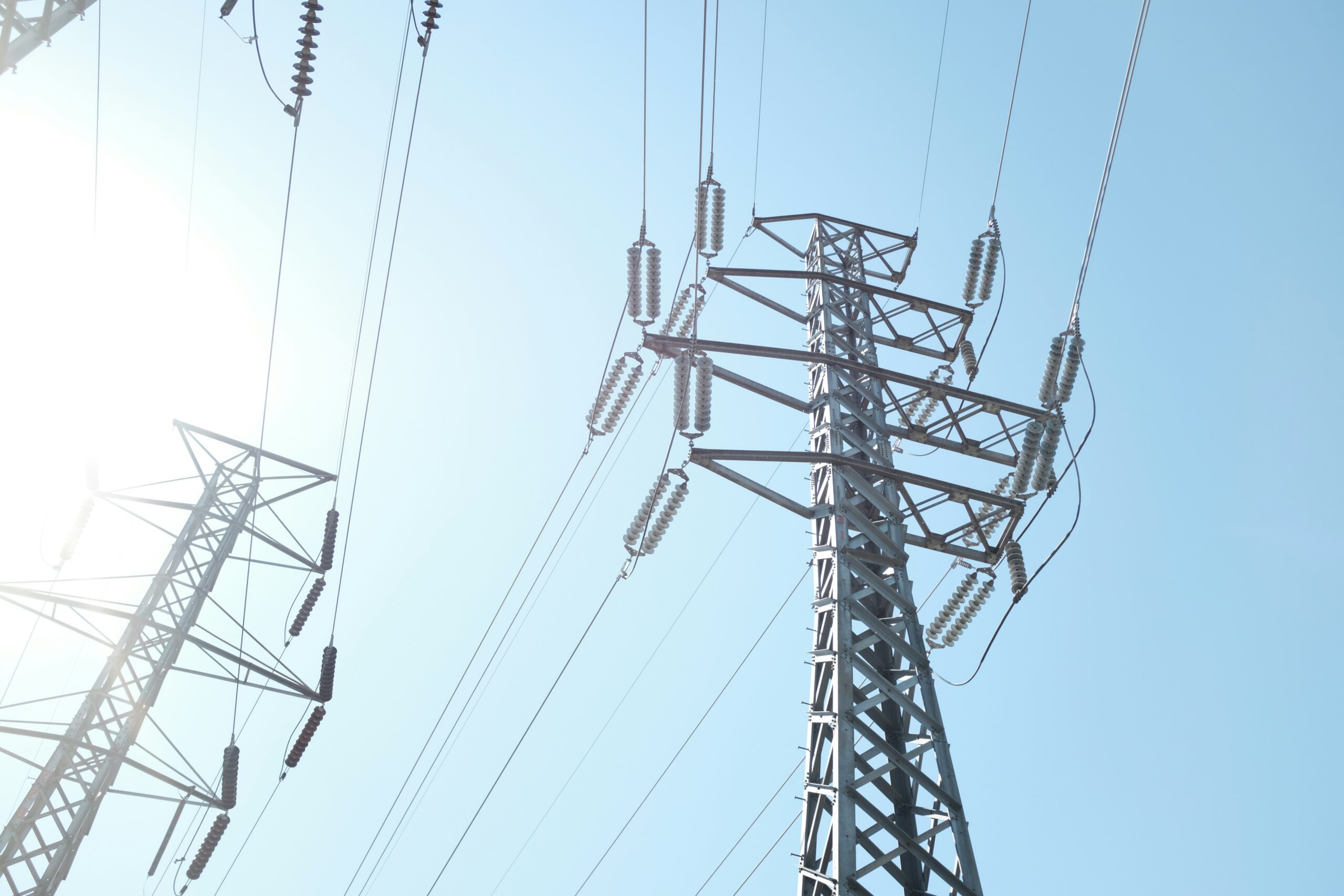
Electricity is transmitted at very high voltages to minimize energy loss over long distances. The higher the voltage, the lower the current for a given amount of power (Power = Voltage x Current). Lower current means less energy is lost as heat due to resistance in the wires. These high-voltage lines are typically carried on massive steel towers, often visible across the landscape. They form the backbone of the electricity grid, connecting power generation sources to major load centers.
Substations: The Voltage Transformers
Substations are critical nodes within the electricity infrastructure. They serve a dual purpose: stepping up the voltage from generators before transmission and stepping down the voltage at various points to make it suitable for distribution.
Step-Up Transformers: Boosting the Voltage
At power plants, step-up transformers increase the generated voltage to hundreds of thousands of volts (e.g., 110 kV, 220 kV, 400 kV, or even higher) for efficient long-distance transmission. This is crucial to overcome the resistance inherent in the transmission lines and minimize power loss.
Step-Down Transformers: Preparing for Distribution
As electricity travels closer to consumers, step-down transformers in substations progressively lower the voltage. This process is repeated multiple times, gradually reducing the voltage to levels suitable for distribution to neighborhoods and individual buildings.
Distribution Lines: The Local Network
Once the voltage has been reduced to a manageable level, electricity enters the distribution system. These are the familiar wires that run along streets and through neighborhoods, supported by wooden or metal poles.
Neighborhood Transformers: The Final Voltage Drop
Many neighborhoods have their own smaller transformers, often seen as large metal boxes mounted on poles or concrete pads. These transformers make the final voltage reduction to a level that can be safely used by residential and commercial appliances (typically 120/240 volts in North America, and 230/400 volts in many other parts of the world).
Storing the Energy: Bridging the Supply-Demand Gap

The demand for electricity fluctuates constantly throughout the day and across seasons. Simultaneously, the generation of electricity from intermittent renewable sources like solar and wind can also vary. Energy storage systems play a crucial role in balancing these fluctuations, ensuring a reliable and stable electricity supply.
Battery Storage: The Modern Power Reservoir
Battery storage systems, particularly those utilizing lithium-ion technology, are becoming increasingly prevalent. These systems can store excess electricity generated during periods of low demand or high renewable output and discharge it during periods of high demand or when generation is low. Large-scale battery farms are being deployed alongside solar and wind installations, as well as within the grid to provide ancillary services like frequency regulation.
Advantages of Battery Storage
- Grid Stability: Batteries can quickly respond to changes in demand and supply, helping to maintain grid stability and prevent blackouts.
- Renewable Integration: They enable the integration of more intermittent renewable energy sources by storing surplus power.
- Peak Shaving: Batteries can discharge during peak demand periods, reducing the need to activate expensive and often less efficient peaker plants.
- Improved Power Quality: They can help smooth out voltage fluctuations and provide stable power.
Challenges of Battery Storage
- Cost: While costs are decreasing, large-scale battery storage remains a significant investment.
- Lifespan and Degradation: Batteries have a finite lifespan and degrade over time, requiring replacement.
- Environmental Impact: The mining of materials for batteries and their disposal raise environmental concerns.
Pumped Hydro Storage: The Classic Reservoir Solution
Pumped hydro storage is a well-established and significant method of storing large amounts of electricity. It involves using two reservoirs at different elevations. During times of surplus electricity, water is pumped from the lower reservoir to the upper reservoir. When electricity is needed, water is released from the upper reservoir, flowing through turbines to generate electricity. This system acts like a giant rechargeable battery, storing energy in the form of gravitational potential energy.
How Pumped Hydro Storage Works
- Pumping Phase: When electricity generation exceeds demand, surplus energy is used to pump water from a lower reservoir to an upper reservoir.
- Storage Phase: The water is stored in the upper reservoir, essentially storing potential energy.
- Generating Phase: When demand rises or generation from other sources dips, water is released from the upper reservoir, flowing downhill through penstocks to spin turbines connected to generators, producing electricity.
Advantages of Pumped Hydro Storage
- Large-Scale Capacity: It can store vast amounts of energy for extended periods.
- Long Lifespan: Pumped hydro facilities have a long operational lifespan.
- Grid Stability: They are very effective at providing grid stability and frequency regulation.
Challenges of Pumped Hydro Storage
- Geographical Dependence: Requires specific topographical features with suitable reservoirs.
- Environmental Impact: Construction of dams and reservoirs can have significant environmental and ecological consequences.
- High Initial Investment: The initial capital cost for building these facilities is substantial.
Other Storage Technologies: Exploring Innovation
Beyond batteries and pumped hydro, researchers and engineers are actively developing and deploying other energy storage technologies, including:
- Compressed Air Energy Storage (CAES): This technology stores energy by compressing air into underground caverns or vessels. The compressed air is then released to drive turbines.
- Flywheels: These devices store rotational kinetic energy in a spinning rotor. They are typically used for short-duration, high-power applications.
- Thermal Energy Storage: This involves storing heat or cold, which can then be used for heating, cooling, or generating electricity.
Electricity infrastructure plays a crucial role in ensuring reliable power delivery to homes and businesses, and understanding its components can be quite complex. For those looking to delve deeper into this topic, a related article can provide valuable insights into the various elements that make up our electricity systems. You can explore this further in the article on electricity infrastructure, which breaks down the key aspects and challenges faced in modern energy distribution.
Managing the Flow: The Role of Grid Operations
| Aspect | Metrics |
|---|---|
| Generation | Capacity, Output, Efficiency |
| Transmission | Grid length, Losses, Reliability |
| Distribution | Network size, Voltage levels, Outages |
| Consumption | Residential, Commercial, Industrial |
The electricity grid is a dynamic system that requires constant monitoring and control to ensure stability, reliability, and efficiency. Grid operators, often referred to as system operators, are responsible for managing the flow of electricity in real-time, balancing supply and demand, and responding to emergencies.
Balancing Supply and Demand: The Real-Time Challenge
The fundamental challenge for grid operators is to match electricity generation with consumption at every moment. This involves predicting demand, forecasting renewable energy output, and dispatching power plants accordingly. When demand is high, operators must ensure sufficient generation capacity is available. Conversely, when demand is low, they must reduce generation to avoid overloading the system.
Maintaining Grid Stability: Frequency and Voltage Control
Two critical parameters for grid stability are frequency and voltage. The frequency of the electricity (e.g., 60 Hz in North America, 50 Hz elsewhere) must remain constant. Deviations in frequency indicate an imbalance between supply and demand. Similarly, voltage levels must be kept within specific ranges to ensure proper operation of electrical equipment. Grid operators utilize various tools and technologies, including sophisticated control systems and ancillary services, to maintain these parameters.
Responding to Emergencies: Blackout Prevention and Restoration
Despite best efforts, unforeseen events such as equipment failures, extreme weather, or cyberattacks can lead to grid emergencies. Grid operators are trained to respond swiftly to these situations, implementing contingency plans to isolate problems, prevent cascading failures, and restore power as quickly and safely as possible. This often involves controlled blackouts in localized areas to prevent widespread outages.
The Future of Electricity Infrastructure: Innovation and Challenges
The electricity infrastructure is not static; it is constantly evolving to meet new demands, integrate new technologies, and address environmental concerns. The transition towards a cleaner, more resilient, and more efficient energy system presents both significant opportunities and formidable challenges.
The Smart Grid: An Interconnected and Intelligent Network
The concept of the “smart grid” represents a modernization of the existing electricity infrastructure. It involves the integration of digital communication technologies, sensors, and smart meters throughout the grid. This allows for real-time monitoring, control, and optimization of electricity generation, transmission, distribution, and consumption.
Key Features of the Smart Grid
- Two-Way Communication: Enables communication between utilities and consumers, allowing for dynamic pricing, demand response programs, and remote control of appliances.
- Real-Time Monitoring: Provides granular data on grid performance, enabling proactive maintenance and faster fault detection.
- Integration of Renewables: Facilitates the seamless integration of distributed renewable energy sources.
- Demand-Side Management: Empowers consumers to adjust their electricity usage in response to price signals or grid conditions.
- Enhanced Reliability and Resilience: Improves the grid’s ability to withstand disruptions and recover quickly from outages.
Decarbonization and Electrification: The Drive Towards Sustainability
A major driver of change in electricity infrastructure is the global effort to decarbonize energy systems and electrify various sectors, such as transportation and heating. This requires a significant increase in the generation of clean electricity and the expansion of the grid to accommodate new loads.
Challenges of Decarbonization and Electrification
- Increased Demand: Electrifying transportation and heating will significantly increase electricity demand, requiring substantial new generation capacity.
- Grid Modernization: The existing grid may need significant upgrades to handle the increased load and distributed generation from electric vehicles and heat pumps.
- Intermittency of Renewables: Larger reliance on intermittent renewable sources will necessitate robust energy storage solutions.
- Transmission and Distribution Capacity: Expanding the grid to connect new renewable energy sources and serve new electrified loads requires significant investment in transmission and distribution infrastructure.
Cybersecurity: Protecting the Digital Backbone
As electricity infrastructure becomes increasingly digitized and interconnected, cybersecurity becomes paramount. The grid is a critical national asset, and protecting it from cyber threats is essential to prevent disruptions to energy supply and ensure public safety.
Vulnerabilities and Threats
- Malware and Ransomware: Malicious software can disrupt operations, steal data, or encrypt critical systems.
- Denial-of-Service (DoS) Attacks: These attacks aim to overwhelm systems with traffic, making them inaccessible.
- Insider Threats: Malicious or careless actions by individuals with access to critical systems can pose a significant risk.
- Physical Tampering: While less common in the digital age, physical attacks on infrastructure remain a concern.
Resilience and Reliability: Adapting to a Changing Climate
The impacts of climate change, such as more frequent and intense extreme weather events, pose a growing threat to electricity infrastructure. Building resilience into the grid is crucial to minimize the effects of these events.
Strategies for Enhancing Resilience
- Hardening Infrastructure: Protecting critical components from extreme weather through physical reinforcement and undergrounding lines where feasible.
- Redundancy: Building in backup systems and alternative power sources to ensure continuity of supply.
- Advanced Monitoring and Forecasting: Utilizing weather forecasting and real-time monitoring to anticipate and prepare for adverse events.
- Microgrids: Developing localized energy systems that can operate independently during grid outages, providing power to critical facilities.
In conclusion, electricity infrastructure is a marvel of engineering and a vital component of modern society. By demystifying its various stages, from generation to distribution and beyond, we can gain a deeper appreciation for the complex systems that power our lives. As we move towards a more sustainable and technologically advanced future, understanding and supporting the evolution of this critical infrastructure will be more important than ever. The ongoing innovation in renewable energy, energy storage, and grid management promises a cleaner, more reliable, and more resilient electricity system for generations to come.

The Hidden Weakness in America’s Power Grid
FAQs
What is electricity infrastructure?
Electricity infrastructure refers to the physical components and systems that are necessary for the generation, transmission, and distribution of electricity. This includes power plants, substations, transformers, power lines, and other equipment.
How is electricity generated?
Electricity can be generated from various sources, including fossil fuels (coal, natural gas, oil), nuclear power, renewable energy sources (solar, wind, hydroelectric, geothermal), and other alternative technologies. The most common method involves using a turbine to convert mechanical energy into electrical energy.
What is the purpose of electricity transmission and distribution?
Electricity transmission involves the movement of high-voltage electricity from power plants to substations, while distribution involves the delivery of lower-voltage electricity from substations to homes, businesses, and other end users. The purpose is to ensure that electricity is efficiently and reliably delivered to where it is needed.
What are the challenges facing electricity infrastructure?
Challenges facing electricity infrastructure include aging infrastructure, increasing demand for electricity, the integration of renewable energy sources, cybersecurity threats, and the need for modernization and expansion to accommodate new technologies and electric vehicles.
How is electricity infrastructure maintained and upgraded?
Electricity infrastructure is maintained and upgraded through regular inspections, maintenance activities, and investments in new technologies and equipment. This includes replacing aging infrastructure, improving grid resilience, and integrating smart grid technologies for better efficiency and reliability.