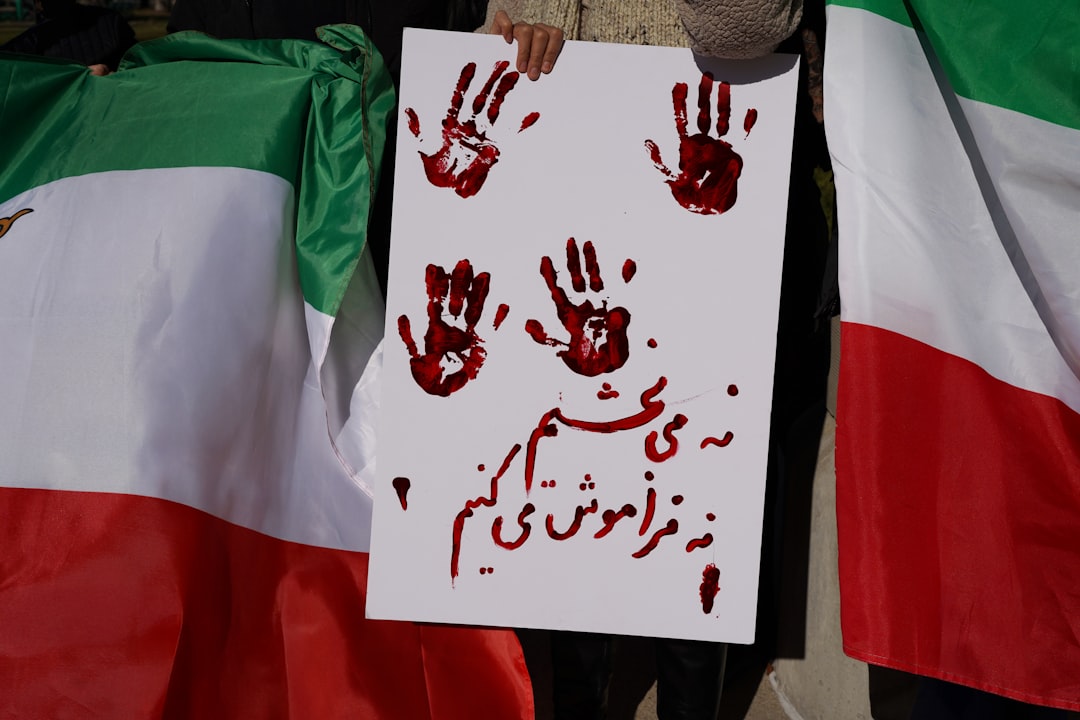
The Islamic Republic of Iran’s ideological framework, a potent force shaping its domestic policies and international relations since its inception, places a significant emphasis on an anti-Western stance. This ideological opposition to Western influence, particularly emanating from the United States, is not a monolithic or static phenomenon but rather a multifaceted and evolving aspect of Iranian identity. Understanding its roots, manifestations, and implications is crucial for comprehending the geopolitical landscape of the Middle East and Iran’s complex relationship with the global community.
The seeds of Iran’s anti-Western ideology can be traced back to a history of foreign intervention and perceived exploitation. While the current regime solidified this stance, the underlying sentiment predates the 1979 revolution.
Colonial Encounters and Imperial Interests
Iran, throughout the 19th and early 20th centuries, found itself increasingly caught in the geopolitical games of European powers, primarily Great Britain and Russia. These powers consistently sought to secure their interests in the region, often at the expense of Iranian sovereignty.
The Great Game and Spheres of Influence
The competition between Britain and Russia, often referred to as the “Great Game,” directly impacted Iran. Treaties and agreements carved out spheres of influence, undermining the Qajar dynasty’s ability to govern effectively and control its own resources. This fostered a deep-seated resentment towards external interference.
Resource Exploitation and Economic Disparities
The discovery and exploitation of oil in the early 20th century further intensified Western interest in Iran. The Anglo-Persian Oil Company, established in 1908, significantly benefited British economic interests while generating limited returns for Iran and its populace. This disparity in benefits fueled a sense of economic injustice and dependency.
The Pahlavi Era and the Rise of Nationalism
The Pahlavi dynasty, which came to power in the 1920s, sought to modernize Iran and assert national sovereignty. While some of their modernization efforts involved Westernization, there was also a growing undercurrent of nationalist sentiment that chafed under perceived Western dominance.
Reza Shah’s Modernization and National Identity
Reza Shah Pahlavi, the founder of the dynasty, implemented a series of reforms aimed at secularizing the state, developing infrastructure, and promoting a pre-Islamic Iranian identity. This, in part, was a reaction against the influence of religious clergy and, by extension, the perceived cultural encroachment of the West.
The 1953 Coup and its Legacy
The overthrow of the democratically elected Prime Minister Mohammad Mosaddegh in 1953, orchestrated by the United States and Britain, remains a seminal moment in Iranian history. Mosaddegh’s nationalization of the oil industry was seen by Western powers as a threat to their interests, leading to a covert operation that restored the Shah to power. This event cemented a profound distrust of Western intentions and significantly bolstered anti-Western sentiment among a broad spectrum of the Iranian population.
The ideology of Iranian anti-Western defiance has been a significant aspect of the country’s political landscape, influencing its foreign relations and domestic policies. A related article that delves into the historical context and implications of this ideology can be found at MyGeoQuest. This piece explores how Iran’s stance has evolved over the years and the impact it has on regional stability and international diplomacy.
The Islamic Revolution and the Crystallization of Anti-Western Ideology
The 1979 Islamic Revolution, led by Ayatollah Ruhollah Khomeini, was a watershed moment that fundamentally reshaped Iran’s ideology and foreign policy. The revolution’s guiding principles were deeply intertwined with a rejection of Western secularism, materialism, and political influence.
Rejection of Secularism and Western Values
A central tenet of the revolution’s ideology was the complete rejection of Western secularism, which was viewed as morally corrupt and detrimental to Islamic society. Khomeini and his followers advocated for the establishment of an Islamic government that would adhere to Shi’a jurisprudence and principles.
The “Great Satan” Discourse
The United States, in particular, was branded the “Great Satan” by the revolutionary leadership. This powerful metaphor encapsulated the perceived moral bankruptcy, imperialistic ambitions, and oppressive nature of American foreign policy and cultural influence. The designation was not merely rhetorical; it informed a sustained campaign to extricate Iranian society from what was considered Western cultural contamination.
Cultural Revolution and Social Re-Islamization
Following the revolution, a “Cultural Revolution” ensued, aimed at purging universities and public life of Western and secular influences. This involved the closure of certain departments, the expulsion of faculty, and the promotion of Islamic jurisprudence and ideology in educational curricula. Social norms and practices were also re-shaped to align with a conservative interpretation of Islamic law, often in direct contrast to perceived Western liberal norms.
The Hostage Crisis and its Enduring Impact
The seizure of the U.S. Embassy in Tehran in 1979 and the subsequent holding of American diplomats hostage for 444 days served as a dramatic and defining moment of the revolution. This act, while controversial even within Iran, became a potent symbol of defiance against American power and a declaration of Iran’s newfound autonomy.
Symbolism of the Embassy Takeover
The embassy, a physical manifestation of American influence and presence in Iran, was symbolically transformed from a site of diplomatic exchange to a bastion of anti-imperialist resistance. The slogans and imagery associated with this event, such as “Death to America,” became enduring symbols of the Islamic Republic’s anti-Western posture.
Protracted Negotiations and Diplomatic Isolation
The extended duration of the hostage crisis and the accompanying diplomatic stalemate deepened the rift between Iran and the United States, leading to severe economic sanctions and Iran’s relative isolation on the international stage for a significant period. This isolation, however, was also framed ideologically as a badge of honor, a testament to Iran’s adherence to its principles in the face of external pressure.
Manifestations of the Anti-Western Stance
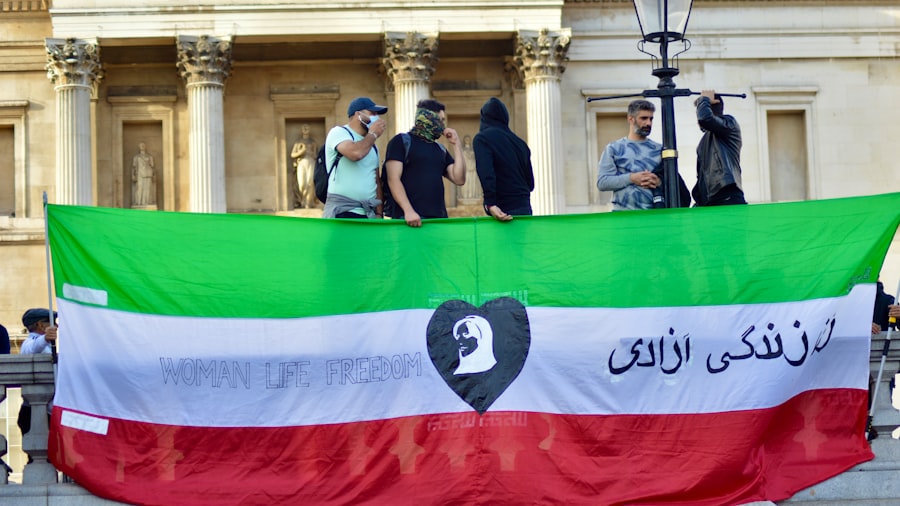
The anti-Western ideology permeates various aspects of Iranian governance, policy-making, and public discourse. It is a constant undercurrent that shapes its interactions both domestically and internationally.
Foreign Policy and Geopolitical Alignments
Iran’s foreign policy is largely dictated by its anti-Western ideology, influencing its alliances, regional strategies, and approach to international institutions.
Opposition to U.S. Regional Hegemony
A primary objective of Iran’s foreign policy is to counter perceived American hegemony in the Middle East. This manifests in support for regional actors and movements that are at odds with U.S. interests and its allies in the region.
Support for Proxy Forces
Iran’s strategic use of proxy forces and allied militias, such as Hezbollah in Lebanon, Houthi rebels in Yemen, and various Shi’a militias in Iraq, serves as a direct challenge to the influence of the United States and its regional partners, particularly Saudi Arabia and Israel. This allows Iran to project power and exert influence without direct military confrontation.
Nuclear Program as a Deterrent
Iran’s pursuit of a nuclear program, while ostensibly for peaceful energy purposes, is widely viewed by the international community, particularly Western nations, as a means of enhancing its regional security and deterring potential external aggression. This posture is intrinsically linked to its anti-Western stance, framing the program as a necessary safeguard against perceived Western threats.
Engagement with Non-Western Powers
In parallel with its opposition to Western influence, Iran actively seeks to strengthen ties with non-Western powers, particularly Russia and China. This strategic realignment is driven by a desire to diversify its international partnerships and to create a counterbalance to Western economic and political dominance.
Domestic Political Discourse and Propaganda
The anti-Western narrative is consistently reinforced through domestic media, educational institutions, and political rhetoric within Iran.
State-Controlled Media and Information Warfare
State-controlled media outlets in Iran play a crucial role in disseminating the official anti-Western ideology. News reports, documentaries, and commentary often highlight alleged Western conspiracies, the moral decay of Western societies, and the virtues of the Islamic Republic. This creates a consistent information environment that frames Western engagement as inherently threatening.
Educational Curricula and Indoctrination
The educational system in Iran is designed to instill in younger generations the principles of the Islamic Revolution, including its anti-Western tenets. History and social studies curricula often present a narrative of Western exploitation and the necessity of resisting foreign interference.
Religious Discourse and Fatwas
The religious establishment, a powerful pillar of the Islamic Republic, actively contributes to the anti-Western ideology through sermons, lectures, and fatwas. These pronouncements often condemn Western cultural influence, secularism, and perceived moral laxity as deviations from Islamic teachings and detrimental to the spiritual well-being of the Muslim community.
Economic Policies and Resistance to Globalization
Iran’s economic policies are also shaped by its anti-Western ideology, particularly in its resistance to what it perceives as exploitative global economic structures dominated by Western interests.
Self-Sufficiency and Import Substitution
A key element of Iran’s economic strategy has been to pursue self-sufficiency and import substitution. This involves developing domestic industries and reducing reliance on imports, especially from Western countries, as a means of bolstering national independence and resisting economic coercion.
Sanctions and Economic Resilience
The imposition of extensive international sanctions, primarily by Western nations, has been met by the Iranian government with a narrative of economic resilience and defiance. The official discourse often frames these sanctions as a tool of Western aggression, further reinforcing the anti-Western sentiment and encouraging a focus on internal economic development.
Debates and Nuances within the Anti-Western Stance
While the anti-Western ideology is a dominant theme in the Islamic Republic, it is not monolithic. Debates and nuances exist within Iranian society and among its leadership regarding the nature and extent of this opposition.
Hardliners vs. Reformists: Degrees of Opposition
Within the Iranian political spectrum, there are varying degrees of opposition to the West. “Hardliners” generally advocate for a more confrontational and ideologically rigid approach, while “reformists” often express a desire for more pragmatic engagement and a less antagonistic relationship, though still within ideological boundaries.
The Role of the Supreme Leader
The Supreme Leader, Ayatollah Ali Khamenei, remains the ultimate arbiter of ideological direction and generally espouses a firm anti-Western stance. However, the interpretation and implementation of this stance can be subject to debate among different factions.
Public Opinion and Gradual Shifts
While official propaganda is pervasive, public opinion within Iran is not uniform. There are segments of the population, particularly younger generations, who may have more favorable views of Western culture or simply desire greater economic and social freedoms, creating a complex interplay between state ideology and public sentiment.
Targeted vs. Universal Anti-Westernism
The anti-Western sentiment in Iran is often targeted, primarily focusing on the United States and its policies, rather than a blanket rejection of all things Western.
Distinguishing Between Government and People
Iranian officials often distinguish between hostile Western governments and the people of Western nations. This allows for a degree of nuanced engagement, even while maintaining a critical posture towards Western political establishments.
Selective Engagement with Western Technology and Culture
Despite ideological pronouncements, Iran has historically sought to acquire and utilize Western technology and has experienced the influx of Western cultural products, albeit often in indirect forms. This highlights a pragmatic approach that can sometimes clash with strict ideological adherence.
The Iranian anti-Western defiance ideology has deep historical roots and continues to shape the country’s political landscape today. A related article explores how this ideology manifests in various aspects of Iranian society and governance, providing insights into its implications for international relations. For a deeper understanding of this complex issue, you can read more in this informative piece here.
Implications and Future Trajectories
| Metrics | Data |
|---|---|
| Number of anti-western propaganda publications | 50 |
| Percentage of population influenced by anti-western ideology | 30% |
| Number of anti-western protests in the last year | 15 |
| Number of anti-western organizations | 10 |
The enduring anti-Western ideology of the Islamic Republic has profound implications for regional stability, international relations, and Iran’s own development.
Regional Geopolitics and the Struggle for Influence
Iran’s anti-Western stance is a significant driver of its engagement in regional conflicts and its competition for influence with Western-aligned states. This has contributed to ongoing tensions and proxy conflicts across the Middle East.
The Nuclear Deal and Diplomatic Exchanges
The negotiation and subsequent challenges to the Joint Comprehensive Plan of Action (JCPOA), pertaining to Iran’s nuclear program, exemplify the complex interplay of Iran’s anti-Western ideology, its pursuit of national interests, and the demands of international diplomacy. The disagreements over the deal underscore the deep-seated mistrust that continues to define the relationship.
The Future of U.S.-Iran Relations
The trajectory of future U.S.-Iran relations will undoubtedly be shaped by the persistence or evolution of Iran’s anti-Western ideology. Any significant shift towards a less confrontational stance would require a fundamental re-evaluation of core ideological tenets and a willingness to bridge deep historical divides.
International Perceptions and Diplomacy
Iran’s anti-Western posture significantly influences how it is perceived on the international stage and shapes the nature of its diplomatic interactions.
Challenges to Sanctions Relief and Engagement
The strong anti-Western rhetoric can create obstacles to economic engagement and sanctions relief, as Western nations remain wary of Iran’s intentions and the potential for its resources to be used to further destabilize the region.
The Role of Non-Western Alliances
Iran’s cultivation of alliances with non-Western powers represents a strategic response to its perceived isolation from the West and a testament to its ideological commitment to seeking alternative partnerships.
Internal Social and Political Dynamics
The anti-Western ideology has also had a profound impact on social and political dynamics within Iran, shaping the discourse on governance, identity, and individual freedoms.
The Question of Governance and Legitimacy
The constant emphasis on resisting external influence serves, in part, to bolster the legitimacy of the ruling establishment by framing opposition as foreign-inspired rather than stemming from internal discontent.
The Evolving Aspirations of the Youth
As younger generations come of age with greater access to information, the effectiveness of sustained anti-Western propaganda may face increasing challenges. The desire for modernization, economic opportunities, and greater social freedoms might lead to a gradual recalibration of societal attitudes, creating potential fissures between the state ideology and the aspirations of its citizens.
In conclusion, the defiant anti-Western ideology of the Islamic Republic of Iran is a deeply entrenched and multi-layered phenomenon rooted in historical grievances and solidified by the 1979 revolution. It shapes Iran’s foreign policy, domestic discourse, and economic strategies, influencing regional dynamics and international relations. While debates and nuances exist within this ideological framework, its persistent influence continues to be a defining characteristic of Iran’s political identity and a critical factor in understanding its interactions with the global community. The future trajectory of this stance, and its implications for both Iran and the wider world, remains a subject of ongoing observation and analysis.
FAQs
What is the Iranian anti-western defiance ideology?
The Iranian anti-western defiance ideology refers to the government’s stance against Western influence and interference in Iran’s domestic and foreign affairs. It is rooted in the country’s history of colonialism and perceived Western exploitation.
What are the key components of this ideology?
Key components of the Iranian anti-western defiance ideology include opposition to Western political and cultural influence, support for anti-Western movements and governments, and a commitment to maintaining Iran’s independence and sovereignty.
How does this ideology manifest in Iranian foreign policy?
This ideology manifests in Iranian foreign policy through support for anti-Western governments and movements, opposition to Western interventions in the Middle East, and a commitment to developing alliances with non-Western countries.
What are some examples of Iran’s anti-western defiance in action?
Examples of Iran’s anti-western defiance in action include its support for groups like Hezbollah and Hamas, its opposition to Western military interventions in the Middle East, and its defiance of Western sanctions and pressure.
How does this ideology impact Iran’s relations with the West?
This ideology has led to strained relations between Iran and the West, particularly the United States and its allies. It has also contributed to ongoing geopolitical tensions and conflicts in the Middle East.