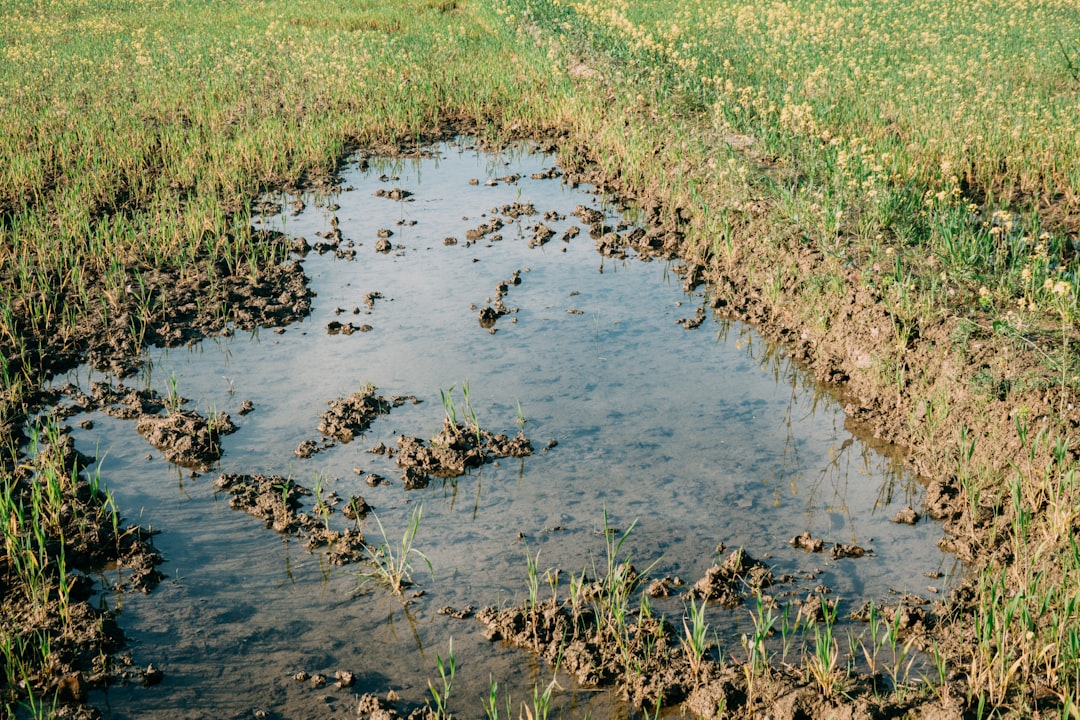
In recent years, the agricultural sector has witnessed a notable decline in water usage, a trend that has garnered attention from environmentalists, policymakers, and farmers alike. This shift is not merely a response to the growing concerns over water scarcity but also reflects a broader understanding of sustainable practices within the industry. As the global population continues to rise, the demand for food increases, placing immense pressure on water resources.
However, the agricultural community is beginning to recognize that efficient water management is not only essential for environmental sustainability but also for economic viability. The decline in agricultural water usage is a multifaceted issue that encompasses various strategies and innovations aimed at reducing water consumption while maintaining crop yields. This article will explore the factors contributing to this decline, including technological advancements, the adoption of water-efficient farming practices, and supportive government policies.
By examining these elements, one can gain insight into how the agricultural sector is evolving in response to both environmental challenges and economic imperatives.
Key Takeaways
- Agricultural water usage is declining due to multiple factors including technology and policy support.
- Technological advancements and water-efficient farming practices play a key role in reducing water consumption.
- Government policies and incentives encourage farmers to adopt sustainable water management techniques.
- Reduced water usage in agriculture leads to significant economic benefits and improved sustainability.
- Despite progress, challenges remain, but successful case studies highlight potential for further water conservation.
Factors Contributing to the Decline in Agricultural Water Usage
Several factors have converged to facilitate the decline in agricultural water usage. One of the most significant drivers is the increasing awareness of water scarcity issues across the globe. As regions experience prolonged droughts and diminishing freshwater supplies, farmers are compelled to rethink their water management strategies.
This heightened awareness has led to a cultural shift within agriculture, where water conservation is now viewed as a critical component of sustainable farming practices. Additionally, economic pressures have played a crucial role in this transformation. Rising costs associated with water extraction and distribution have prompted farmers to seek more efficient methods of irrigation and crop management.
The financial implications of excessive water usage have become increasingly apparent, leading many in the agricultural sector to adopt practices that not only conserve water but also enhance profitability. As a result, the decline in agricultural water usage can be seen as both a response to environmental necessity and an adaptation to economic realities.
Technological Advancements in Agriculture
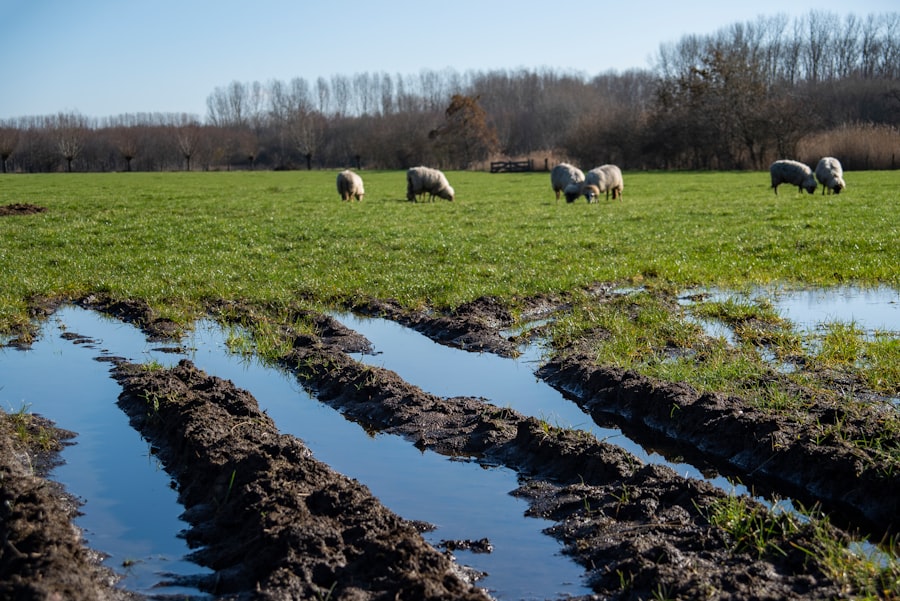
Technological advancements have been pivotal in driving down agricultural water usage.
By utilizing data analytics, satellite imagery, and soil moisture sensors, farmers can make informed decisions about when and how much water to apply to their crops.
This targeted approach minimizes waste and ensures that plants receive the optimal amount of moisture needed for growth. Moreover, advancements in irrigation technology have significantly contributed to water conservation efforts. Drip irrigation systems, for instance, deliver water directly to the plant roots, reducing evaporation and runoff.
These systems are designed to operate efficiently, allowing farmers to use less water while still achieving high yields. As these technologies become more accessible and affordable, their adoption is likely to increase, further contributing to the decline in agricultural water usage.
Adoption of Water-Efficient Farming Practices
The shift towards water-efficient farming practices has been instrumental in reducing agricultural water consumption. Farmers are increasingly adopting techniques such as crop rotation, cover cropping, and conservation tillage, all of which contribute to improved soil health and moisture retention. These practices not only enhance the resilience of crops but also reduce the overall demand for irrigation.
Furthermore, integrated pest management (IPM) strategies are being employed to minimize chemical inputs while promoting biodiversity. By fostering a healthy ecosystem within their fields, farmers can reduce their reliance on synthetic fertilizers and pesticides, which often require significant amounts of water for application and runoff management. The adoption of these sustainable practices reflects a growing recognition within the agricultural community that long-term viability hinges on responsible resource management.
Government Policies and Incentives
| Year | Region | Agricultural Water Usage (Billion Cubic Meters) | Percentage Decline from Previous Year | Key Factors for Decline |
|---|---|---|---|---|
| 2018 | North America | 150 | – | Improved irrigation efficiency |
| 2019 | North America | 140 | 6.7% | Adoption of drought-resistant crops |
| 2020 | North America | 130 | 7.1% | Water recycling and reuse |
| 2018 | Europe | 90 | – | Policy-driven water restrictions |
| 2019 | Europe | 85 | 5.6% | Shift to less water-intensive crops |
| 2020 | Europe | 80 | 5.9% | Advanced irrigation technologies |
| 2018 | Asia | 300 | – | Government water management programs |
| 2019 | Asia | 290 | 3.3% | Improved irrigation infrastructure |
| 2020 | Asia | 275 | 5.2% | Crop diversification and water-saving practices |
Government policies and incentives have played a crucial role in promoting the decline in agricultural water usage. Many countries have implemented regulations aimed at encouraging sustainable farming practices and efficient water use. These policies often include financial incentives for farmers who adopt water-saving technologies or practices, making it economically viable for them to invest in such innovations.
In addition to financial support, governments are increasingly providing education and resources to help farmers understand the importance of water conservation. Workshops, training programs, and informational campaigns are being launched to raise awareness about best practices in water management. By fostering a culture of sustainability within agriculture through policy initiatives, governments are helping to ensure that the decline in agricultural water usage continues into the future.
Impact on Water Conservation and Sustainability
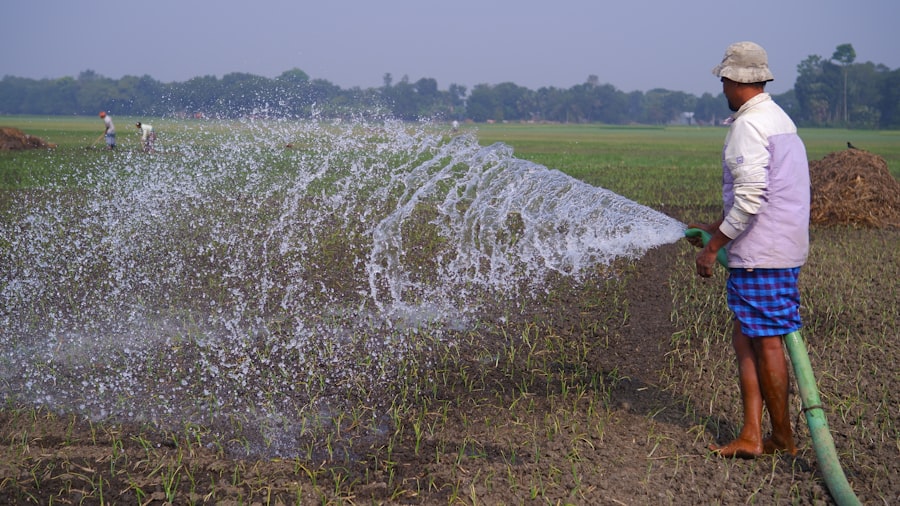
The decline in agricultural water usage has had a profound impact on water conservation efforts and overall sustainability within ecosystems. As farmers adopt more efficient practices and technologies, they contribute to the preservation of vital freshwater resources that are essential for both human consumption and ecological health. This shift not only benefits agriculture but also supports broader environmental goals by reducing pressure on local waterways and aquifers.
Moreover, sustainable agricultural practices that prioritize water conservation often lead to improved soil health and biodiversity. Healthier soils are better equipped to retain moisture, reducing the need for irrigation while simultaneously enhancing crop resilience against climate variability. The interconnectedness of these factors underscores the importance of viewing agricultural practices through a holistic lens that prioritizes both productivity and environmental stewardship.
Economic Benefits of Reduced Water Usage in Agriculture
The economic benefits associated with reduced water usage in agriculture are significant and multifaceted. By implementing water-efficient practices, farmers can lower their operational costs related to irrigation and water procurement. This reduction in expenses can lead to increased profitability, allowing farmers to reinvest in their operations or expand their businesses.
Additionally, reduced water usage can enhance crop yields by promoting healthier plants that are less susceptible to stress from drought or overwatering. This increased resilience can lead to more stable production levels, which is particularly important in an era marked by climate uncertainty. As farmers experience these economic advantages firsthand, they are more likely to continue adopting sustainable practices that contribute to further reductions in agricultural water usage.
Challenges and Barriers to Further Reduction in Water Usage
Despite the progress made in reducing agricultural water usage, several challenges and barriers remain that could hinder further advancements. One significant obstacle is the initial cost associated with implementing new technologies or practices. While many farmers recognize the long-term benefits of investing in water-efficient systems, the upfront costs can be prohibitive for those operating on tight margins.
Additionally, there may be resistance to change within certain segments of the agricultural community. Traditional farming methods have been passed down through generations, and some farmers may be hesitant to adopt new practices or technologies that deviate from established norms. Overcoming this resistance requires targeted education and outreach efforts that demonstrate the tangible benefits of sustainable practices.
Case Studies of Successful Water-Efficient Farming
Numerous case studies illustrate the successful implementation of water-efficient farming practices across various regions. For instance, in California’s Central Valley, many farmers have adopted drip irrigation systems that have significantly reduced their water consumption while maintaining high crop yields.
Another example can be found in Australia, where farmers have embraced rainwater harvesting techniques alongside advanced irrigation technologies. By capturing and storing rainwater for use during dry periods, these farmers have successfully reduced their reliance on groundwater sources while enhancing their overall resilience against climate variability. These case studies serve as powerful examples of how innovative approaches can lead to substantial reductions in agricultural water usage.
Future Outlook and Potential for Further Reduction in Water Usage
The future outlook for agricultural water usage appears promising as ongoing research and innovation continue to drive advancements in efficiency. Emerging technologies such as artificial intelligence and machine learning are poised to revolutionize how farmers manage their resources by providing real-time data analysis and predictive modeling capabilities. These tools can help optimize irrigation schedules based on weather patterns and soil conditions, further minimizing waste.
Moreover, as global awareness of climate change intensifies, there is likely to be increased investment in sustainable agriculture initiatives from both public and private sectors. This investment will not only support research into new technologies but also facilitate knowledge sharing among farmers worldwide. The potential for further reductions in agricultural water usage is significant if these trends continue.
The Importance of Continued Efforts in Agricultural Water Conservation
In conclusion, the decline in agricultural water usage represents a critical step towards achieving sustainability within the sector. The interplay of technological advancements, adoption of efficient practices, supportive government policies, and economic incentives has created an environment conducive to change. However, continued efforts are essential to overcome existing challenges and barriers that may impede progress.
As global populations grow and climate change poses new threats to food security, it is imperative that the agricultural community remains committed to innovative solutions that prioritize water conservation. By fostering a culture of sustainability and collaboration among stakeholders—farmers, researchers, policymakers, and consumers alike—the potential for further reductions in agricultural water usage can be realized, ensuring a more resilient future for both agriculture and the environment.
The decline in agricultural water usage has become a pressing issue as farmers seek more sustainable practices to combat water scarcity. A related article that delves into innovative techniques and strategies for reducing water consumption in agriculture can be found here: Innovative Water Management in Agriculture. This resource provides valuable insights into how modern technology and efficient irrigation methods are transforming the way water is utilized in farming.
WATCH THIS! 💧 The $1 Trillion Lie: America’s Water Crisis Is 10x Worse Than They Tell You
FAQs
What is agricultural water usage?
Agricultural water usage refers to the amount of water used for farming activities, including irrigation of crops, watering livestock, and other related processes necessary for food production.
Why is agricultural water usage important?
Agricultural water usage is crucial because agriculture is one of the largest consumers of freshwater globally. Efficient water use in agriculture is essential for food security, sustainable farming, and conserving water resources.
What does a decline in agricultural water usage mean?
A decline in agricultural water usage means that less water is being used for farming activities over a certain period. This can result from improved irrigation techniques, changes in crop patterns, water conservation policies, or reduced agricultural activity.
What are the main causes of the decline in agricultural water usage?
The main causes include adoption of water-efficient irrigation technologies (like drip irrigation), shifts to less water-intensive crops, improved water management practices, increased awareness of water conservation, and sometimes reduced agricultural land or production.
How does a decline in agricultural water usage impact the environment?
A decline can have positive environmental impacts, such as reduced water stress on rivers and aquifers, improved ecosystem health, and better sustainability of water resources. However, if not managed properly, it could also affect crop yields and food supply.
Can a decline in agricultural water usage affect food production?
Yes, if water reduction is not balanced with efficient farming practices, it can lead to lower crop yields. However, with improved water management and technology, it is possible to maintain or even increase production while using less water.
What technologies contribute to reducing agricultural water usage?
Technologies such as drip and sprinkler irrigation, soil moisture sensors, precision agriculture tools, and drought-resistant crop varieties help reduce water use in agriculture.
Is the decline in agricultural water usage a global trend?
While some regions report a decline due to improved water management, others may see stable or increasing usage depending on local agricultural practices, climate conditions, and water availability.
How can farmers adapt to declining water availability?
Farmers can adopt water-saving irrigation methods, switch to less water-demanding crops, improve soil health to retain moisture, and implement integrated water management strategies.
What role do government policies play in agricultural water usage?
Government policies can promote efficient water use through regulations, subsidies for water-saving technologies, education programs, and incentives for sustainable farming practices.