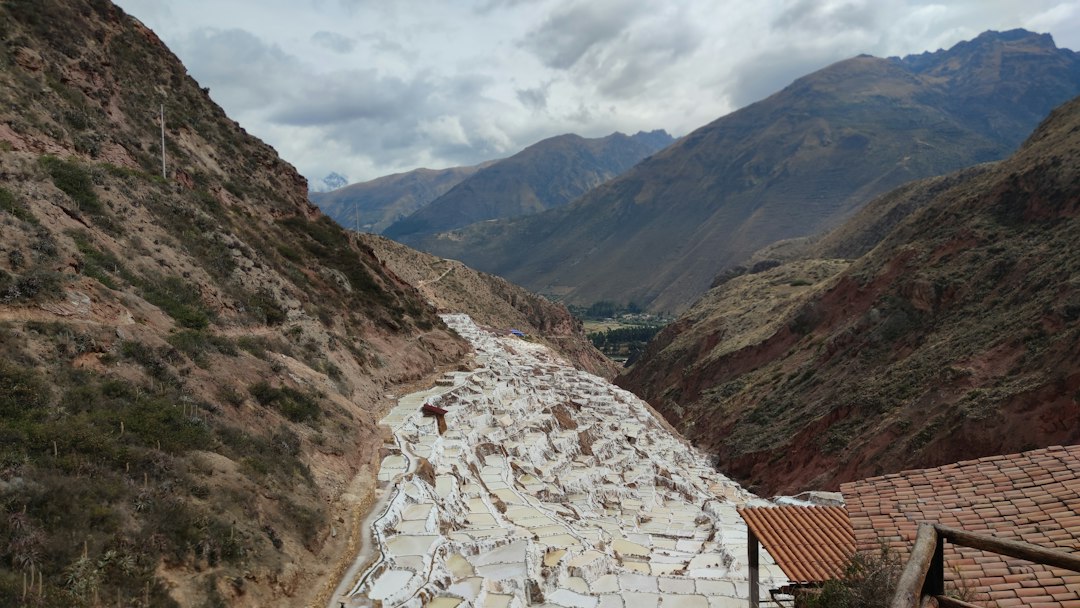
The remote Andean community of Santa Teresa in Peru has been plunged into a state of emergency following a catastrophic landslide that tore through the region on the night of October 15th. The deluge of mud and rock, triggered by torrential rains that have plagued the Peruvian Andes for weeks, has resulted in significant loss of life, widespread destruction of homes and infrastructure, and a desperate race against time for rescue teams. The sheer scale of the disaster has overwhelmed local resources, prompting urgent calls for international aid as search and rescue operations face immense challenges in the treacherous terrain.
The Fury of the Mountain Unleashed
The Andean landscape, while breathtakingly beautiful, is inherently volatile. Steep slopes, combined with prolonged periods of heavy rainfall, create a potent recipe for natural disasters. In the days leading up to the landslide, Santa Teresa and its surrounding areas had been subjected to an unprecedented onslaught of rain. Rivers swelled, and the saturated earth, unable to bear the immense weight, succumbed to gravity. The landslide, described by survivors as a terrifying roar followed by an unstoppable wave of debris, struck without warning in the dead of night, catching most residents in their homes. The exact volume of earth and rock dislodged remains under assessment, but initial estimates suggest it was in the hundreds of thousands of cubic meters. The impact was devastating, engulfing entire neighborhoods, tearing roads apart, and cutting off vital communication lines. The force of the moving earth was so immense that it completely reshaped the local topography in some areas, burying homes and livelihoods beneath meters of mud and stone. Eyewitness accounts paint a harrowing picture of the event, with residents describing the terrifying sound of the earth giving way and the sheer panic as they fled for their lives, many losing everything they owned in a matter of minutes.
The Preceding Conditions: A Gathering Storm
The climatic conditions leading up to the disaster were a significant contributing factor. Meteorologists had been tracking a prolonged period of intense precipitation across the Peruvian Andes, a phenomenon attributed to a confluence of atmospheric patterns. The region, already experiencing its rainy season, received rainfall far exceeding average levels. This prolonged saturation weakened the soil structure on the steep mountain slopes, making them increasingly unstable. Locals, accustomed to heavy rains, had never witnessed such sustained intensity, which instilled a growing sense of unease. The water table rose significantly, exacerbating the pressure on the already weakened geological formations. The cumulative effect of this relentless downpour transformed the once-firm mountain into a precarious entity, poised to release its devastating burden. Reports from meteorological agencies indicated that several days of continuous rainfall, some exceeding 50 millimeters in a 24-hour period, had saturated the ground to a critical level. This prolonged moisture saturation is a well-documented precursor to landslides in mountainous regions.
The Moment of Impact: A Night of Terror
The landslide occurred around 2:00 AM local time, a time when most of Santa Teresa’s inhabitants were asleep. The sudden, violent rupture of the mountainside sent a massive wave of mud, rocks, and uprooted trees cascading down towards the town. The sound was reportedly deafening, a thunderous roar that awakened residents who had not already been roused by the earth’s tremor. For those who witnessed it, the sight was one of unimaginable destruction. Homes were ripped from their foundations, splintering into countless pieces as they were swept away. Streets were obliterated, replaced by a churning river of debris. The darkness of the night amplified the terror, with survivors describing a desperate scramble for safety in the face of an unseen, but all-too-real, threat. Many were trapped in their homes, buried alive by the unforgiving earth. The initial moments were characterized by sheer chaos and disbelief as the full extent of the mountain’s wrath became apparent. The sheer velocity and volume of the landslide meant that there was little to no time for effective evacuation once it began.
In light of the recent devastating landslide in the Peru Andes, it is crucial to understand the geological factors contributing to such natural disasters. For further insights into the impact of climate change on landslide occurrences and the measures that can be taken to mitigate their effects, you can read a related article at My Geo Quest. This resource provides valuable information on the relationship between environmental changes and landslide risks in mountainous regions.
The Devastating Toll: Lives and Landscapes Altered
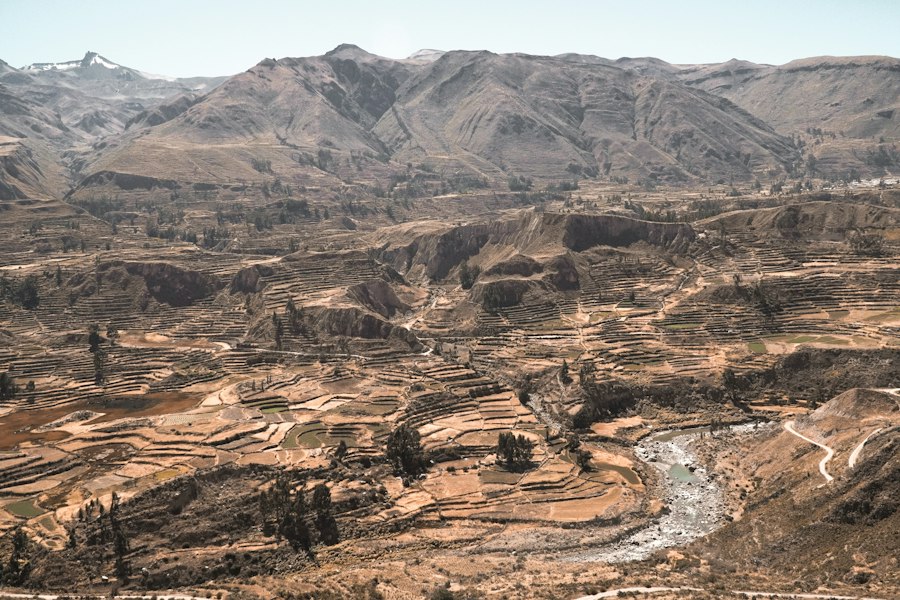
The immediate aftermath of the landslide is a scene of profound devastation. The human cost is still being tallied, with dozens confirmed dead and many more missing. The search for survivors is a race against time, hampered by the unstable terrain and the sheer volume of debris. Homes have been reduced to rubble, families have been torn apart, and the fabric of the community has been severely damaged. Beyond the immediate human tragedy, the landslide has inflicted significant damage on the region’s infrastructure. Roads, bridges, and power lines have been destroyed, isolating Santa Teresa and making it incredibly difficult for aid to reach the affected areas. Agricultural land, the lifeblood of many local communities, has been buried under meters of mud, threatening future livelihoods. The economic impact will be long-lasting, as the region grapples with rebuilding not just structures, but also a sense of security and stability.
Counting the Lost: A Community in Mourning
The casualty figures are a somber reflection of the landslide’s ferocity. As rescue teams painstakingly sift through the debris, the number of confirmed fatalities continues to rise. Many individuals remain unaccounted for, their whereabouts unknown, fueling the anguish of families desperately searching for loved ones. The psychological toll on survivors is immense, as they grapple with the trauma of the event and the loss of friends, family, and neighbors. Local hospitals are overwhelmed with the injured, many suffering from severe trauma, fractures, and deep lacerations. The sheer number of missing persons suggests that the final death toll may be significantly higher than initially reported. The process of identification has been slow and arduous, further prolonging the period of uncertainty and grief for many families. The community, once vibrant and close-knit, is now united in its mourning.
Infrastructure Annihilation: The Road to Recovery Blocked
The landslide’s destructive path has left a swathe of infrastructural devastation. Key transportation arteries leading into and out of Santa Teresa have been completely severed. Bridges have collapsed, and roads have been rendered impassable by thick layers of mud and debris, some several meters deep. This has created a formidable barrier, severely complicating the efforts of rescue teams and preventing the timely delivery of essential supplies such as food, water, and medical equipment. Power lines have been torn down, plunging the affected areas into darkness and further hindering communication. The destruction of these vital links has effectively isolated Santa Teresa, turning it into an island amidst a sea of mud. The immediate focus for authorities is to clear these routes, a monumental task given the sheer volume of displaced earth and rock. The reconstruction of these vital links will be a long and costly endeavor.
Economic Ruin: Buried Livelihoods
The economic repercussions of the landslide are far-reaching and deeply concerning for the region’s inhabitants. Much of the agricultural land surrounding Santa Teresa, the primary source of income and sustenance for many families, has been buried under the landslide’s debris. This has not only destroyed existing crops but also rendered vast tracts of fertile land unusable for the foreseeable future. The destruction of farming infrastructure, including irrigation systems and storage facilities, further exacerbates the economic crisis. For communities that rely heavily on agriculture and tourism, as many in the Andes do, this represents a severe blow to their livelihoods. The loss of homes also means the loss of small businesses, workshops, and marketplaces that formed the backbone of the local economy. Rebuilding these economic foundations will be a slow and challenging process, requiring significant investment and long-term planning.
Rescue Efforts: A Race Against Time and Terrain
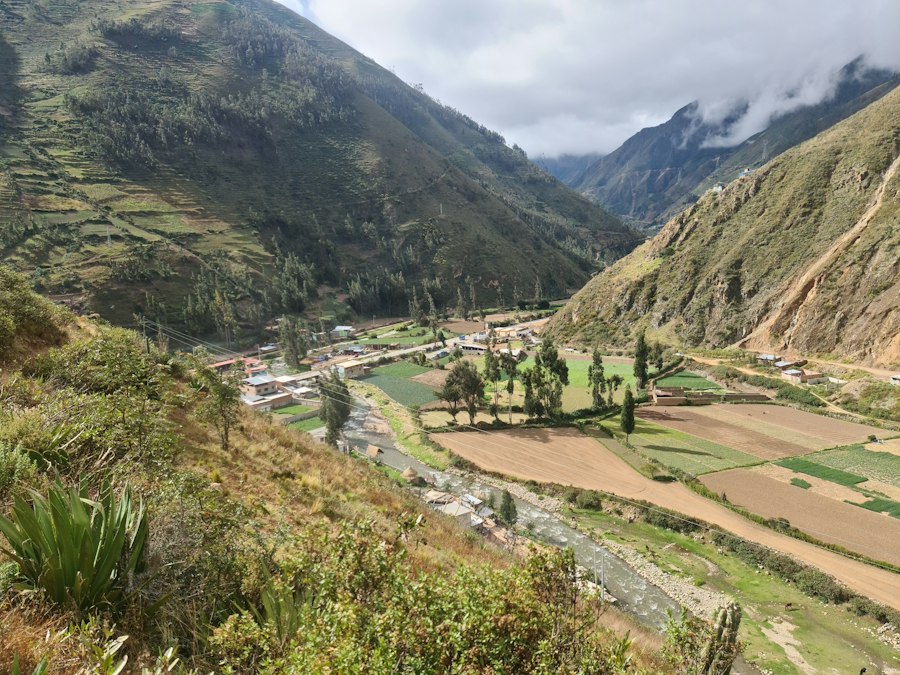
In the face of overwhelming adversity, a determined rescue effort is underway. Local emergency services, supported by the Peruvian military and civil defense agencies, are working tirelessly to locate survivors. However, the challenging Andean terrain, coupled with the unstable nature of the landslide site, presents significant obstacles. Helicopters are being used to reach remote areas and to transport injured individuals, but their operations are often hampered by poor weather conditions and the risk of further landslides. Specialized rescue teams, equipped with heavy machinery and search dogs, are navigating the treacherous landscape, meticulously sifting through the debris in a desperate bid to find any signs of life. The sheer scale of the disaster means that resources are stretched thin, and the need for external assistance is critical. The resilience and dedication of the rescue teams are remarkable, but they are facing an uphill battle against the forces of nature.
Ground Operations: Navigating the Debris Field
Rescue teams on the ground face the most perilous tasks. Equipped with shovels, picks, and specialized listening devices, they are meticulously working through the mud and debris. The unstable nature of the landslide site means that every step is a risk, with the potential for further collapses or the shifting of debris. Search dogs are crucial in this environment, their keen sense of smell able to detect the faintest scent of life beneath the layers of earth. Heavy machinery, such as excavators and bulldozers, are being deployed to move larger sections of debris, but their use must be carefully managed to avoid triggering further instability. The rescue operations are physically demanding and emotionally draining, as teams grapple with the grim reality of their findings. Communication is often difficult, with teams relying on hand signals and radios to coordinate their efforts in a landscape that is constantly changing.
Aerial Support: Reaching the Inaccessible
Helicopters have become an indispensable tool in the rescue operation, providing vital aerial support. They are used to conduct initial assessments of the damage, to transport emergency medical personnel and supplies to isolated areas, and to evacuate critically injured survivors to hospitals. The ability of helicopters to bypass the blocked ground routes has been instrumental in reaching communities that would otherwise be completely cut off. However, the high altitudes of the Andes, coupled with unpredictable mountain weather patterns, often make aerial operations challenging and dangerous. Strong winds, low visibility due to fog or rain, and the risk of downdrafts near the steep mountain slopes necessitate extreme caution and skilled piloting. Despite these challenges, the aerial presence offers a crucial lifeline, bringing hope and aid to those most in need.
The Need for External Aid: Amplifying the Response
The magnitude of the Santa Teresa landslide has clearly exceeded the immediate capacity of local and national resources. The sheer scale of destruction and the ongoing rescue and recovery efforts require a level of support that is beyond what Peru can currently provide alone. International humanitarian organizations and foreign governments are being called upon to contribute essential resources, including specialized rescue equipment, medical supplies, and financial assistance. The logistical challenges of delivering aid to such a remote and devastated area are significant, requiring coordinated efforts and efficient distribution networks. The global community has a role to play in alleviating the suffering of the affected population and in supporting the long-term reconstruction of Santa Teresa and its surrounding communities. The swift mobilization of international aid will be crucial in saving lives and in initiating the process of recovery.
Challenges and Obstacles: The Difficult Path Forward
The rescue and recovery operations are fraught with challenges. The unstable terrain poses a constant threat of further landslides, making it dangerous for rescuers to operate. The remote location of Santa Teresa, combined with the destruction of roads and communication lines, severely hampers the delivery of aid and the evacuation of survivors. The sheer volume of debris makes the search for missing persons an arduous and time-consuming process. Furthermore, the psychological impact on the survivors, who have lost their homes, livelihoods, and loved ones, requires significant attention and support. The long-term recovery and reconstruction of the affected communities will be a complex and lengthy undertaking, demanding sustained effort and resources. Addressing the immediate needs of the displaced population, while simultaneously planning for future resilience, is a delicate balancing act.
Geological Instability: The Ever-Present Threat
The very geological conditions that led to the initial landslide create an ongoing threat to rescue operations and the affected community. The mountainsides remain saturated and unstable, making them susceptible to further movement, even from smaller rainfall events. This means that rescue teams must operate with extreme caution, constantly monitoring for signs of instability and being prepared to evacuate if necessary. The repeated risk of further landslides not only endangers the lives of rescuers but also makes it difficult to conduct systematic searches and to begin any form of rebuilding. The decision-making process for where and how to operate is heavily influenced by geological surveys and expert assessments of the risk. This inherent danger means that the recovery process will likely be more protracted and require specialized expertise.
Logistical Nightmares: Reaching the Isolated
The destruction of key infrastructure has created immense logistical challenges. The severed roads and bridges mean that bringing in heavy machinery, medical supplies, and personnel is a complex undertaking. Supplies must often be transported by helicopter, which is costly and weather-dependent. Communication networks have been decimated, making coordination between different rescue teams and with central command difficult. This isolation not only hinders rescue efforts but also makes it challenging to assess the full extent of the damage and the needs of all affected communities. Establishing temporary communication systems and finding alternative transportation routes are immediate priorities for aid organizations. The sheer distance and the difficult terrain amplify every logistical hurdle, demanding innovative solutions and persistent effort.
Psychological Scars: Healing the Wounds of Trauma
Beyond the physical destruction, the landslide has inflicted deep psychological wounds on the survivors. The trauma of witnessing such destruction, losing loved ones, and being displaced from their homes can have long-lasting effects. Providing mental health support and counseling services is a critical, though often overlooked, aspect of the recovery process. Many survivors will struggle with post-traumatic stress disorder, anxiety, and depression. The loss of community ties and familiar surroundings can also lead to feelings of isolation and disorientation. Creating safe spaces for emotional expression and facilitating community healing initiatives will be vital for the long-term well-being of the affected population. The process of rebuilding lives will involve not only physical reconstruction but also the mending of shattered minds and spirits.
Recent events in the Peru Andes have drawn attention to the increasing frequency of landslides in the region, highlighting the need for better disaster preparedness. For those interested in understanding the geological factors contributing to such natural disasters, a related article can be found at My Geo Quest, which explores the underlying causes and potential mitigation strategies for landslides in mountainous areas. This information is crucial for both local communities and policymakers aiming to enhance safety measures in vulnerable regions.
Looking Ahead: Reconstruction and Resilience
| Metric | Value | Details |
|---|---|---|
| Location | Peru Andes | Mountainous region in Peru |
| Date of Landslide | April 2024 | Exact date varies by report |
| Volume of Debris | Approx. 1 million cubic meters | Estimated based on satellite imagery |
| Area Affected | 2 square kilometers | Includes roads and nearby settlements |
| Casualties | 5 confirmed deaths | Rescue operations ongoing |
| Infrastructure Damage | Roads and bridges destroyed | Major disruption to local transport |
| Cause | Heavy rainfall and seismic activity | Contributing factors to slope failure |
| Response Time | Within 24 hours | Emergency services deployed quickly |
| Preventive Measures | Early warning systems being installed | To reduce future risks |
As the immediate crisis begins to stabilize, the focus must shift towards the long-term recovery and reconstruction of Santa Teresa. This will involve not only rebuilding homes and infrastructure but also implementing measures to enhance the region’s resilience to future natural disasters. This could include improved early warning systems, stricter land-use planning in vulnerable areas, and the reinforcement of vulnerable slopes. The economic recovery will be crucial, with a focus on supporting local businesses and agricultural initiatives. The international community’s commitment will be vital in providing the sustained support needed for this extensive rebuilding process. The lessons learned from this tragedy must inform future development and disaster preparedness strategies, ensuring that communities like Santa Teresa are better equipped to face the challenges posed by their volatile environment.
Rebuilding Homes and Hope: A Community’s Determination
The process of rebuilding homes will be a central pillar of the recovery effort. This will require significant financial investment, construction resources, and careful planning to ensure that new homes are built in safer locations and with more robust construction methods. Beyond the physical structures, the rebuilding effort must also focus on restoring a sense of community and normalcy. This can be achieved through collective rebuilding initiatives, community gardens, and the re-establishment of local markets and gathering places. The resilience and determination of the people of Santa Teresa will be key to their recovery. Providing them with the tools, resources, and support they need to rebuild their lives and their community is paramount. This is not just about constructing buildings; it is about rebuilding lives and restoring hope.
Strengthening Defenses: Preparing for the Future
A critical lesson learned from this catastrophic event is the need to enhance the region’s preparedness for future natural disasters. This includes investing in sophisticated early warning systems that can alert communities to impending dangers such as heavy rainfall or signs of geological instability. Land-use planning must be re-evaluated, with stricter regulations implemented to prevent development in high-risk zones. Engineering solutions, such as retaining walls and drainage systems, can be employed to mitigate the risk of landslides in vulnerable areas. Furthermore, regular disaster preparedness drills and community education programs will empower residents to respond effectively in the event of future emergencies. Building resilience is not a one-time effort but an ongoing process of adaptation and improvement.
Economic Revitalization: Sustainable Futures
The economic devastation wrought by the landslide requires a strategic approach to revitalization. This will involve providing support for local businesses to re-establish themselves, potentially through micro-finance initiatives and business development programs. The agricultural sector, the backbone of the local economy, will need significant investment to restore damaged land, replace lost equipment, and introduce more resilient farming techniques. Diversifying the local economy to reduce reliance on single sectors could also be a long-term strategy. Furthermore, promoting responsible tourism, which respects the natural environment and supports local communities, could provide a sustainable source of income. The goal is to create an economy that is not only functional but also robust and sustainable, capable of withstanding future shocks.

The Social Security Mistake At 62 That Could Ruin Your Spouse’s Retirement
FAQs
What caused the Peru Andes landslide?
The Peru Andes landslide was caused by heavy rainfall that triggered the collapse of a large section of the mountain slope.
When did the Peru Andes landslide occur?
The Peru Andes landslide occurred on [insert date here], devastating the surrounding area and causing significant damage.
How many people were affected by the Peru Andes landslide?
It is estimated that [insert number here] people were affected by the Peru Andes landslide, with many losing their homes and belongings.
What measures are being taken to help the victims of the Peru Andes landslide?
Emergency response teams have been deployed to the area to provide assistance to the victims, including food, shelter, and medical care.
Is the Peru Andes landslide a common occurrence in the region?
Landslides are a known hazard in mountainous regions like the Andes, but the Peru Andes landslide was particularly devastating due to the heavy rainfall that preceded it.