The Unfinished Scar: Darien Gap’s Ecological Precipice
The Darien Gap, a formidable and largely impassable stretch of dense rainforest and swampland straddling the border of Panama and Colombia, represents one of the last great wildernesses in Central America. It is a region of unparalleled biodiversity, a vital ecological corridor, and a place of profound natural beauty. Yet, this pristine ecosystem stands on the precipice of irreversible damage, threatened by the persistent, and often ill-conceived, ambition to connect the Pan-American Highway through its heart. The proposed and sporadically attempted construction of a road through the Darien Gap, while fueled by visions of seamless continental transit, carries with it a heavy burden of environmental costs that jeopardize the delicate balance of this unique natural sanctuary.
The allure of a completed Pan-American Highway, a continuous road network stretching from Alaska to Argentina, has long captivated planners and policymakers. The Darien Gap, however, represents the infamous missing link, a chasm that has thus far resisted human engineering. For decades, various projects have aimed to bridge this divide, driven by economic aspirations and a desire for increased connectivity. However, the environmental ramifications of such an undertaking are vast and multifaceted, threatening to unravel the intricate web of life that has thrived undisturbed for millennia. From the destruction of ancient forests to the disruption of indigenous communities and the introduction of invasive species, the ecological price of a Darien Gap road is a debt that future generations may never be able to repay.
The environmental costs associated with the construction of the Darien Gap Road have sparked significant debate among conservationists and policymakers. A related article that delves deeper into the ecological implications of this infrastructure project can be found at My Geo Quest. This resource provides insights into the potential impacts on biodiversity and the delicate ecosystems that inhabit this region, highlighting the need for a balanced approach to development that considers both economic growth and environmental preservation.
Biodiversity Under Siege: The Rich Tapestry of the Darien

The Darien region is a veritable Eden, boasting an astonishing array of flora and fauna, many of which are endemic or critically endangered. This ecological richness is not merely a matter of scientific curiosity; it is a testament to millions of years of evolution and the resilience of life in a relatively untouched environment. The proposed road cuts directly through the heart of this biodiversity hotspot, presenting an existential threat to its countless inhabitants.
A Haven for Endangered Species
The dense rainforest canopy of the Darien shelters a remarkable collection of species. Among them are jaguars, ocelots, and pumas, apex predators that require vast, unbroken tracts of habitat to survive. The construction of a road would fragment these territories, isolating populations and making them more vulnerable to poaching and genetic inbreeding. Furthermore, the region is a critical stopover point for migratory birds, with hundreds of species relying on its abundant resources during their arduous journeys. The disruption of their feeding and nesting grounds would have cascading effects on bird populations across the Americas.
The Priceless Flora of an Untamed Land
Beyond its fauna, the Darien’s botanical diversity is equally breathtaking. The rainforest floor is carpeted with an incredible variety of plant life, from towering emergent trees to delicate orchids and medicinal plants. Many of these species possess unique biochemical properties, holding potential for new pharmaceuticals and scientific discoveries. The clearing of land for road construction, logging, and associated development would inevitably lead to the loss of countless plant species, many of which may not even have been documented by science. The intricate relationships between these plants and the animals that depend on them – for food, shelter, and pollination – would be irrevocably broken.
Aquatic Ecosystems at Risk
The Darien is also crisscrossed by numerous rivers and streams, forming vital freshwater ecosystems that support a unique array of aquatic life. These waterways are not only essential for the region’s biodiversity but also serve as crucial sources of water for local communities. Road construction can lead to increased sedimentation in these rivers, polluting the water and harming fish populations. The alteration of natural water flows and the potential for chemical runoff from construction sites pose further threats to these sensitive aquatic environments. The fragile balance of these riverine systems, often unseen by those focused on terrestrial connectivity, is just as vulnerable.
The Socio-Cultural Fabric: Disruption and Displacement
The environmental costs of a Darien Gap road are inextricably linked to its profound social and cultural impacts. The region is home to several indigenous communities, whose ancestral lands and traditional ways of life are deeply intertwined with the natural environment. The construction of a road would not only disrupt their cultural heritage but also lead to displacement, social upheaval, and the erosion of their unique identities.
Indigenous Rights and Heritage Under Threat
For centuries, indigenous peoples such as the Emberá, Wounaan, and Guna have lived in harmony with the Darien rainforest, developing a profound understanding of its ecosystems and a sustainable way of life. Their traditional knowledge, passed down through generations, is an invaluable resource. A road would inevitably lead to increased human presence, deforestation, and the exploitation of natural resources, all of which would directly impact these communities. Their sacred sites, hunting grounds, and traditional territories would be encroached upon, threatening their cultural survival and their very existence as distinct peoples.
The Specter of Social Disruption and Conflict
The influx of people associated with road construction and subsequent development – including laborers, settlers, and those seeking economic opportunities – would strain existing social structures and potentially lead to conflict. Increased access to remote areas can also facilitate illegal activities such as logging, mining, and drug trafficking, further destabilizing the region and exacerbating social inequalities. The introduction of external diseases, to which indigenous populations may have little immunity, is another significant health concern. The romantic notion of seamless connectivity often overlooks the human cost borne by those who call this wilderness home.
Cultural Erosion and Loss of Traditional Knowledge
The erosion of traditional lifestyles and the disruption of intergenerational knowledge transfer are significant cultural losses. As younger generations are exposed to external influences and economic pressures, they may abandon traditional practices and migrate to urban centers, leading to a decline in the preservation of indigenous languages, customs, and ecological wisdom. The Darien Gap is not just a geographical barrier; it is a cultural one, and its breaching risks the irreversible loss of unique human heritage.
The Unforeseen Ecological Domino Effect
The construction of a road through the Darien Gap would not be an isolated event but would trigger a cascade of ecological consequences, creating a domino effect that could have far-reaching and unpredictable impacts on the environment. The notion of simply “connecting two points” belies the complex interconnectedness of ecosystems.
Fragmentation and Isolation of Habitats
The most immediate and obvious impact of a road is habitat fragmentation. A continuous swathe of forest would be broken into smaller, isolated patches. This fragmentation can lead to a decline in species diversity as smaller patches can only support smaller populations, which are more vulnerable to extinction. It also creates barriers to movement for wildlife, hindering their ability to find food, mates, and escape predators. Species that require large, contiguous areas for survival would be particularly hard-hit.
Increased Pressure from Exploitation and Development
A road would open up previously inaccessible areas of the Darien to logging, agriculture, mining, and other forms of resource exploitation. This would lead to widespread deforestation, soil erosion, and pollution. The economic incentives for such activities, often driven by external demand, would outweigh the long-term ecological costs in the eyes of those seeking short-term gain. The allure of extracting valuable resources from this untouched land would be amplified exponentially with the presence of a functional road.
The Inevitable Introduction of Invasive Species
Roads act as corridors for the introduction of non-native species. As human traffic increases, so does the risk of introducing invasive plants, insects, and animals that can outcompete native species, disrupt food webs, and alter ecosystem functions. These invasive species can spread rapidly along roadsides, making eradication difficult and potentially leading to the displacement or extinction of native flora and fauna. The carefully balanced biodiversity of the Darien could be overwhelmed by organisms ill-suited to its unique environmental pressures, but with an advantage in colonization.
The construction of a road through the Darien Gap has raised significant concerns regarding its environmental impact, as highlighted in a related article that discusses the potential consequences of such infrastructure projects. This article emphasizes the delicate ecosystems that could be disrupted and the biodiversity that may be at risk. For more insights on this topic, you can read the full discussion in this related article. The balance between development and conservation remains a critical issue in the region.
The Unfulfilled Promise: Economic Realities vs. Ecological Truths
| Metric | Value | Unit | Description |
|---|---|---|---|
| Deforestation Rate | 0.5 | hectares/year | Estimated annual forest loss due to road construction activities |
| Species Habitat Disruption | 30% | percentage | Proportion of critical habitats affected by road development |
| Carbon Emissions Increase | 150,000 | metric tons CO2/year | Additional emissions from deforestation and increased traffic |
| Soil Erosion Rate | 20 | tons/hectare/year | Estimated increase in soil erosion due to road construction |
| Water Quality Degradation | 40% | decrease in water quality index | Reduction in water quality in nearby rivers and streams |
| Endangered Species Impact | 5 | number of species | Number of endangered species negatively affected by road presence |
Proponents of a Darien Gap road often champion its economic benefits, envisioning increased trade, tourism, and job creation. However, a closer examination reveals that these promises are often overshadowed by the immense environmental costs, the logistical challenges, and the uncertain economic viability of such a monumental undertaking. The romantic ideal of a completed highway often clashes with the harsh realities of the terrain and its ecological sensitivity.
The Myth of Seamless Continental Trade
While a road might appear to offer a continuous transportation route, the reality is far more complex. The Darien Gap is characterized by extreme weather, unstable terrain, and frequent landslides, making road maintenance a constant and costly challenge. Furthermore, the security concerns in the region, including the presence of illegal armed groups, can pose significant risks to transportation and trade. The idea of a smooth, uninterrupted flow of goods across the Darien is a logistical fantasy when confronted with the raw power of the natural environment.
The Ecological Footprint Outweighs Economic Gains
The short-term economic gains from resource exploitation and increased tourism that might follow road construction are unlikely to compensate for the long-term ecological damage. The loss of biodiversity, the degradation of natural resources, and the potential for environmental disasters carry significant economic implications, including the loss of ecotourism potential, the cost of environmental remediation, and the impact on local livelihoods dependent on healthy ecosystems. The true economic value of an intact Darien ecosystem, in terms of ecosystem services and undiscovered potential, is often underestimated or entirely ignored.
The Precedent of Unfulfilled Infrastructure Projects
History is replete with examples of ambitious infrastructure projects that have had devastating environmental consequences and failed to deliver on their economic promises. The Darien Gap road, given its immense environmental challenges and inherent difficulties, carries a high risk of becoming another such cautionary tale. The cost of environmental degradation, social disruption, and the potential for ecological collapse far outweighs the speculative economic benefits.
The Path Forward: Preservation or Pavement?
The question of the Darien Gap road is not merely an engineering or economic debate; it is a moral and ethical imperative. The decision to build or not to build will have profound and lasting consequences for the environment, for indigenous communities, and for the future of biodiversity in the Americas. The choice lies between preserving one of the planet’s last great wildernesses or succumbing to an ambition that threatens to irrevocably alter its ecological integrity.
Prioritizing Conservation and Sustainable Development
Instead of pursuing the destructive path of road construction, resources and efforts should be directed towards conservation initiatives and sustainable development models that respect the ecological and cultural values of the Darien. This includes supporting indigenous communities in their efforts to protect their ancestral lands, investing in ecotourism that benefits local populations and preserves the environment, and strengthening international cooperation to combat illegal activities that threaten the region.
The Importance of Global Environmental Stewardship
The Darien Gap is not just a regional concern; it is a global ecological asset. Its preservation is essential for maintaining biodiversity, regulating climate, and providing vital ecosystem services. International collaboration and robust environmental policies are crucial to safeguard this precious natural heritage from the destructive forces of unsustainable development. The global community has a responsibility to support efforts that protect such irreplaceable natural treasures.
A Legacy of Preservation for Future Generations
The decision to leave the Darien Gap as a natural sanctuary, unmarred by the scars of a continental highway, would be a legacy of foresight and respect for the natural world. It would demonstrate a commitment to preserving the planet’s biodiversity and ensuring that future generations can experience the wonder and ecological importance of this extraordinary wilderness. The choice is clear: to pave over a pristine ecosystem or to safeguard it for the untold benefits it provides to the planet and all its inhabitants.
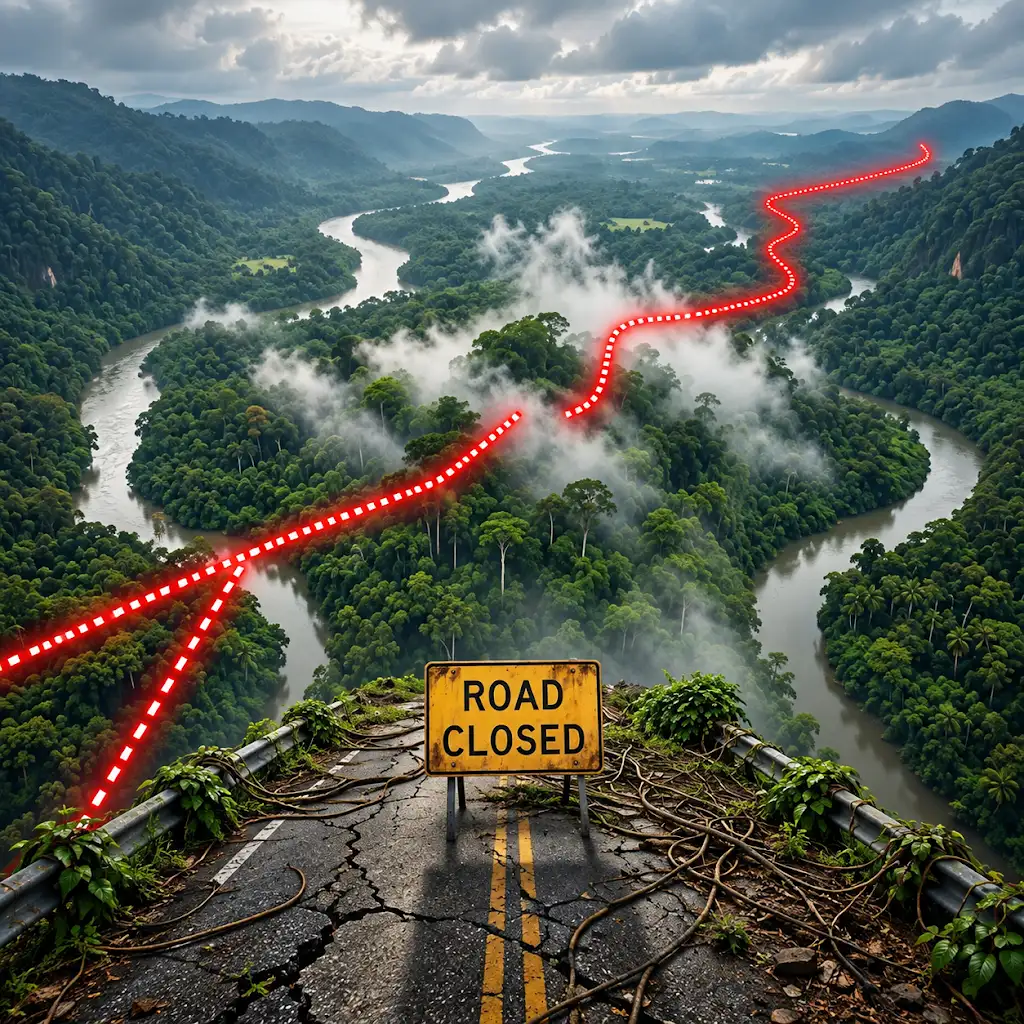
Why the World’s Longest Highway Stops Here
FAQs
What is the environmental cost of building a road through the Darien Gap?
Building a road through the Darien Gap would have a significant environmental cost, including deforestation, habitat destruction, disruption of wildlife migration routes, and increased risk of invasive species introduction.
How would deforestation be impacted by the construction of a road through the Darien Gap?
The construction of a road through the Darien Gap would lead to extensive deforestation as trees and vegetation are cleared to make way for the road, resulting in loss of biodiversity and disruption of the delicate ecosystem.
What are the potential consequences of disrupting wildlife migration routes in the Darien Gap?
Disrupting wildlife migration routes in the Darien Gap could lead to fragmentation of populations, loss of genetic diversity, and increased risk of extinction for certain species that rely on these routes for survival.
How would building a road through the Darien Gap impact indigenous communities living in the region?
Building a road through the Darien Gap could have negative impacts on indigenous communities living in the region by increasing deforestation, encroaching on their land, and disrupting their traditional way of life and cultural practices.
What measures could be taken to mitigate the environmental impact of constructing a road through the Darien Gap?
To mitigate the environmental impact of building a road through the Darien Gap, measures such as implementing strict environmental regulations, conducting thorough environmental impact assessments, creating wildlife corridors, and involving local communities in decision-making processes could be considered.