
The Darien Gap, a formidable stretch of dense jungle and treacherous terrain straddling the border of Panama and Colombia, presents one of the most formidable logistical nightmares on Earth. This vast, untamed wilderness, devoid of any conventional road or railway infrastructure, stands as a stark barrier to land transportation between North and South America. For any project requiring the establishment of infrastructure within or across this region, the challenges of remote construction logistics are magnified to an extreme degree. Successfully navigating these complexities demands meticulous planning, innovative solutions, and an unwavering commitment to overcoming seemingly insurmountable obstacles. This article will delve into the multifaceted challenges inherent in Darien Gap remote construction logistics and explore the strategies and technologies employed to overcome them efficiently.
Navigating the Unforgiving Terrain
The sheer physical characteristics of the Darien Gap are the primary antagonists in any construction endeavor. The landscape is a relentless enemy, characterized by incredibly dense rainforest, steep inclines, pervasive humidity, and an abundance of natural water obstacles. This environment dictates every aspect of logistical planning, from the selection of appropriate transport methods to the protection of personnel and equipment.
The Jungle’s Embrace: Inaccessibility and Movement Constraints
The most immediate challenge is the absolute lack of existing infrastructure. There are no roads, no bridges, and no navigable waterways suitable for large-scale transport of heavy machinery or materials. This means that every inch of progress requires the creation of a path, a process that is slow, labor-intensive, and environmentally sensitive. Helicopters become indispensable tools for initial surveys, personnel deployment, and the delivery of critical, high-value, low-weight supplies. However, their capacity is limited, and their operational costs are exceptionally high, making them impractical for bulk material transport. For heavier items, specialized amphibious vehicles or meticulously cleared overland routes, often requiring the construction of temporary bridges and causeways, are the only recourse. The constant threat of landslides, flash floods, and the thick, tangled vegetation means that even painstakingly cleared routes can become impassable within hours after a heavy rainfall. This necessitates constant monitoring and the ability to rapidly reroute or repair.
The Perils of the Environment: Weather and Natural Hazards
The tropical climate of the Darien Gap poses its own set of unique logistical hurdles. Intense heat and humidity create a physically draining environment for workers, leading to increased risks of heatstroke and exhaustion. Malaria, dengue fever, and a host of other tropical diseases are prevalent, requiring comprehensive health and safety protocols, including vaccinations, protective clothing, and readily available medical support. The rainy season, which can extend for months, transforms the landscape into a muddy, waterlogged expanse, severely hampering ground operations and increasing the risk of equipment damage due to water ingress and corrosion. Furthermore, the region is prone to seismic activity, requiring structures to be designed and constructed with earthquake resilience in mind, adding another layer of complexity to material selection and building techniques. The unpredictable nature of these environmental factors means that contingency planning is not merely advisable; it is essential for project survival. Weather windows for critical operations, such as helicopter lifts or large concrete pours, can be extremely narrow, demanding precise timing and the ability to adapt quickly when conditions change unexpectedly.
Environmental Sensitivity: Balancing Progress with Preservation
Construction projects in the Darien Gap must grapple with the imperative of environmental preservation. This vast expanse is a biodiversity hotspot, home to numerous endangered species and fragile ecosystems. Any construction activity, no matter how well-intentioned, carries the risk of deforestation, habitat disruption, and water pollution. Logistical planning must therefore incorporate rigorous environmental impact assessments and mitigation strategies. This includes selecting construction materials with minimal environmental footprints, employing techniques that reduce land disturbance, and implementing strict waste management protocols. The transportation of materials and equipment needs to be carefully managed to avoid introducing invasive species or contaminating pristine environments. For instance, the cleaning and inspection of all vehicles and equipment before they enter sensitive areas become standard operating procedures. The use of drones for surveying and monitoring can help minimize the need for extensive ground exploration, reducing human impact.
The challenges of remote construction logistics in the Darien Gap are significant, as the region’s dense jungle and lack of infrastructure complicate transportation and supply chain management. For a deeper understanding of these logistical hurdles and innovative solutions being implemented, you can read a related article on this topic at MyGeoQuest. This resource provides insights into the strategies being employed to navigate the complexities of construction in such a challenging environment.
Enabling Movement: Innovative Transportation Solutions
Given the inherent inaccessibility of the Darien Gap, traditional transportation methods are largely inadequate. The successful completion of remote construction projects hinges on the adoption of specialized and often innovative approaches to move personnel, equipment, and materials.
Air Transport: The Lifeline for Critical Supplies
Helicopters are undeniably the workhorses for initial site assessment, personnel deployment, and the rapid delivery of time-sensitive or high-value items. Their ability to bypass the dense jungle and reach remote locations makes them indispensable, especially in the early stages of a project. Companies often deploy a fleet of helicopters, ranging from smaller utility models to larger, heavy-lift aircraft, depending on the scale of operations. However, the operational costs associated with helicopter transport are substantial, encompassing fuel, maintenance, pilot salaries, and landing site preparation. This makes them impractical for the bulk transport of construction materials like concrete, steel, or aggregate. Therefore, their use is strategically reserved for essential supplies, emergency evacuations, and the repositioning of critical personnel and specialized equipment. Careful planning of flight paths, adherence to strict weight limits, and the establishment of strategically located helipads are crucial for maximizing efficiency and safety.
Waterways and Amphibious Operations: Navigating the Rivers and Swamps
While not always extensive or consistent, the rivers and internal waterways of the Darien Gap offer a vital, albeit challenging, avenue for transportation. Barges, specialized flat-bottomed boats, and hovercraft can be employed to move larger quantities of materials and equipment along these routes. However, navigability can be severely impacted by seasonal changes in water levels, the presence of submerged obstacles, and strong currents. This necessitates detailed hydrographic surveys and the constant monitoring of river conditions. Furthermore, many areas require amphibious vehicles capable of traversing both water and difficult terrain. These vehicles, often requiring specialized training for operators, can move equipment from a river landing point directly to a construction site. The success of water-based logistics relies on establishing secure and accessible landing zones, often carved out of the jungle itself, and ensuring that cargo is properly secured to withstand the rigors of river travel.
Overland Expeditions: Crafting Pathways Through the Wild
When air and water transport reach their limits, overland movement becomes the only option. This typically involves the arduous process of clearing and constructing temporary access routes. Heavy-duty all-terrain vehicles (ATVs), bulldozers, and specialized off-road trucks are essential for this task. The construction of temporary bridges over streams and ravines, the stabilization of muddy sections, and the regular maintenance of these makeshift roads are ongoing logistical necessities. This process is not only time-consuming and expensive but also carries significant environmental implications. Careful route selection, minimizing the felling of mature trees, and employing erosion control measures are paramount. The sheer effort involved in creating and maintaining these overland pathways means that such operations are typically reserved for projects where no other alternative exists and are executed with extreme caution and meticulous planning.
Equipping the Workforce: Personnel and Support Systems
Beyond the movement of materials, the successful execution of remote construction in the Darien Gap relies heavily on the efficient deployment and well-being of its human capital. This involves intricate planning for personnel accommodation, health and safety, and the provision of essential support services.
Establishing Remote Camps: Temporary Homes in the Wilderness
The establishment of secure and functional base camps is a prerequisite for any extended construction project in the Darien Gap. These camps serve as living quarters, mess halls, and operational hubs for the workforce. They must be designed to withstand the harsh environmental conditions, including heavy rainfall and high humidity. Prefabricated modular units are often employed for their speed of deployment and relative ease of assembly. Essential services such as potable water purification, sanitation systems, and reliable power generation (often through generators powered by diesel or alternative fuels) are critical. The logistical challenge extends to supplying these camps with food, water, medical supplies, and recreational facilities to maintain morale and productivity among the workforce. The remote location means that regular resupply missions are essential, adding another layer to the overall logistical plan.
Health, Safety, and Medical Preparedness: Protecting the Human Element
The unique health risks associated with the Darien Gap necessitate a robust and comprehensive health and safety program. This includes pre-deployment medical screenings, vaccinations against tropical diseases, and ongoing health monitoring. Access to qualified medical personnel and well-equipped medical facilities, even if rudimentary, is paramount. Emergency medical evacuation plans, often involving helicopter services, must be in place and regularly tested. Personal protective equipment (PPE) that is suitable for the tropical climate, such as lightweight, breathable fabrics that offer protection against insects and the sun, is essential. Detailed safety protocols for operating heavy machinery in challenging terrain, working at heights, and managing potential encounters with local wildlife are crucial. Regular safety briefings and drills help to foster a culture of safety awareness among all personnel.
Communication and Technology: Staying Connected in Isolation
Maintaining reliable communication in such a remote and challenging environment is a critical logistical consideration. Satellite communication systems are indispensable for voice and data transmission, enabling real-time contact with project management, emergency services, and supply chain partners. For localized communication within construction sites, robust radio systems are utilized. The integration of technology, such as GPS tracking for equipment and personnel, drones for site surveying and progress monitoring, and digital platforms for project management and documentation, can significantly enhance efficiency and safety. These technological solutions not only improve operational oversight but also provide vital data for decision-making and problem-solving in real-time.
Sourcing and Managing Materials: The Supply Chain Conundrum
The procurement and delivery of construction materials to a remote location like the Darien Gap present a significant supply chain challenge. Every item, from the smallest bolt to the largest structural component, must be carefully considered and meticulously planned for.
Strategic Procurement and Inventory Management: Planning for the Long Haul
The distance from major supply hubs necessitates a proactive and strategic approach to procurement. Project managers must anticipate material needs well in advance, factoring in lead times for manufacturing, transportation, and potential delays due to unforeseen circumstances. Bulk purchasing can offer cost savings, but it also increases the risk of storing large quantities of materials in a remote and potentially insecure environment. Effective inventory management systems are essential to track stock levels, prevent waste, and ensure that the right materials are available at the right time and location. This often involves the use of specialized inventory management software and regular physical stocktakes. The selection of materials also needs to consider their durability and suitability for the harsh tropical climate, with a preference for materials resistant to corrosion, UV degradation, and insect infestation.
Specialized Handling and Storage: Protecting Assets in the Tropics
Materials arriving in the Darien Gap require specialized handling and storage to protect them from the elements and potential damage. For example, cement and other moisture-sensitive materials must be stored in dry, well-ventilated environments, often in elevated or waterproofed structures, to prevent premature curing or degradation. Steel components need to be protected from rust and corrosion, often requiring specific coatings or temporary shelter. Equipment, especially sensitive electronic components or machinery, must be stored in secure, climate-controlled environments where possible. Any exposed materials or equipment need regular inspection and maintenance to mitigate the effects of humidity, rain, and the abrasive jungle environment. The risk of theft or vandalism also necessitates secure storage facilities and vigilant monitoring.
Waste Management and Resource Optimization: Minimizing Impact
Efficient waste management is a critical component of remote construction logistics, particularly in an environmentally sensitive area like the Darien Gap. Minimizing waste generation through careful planning and material selection is the first priority. Any unavoidable waste must be collected, sorted, and transported to designated disposal sites, which may involve considerable effort and expense. Efforts to recycle or repurpose materials are highly encouraged, aligning with principles of sustainability and reducing the overall logistical burden. Furthermore, optimizing resource utilization, such as minimizing fuel consumption for vehicles and generators, and employing water conservation measures, contributes to both cost efficiency and environmental responsibility.
The challenges of remote construction logistics in the Darien Gap are significant, as the region’s dense jungles and rugged terrain pose unique obstacles for infrastructure development. For those interested in exploring this topic further, an insightful article can be found on MyGeoQuest, which delves into the complexities of navigating such environments. The piece highlights innovative strategies and technologies that can be employed to overcome these logistical hurdles. You can read more about it in this related article.
Overcoming Obstacles: The Pillars of Success
| Metric | Value | Unit | Notes |
|---|---|---|---|
| Distance Covered | 160 | km | Length of the Darien Gap region requiring logistics support |
| Average Transport Speed | 5 | km/h | Due to difficult terrain and lack of roads |
| Typical Construction Material Weight | 500 | kg per shipment | Includes tools, cement, steel, and other essentials |
| Number of Personnel per Team | 10 | people | Average size of remote construction teams |
| Helicopter Lift Capacity | 1500 | kg | Maximum payload for airlifting materials |
| Average Daily Progress | 1 | km/day | Construction progress rate in remote areas |
| Fuel Consumption for Generators | 20 | liters/day | Estimated for powering equipment on site |
| Communication Range | 10 | km | Typical range of radio communication devices used |
The successful navigation of Darien Gap remote construction logistics is not a singular feat but a culmination of strategic foresight, adaptable execution, and a commitment to continuous improvement. Several core principles underpin the ability to overcome the immense challenges.
Adaptability and Flexibility: Responding to the Unexpected
The unpredictable nature of the Darien Gap environment demands an organizational culture of adaptability and flexibility. Projects must be structured with built-in contingencies for weather delays, equipment failures, and unexpected terrain challenges. This means having backup plans for transportation routes, alternative sourcing options for critical materials, and pre-identified emergency response protocols. The ability to rapidly reassess situations, make informed decisions on the fly, and pivot strategies without significant disruption is a hallmark of successful remote construction operations in this region. This often requires empowered on-site management teams with the authority to make critical decisions without waiting for directives from distant headquarters.
Robust Planning and Risk Management: Foresight as a Shield
The foundation of any successful Darien Gap project lies in meticulous and comprehensive planning. This begins with detailed feasibility studies, thorough environmental impact assessments, and the development of an exhaustive logistical plan that anticipates every potential challenge. A proactive approach to risk management, identifying potential hazards and developing mitigation strategies for each, is crucial. This includes not only environmental and operational risks but also geopolitical considerations, potential security concerns, and the availability of skilled labor. Regular review and updating of these plans, based on evolving conditions and lessons learned, ensure that the project remains on track and resilient to unforeseen events.
Collaboration and Partnership: Strength in Unity
Given the scale and complexity of operations in the Darien Gap, collaboration and strategic partnerships are often essential. This can involve working closely with local communities, engaging with specialized logistics providers who have expertise in challenging environments, and building strong relationships with government agencies to navigate regulatory hurdles and ensure compliance. Shared resources, expertise, and risk can significantly enhance the feasibility and efficiency of a project. Open communication and a spirit of mutual respect among all stakeholders are vital for fostering effective collaboration and achieving common objectives in this demanding setting.
In conclusion, constructing anything within or across the Darien Gap is an undertaking that pushes the boundaries of logistical capability. It is a testament to human ingenuity and perseverance that projects can indeed be realized in such an unforgiving environment. The key lies in a deep understanding of the inherent challenges, the innovative application of technology and specialized techniques, and an unwavering commitment to meticulous planning, safety, and environmental stewardship. The successful logistics of remote construction in the Darien Gap are not merely about moving materials; they are about conquering a wilderness and achieving progress through foresight, resilience, and an indomitable spirit.
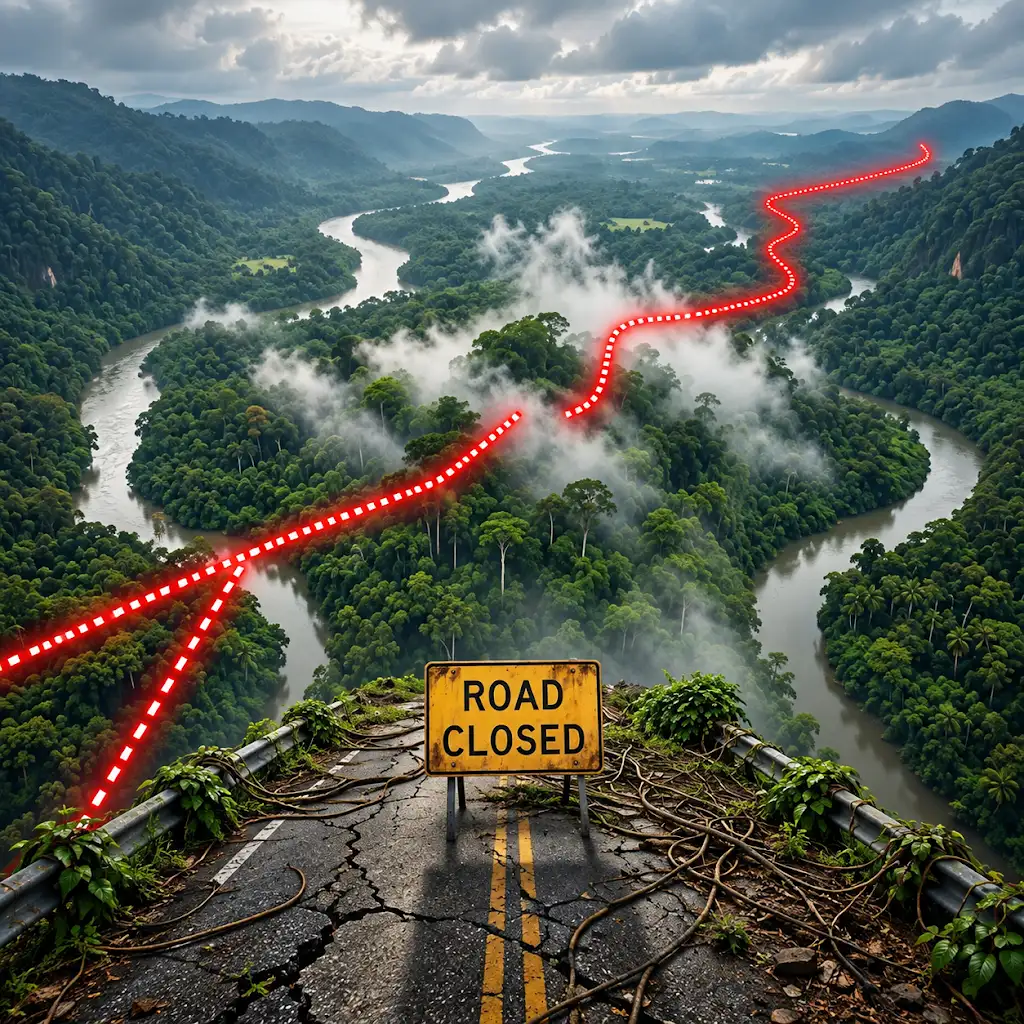
Why the World’s Longest Highway Stops Here
FAQs
What is the Darien Gap?
The Darien Gap is a dense and remote jungle region located between Panama and Colombia, known for its challenging terrain, wildlife, and lack of infrastructure.
Why is construction in the Darien Gap considered difficult?
Construction in the Darien Gap is difficult due to the rugged terrain, heavy rainfall, dense vegetation, lack of roads, and presence of dangerous wildlife, making logistics and transportation challenging.
What are some of the logistical challenges faced in remote construction in the Darien Gap?
Logistical challenges in remote construction in the Darien Gap include limited access to construction sites, transportation of materials and equipment through dense jungle, lack of infrastructure, and the need for specialized skills and equipment.
How are construction materials and equipment transported to remote sites in the Darien Gap?
Construction materials and equipment are often transported to remote sites in the Darien Gap using helicopters, small boats along rivers, or by creating temporary roads through the jungle using specialized vehicles.
What are some strategies used to overcome the challenges of construction logistics in the Darien Gap?
Some strategies used to overcome the challenges of construction logistics in the Darien Gap include careful planning, use of specialized equipment, hiring local expertise, establishing temporary camps, and adapting construction methods to the unique environment of the region.