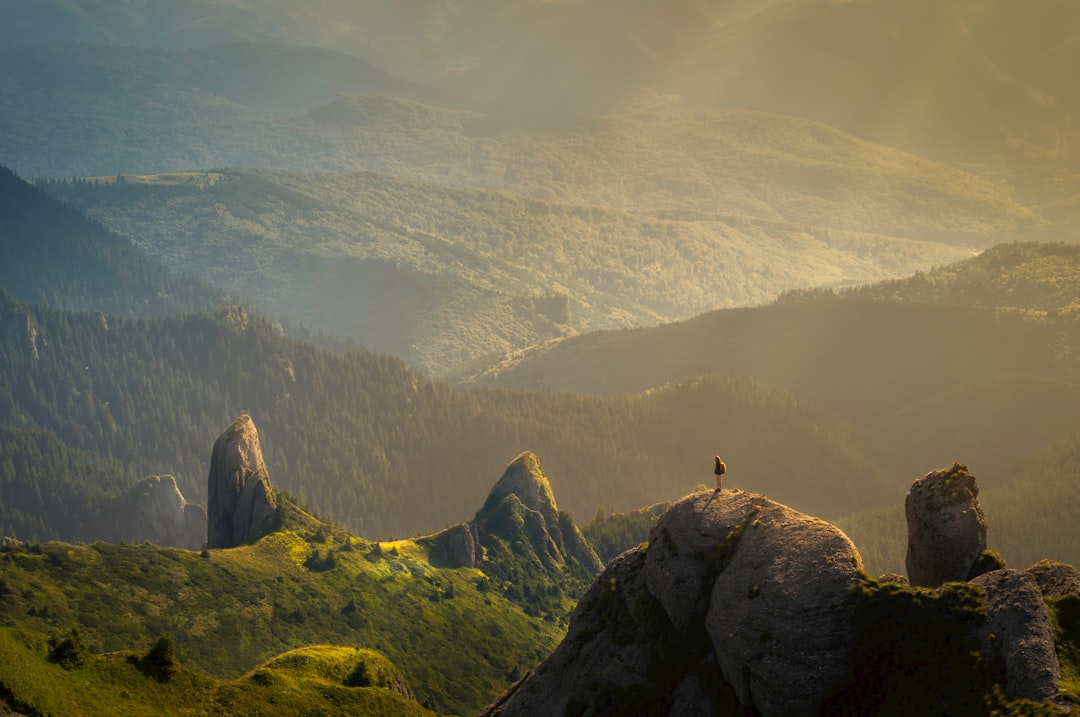
The Darien Gap, a formidable swathe of dense rainforest and treacherous swampland, has long been a geographical enigma, a formidable barrier separating Panama and Colombia, and a place where nature reigns supreme. Yet, within this untamed wilderness, whispers of human history and cultural heritage persist. The concept of a “Darien Gap Cultural Preservation Road” emerges not as a literal asphalt highway carving through the jungle, but as a conceptual framework, an ambitious undertaking to safeguard the invaluable cultural legacies of the region while navigating the delicate balance with its unparalleled natural environment. This endeavor is not merely about physical infrastructure; it is a profound exploration of how humanity can engage with and protect some of the world’s most vulnerable ecosystems and the diverse communities that call them home.
The Untamed Canvas of the Darien Gap
The Darien Gap is a place of stark, breathtaking beauty and formidable challenges. Its dense, humid rainforests teem with an astonishing biodiversity, a sanctuary for countless species of flora and fauna, many of which are found nowhere else on Earth. Giant trees form a verdant canopy, filtering sunlight to create a mystical, emerald world below. Rivers, swollen with the region’s abundant rainfall, snake through the landscape, serving as vital arteries of life and imposing natural barriers. The air is thick with the cacophony of the jungle – the calls of exotic birds, the rustle of unseen creatures, the hum of insects – a constant reminder of the raw power of nature. This is a land that has largely resisted the encroachment of modern civilization, preserving its wild character and ecological integrity.
A Biodiversity Hotspot Under Threat
The ecological significance of the Darien Gap cannot be overstated. It is a critical link in the migratory pathways of numerous species, and its pristine ecosystems provide essential habitats for endangered and endemic wildlife. Jaguars, tapirs, harpy eagles, and a dazzling array of amphibians and reptiles all call this region home. The forests also play a crucial role in regulating regional climate patterns and are a vital carbon sink. However, this natural paradise faces increasing pressures. Deforestation, driven by illegal logging, agricultural expansion, and clandestine mining operations, poses a significant threat to its delicate balance. The encroachment of human activity, even in its less invasive forms, requires careful consideration to prevent irreversible damage to this irreplaceable natural heritage. The very notion of a “road,” even one focused on preservation, necessitates a meticulous assessment of its environmental impact, ensuring that the arteries of access do not become conduits of destruction.
The Enduring Human Presence
Despite its wild reputation, the Darien Gap has been home to indigenous communities for millennia. These communities, including the Emberá, Wounaan, and Guna peoples, possess a profound understanding of the rainforest and have developed intricate cultural traditions deeply intertwined with their environment. Their knowledge of medicinal plants, sustainable resource management, and spiritual beliefs are all products of generations of living in harmony with the jungle. Their cultural heritage is not confined to ancient artifacts; it is a living, breathing entity expressed through their languages, art, music, ceremonies, and social structures. These traditions represent a vital part of human history and offer invaluable insights into alternative ways of living and interacting with the natural world. Preserving these cultures is as critical as preserving the biodiversity of the rainforest itself, for they are intrinsically linked.
The Darien Gap, a dense jungle region between Panama and Colombia, poses significant challenges for cultural preservation due to its remote location and the impact of infrastructure development. An insightful article discussing the implications of building a road through this area can be found at My Geo Quest. This piece highlights the delicate balance between improving accessibility and protecting the rich cultural heritage of the indigenous communities that inhabit the region.
The Genesis of a Concept: Beyond Asphalt and Concrete
The “Darien Gap Cultural Preservation Road” is not a proposal for a traditional highway. Instead, it represents a paradigm shift in how human development intersects with fragile ecosystems and cultural landscapes. It is a vision that prioritizes minimal environmental impact and maximum cultural benefit, envisioning pathways that are not about conquering nature but about understanding and coexisting with it. This conceptual road is about creating connections that foster respect, education, and sustainable economic opportunities for local communities, while simultaneously acting as a guardian of the region’s natural and cultural treasures.
Redefining “Road”: Pathways of Connection and Conservation
The term “road” in this context transcends its conventional meaning. It refers to a network of carefully designed and managed pathways, which could include eco-trails, navigable waterways, and low-impact transportation systems. These pathways are intended to facilitate responsible tourism, scientific research, and the cultural exchange of indigenous communities. The emphasis is on creating access that is controlled, monitored, and designed to minimize disturbance to the environment and the traditional ways of life. This might involve the use of silent electric boats on rivers, elevated walkways in sensitive forest areas, or designated routes for guided treks that adhere to strict ecological protocols. The goal is to build bridges, not to carve scars.
The Imperative of Indigenous Collaboration
Any initiative within the Darien Gap, particularly one involving access and preservation, is fundamentally dependent on the full and meaningful participation of the indigenous communities who are the ancestral stewards of this land. Their traditional knowledge, their rights, and their aspirations must be at the forefront of any planning and implementation. The concept of the Cultural Preservation Road is inherently a partnership, where indigenous voices guide the direction, determine the pace, and ensure that the benefits are equitably distributed. This involves not just consultation, but a genuine empowerment of these communities to be active agents in their own cultural and environmental preservation. Their understanding of the land’s rhythms and sacred sites is irreplaceable, and their consent is paramount.
Navigating the Environmental Tightrope
The establishment of any form of access within the Darien Gap necessitates a profound commitment to environmental stewardship. The “Cultural Preservation Road” concept is predicated on an unyielding dedication to minimizing ecological footprint, protecting sensitive habitats, and ensuring that any human presence contributes to, rather than detracts from, the health of the ecosystem. This requires innovative approaches to infrastructure design, stringent environmental impact assessments, and ongoing monitoring to ensure compliance with the highest conservation standards.
The ongoing discussions surrounding the Darien Gap cultural preservation road have sparked interest in various aspects of indigenous rights and environmental conservation. A related article explores the intricate balance between development and the preservation of local cultures, shedding light on the potential impacts of infrastructure projects in sensitive areas. For more insights on this topic, you can read the article here: cultural preservation and its implications for communities in the region.
Minimizing Ecological Footprint: The Art of Gentle Access
The design and construction of any pathways must prioritize minimal disturbance. This means avoiding the clearing of large swathes of forest, opting for techniques that respect the existing topography and hydrology. For example, instead of building a conventional road, elevated boardwalks could be employed in certain areas to allow wildlife to pass underneath and to prevent soil erosion. In riverine areas, the focus might be on improving existing navigability rather than creating new channels, utilizing energy-efficient and low-emission boat technologies. The construction materials themselves would need to be sourced sustainably and have minimal impact on the local environment. The entire approach is about being a whisper in the jungle, not a roar.
Protecting Sensitive Ecosystems and Wildlife Corridors
The Darien Gap is a mosaic of diverse ecosystems, each with its own unique requirements and vulnerabilities. The “Cultural Preservation Road” must be designed to circumvent or meticulously protect areas of high ecological sensitivity. This includes avoiding critical breeding grounds, ancient trees, and known wildlife corridors. Robust environmental impact assessments, conducted by independent ecological experts in collaboration with indigenous communities, would be crucial in identifying these areas and dictating the routes and methods of access. Furthermore, the pathways themselves could be designed to act as ecological corridors, facilitating the movement of smaller animals and insects, rather than acting as barriers. Educational signage and designated viewing platforms would be implemented to promote responsible wildlife observation without disturbance.
Waste Management and Sustainable Resource Use
The presence of any human activity, even that focused on preservation, generates waste. A comprehensive waste management plan is therefore essential. This would involve strict protocols for recycling, composting, and the responsible disposal of any non-recyclable materials. Emphasis would be placed on reducing waste generation in the first instance, through the use of reusable materials and a focus on minimal consumption. Water resources must also be managed sustainably, with careful consideration given to preventing pollution of rivers and streams. Energy consumption would be minimized through the use of renewable energy sources such as solar power, especially for any necessary facilities or interpretive centers.
Safeguarding Living Heritage: Cultural Preservation in Practice
The “Darien Gap Cultural Preservation Road” is fundamentally about the safeguarding and celebration of the rich cultural heritage of the indigenous communities. It aims to empower these communities, provide them with opportunities for sustainable livelihoods, and ensure the transmission of their traditions to future generations. This is achieved through a range of initiatives that prioritize cultural exchange, knowledge sharing, and the economic benefits derived from responsible eco-cultural tourism.
Empowering Indigenous Communities: Guardians of Their Own Future
The success of any cultural preservation initiative hinges on the empowerment of the people whose heritage is being preserved. The “Cultural Preservation Road” concept is designed to place indigenous communities at the helm, providing them with the resources and autonomy to manage their own cultural assets and tourism initiatives. This could involve training programs in sustainable tourism management, guiding, hospitality, and cultural interpretation. Local craftspeople would be supported in developing markets for their authentic handmade goods, ensuring fair trade practices. The aim is to create economic opportunities that are directly linked to the preservation of their culture and environment, rather than being exploitative or
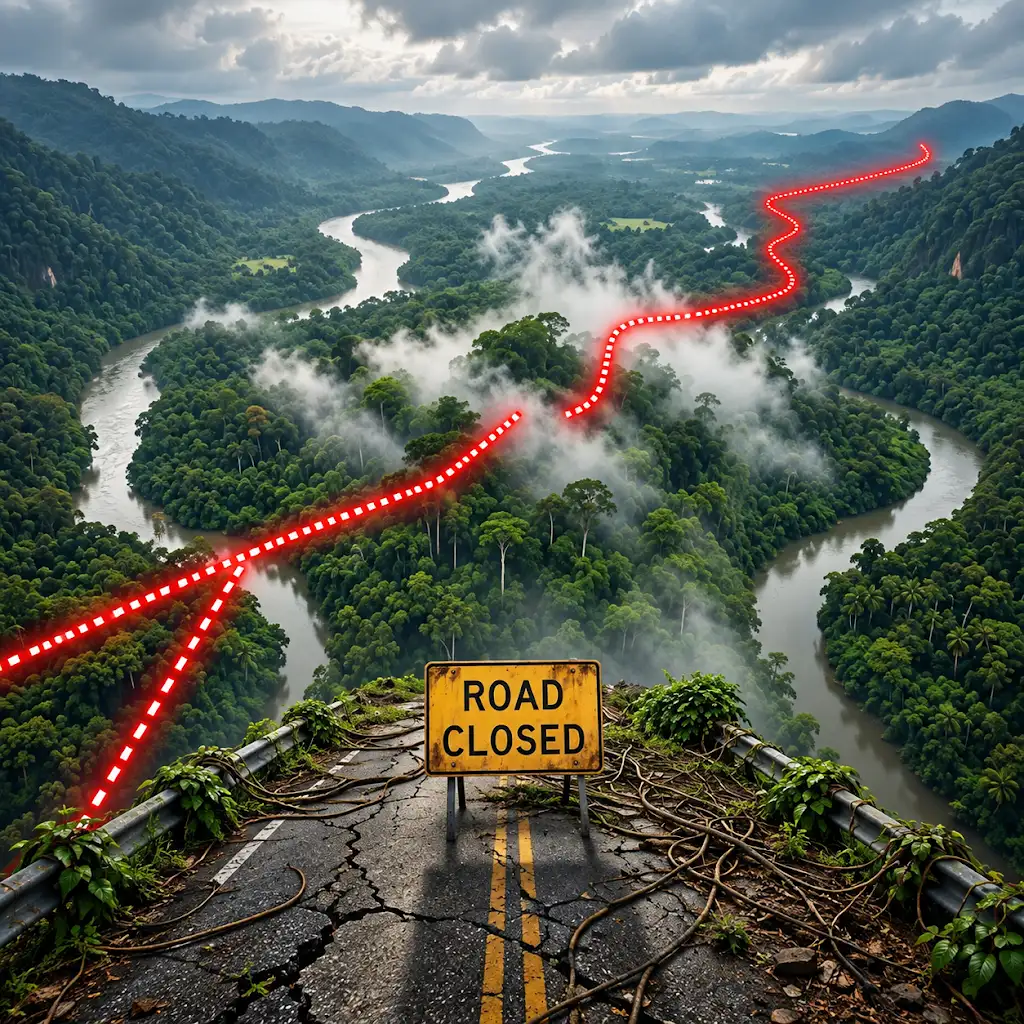
Why the World’s Longest Highway Stops Here
FAQs
What is the Darien Gap?
The Darien Gap is a dense, undeveloped jungle region that stretches between Panama and Colombia, creating a natural barrier between Central and South America.
Why is cultural preservation important in the Darien Gap?
Cultural preservation is important in the Darien Gap because the region is home to several indigenous communities with unique traditions, languages, and ways of life that are at risk of being lost due to outside influences.
What is the proposed “cultural preservation road” in the Darien Gap?
The cultural preservation road is a proposed initiative to build a road through the Darien Gap that would connect Panama and Colombia while also protecting the cultural heritage of the indigenous communities living in the region.
How would the cultural preservation road benefit the indigenous communities in the Darien Gap?
The cultural preservation road would provide better access to essential services such as healthcare and education for the indigenous communities, while also allowing them to maintain their traditional way of life and preserve their cultural identity.
What are some challenges and concerns associated with building the cultural preservation road in the Darien Gap?
Some challenges and concerns include potential environmental impact on the delicate ecosystem of the region, the risk of increased deforestation and illegal activities, as well as the need to ensure the consent and involvement of the indigenous communities in the planning and implementation process.