The Darien Gap’s Unforgiving Embrace: Climate Change as a Road Builder’s Nemesis
The Darien Gap, a formidable swathe of untamed jungle straddling the border between Panama and Colombia, presents an almost insurmountable obstacle to terrestrial transit. For decades, the dream of a contiguous Pan-American Highway, a continuous ribbon of asphalt connecting North and South America, has been thwarted by this formidable natural barrier. While geography, dense vegetation, and the sheer logistical complexity have always loomed large, a growing and increasingly potent adversary has emerged: climate change. The escalating impacts of a warming planet are not merely an environmental concern in the Darien Gap; they are actively reshaping the terrain, intensifying natural hazards, and presenting unprecedented challenges to any endeavor aiming to carve a path through this wild frontier, particularly road building efforts.
The Darien Gap, a dense jungle region between Panama and Colombia, poses significant challenges for climate and road building initiatives. As infrastructure projects aim to connect the Americas, concerns about environmental impact and biodiversity loss have emerged. For a deeper understanding of the intersection between climate change and road construction in this sensitive area, you can read a related article at this link.
Shifting Weather Patterns: The New Normal of Extremes

The traditional understanding of the Darien Gap’s climate, characterized by distinct wet and dry seasons, is rapidly becoming obsolete. Climate change is inducing a heightened variability and intensity in weather patterns, fundamentally altering the conditions that road construction projects must contend with. These shifts manifest in several critical ways, directly impeding progress and escalating the risks associated with any infrastructure development.
Intensified Rainfall and Flooding Events
One of the most pronounced impacts of climate change in the Darien Gap is the observed increase in the frequency and severity of rainfall. Previously predictable wet seasons are now punctuated by torrential downpours that can last for extended periods, far exceeding historical averages. This deluge transforms the already challenging terrain into a waterlogged quagmire. Rivers swell to unprecedented levels, breaching their banks and inundating vast tracts of land. For road building crews, this presents a dual threat. Firstly, the constant saturation of the soil significantly compromises its stability. Excavation becomes more difficult, and the ground upon which any nascent roadbed is laid is prone to slippage and erosion. The establishment of temporary access routes, essential for moving equipment and personnel, becomes a precarious undertaking, with bridges and causeways frequently washed away by flash floods.
Furthermore, the sheer volume of water flowing through the region exacerbates natural erosion processes. Existing stream beds are widened and deepened, and new channels can be carved out with alarming speed. This dynamic landscape means that any constructed road, even if it survives the initial construction phase, faces constant bombardment from the erosive power of water. Culverts and drainage systems, designed based on historical rainfall data, are quickly overwhelmed, leading to localized flooding and road damage. The long-term maintenance of any road within the Darien Gap would require a fundamental re-evaluation of hydrological engineering principles, taking into account the new reality of extreme rainfall events. The cost of materials and labor needed to constantly repair and reinforce infrastructure against these relentless water assaults would likely become prohibitive.
Prolonged and Intense Dry Spells
While the emphasis is often on increased rainfall, climate change is also contributing to more prolonged and intense dry spells in some tropical regions, and the Darien Gap is no exception. These periods of extended drought have their own set of detrimental consequences for road building. The lush vegetation that characterizes the Darien Gap, while a formidable obstacle in itself, also plays a crucial role in maintaining soil moisture and stability. During prolonged dry periods, this vegetation begins to wither and die, leaving the soil exposed and vulnerable.
The desiccated earth becomes loose and dusty, susceptible to wind erosion. While not as immediately dramatic as flash floods, the constant abrasion of wind-blown sand and soil can slowly but surely degrade road surfaces and foundations. More critically, the lack of moisture weakens the structural integrity of the soil. When the inevitable rains do return, this dry, brittle soil is less able to absorb the water, leading to increased surface runoff and a heightened risk of landslides. This boom-and-bust cycle of extreme dryness followed by intense wetness creates a highly unstable environment, making it exceedingly difficult to establish and maintain a durable road infrastructure. Moreover, the dry periods can also increase the risk of wildfires, which, while not as common in the dense rainforest as in drier ecosystems, can still occur and further damage vegetation and exposed soil.
Increased Humidity and Its Impact on Materials
Beyond the direct hydrological impacts, the subtle but pervasive effects of increased humidity, a direct consequence of rising global temperatures, also pose significant challenges. Higher ambient humidity levels can accelerate the degradation of construction materials. For instance, metals used in machinery and structural components are more prone to rust and corrosion, requiring more frequent maintenance and replacement. Wood, a prevalent material in temporary structures and even some bridge components, is more susceptible to rot and insect infestation in consistently humid environments, reducing its lifespan and structural integrity.
The constant dampness also impacts the curing process of concrete, a crucial material for road foundations and structures. Improper curing can lead to weaker concrete, more susceptible to cracking and erosion. Furthermore, the increased humidity creates a more conducive environment for the growth of fungi and mold, which can further degrade materials and pose health risks to construction workers. Managing humidity levels on a large-scale construction project in such a tropical environment is an immense undertaking, requiring specialized equipment and protocols that would add considerable expense and complexity to any road building endeavor in the Darien Gap.
The Jungle’s Rampant Growth: An Ever-Present Obstacle Amplified
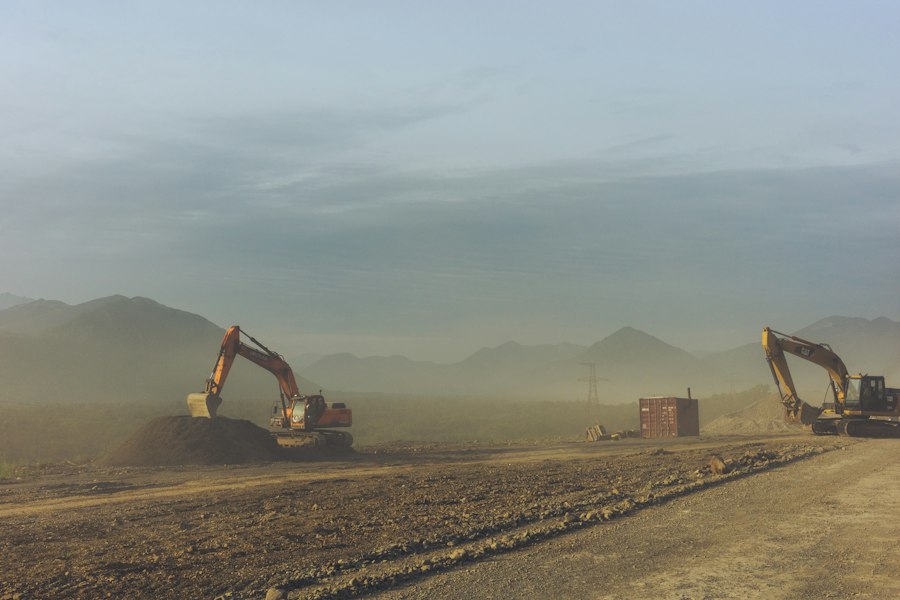
The dense, impenetrable jungle of the Darien Gap is the most obvious and persistent barrier to road construction. However, climate change is exacerbating this challenge by influencing the rate and nature of vegetative growth, turning what was already a monumental clearing task into an even more Sisyphean effort.
Accelerated Vegetative Proliferation
Rising global temperatures and altered rainfall patterns are, in many tropical regions, leading to an accelerated rate of plant growth. The rainforests of the Darien Gap, already biologically rich and diverse, are experiencing an intensification of this natural dynamism. This means that any cleared land, once painstakingly stripped of vegetation for road construction, is rapidly reclaimed by the jungle. Vines and fast-growing trees can re-establish themselves with astonishing speed, encroaching on the nascent roadbed and undermining its stability.
For road builders, this translates into a constant, uphill battle. Clearing operations, which are already incredibly labor-intensive and resource-heavy, must be conducted more frequently and with greater intensity. The time and money invested in clearing are subject to faster depreciation as the jungle aggressively seeks to reassert its dominion. This continuous cycle of clearing and regrowth significantly slows down the overall construction timeline, making it exceptionally difficult to achieve sustained progress. The economic feasibility of a project that requires such a relentless effort against nature’s own regenerative forces becomes increasingly questionable.
Enhanced Biodiversity and New Species Adaptations
Climate change is not only influencing the speed of growth but also potentially altering the biodiversity of the Darien Gap, with unforeseen consequences for construction. As temperatures and rainfall patterns shift, certain plant species may thrive while others decline. There is also the possibility of new species migrating into the region or existing species adapting in ways that create new challenges. For example, the development of more robust root systems by certain tree species could make their removal even more difficult and potentially destabilize the surrounding soil more profoundly when they are eventually cleared.
Furthermore, the increased humidity and temperature can foster the growth of highly invasive plant species that are particularly aggressive and difficult to control. These species can outcompete native vegetation and form dense, impenetrable thickets that pose an even greater obstacle to machinery and manual labor. Understanding and adapting to these shifts in the biological landscape would require extensive ecological surveys and ongoing monitoring, adding another layer of complexity and cost to any road building project. The long-term ecological impact of road construction in such a dynamic environment, already influenced by climate change, also raises significant ethical and environmental considerations.
The Escalation of Natural Hazards: A Constant Threat to Infrastructure
Beyond the direct impacts on soil and vegetation, climate change is demonstrably increasing the frequency and intensity of natural hazards in the Darien Gap, creating a volatile environment where road construction is perpetually under threat.
Increased Landslide Susceptibility
The combination of intensified rainfall, altered soil moisture dynamics, and the rapid growth of vegetation creates a perfect storm for landslides. Steep slopes, common throughout the Darien Gap, become inherently unstable when saturated with water. The jungle’s root systems, while anchoring vegetation, can also act as a conduit for water penetration, and when these roots are disturbed by construction, or weakened by extreme weather, the risk of soil failure increases dramatically.
As rainfall events become more extreme, the sheer weight of water saturating the soil on these slopes can overcome the frictional forces that hold it in place. This leads to devastating landslides that can engulf entire areas, destroying any progress made on road construction and posing a grave danger to workers. The removal of vegetation during the clearing process, a necessary evil for road building, further exacerbates this risk by reducing the natural ability of the terrain to hold itself together. Any road built through such an area would be constantly vulnerable to being buried or undermined by these unpredictable and destructive geological events. Mitigating landslide risk in such a dynamic and climate-affected environment would necessitate significant geotechnical engineering expertise, expensive stabilization measures, and a constant awareness of potential triggers.
Elevated Risk of Extreme Storms and Tropical Cyclones
While the Darien Gap is not typically in the direct path of major hurricanes, climate change is altering storm tracks and increasing the intensity of tropical weather systems. This means that the region is facing an elevated risk of experiencing more severe tropical storms, including increased wind speeds and more intense rainfall associated with these systems.
These storms can wreak havoc on construction sites, damaging equipment, destroying temporary structures, and washing away essential materials. The high winds can uproot trees, creating new obstacles and hazards. The heavy rainfall associated with these storms, as previously discussed, can trigger widespread flooding and landslides. For road builders, this introduces an element of unpredictability that is extremely difficult to plan for. Construction schedules can be wiped out by a single powerful storm, leading to significant delays and cost overruns. The need to build infrastructure resilient enough to withstand such increasingly severe weather events adds another significant layer of complexity and expense to any road building project in the Darien Gap.
The Darien Gap, a dense jungle region between Panama and Colombia, poses significant challenges for road building, especially in the context of climate change. As infrastructure projects aim to connect the Americas, the environmental impact of such developments becomes a pressing concern. For a deeper understanding of the intersection between climate issues and road construction in this unique area, you can explore a related article that delves into these complexities. This insightful piece can be found here, providing valuable perspectives on the ongoing debates surrounding the Darien Gap.
Logistical Nightmares and Economic Realities
| Metric | Value | Unit | Notes |
|---|---|---|---|
| Average Annual Rainfall | 3,000 – 5,000 | mm | Extremely high rainfall contributes to difficult road construction |
| Average Temperature | 24 – 28 | °C | Tropical climate with high humidity |
| Road Construction Feasibility | Low | N/A | Due to dense rainforest, swamps, and unstable soil |
| Soil Type | Peat and Clay | N/A | Highly waterlogged and unstable for heavy infrastructure |
| Road Length Proposed | 100 | km | Estimated length to connect Panama and Colombia through the gap |
| Environmental Impact | High | N/A | Potential loss of biodiversity and disruption of indigenous lands |
| Construction Challenges | Frequent Flooding, Landslides | N/A | Severe weather and terrain instability |
The cumulative effect of climate change’s impacts on the Darien Gap translates directly into escalating logistical challenges and profoundly negative economic implications for road building efforts. The sheer cost and complexity of overcoming these compounded environmental hurdles are becoming increasingly prohibitive.
Supply Chain Vulnerabilities and Increased Transportation Costs
Transporting equipment, materials, and personnel into and out of the Darien Gap is already an arduous and expensive undertaking. Climate change amplifies these challenges significantly. Increased rainfall and flooding can render existing access routes impassable, disrupting supply chains and delaying the delivery of critical supplies. This can lead to costly standstills in construction work, as essential machinery or materials are held up.
Furthermore, the need for more robust and frequently repaired access routes means that transportation costs escalate. Bridges that are washed away must be rebuilt, temporary roads that are damaged by floods need constant maintenance, and the increased transit times due to challenging conditions all contribute to higher operational expenses. The remote nature of the Darien Gap, combined with its volatile climate, makes it a logistical nightmare for any large-scale infrastructure project, and climate change is only intensifying these inherent difficulties.
The Prohibitive Cost of Adaptation and Mitigation
The environmental challenges posed by climate change in the Darien Gap necessitate significant investment in adaptation and mitigation strategies. Road builders would need to incorporate advanced engineering solutions to cope with extreme rainfall, increased erosion, and landslide risks. This might include designing elaborate drainage systems, constructing extensive retaining walls, and employing specialized foundation techniques.
The cost of implementing these measures, while essential for any hope of long-term success, would be astronomical. Moreover, the ongoing costs of maintenance and repair, constantly battling the forces of nature amplified by climate change, would represent a perpetual financial burden. When factoring in the increased operational costs, the extended timelines due to weather delays, and the immense upfront investment in climate-resilient infrastructure, the economic viability of constructing a road through the Darien Gap becomes increasingly questionable, if not entirely unsustainable, in the current and projected climate future.
The Future of Connectivity: A Question Mark in the Face of a Warming Planet
The dream of a complete Pan-American Highway, with the Darien Gap bridged by a paved road, has long been a tantalizing prospect for continental connectivity. However, the escalating impacts of climate change are casting a long shadow over this ambition. The region’s weather patterns are becoming more extreme, its vegetation is growing more aggressively, and natural hazards are intensifying, all of which directly undermine the feasibility and sustainability of any road building endeavor.
Reassessing the Viability of Traditional Road Construction
The traditional models of road construction, which rely on predictable environmental conditions and established engineering practices, are demonstrably ill-suited to the challenges presented by the Darien Gap in its current and future climate. The sheer scale of environmental modification required, coupled with the relentless forces of nature amplified by climate change, suggests that a conventional road may simply be an unsustainable proposition. The cost, the logistical complexity, and the perpetual maintenance requirements would likely outweigh any perceived benefits of such a continental link.
Exploring Alternative Transportation Solutions
Given the insurmountable challenges to traditional road building, the focus may need to shift towards alternative solutions for connectivity. This could include enhanced maritime transport, the development of air cargo infrastructure, or perhaps even innovative, climate-resilient non-road based transit systems if such technologies emerge. The Darien Gap, already a natural barrier, is being further reinforced by the undeniable realities of a changing climate, forcing a re-evaluation of how North and South America can truly be connected in the 21st century and beyond. The path through the Darien Gap, it seems, is not destined to be paved by asphalt, but rather navigated by ingenuity and adaptation in the face of an increasingly unpredictable world.
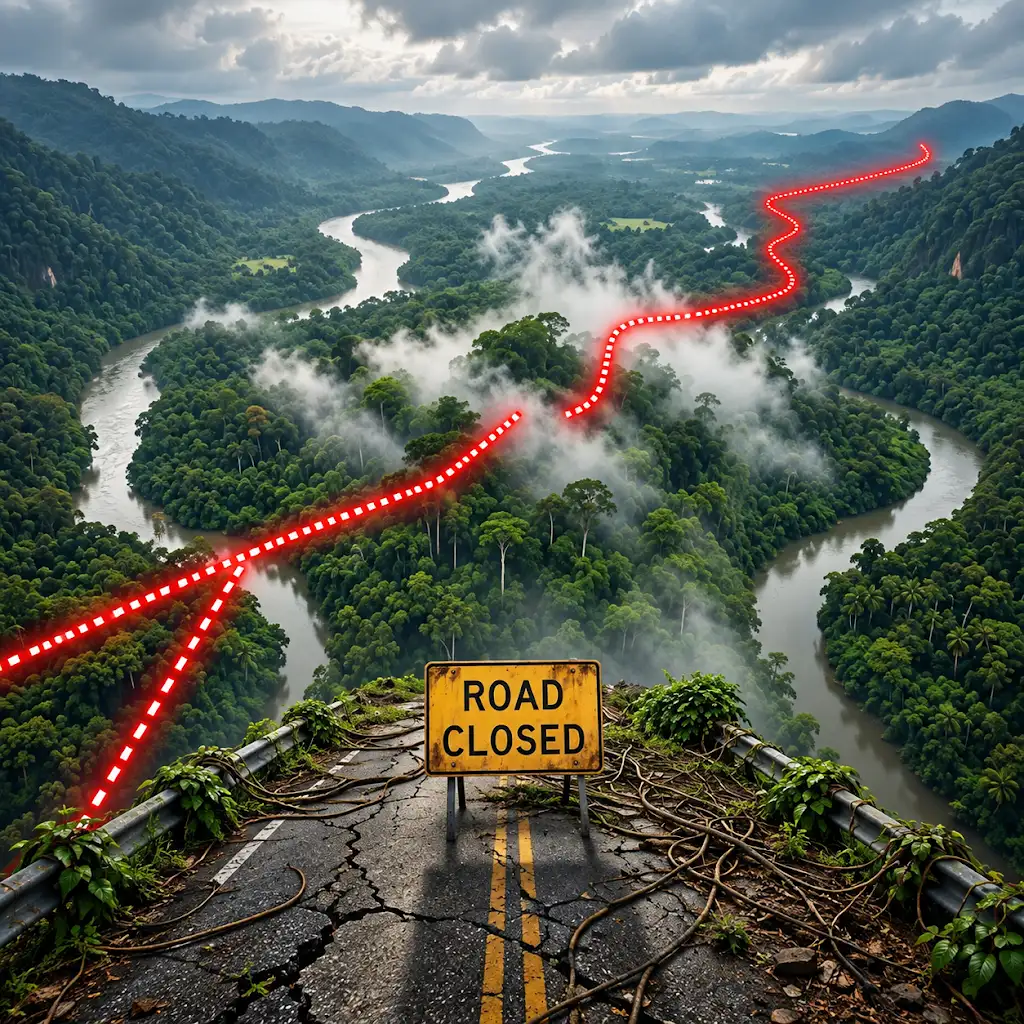
Why the World’s Longest Highway Stops Here
FAQs
What is the Darien Gap?
The Darien Gap is a dense and remote jungle region located between Panama and Colombia, known for its challenging terrain and lack of infrastructure.
How does the climate in the Darien Gap affect road building?
The Darien Gap has a tropical rainforest climate with high rainfall and humidity, making it difficult to build and maintain roads due to frequent landslides, erosion, and flooding.
Why has there been limited progress in building a road through the Darien Gap?
Building a road through the Darien Gap is challenging due to environmental concerns, logistical difficulties, and the presence of indigenous communities who oppose the construction of a road through their land.
What are the potential environmental impacts of road construction in the Darien Gap?
Road construction in the Darien Gap could lead to deforestation, habitat destruction, disruption of wildlife migration routes, and increased risk of invasive species introduction, threatening the region’s biodiversity.
Are there alternative transportation options to crossing the Darien Gap by road?
Yes, alternative transportation options to crossing the Darien Gap by road include flying, boating, or hiking through the region, as well as using existing informal trails and waterways.