The intricate tapestry of global commerce is woven with threads of movement, and the most vital of these are the critical trade routes. These pathways, whether by sea, land, or air, represent the arteries through which goods, resources, and economic prosperity flow across continents and oceans. Understanding these routes is not merely an academic exercise; it is fundamental to comprehending international relations, economic stability, and the very fabric of modern civilization.
Critical trade routes, in essence, are the predetermined and established pathways used for the transportation of goods and commodities on a significant scale, connecting major production centers with key consumption markets. Their criticality stems not only from the volume of trade they facilitate but also from their importance to the economic stability and national security of the countries and regions they serve. A disruption to a critical trade route can have cascading effects, impacting supply chains, energy prices, and even political landscapes. The definition extends beyond mere physical pathways; it encompasses the infrastructure supporting them – ports, canals, railways, pipelines, and airports – as well as the governance and security measures that ensure their continued operation.
The Historical Evolution of Trade Routes
The concept of critical trade routes is as old as civilization itself. From the ancient Silk Road, connecting the East and West with exotic spices and precious metals, to the maritime empires that dominated the Age of Discovery, trade has always been facilitated by defined routes.
The Era of Ancient Empires and their Trade Networks
Early civilizations recognized the strategic importance of connecting resource-rich areas with population centers. The Mesopotamian civilizations, for example, relied on riverine trade along the Tigris and Euphrates. The Phoenicians, skilled mariners, established extensive trade networks across the Mediterranean, fostering the exchange of goods and ideas. The Roman Empire, with its vast infrastructure, created a network of roads and sea lanes that facilitated the movement of legions, supplies, and, crucially, trade. These early routes, while rudimentary by modern standards, laid the groundwork for understanding the principles of economic connectivity.
The Medieval Period and the Rise of Transcontinental Networks
The medieval period witnessed the flourishing of transcontinental trade routes. The aforementioned Silk Road, though experiencing periods of decline and resurgence, remained a vital link between Europe and Asia for centuries. The Indian Ocean trade, connecting East Africa, the Arabian Peninsula, India, and Southeast Asia, was another vital artery, driven by the demand for spices, textiles, and precious stones. These networks were not just about commerce; they were conduits for cultural exchange, religious diffusion, and the spread of knowledge.
The Age of Exploration and the Maritime Revolution
The Age of Exploration, beginning in the 15th century, marked a dramatic shift in the importance of trade routes. European powers, driven by a desire for new markets and resources, embarked on ambitious voyages that opened up new maritime pathways. The circumnavigation of Africa, the discovery of the Americas, and the establishment of sea lanes to Asia revolutionized global trade. The control of these sea lanes became paramount, leading to competition and conflict between empires. This era solidified the dominance of maritime trade routes, a dominance that largely persists today.
Critical trade routes play a vital role in the global economy, facilitating the movement of goods and services across borders. For a deeper understanding of how these routes impact international trade and the geopolitical landscape, you can explore a related article that delves into the intricacies of trade networks and their significance. To read more, visit this article on MyGeoQuest.
Modern Trade Routes: The Backbone of Globalization
In the contemporary world, critical trade routes are the arteries of globalization. Their efficiency, capacity, and security are paramount to the functioning of the global economy. Technological advancements and economic interdependence have amplified their significance, making them subjects of intense geopolitical interest.
The Dominance of Maritime Trade: The Ocean Highways
The vast majority of international trade, by volume, travels by sea. This is due to the sheer capacity of cargo ships and the relatively lower cost per unit compared to other modes of transport. These maritime routes are the lifeblood of global manufacturing and consumption.
The Major Oceanic Lanes and Their Significance
Several key oceanic lanes form the backbone of global maritime trade. The Strait of Malacca, linking the Indian Ocean and the Pacific Ocean, is one of the busiest shipping lanes in the world, crucial for trade between East Asia and markets in Europe, the Middle East, and Africa. The Suez Canal, a man-made marvel, provides a vital shortcut between Europe and Asia, dramatically reducing transit times and costs. The Panama Canal serves a similar function in the Americas, connecting the Atlantic and Pacific Oceans, facilitating trade between the US East and West Coasts, and between the Americas and Asia. The Strait of Hormuz, a narrow chokepoint at the entrance to the Persian Gulf, is immensely significant for the global oil supply, as a substantial portion of the world’s oil and gas exports transit through it.
The Role of Major Ports and Container Hubs
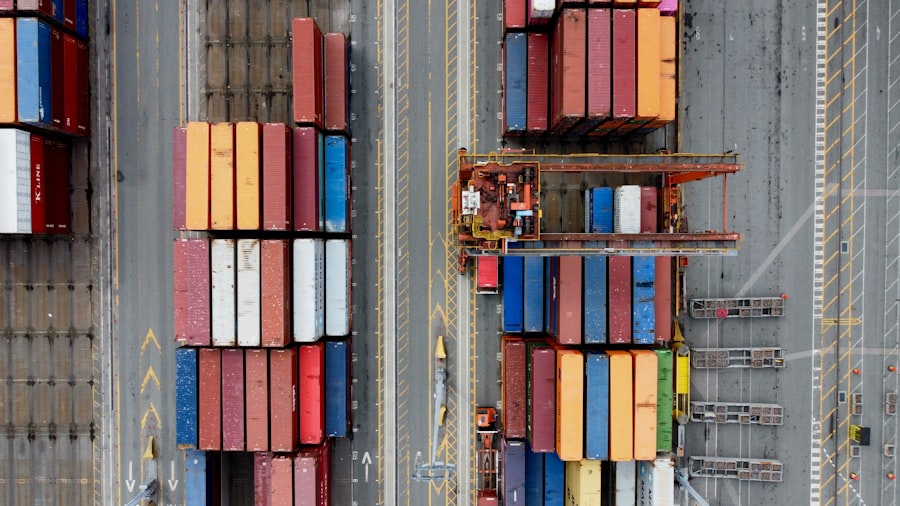
The efficiency of maritime trade relies heavily on the infrastructure of major ports and container terminals. These hubs are the nodes where goods are transferred between ships, trucks, and trains. Ports like Shanghai, Singapore, Rotterdam, and Los Angeles are not just logistical centers; they are economic engines, employing thousands and facilitating billions of dollars in trade annually. The development and modernization of these ports are crucial for maintaining the flow of global commerce.
The Resurgence of Land-Based Trade: Connecting Continents
While maritime routes remain dominant, land-based trade routes are experiencing a resurgence, driven by a desire for diversification, reduced transit times, and new geopolitical alignments.
The Trans-Siberian Railway and its Geopolitical Implications
The Trans-Siberian Railway, stretching across Russia, is one of the longest railway lines in the world. It provides a vital overland link between Europe and East Asia, offering an alternative to maritime shipping for certain goods. Its significance is amplified given current geopolitical realities, as potential disruptions to sea lanes can increase reliance on this rail network. It also plays a significant role in the economic development of Russia’s vast territories.
The Belt and Road Initiative: A New Era of Connectivity
China’s Belt and Road Initiative (BRI) is a monumental undertaking aimed at enhancing connectivity and cooperation across continents. It involves the development of extensive infrastructure projects, including railways, highways, ports, and pipelines, spanning Asia, Europe, and Africa. The BRI has the potential to reshape global trade patterns, creating new land-based trade routes and economic corridors. While lauded for its potential to foster economic growth, it has also raised concerns about debt sustainability and geopolitical influence.
Air Cargo and its Niche in Critical Trade
While accounting for a smaller percentage of global trade by volume, air cargo plays a crucial role in the movement of high-value, time-sensitive, and perishable goods. It is indispensable for certain industries and critical for rapid humanitarian aid delivery.
The Importance of Air Hubs and Dedicated Cargo Airports
Major international airports serve as vital air cargo hubs, connecting global markets with speed and efficiency. Dedicated cargo airports and extensive cargo infrastructure within mixed-use airports are essential for handling the volume of goods transported by air. The development of efficient cargo handling processes and specialized aircraft are critical for this sector.
Expedited Shipping and the Global Supply Chain
Air cargo is the backbone of expedited shipping and express delivery services, integral to the functioning of e-commerce and just-in-time manufacturing. Its speed and reliability are critical for industries where delays can result in significant financial losses.
The Economic Ramifications of Critical Trade Routes
The economic impact of critical trade routes is profound and far-reaching. Their smooth functioning underpins global supply chains, influences commodity prices, and drives economic growth.
Global Supply Chain Resilience and Vulnerability
Critical trade routes are the arteries of global supply chains. Any disruption, whether due to natural disasters, geopolitical conflict, or pandemics, can have severe repercussions. The COVID-19 pandemic starkly illustrated the fragility of these supply chains, leading to shortages of goods, increased shipping costs, and significant economic disruptions. Building resilience into these routes through diversification and strategic stockpiling has become a major priority.
The Impact on Commodity Prices and Resource Distribution
The uninterrupted flow of commodities, from oil and gas to agricultural products and raw materials, is dependent on critical trade routes. Blockages or disruptions can lead to price volatility, impacting both producers and consumers worldwide. For example, disruptions in the Strait of Hormuz can send global oil prices soaring. Similarly, the efficient transport of agricultural goods is vital for food security.
Facilitating Economic Growth and Development
Critical trade routes are essential drivers of economic growth and development. They enable countries to access international markets, import necessary goods and technologies, and attract foreign investment. Regions that are well-connected by these routes tend to experience higher levels of economic prosperity. Conversely, landlocked countries face significant challenges in participating fully in global trade without access to efficient transit routes.
Geopolitical and Security Dimensions of Critical Trade Routes
The strategic importance of critical trade routes extends beyond economics, encompassing significant geopolitical and security considerations. Control over and access to these routes are often sources of international tension and conflict.
Strategic Chokepoints and Maritime Security
Certain geographical locations, known as chokepoints, are of immense strategic importance due to their narrowness and the volume of shipping they control. Examples include the Strait of Malacca, the Suez Canal, the Strait of Hormuz, and the Bab al-Mandab Strait. The security of these chokepoints is a major concern for global trade and national security. Naval patrols, international cooperation, and intelligence gathering are crucial for ensuring their safe passage.
The Geopolitics of Infrastructure Development and Influence
The development of new trade infrastructure, such as ports and railways, can also be a source of geopolitical influence. Initiatives like the Belt and Road Initiative, while promoting connectivity, are also seen as a means for China to expand its economic and political reach. The control and management of critical infrastructure can confer significant leverage in international relations.
Piracy, Terrorism, and the Need for International Cooperation
The threat of piracy, terrorism, and other forms of illicit activity along trade routes poses a persistent challenge. These threats not only disrupt the flow of goods but also endanger human lives and increase shipping costs. International cooperation among navies, law enforcement agencies, and private security firms is essential to combat these threats effectively.
Understanding critical trade routes is essential for grasping the complexities of global commerce. For a deeper insight into how these routes impact economic dynamics and geopolitical strategies, you might find the article on trade networks particularly enlightening. It explores various factors that influence trade flows and the significance of maintaining these vital pathways. You can read more about it in this related article.
The Future of Critical Trade Routes: Innovation and Adaptation
The landscape of critical trade routes is constantly evolving, shaped by technological advancements, shifting economic powers, and emerging global challenges. The future will likely see further innovation and adaptation to ensure the continued, efficient, and secure movement of goods.
The Impact of Emerging Technologies: AI, Automation, and IoT
Artificial intelligence (AI), automation, and the Internet of Things (IoT) are poised to revolutionize trade route management. AI can optimize shipping routes and schedules, predict potential disruptions, and enhance port operations. Automation in ports and warehouses will streamline cargo handling, while IoT devices can provide real-time tracking and monitoring of goods throughout their journey, enhancing transparency and security.
The Drive Towards Sustainability and Green Trade Routes
Increasing awareness of climate change is driving a push towards more sustainable trade practices. This includes the development of eco-friendly shipping technologies, the use of alternative fuels, and the optimization of routes to reduce carbon emissions. Green corridors, designated for low-emission shipping, are becoming a focus of international efforts.
Adapting to Geopolitical Shifts and Diversifying Supply Chains
The increasing assertiveness of certain nations and the desire for greater supply chain resilience are leading to a diversification of trade routes and a re-evaluation of dependencies. Countries and companies are actively seeking alternative pathways and developing more robust supply chain strategies to mitigate risks associated with over-reliance on single routes or specific geopolitical regions. The ongoing rebalancing of global economic power will undoubtedly continue to shape the evolution of critical trade routes for decades to come.

Why the World’s Ships Stopped Using the Red Sea
FAQs
What are critical trade routes?
Critical trade routes are specific pathways or channels used for the transportation of goods and services between different regions or countries. These routes are essential for global trade and play a crucial role in the movement of goods, raw materials, and resources.
Why are critical trade routes important?
Critical trade routes are important because they facilitate the exchange of goods and services between different regions, countries, and continents. They help to connect markets, enable economic growth, and contribute to the development of international trade and commerce.
What are some examples of critical trade routes?
Some examples of critical trade routes include the Panama Canal, the Suez Canal, the Strait of Malacca, the Strait of Hormuz, and the Bab el-Mandeb strait. These routes are strategically important for global trade and are heavily utilized for the transportation of goods by sea.
How are critical trade routes protected?
Critical trade routes are protected through various measures, including the presence of naval forces, international agreements, and security protocols. Countries and international organizations work together to ensure the safety and security of these routes to prevent disruptions to global trade.
What are the potential risks to critical trade routes?
Potential risks to critical trade routes include piracy, geopolitical tensions, natural disasters, and infrastructure failures. These risks can disrupt the flow of goods and have significant impacts on global trade and the economy.