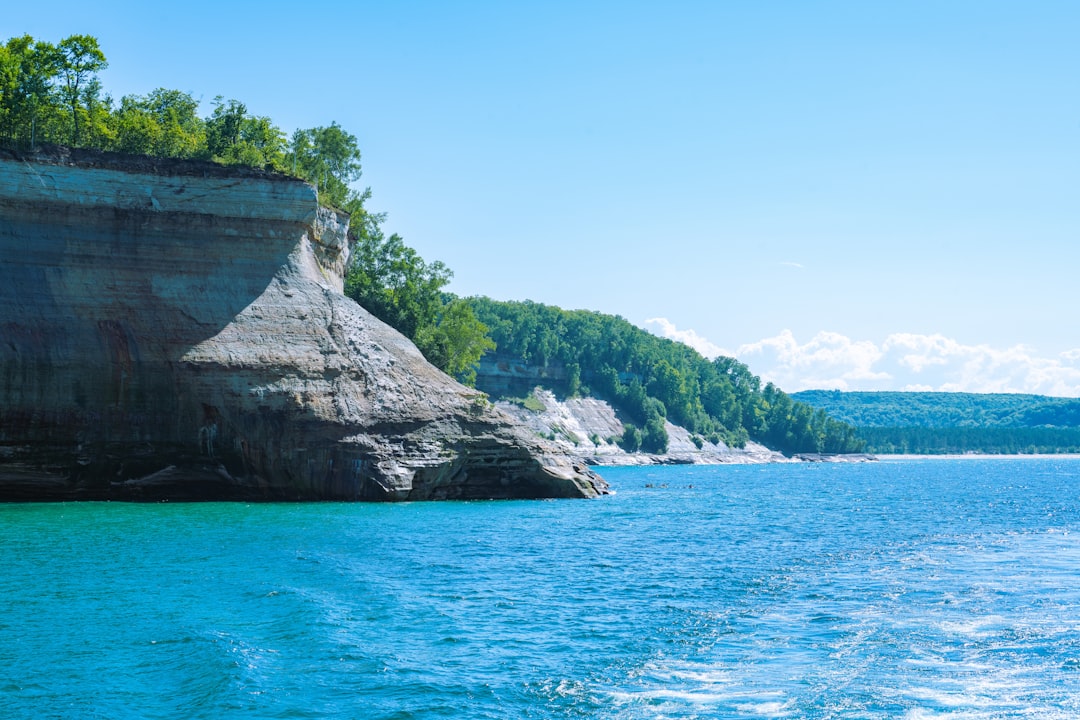
The Great Lakes, a hydrological titan comprising 21% of the world’s surface freshwater, stand as a lynchpin of environmental stability and economic prosperity for both Canada and the United States. However, this invaluable resource is not immune to the pressures of human demand, particularly in the realm of water diversion. For decades, the specter of large-scale water abstraction from the Great Lakes basin has cast a long shadow, sparking intense debate and legislative action. The ongoing controversy surrounding Great Lakes water diversion is a complex tapestry woven with threads of economic necessity, environmental stewardship, political maneuvering, and international law.
The inherent vulnerability of the Great Lakes to external appropriation became starkly evident in the mid-20th century. Proposals, often grand in ambition and terrifying in potential impact, ranged from piping water to arid regions of the American West to supplying distant industrial hubs. These early discussions, largely unfettered by robust regulatory frameworks, ignited a fierce protective instinct among basin residents and policymakers.
Historical Context of Diversion Proposals
Prior to strong legislative protections, numerous scenarios for large-scale water transfer were floated. These included, but were not limited to:
- The North American Water and Power Alliance (NAWAPA): A monumental engineering concept from the 1960s, NAWAPA envisioned diverting vast quantities of water from northern Canada, including tributaries to the Great Lakes, to the American Southwest. Its sheer scale and potential ecological disruption made it a lightning rod for opposition.
- Localized Municipal Diversions: Throughout the 20th century, smaller, more localized diversions for municipal water supply outside the basin were common. While individually less impactful, their cumulative effect and the precedent they set fueled concerns about uncontrolled abstraction.
The Need for Regional Governance
The ad hoc nature of prior diversion approvals, coupled with growing environmental consciousness, illuminated a critical gap in governance. Individual states and provinces, while possessing their own water management regulations, lacked a unified framework to address an interstate and international resource like the Great Lakes. This realization became the bedrock upon which the Great Lakes Compact and Agreement would be built. It was a recognition that a piecemeal approach was akin to managing a shared reservoir with a thousand individual taps, each drawing without regard for the others.
The ongoing discussions surrounding Great Lakes water diversion plans have sparked significant interest among environmentalists and policymakers alike. A related article that delves deeper into the implications of these diversion strategies can be found at this link. This article explores the potential environmental impacts, economic considerations, and the legal frameworks governing water rights in the Great Lakes region, providing a comprehensive overview of the challenges and opportunities presented by such initiatives.
Understanding the Great Lakes–St. Lawrence River Basin Water Resources Compact and Agreement
The culmination of decades of advocacy and negotiation, the Great Lakes–St. Lawrence River Basin Water Resources Compact (for U.S. states) and the companion Agreement (for Canadian provinces) represent a landmark achievement in transboundary water management. Enacted in 2008, these twin instruments established a comprehensive legal framework for protecting the Great Lakes from unsustainable water diversions.
Key Provisions of the Compact
The Compact’s central tenet is a near-total ban on new or increased diversions of Great Lakes water outside the basin. This prohibition acts as a formidable dam against the outflow of this vital resource. However, like any comprehensive legal document, it includes carefully carved exceptions designed to address specific, limited circumstances.
- Prohibition on Diversions: The Compact fundamentally prohibits new diversions of Great Lakes water outside the Great Lakes basin. This strong declaration is the cornerstone of its protective power.
- Exceptions for Straddling Communities and Counties: A critical exception recognizes communities and counties that straddle the basin’s hydrological divide. These areas, due to their unique geographical position, may be permitted to divert water under stringent conditions.
- The “Return Flow” Mandate: For any permitted diversion, the Compact generally requires that all water diverted be returned to the basin, less an amount for consumptive use. This “return flow” provision is crucial for maintaining the hydrological balance of the lakes. It’s like borrowing a cup of sugar from your neighbor with the implicit understanding that you’ll refill their sugar bowl.
- Standard of Review and Decision-Making: All proposed diversions, even those falling under exceptions, undergo a rigorous review process. This involves extensive public consultation and approval by all eight Great Lakes states through the Great Lakes–St. Lawrence River Basin Water Resources Council.
The Role of the Great Lakes Commission
The Great Lakes Commission, established in 1955, plays a vital role in coordinating the interests of the Great Lakes states and provinces. While not directly a party to the Compact, its expertise and long-standing presence in regional water management make it an influential body in discussions surrounding diversion proposals. The Commission acts as a forum for state-level interests and a repository of scientific and policy information relevant to the basin.
The Waukesha Diversion: A Litmus Test for the Compact

The city of Waukesha, Wisconsin, became the first major municipality to formally apply for a diversion under the Compact’s straddling communities exception. This application, ultimately approved in 2016, represented a monumental test for the nascent legal framework and exposed inherent tensions within the Compact’s carefully crafted language.
Waukesha’s Unique Predicament
Waukesha’s problem was stark: its groundwater supply, the primary source of its drinking water, was contaminated with naturally occurring radium and dwindling due to over-pumping. Facing a health crisis and an unsustainable water future, the city sought a lifeline from Lake Michigan, despite being located just outside the basin, albeit within a county that straddles the basin divide. This geographical nuance was key to its eligibility under the Compact’s exception.
The Application and Review Process
The Waukesha application triggered an exhaustive review process, involving:
- Scientific Assessments: Extensive hydrological modeling and environmental impact assessments were conducted to gauge the potential effects of the diversion and return flow on Lake Michigan and the Root River, the designated return path.
- Public Hearings and Stakeholder Engagement: The process involved numerous public hearings, allowing environmental groups, concerned citizens, and other stakeholders to voice their opinions and objections. The public outpouring was immense, reflecting the deep emotional connection many feel towards the Great Lakes.
- Council Deliberation and Conditions: The Great Lakes–St. Lawrence River Basin Water Resources Council ultimately approved Waukesha’s application but imposed strict conditions. These included maximizing water conservation efforts, requiring the return of nearly all diverted water, and ongoing monitoring to ensure compliance. The approval was not a blank check; it was a carefully calibrated issuance, akin to handing a delicate instrument to a novice with explicit instructions.
Precedent and Future Implications
The Waukesha diversion, while unique in its specifics, established an important precedent. It demonstrated that diversions, even under strict conditions, are possible under the Compact. This raised concerns among some environmental advocates who feared it could open the door for future applications, potentially eroding the Compact’s protective strength. Others argued that it proved the Compact could be both protective and flexible, addressing real-world water needs while upholding its core principles. The Waukesha decision, therefore, functions as a double-edged sword in the discourse surrounding the Compact’s efficacy.
Environmental Concerns and Advocacy

Beyond the legalistic debates, the primary drivers of opposition to new diversions are deeply rooted in environmental concerns. The Great Lakes ecosystem is a delicate balance, and any significant alteration to its hydrology could have cascading effects throughout the basin.
The Specter of Cumulative Impacts
While individual diversions, even of Waukesha’s scale, might seem minor when compared to the vastness of the Great Lakes, environmental groups consistently raise concerns about the cumulative impact of multiple diversions over time. Each drop extracted, each degree of temperature change, each altered flow regime, contributes to a larger tapestry of ecological stress.
- Lowering Lake Levels: Even small diversions, if numerous or poorly managed, could contribute to lower lake levels, impacting shipping, hydroelectric power generation, and coastal ecosystems.
- Water Quality Degradation: The return flow of treated wastewater, while legally mandated to meet certain standards, still introduces altered water chemistry and temperature to receiving waters, potentially impacting aquatic life.
- Habitat Disruption: Changes in water levels and flow can disrupt critical fish spawning grounds, migratory bird habitats, and wetlands that are vital for biodiversity.
The Role of Environmental Organizations
Numerous environmental organizations, both regional and national, have been at the forefront of advocating for strong protections for the Great Lakes. Groups like the National Wildlife Federation, the Sierra Club, and local waterkeeper alliances have played a critical role in:
- Monitoring and Research: Conducting independent scientific research and monitoring to assess the health of the Great Lakes and the potential impacts of diversions.
- Public Education and Awareness: Informing the public about the threats to the Great Lakes and mobilizing public support for protective measures.
- Legal Advocacy: Challenging diversion proposals and advocating for stricter enforcement of environmental regulations. Their dedication serves as a vital counterbalance to the pressures of economic development.
Recent discussions surrounding Great Lakes water diversion plans have sparked significant interest among environmentalists and policymakers alike. A related article that delves into the complexities of water management in this region can be found at My Geo Quest. This piece explores the potential impacts of diversion on local ecosystems and communities, highlighting the need for sustainable solutions that balance human needs with environmental preservation.
The Economic and Political Dimensions
| Plan Name | Year Proposed | Proposed Diversion Volume (cubic meters/year) | Source Lake(s) | Destination Region | Status | Environmental Impact Concerns |
|---|---|---|---|---|---|---|
| Chicago Sanitary and Ship Canal Diversion | 1900 | Approx. 1.5 billion | Lake Michigan | Mississippi River Basin | Active | Invasive species transfer, water quality changes |
| Great Lakes-St. Lawrence River Basin Water Resources Compact | 2008 | Varies by project, strict limits | All Great Lakes | Great Lakes Basin States and Provinces | Enforced | Protects against large-scale diversions |
| Waukesha Water Diversion Proposal | 2016 | Approx. 8 million | Lake Michigan | Waukesha, Wisconsin | Approved | Concerns about water sustainability and contamination |
| Proposed Alberta Diversion Plan | 1990s | Up to 500 million | Lake Superior | Alberta, Canada | Rejected | High ecological risk, cross-basin transfer issues |
The debate surrounding Great Lakes water diversion is not solely an environmental or legal one; it is deeply intertwined with economic development and political considerations. The “water is lifeblood” metaphor holds true here, as access to water is often seen as a prerequisite for economic growth.
The Demand for Water in a Changing Climate
As climate change continues to alter global weather patterns, the demand for freshwater is projected to increase in many regions, particularly those facing prolonged droughts and water scarcity. This future scenario looms large over discussions about Great Lakes water. The question of whether the Great Lakes will remain an untouched reservoir or become a “water ATM” for distant regions is a persistent anxiety.
- Agricultural Demands: Arid agricultural regions, particularly in the American West, increasingly look to new water sources to sustain food production.
- Population Growth and Urbanization: Growing urban centers, both within and outside the Great Lakes basin, require ever-increasing amounts of water for domestic and industrial use.
- Industrial Needs: Water-intensive industries continue to seek reliable and affordable water sources for their operations.
Interstate and International Relations
The Great Lakes straddle the border between the United States and Canada, making water management an issue of international significance. The relationship between the two nations, traditionally cordial on water issues, relies on continued cooperation and adherence to agreements like the Boundary Waters Treaty of 1909 and, more recently, the Great Lakes Compact.
- Potential for Disputes: Unilateral decisions regarding Great Lakes water, or even perceived attempts to circumvent existing agreements, could strain diplomatic relations between the two countries.
- Shared Stewardship: Both nations recognize their shared responsibility for the health of the Great Lakes and the need for collaborative management. This shared stewardship resembles a tacit agreement between two neighbors to jointly maintain a beautiful garden that spans their property line.
- The International Joint Commission (IJC): The IJC, established under the Boundary Waters Treaty, plays a crucial role in preventing and resolving disputes over boundary waters, including the Great Lakes. Its recommendations carry significant weight in transboundary water management.
The controversy surrounding Great Lakes water diversion is a microcosm of broader global challenges related to water scarcity and resource management. It underscores the delicate balance between human needs, economic aspirations, and environmental protection. The Great Lakes Compact stands as a testament to regional collaboration and a bulwark against the unbridled appropriation of a shared, vital resource. However, its effectiveness will continue to be tested by future diversion requests and the ever-present pressure of increasing water demand. The vigilant monitoring by environmental advocates, the commitment of policymakers to uphold the Compact’s spirit, and ongoing scientific research will be crucial in ensuring that the Great Lakes remain a vibrant and resilient ecosystem for generations to come. The future of this freshwater titan rests on a foundation of judicious management and unwavering stewardship.
SHOCKING: Why the Great Lakes Are Already Being Sold
FAQs
What are the Great Lakes water diversion plans?
Great Lakes water diversion plans refer to proposals or projects aimed at redirecting water from the Great Lakes basin to other regions facing water shortages. These plans involve managing and regulating the use and transfer of water from the lakes, which hold about 20% of the world’s fresh surface water.
Why is there interest in diverting water from the Great Lakes?
Interest in diverting water from the Great Lakes arises due to increasing water scarcity in some parts of the United States and Canada. Growing populations, agricultural needs, and industrial demands in areas outside the basin have prompted discussions about using Great Lakes water to support these regions.
What are the main concerns regarding Great Lakes water diversion?
Concerns include environmental impacts on the Great Lakes ecosystem, potential depletion of water levels, legal and political disputes between states and provinces, and the risk of setting precedents that could lead to overuse or misuse of this vital freshwater resource.
Who regulates water diversion from the Great Lakes?
Water diversion from the Great Lakes is regulated by the Great Lakes-St. Lawrence River Basin Water Resources Compact, an agreement among the eight U.S. states bordering the lakes, and the Great Lakes Water Quality Agreement between the U.S. and Canada. These frameworks set rules and approval processes for any proposed diversions.
Have any Great Lakes water diversion projects been approved or implemented?
Yes, some limited water diversion projects have been approved under strict conditions, primarily for communities located near the Great Lakes basin. Large-scale diversions outside the basin are generally prohibited to protect the lakes’ water levels and ecosystem health.