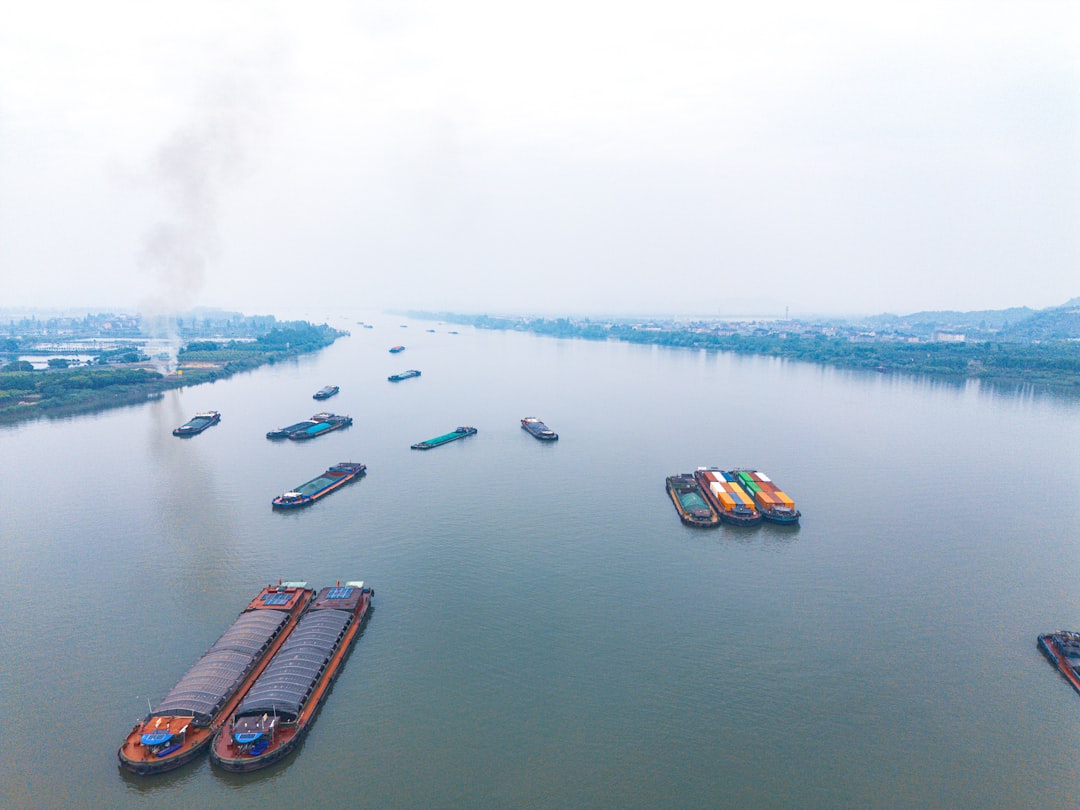
The Sethusamudram Shipping Canal Project (SSCP) is a massive undertaking aimed at creating a navigable channel across the Palk Strait, linking India’s east and west coasts. The core idea is to cut down shipping times and costs by avoiding the need to sail around the southern tip of India. However, the project has been mired in controversy from its inception, sparking debates about its environmental impact, economic viability, and historical significance.
The aspiration to connect India’s coastlines isn’t new. For centuries, the idea of a navigable waterway through the Palk Strait has been discussed. The current iteration of the Sethusamudram Shipping Canal Project gained momentum with the aim of modernizing India’s maritime infrastructure.
Historical Precedents and Early Proposals
- Calls for a passage across the Palk Strait have echoed through Indian history. Early colonial administrations also explored the feasibility of such a venture.
- The idea resurfaced periodically in independent India, driven by the desire to improve trade efficiency and national connectivity.
The Economic Imperative: Faster, Cheaper Shipping
- The fundamental economic argument for SSCP is the dramatic reduction in sailing distances. Ships currently have to navigate the long route around Sri Lanka.
- This bypass is projected to save considerable time, fuel, and operational costs for cargo vessels, thereby enhancing India’s competitiveness in global trade.
- The project’s proponents argue it would stimulate economic activity in port cities along both coasts and create employment opportunities.
The Sethusamudram Shipping Canal Project has been a topic of intense debate, primarily due to its environmental implications and cultural significance. A related article that delves deeper into the controversies surrounding this project can be found at MyGeoQuest, where various perspectives on the economic benefits and ecological concerns are discussed. This project, aimed at facilitating maritime navigation between the eastern and western coasts of India, raises questions about the balance between development and preservation of heritage sites.
Environmental Concerns: A Delicate Ecosystem at Stake
A significant portion of the controversy surrounding the Sethusamudram Shipping Canal Project centers on its potential environmental repercussions. The Palk Strait is a biologically rich and sensitive marine environment.
Dredging and Habitat Destruction
- The primary environmental concern is the extensive dredging required to create the shipping channel. This process involves removing vast quantities of sand and sediment from the seabed.
- Dredging can lead to the destruction of coral reefs, seagrass beds, and other crucial marine habitats that support diverse aquatic life. These habitats are nurseries and feeding grounds for numerous species.
- The suspension of sediment during dredging can also smother nearby ecosystems, impacting filter feeders and reducing light penetration for photosynthetic organisms.
Impact on Marine Biodiversity
- The Palk Strait is home to a variety of marine species, including dolphins, dugongs, sea turtles, and numerous fish species. The project poses a threat to these populations through habitat loss and disturbance.
- The disruption of natural currents and water flow patterns due to the canal could alter breeding grounds and migration routes for various marine animals.
- Projections indicate that the ecological damage could be long-lasting, potentially affecting fisheries that are vital to local communities.
Coastal Erosion and Hydrodynamics
- Altering the seabed and water flow could have unforeseen consequences for coastal erosion patterns. The removal of sediment and the creation of the channel might change wave action and currents, leading to increased erosion in some areas and accretion in others.
- These changes in hydrodynamics can impact coastal infrastructure, natural shorelines, and the delicate balance of the intertidal zone.
The Ram Sethu Debate: Faith, History, and Archaeology

Perhaps the most contentious aspect of the Sethusamudram Shipping Canal Project revolves around the Ram Sethu, also known as Adams Bridge. This chain of natural sandbanks and limestone shoals connecting India and Sri Lanka holds deep religious and historical significance for many.
Religious and Cultural Significance
- For devout Hindus, Ram Sethu is believed to be a man-made bridge built by Lord Rama and his Vanara army, as described in the epic Ramayana. This belief imbues the structure with immense religious sanctity.
- Any perceived damage or destruction of Ram Sethu is viewed as an affront to their faith and cultural heritage. This has led to widespread protests and legal challenges from religious groups.
Archaeological and Historical Perspectives
- Beyond its religious interpretation, Ram Sethu has also been a subject of historical and archaeological debate. While science generally considers it a natural formation, its ancient origins and potential as a historical link between India and Sri Lanka have been discussed.
- Claims have been made about the antiquity of the shoals and their role in early maritime activities, though definitive archaeological evidence supporting extensive human construction remains a subject of ongoing discussion and research.
The Proposed Alignment and its Implications
- Early plans for the SSCP proposed dredging through or very close to Ram Sethu. This sparked the most intense opposition, as it was seen as directly threatening the integrity of the sacred structure.
- Subsequent re-alignments have tried to skirt around the main Ram Sethu formation, but concerns persist about the cumulative impact of dredging in the broader vicinity and the potential erosion of the shoals over time.
Economic Viability: A Question of Returns
Beyond environmental and cultural issues, the economic feasibility of the Sethusamudram Shipping Canal Project has also been a recurring point of contention. Critics question whether the projected benefits will materialize or if the costs will outweigh the gains.
High Investment and Long Gestation Period
- The SSCP involves a colossal financial investment, with estimates fluctuating over the years. Such large-scale infrastructure projects often have long gestation periods, meaning the returns on investment can take decades to materialize.
- There are concerns about cost overruns and the potential for the project to become a financial drain rather than an economic booster.
Shifting Shipping Patterns and Competition
- The global shipping industry is dynamic. Changes in port infrastructure, shipping technologies, and trade routes could impact the projected traffic through the Sethusamudram canal.
- Competition from neighboring ports or alternative shipping routes could also affect the canal’s utilization and profitability.
Alternative Perspectives on Economic Gains
- Some economists argue that the economic benefits are overstated. They point to the possibility of smaller vessels predominantly using the canal, limiting the impact on larger cargo ships, which represent the bulk of global trade.
- The argument is made that investing in existing port infrastructure on a larger scale might offer a more cost-effective and less disruptive way to improve shipping efficiency.
The Sethusamudram Shipping Canal Project has been a topic of intense debate, primarily due to its environmental implications and cultural significance. Many have raised concerns about the potential damage to marine ecosystems and the impact on the Ram Setu, a structure of great importance in Hindu mythology. For a deeper understanding of the various perspectives surrounding this controversial project, you can read a related article that explores the environmental and socio-political dimensions of the issue. To learn more, visit this article.
Legal Battles and Political Deadlocks
| Aspect | Details |
|---|---|
| Location | Gulf of Mannar, India |
| Purpose | Creating a shipping channel to reduce shipping distance |
| Controversy | Environmental impact on marine life and coral reefs |
| Opposition | Local fishermen, environmentalists, and political parties |
| Support | Government and proponents of increased maritime trade |
| Current Status | Project on hold due to environmental concerns |
The Sethusamudram Shipping Canal Project has been a constant subject of legal challenges and political deliberation, leading to prolonged delays and an uncertain future.
Court Cases and Public Interest Litigations
- Numerous public interest litigations (PILs) have been filed in various courts, challenging the project on grounds of environmental damage, religious sanctity, and economic viability.
- These legal battles have often led to stay orders and directives from the judiciary, further halting progress and forcing re-evaluations of the project’s plans.
Shifting Government Stances and Political Will
- Different political parties and governments have held varying stances on the SSCP. This has resulted in a lack of consistent political will to push the project forward decisively.
- The project has often become a political football, with its future subject to the ideologies and priorities of the ruling coalition.
The Stalemate and Future Prospects
- The combination of legal obstructions and vacillating political support has created a significant stalemate for the Sethusamudram Shipping Canal Project.
- Its future remains precarious, with no clear indication of when, or if, it will be completed in its original or any modified form. The ongoing debates continue to shape its trajectory.
FAQs
What is the Sethusamudram Shipping Canal Project controversy?
The Sethusamudram Shipping Canal Project controversy revolves around the proposed construction of a shipping canal through the Palk Strait, which would involve dredging a channel through the Adam’s Bridge, a chain of limestone shoals between India and Sri Lanka. The project has sparked controversy due to its potential environmental impact and its impact on the Ram Setu, a mythical bridge believed to have been built by Lord Rama.
What are the main concerns surrounding the project?
The main concerns surrounding the project include potential damage to the fragile marine ecosystem, impact on the livelihoods of local fishermen, and the destruction of the Ram Setu, which holds religious and cultural significance for many people.
What are the potential benefits of the Sethusamudram Shipping Canal Project?
Proponents of the project argue that the construction of the shipping canal would reduce shipping distances and costs, boost trade and economic development in the region, and improve maritime security by providing a more direct route for ships.
What is the current status of the project?
The project has faced legal challenges and public opposition, leading to delays and reassessments. As of now, the project remains a topic of debate and discussion, with no clear timeline for its implementation.
What are the proposed alternatives to the Sethusamudram Shipping Canal Project?
Some proposed alternatives to the project include improving existing shipping routes, enhancing port infrastructure, and exploring other means to boost maritime trade and connectivity without the need for dredging a canal through the Palk Strait.