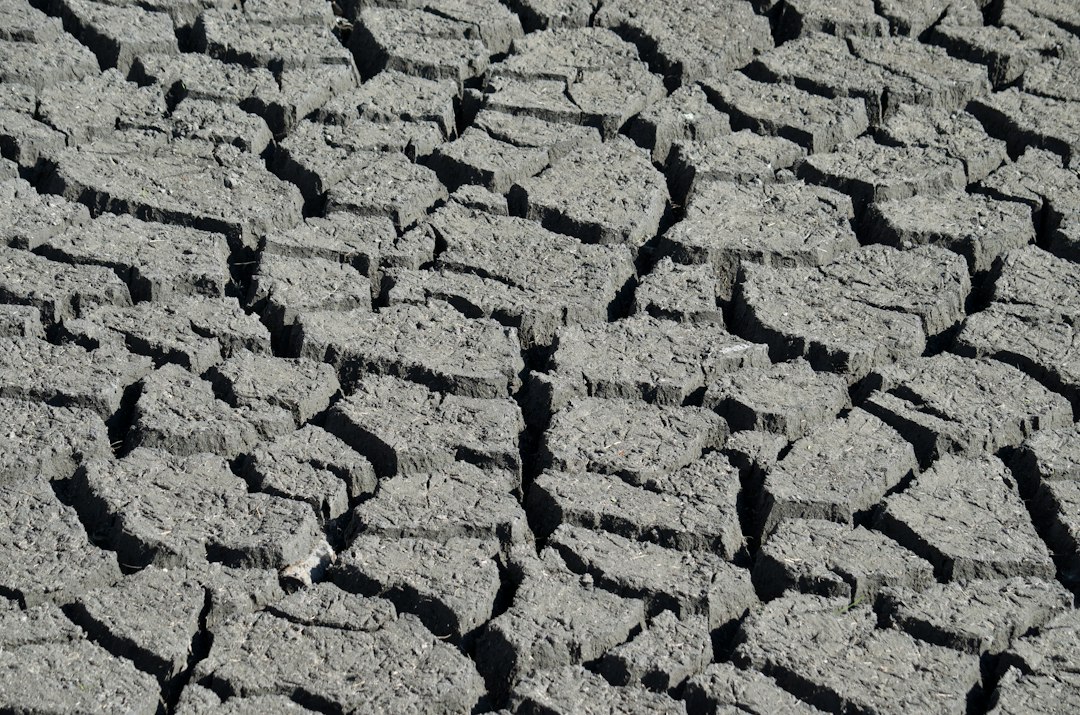
The Earth’s crust, a seemingly solid and immutable shell, is in a constant state of flux. Beneath the familiar continents and vast oceans lies a dynamic system of tectonic plates, engaged in a slow but relentless dance that reshapes our planet over geological timescales. Among the most dramatic of these transformations is continental breakup, a process that carves new oceans from solid landmasses, altering coastlines and fundamentally rewiring global geography. This article will delve into the fascinating journey of continental breakup, tracing its origins from the fracturing of supercontinents to the birth of new ocean basins.
Continental breakup is not a sudden event but a protracted process that begins with the weakening and eventual fracturing of continental lithosphere. This immense scale of geological activity is driven by forces deep within the Earth’s mantle, which exert immense pressure and heat on the overlying crust. Understanding the initial stages of this colossal undertaking is crucial to appreciating the entire phenomenon.
Mantle Plumes and the Upwelling of Heat
One of the primary drivers of rifting is the influence of mantle plumes. These are columns of exceptionally hot rock that rise from deep within the Earth’s mantle, often originating near the core-mantle boundary. As a mantle plume ascends, it heats and thins the overlying lithosphere. This thermal weakening makes the crust more susceptible to stretching and fracturing.
The Hotspot Hypothesis
The “hotspot hypothesis” proposes that many continental rifts are initiated above mantle plumes. These plumes act like a colossal blowtorch, melting and weakening the lithosphere from below. Evidence for this can be seen in regions like the East African Rift Valley, where volcanic activity is widespread, a direct consequence of magma rising from the mantle. The heat from the plume not only thins the lithosphere but also causes it to swell upwards, creating a dome-like structure.
Asthenospheric Flow and Lithospheric Stretching
Beyond localized hotspots, broader patterns of asthenospheric flow within the Earth’s mantle can also play a role. Convection currents in the asthenosphere, the semi-fluid layer beneath the lithosphere, can exert drag on the overlying tectonic plates. This drag can lead to widespread stretching and thinning of the continental lithosphere over vast areas. The forces involved are immense, acting over millions of years to pull apart even the thickest continental crust.
The Weakening Zones: Pre-existing Faults and Structural Anisotropies
The Earth’s crust is not a uniform block. It is crisscrossed by a network of pre-existing faults and zones of structural weakness. These ancient fractures, often formed during previous tectonic events, represent areas where the rock is already fractured and weaker. When the forces of continental breakup begin to act, these pre-existing weaknesses become the preferential sites for the initiation of new fractures and rifts.
Inherited Structures from Past Tectonic Regimes
The geological history of a continent is replete with evidence of past collisions, rifting events, and mountain-building episodes. These events leave behind a legacy of faults, shear zones, and areas of reduced lithospheric strength. When a new rifting event is initiated, these inherited structures provide natural pathways for the propagating fractures, guiding the direction and geometry of the developing rift system.
The Role of Lithospheric Strength Variations
The lithosphere is not uniform in its strength. Variations in rock composition, temperature, and the presence of fluids can create zones of higher and lower resistance to deformation. Areas with weaker rock or higher temperatures will fracture more easily. These variations can be influenced by factors like ancient volcanic intrusions or sedimentary basins, which can alter the mechanical properties of the crust.
The process of continental breakup leading to ocean formation is a fascinating aspect of plate tectonics that has shaped our planet’s geography over millions of years. For a deeper understanding of this phenomenon, you can explore the article titled “The Journey of Continents: From Breakup to Ocean Formation” available at this link. This article delves into the mechanisms behind continental drift and the subsequent creation of ocean basins, providing insights into the geological forces that continue to influence Earth’s landscape today.
The Stages of Rifting: From Continent to Ocean Basin
Once the continental lithosphere begins to stretch and fracture, a series of distinct stages unfolds, gradually transforming a solid landmass into a nascent ocean basin. This process is a testament to the slow but inexorable power of plate tectonics.
Initial Doming and Subsidence
The initial stage of rifting is often characterized by the upwelling of hot mantle material, which causes the overlying lithosphere to dome upwards. This uplift is accompanied by a thinning of the lithosphere, which in turn leads to isostatic subsidence. As the crust stretches and thins, it becomes less buoyant and begins to sink.
The Formation of Horst and Graben Structures
As the continental lithosphere is stretched, it begins to break along normal faults. Blocks of crust that are uplifted between faults are called horsts, while down-dropped blocks are called grabens. These characteristic horst and graben structures are the hallmark of the early stages of continental rifting and create a rugged, mountainous landscape within the rift valley.
Volcanic Activity and the Intrusion of Magma
The thinning and fracturing of the lithosphere allow molten rock (magma) from the mantle to rise towards the surface. This can lead to widespread volcanic activity, including the eruption of basaltic lava flows and the formation of volcanic cones. Magma can also intrude into the crust as dikes and sills, further weakening and fracturing the rock.
The Development of a Rift Valley
As the rifting progresses, the grabens deepen and widen, forming a prominent rift valley. This valley is characterized by steep walls and a relatively flat floor, often filled with sediments eroded from the surrounding highlands. The continued stretching and thinning of the lithosphere lead to further subsidence, creating a depression that can eventually fill with water.
Sediment Accumulation and the Formation of Lakes
Within the deepening rift valley, sediments eroded from the surrounding horsts begin to accumulate. These sediments can be terrestrial, such as sand and gravel, or aquatic, if the rift valley starts to fill with lakes. The sedimentary record within rift valleys provides invaluable clues about the environmental conditions and tectonic history of the region.
Continued Volcanism and the Formation of New Crust
Volcanic activity often continues throughout the rift valley stage, with eruptions feeding lava flows and contributing to the buildup of volcanic landforms. Crucially, some of the rising magma can reach the surface and erupt, creating new basaltic crust. This marks a significant step towards oceanic crust formation.
Oceanization: The Birth of a New Ocean Basin
The ultimate stage of continental breakup is oceanization, where the rift valley evolves into a full-fledged ocean basin. This transition is marked by the formation of oceanic crust and the widening of the nascent ocean.
The Formation of Oceanic Crust
As the continental lithosphere stretches beyond a critical point, the crust becomes so thin that the asthenosphere is exposed at the surface. The hot mantle then erupts, forming new, denser oceanic crust made primarily of basalt. This process is similar to seafloor spreading at mid-ocean ridges.
The Development of a Mid-Ocean Ridge
The creation of oceanic crust is typically accompanied by the formation of a mid-ocean ridge. This is a submarine mountain range where new oceanic crust is continuously generated as tectonic plates move apart. The mid-ocean ridge acts as the engine of seafloor spreading, driving the widening of the ocean basin.
The Separation of Continents
As seafloor spreading continues, the newly formed oceanic crust pushes the continental fragments further apart. Eventually, the rift becomes a wide ocean, with continental margins on either side. The original landmass has been successfully broken apart, giving rise to a new ocean.
Case Studies in Continental Breakup: Witnessing the Process
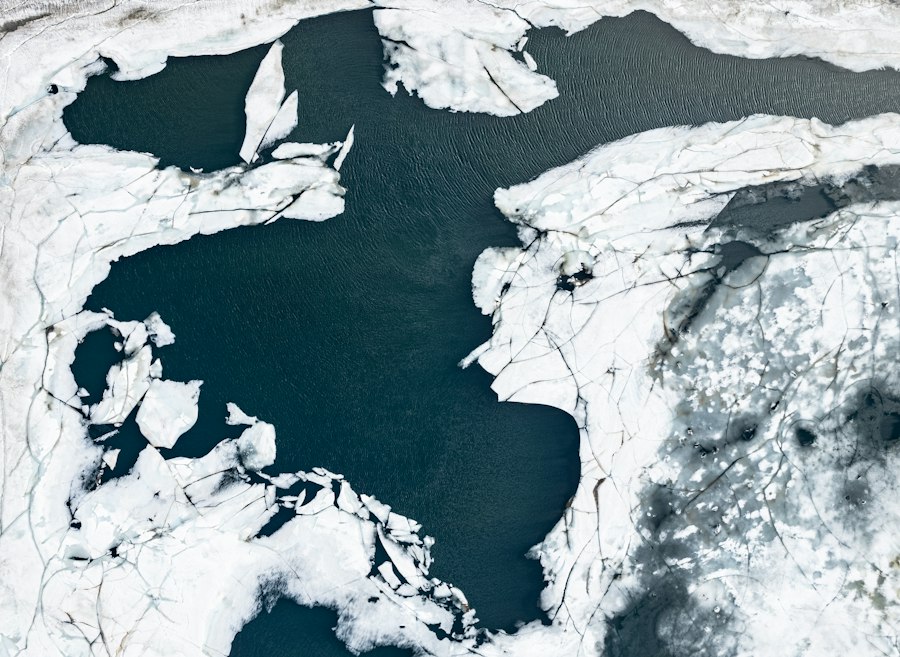
The Earth’s history is punctuated by numerous instances of continental breakup, each offering unique insights into this powerful geological process. Examining these case studies allows us to witness the theory in action and understand the diverse manifestations of continental rifting.
The East African Rift Valley: A Present-Day Laboratory
The East African Rift Valley stands as one of the most active and accessible examples of continental rifting on Earth. This vast geological feature stretches for thousands of kilometers across eastern Africa and is a testament to ongoing continental breakup.
Signs of Active Rifting
The rift valley is characterized by a series of deep depressions, volcanic mountains, and numerous earthquakes. Extensive volcanic activity, including the formation of calderas and lava flows, is a prominent feature. The ground in some areas is slowly subsiding, and new hot springs and geysers are continuously forming.
The Future of the East African Rift
Scientists believe that the East African Rift is on track to eventually form a new ocean. As the rift continues to widen and oceanic crust forms, the African continent is expected to split into two smaller landmasses, separated by a new ocean basin. This process, however, will take millions of years.
The Red Sea and the Gulf of Aden: Nascent Oceans
The Red Sea and the Gulf of Aden represent more advanced stages of continental breakup, where the process has progressed significantly towards ocean formation. These bodies of water are essentially young oceans, still in their infancy.
Red Sea: A Developing Ocean Basin
The Red Sea is characterized by a central rift valley that exhibits features of active seafloor spreading. Evidence suggests that oceanic crust is actively forming along a spreading axis. The flanking continental margins are showing signs of thinning and subsidence, consistent with ongoing rifting.
Gulf of Aden: An Extension of the Rift System
The Gulf of Aden is geologically similar to the Red Sea and is considered an extension of the same rifting system. It represents a zone where the Arabian Plate is pulling away from the African Plate, leading to the formation of new oceanic crust and the widening of the basin.
The Atlantic Ocean: A Mature Ocean Basin Born from Breakup
The Atlantic Ocean, a vast and familiar expanse of water, is the result of one of the most significant continental breakup events in Earth’s history: the separation of the supercontinent Pangaea.
The Breakup of Pangaea
Millions of years ago, all the Earth’s continents were joined together in a single supercontinent called Pangaea. The forces of plate tectonics began to pull Pangaea apart, initiating rifting. The Atlantic Ocean basin was born from the rift that formed between the North American, South American, African, and European continents.
Seafloor Spreading and Continental Drift
The process of seafloor spreading at the Mid-Atlantic Ridge has continuously pushed the continents apart, leading to the widening of the Atlantic Ocean. This ongoing process is responsible for the current positions of the continents and the vast distances that separate them.
The Driving Forces: Mantle Dynamics and Plate Tectonics
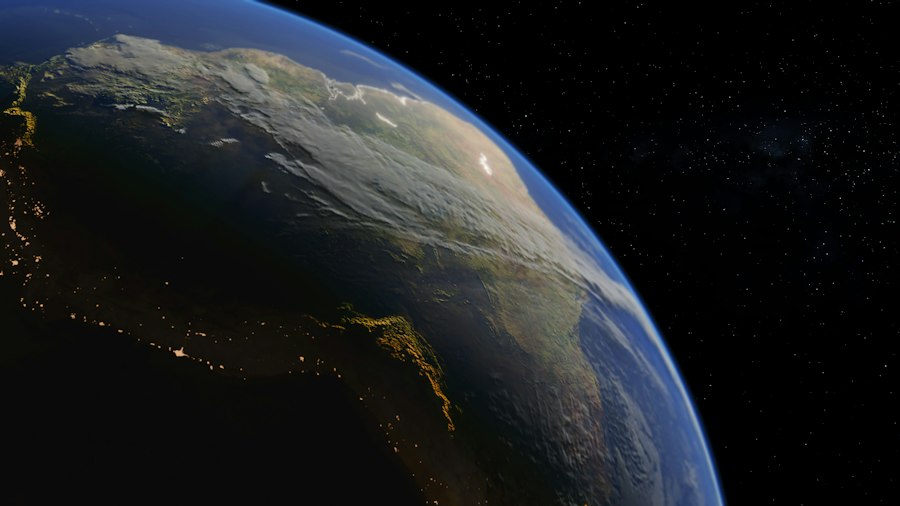
The entire phenomenon of continental breakup is ultimately driven by the powerful and complex dynamics within the Earth’s mantle, acting in concert with the overarching framework of plate tectonics.
Convection Currents in the Mantle
The Earth’s mantle is in a state of slow but continuous convection. Hotter, less dense material rises from the deep mantle, while cooler, denser material sinks. These convection currents exert forces on the overlying tectonic plates, causing them to move, collide, and pull apart.
Plume-Driven Rifting
As previously mentioned, mantle plumes are a significant factor in initiating rifting. Their intense heat can weaken and thin the lithosphere, creating the initial structural weaknesses that lead to fragmentation.
Ridge Push and Slab Pull
Two major forces drive plate motion: “ridge push” and “slab pull.” Ridge push occurs at mid-ocean ridges, where the elevated ridge crest pushes the oceanic plates away. Slab pull is a more powerful force, generated by the gravitational pull of dense, sinking oceanic lithosphere at subduction zones, dragging the rest of the plate along with it. These forces are indirectly responsible for continental breakup by influencing the overall movement of tectonic plates.
The Role of Tectonic Plate Boundaries
Continental breakup is intimately linked to the nature and evolution of plate boundaries. While breakup typically begins within a continental plate, the forces that drive it are often related to the interactions between plates at their boundaries.
Divergent Plate Boundaries
The ultimate consequence of continental breakup is the formation of divergent plate boundaries, where new oceanic crust is created. The process of rifting is essentially the precursor to the establishment of a new divergent boundary.
Transform Faults and Fracture Zones
As continents begin to separate, transform faults can develop. These are strike-slip faults where plates slide past each other. In oceanic settings, these transform faults connect segments of mid-ocean ridges and are known as fracture zones. They play a crucial role in accommodating the differential spreading rates across a developing ocean basin.
The process of continental breakup leading to ocean formation is a fascinating topic that sheds light on the dynamic nature of our planet. As tectonic plates shift and separate, they create rift valleys that can eventually evolve into ocean basins. For a deeper understanding of this geological phenomenon, you can explore a related article that discusses the intricacies of plate tectonics and its role in shaping Earth’s surface. To learn more about this captivating subject, visit this article which provides valuable insights into the mechanisms behind continental breakup and ocean formation.
The Consequences of Continental Breakup: Reshaping the Planet
| Stage | Description | Timeframe (Million Years Ago) | Key Processes | Resulting Features |
|---|---|---|---|---|
| Rifting | Initial stretching and thinning of continental crust | ~200 – 150 | Crustal extension, faulting, volcanic activity | Rift valleys, fault-block mountains |
| Continental Breakup | Continental crust splits into separate blocks | ~150 – 130 | Continued extension, formation of new faults | Linear basins, narrow seas |
| Initial Ocean Formation | Seafloor spreading begins, oceanic crust forms | ~130 – 100 | Mid-ocean ridge development, basaltic volcanism | Young ocean basins, new oceanic crust |
| Ocean Basin Expansion | Ocean widens as seafloor spreading continues | ~100 – Present | Seafloor spreading, sediment deposition | Mature ocean basins, passive continental margins |
The impact of continental breakup extends far beyond the immediate fracturing of landmasses. It has profound and lasting consequences for global climate, oceanography, biodiversity, and the distribution of resources.
Changes in Global Climate Patterns
The opening and closing of ocean gateways have a significant influence on global ocean circulation and, consequently, on climate. The formation of new oceans can alter heat distribution across the planet, leading to shifts in atmospheric circulation and regional climate patterns.
Ocean Circulation and Heat Transport
New ocean basins provide pathways for ocean currents to transport heat from the equator towards the poles. Changes in the configuration of continents and oceans can disrupt or enhance these currents, leading to significant climatic shifts. For example, the opening of the Drake Passage between South America and Antarctica played a crucial role in the formation of the Antarctic ice sheet.
Sea Level Fluctuations
The creation of new oceanic crust and the changing geometry of continental margins can also influence global sea levels over geological timescales.
The Formation of New Marine Ecosystems
The birth of new oceans creates vast new habitats for marine life. As continents separate and the ocean widens, marine organisms can disperse and evolve in isolation, leading to the development of unique and diverse ecosystems.
Endemism and Speciation
The geographical isolation imposed by newly formed oceans can foster endemism, where species are found only in a particular region. Over time, this isolation can lead to speciation, the evolution of new species from a common ancestor.
The Impact on Marine Biodiversity
The creation of new ocean basins has been a major driver of marine biodiversity throughout Earth’s history, providing opportunities for life to diversify and colonize new environments.
Distribution of Resources and Geohazards
Continental breakup profoundly influences the distribution of natural resources and the occurrence of geological hazards.
Hydrocarbon Exploration
Rift valleys are often associated with the accumulation of thick sequences of sedimentary rocks, which can trap hydrocarbons like oil and natural gas. Many of the world’s major oil and gas fields are located in ancient rift basins.
Volcanic Activity and Earthquakes
The process of rifting is inherently linked to volcanic activity and seismic events. The areas undergoing active rifting are often prone to earthquakes and volcanic eruptions, posing geohazards to human populations.
In conclusion, continental breakup is a fundamental geological process that has shaped and continues to shape our planet. From the initial weakening of ancient crust to the vast expanse of new oceans, this journey is a testament to the dynamic forces at play beneath our feet. Understanding continental breakup is not merely an academic pursuit; it is crucial for comprehending Earth’s history, predicting future geological events, and appreciating the interconnectedness of our planet’s systems. The slow, deliberate tearing apart of continents is a constant reminder that the ground we stand on is not static but a fluid and ever-changing entity.
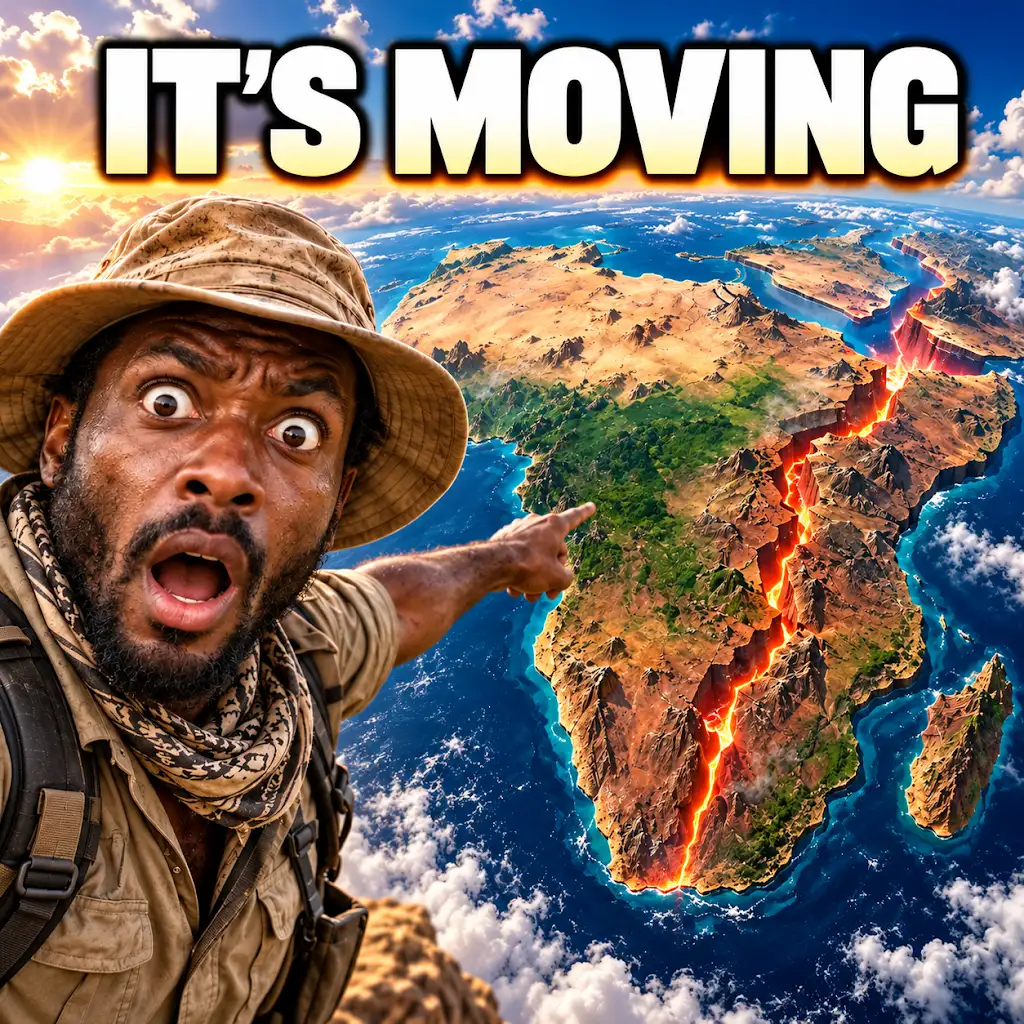
Africa Is Splitting Apart — And a New Ocean Could Be Next
FAQs
What is continental breakup?
Continental breakup is the process by which a continent splits apart, leading to the formation of new ocean basins.
What are the main factors that contribute to continental breakup?
The main factors that contribute to continental breakup include tectonic forces, such as the movement of tectonic plates, and the presence of hotspots or mantle plumes beneath the Earth’s crust.
How does continental breakup lead to ocean formation?
During continental breakup, the crust thins and eventually breaks apart, creating a gap that is filled with magma from the mantle. As the magma solidifies, it forms new oceanic crust, leading to the formation of a new ocean basin.
What are some examples of continental breakup leading to ocean formation?
One of the most well-known examples of continental breakup leading to ocean formation is the breakup of Pangaea, which eventually led to the formation of the Atlantic Ocean. Another example is the breakup of Gondwana, which led to the formation of the Indian Ocean.
How long does the process of continental breakup to ocean formation typically take?
The process of continental breakup to ocean formation can take millions of years to complete, as it involves complex geological processes such as rifting, seafloor spreading, and the cooling and solidification of magma.