
Here is an article comparing high silica sand and construction aggregate, written in the third person and adhering to your specifications:
When considering materials for a multitude of projects, from the intricate to the industrial, the selection often hinges on the properties of the constituent elements. Two such commonly encountered and vital materials are high silica sand and construction aggregate. While both serve as foundational components in various applications, their distinct geological origins, chemical compositions, physical characteristics, and resultant functionalities create a clear divergence in their suitability for specific purposes. Understanding these differences is akin to a chef understanding the nuances between different types of flour; one may be excellent for delicate pastries, while the other is robust enough for hearty bread.
High silica sand, often recognized for its purity and specific grain characteristics, is a granular material primarily composed of silicon dioxide (SiO₂). The defining feature of this material is its exceptionally high percentage of silica, typically exceeding 95%, and often reaching 99%. This purity is not a matter of chance; it is the result of geological processes that have meticulously refined the quartz crystals over eons.
Geological Formations and Origin
The genesis of high silica sand is intrinsically linked to the weathering and erosion of quartz-rich rocks, such as granite and sandstone. Over vast stretches of geological time, these parent rocks are subjected to the relentless forces of nature: the abrasive action of wind and water, the freeze-thaw cycles of temperature, and the chemical breakdown of less resistant minerals. This relentless process acts as a natural sieve and polisher.
Weathering and Erosion Processes
The breakdown of parent rock is the initial step. Physical weathering mechanically fragments the rock, while chemical weathering alters its mineral composition. As the fragments are transported by rivers, glaciers, or wind, collisions with other particles and abrasion against bedrock further break them down. Minerals other than quartz, being generally less resistant to these forces, are preferentially worn away or dissolved, leaving the durable quartz grains behind. The prolonged transport and deposition in environments like ancient riverbeds, ocean floors, and ancient lakebeds allow for the sorting and purification of these quartz grains.
Sedimentary Environments
The conditions under which these silica grains are deposited play a crucial role in their eventual purity and uniformity. Environments with high energy, such as fast-flowing rivers or the surf zones of oceans, can effectively winnow out lighter, less durable minerals, leaving behind the denser, more resilient silica. Repeated cycles of deposition, burial, and erosion can further concentrate the silica content over geological epochs. The geological history of a deposit – its formation, uplift, erosion, and redeposition – dictates the quality and availability of high silica sand.
Chemical Composition and Purity
The hallmark of high silica sand is its remarkable chemical purity. The dominant constituent is silicon dioxide (SiO₂), a stable and inert compound. The absence of significant impurities, such as iron oxides, clay minerals, or feldspars, is what elevates this sand from common geological deposits to a specialized material.
Silicon Dioxide (SiO₂) as the Primary Component
Silicon dioxide is a simple compound but forms the backbone of many silicate minerals. In its crystalline form, as present in quartz, it exhibits exceptional hardness and chemical stability. The high percentage of SiO₂ in this type of sand means that it is less reactive than sands with higher concentrations of other minerals, which can be a critical advantage in certain applications.
Impact of Impurities on Properties
Even small percentages of impurities can significantly alter the properties of sand. Iron oxides, for instance, can impart a reddish or yellowish hue and can affect its suitability for applications requiring color neutrality, such as glass manufacturing. Clay minerals can increase its plasticity when wet and its tendency to bind, which is undesirable in applications focused on drainage or inert filler. Feldspars, common in many sands, are more prone to weathering than quartz and can introduce alkalinity. Therefore, the low impurity profile of high silica sand is paramount to its specialized uses.
Physical Characteristics
Beyond its chemical makeup, the physical attributes of high silica sand are critical to its performance. These include grain size distribution, shape, color, and hardness.
Grain Size Distribution and Uniformity
The size of the sand grains, often measured using mesh sieves, is a crucial parameter. High silica sand deposits are often characterized by a relatively uniform grain size distribution, meaning most grains fall within a narrow range. This uniformity contributes to predictable packing densities and flow characteristics. A well-graded sand, conversely, would contain a wider range of particle sizes, allowing for denser packing. For applications where flowability and consistent void space are paramount, a uniform grain size is often preferred.
Grain Shape
The shape of sand grains can vary from angular to rounded. Grains from high silica sand deposits that have undergone extensive transport will tend to be more rounded due to the abrasion experienced during their journey. Rounded grains generally exhibit better flowability and pack more easily than angular grains, which can interlock and create frictional resistance. The specific application will often dictate the preferred grain shape.
Color and Whiteness
The color of high silica sand is typically a pale white or off-white, a direct consequence of its low iron content. This characteristic is vital for industries where color is an important aesthetic or functional consideration, such as in the production of clear glass or light-colored coatings. Any deviation towards yellow, red, or brown usually indicates the presence of iron oxides.
Hardness and Durability
Quartz, the primary component of high silica sand, is known for its hardness, ranking 7 on the Mohs scale of mineral hardness. This inherent hardness makes it resistant to abrasion and crushing, ensuring its structural integrity in demanding applications. This durability means it will not readily break down or degrade under stress, maintaining its defining properties over time.
In the ongoing debate between high silica sand and traditional construction aggregate, an insightful article can be found that delves into the properties, applications, and benefits of each material. This article provides a comprehensive comparison, highlighting how high silica sand can enhance the performance of concrete while also addressing environmental concerns associated with aggregate mining. For more detailed information, you can read the article here: High Silica Sand vs. Construction Aggregate.
Exploring Construction Aggregate
Construction aggregate, often referred to as simply “aggregate” or “gravel,” is a broad category of granular materials used in construction, typically sourced from crushed rock, natural sand and gravel, and recycled materials. Unlike high silica sand, construction aggregate is not defined by a single chemical composition but rather by its functional role in providing bulk, strength, and stability to construction projects.
Sources and Types of Construction Aggregate
The diversity of construction aggregate reflects the varied geological formations and material availability across different regions. This material is the workhorse of the construction industry, providing the foundational mass for everything from roads to buildings.
Crushed Stone
Crushed stone is a primary source of aggregate. It is produced by mechanically crushing larger rocks that are quarried from bedrock. The type of rock quarried will determine the properties of the resulting aggregate.
Igneous Rocks (e.g., Granite, Basalt)
Igneous rocks, formed from the cooling and solidification of molten magma or lava, are often used for high-quality aggregate. Granite, with its interlocking crystals, provides excellent strength and durability. Basalt, a fine-grained volcanic rock, is also exceptionally hard and resistant to abrasion, making it ideal for demanding applications like road surfaces subjected to heavy traffic. These rocks provide a robust skeletal structure for concrete and asphalt.
Sedimentary Rocks (e.g., Limestone, Sandstone)
Sedimentary rocks, formed from the accumulation and cementation of mineral and organic particles, also serve as aggregate. Limestone is widely used due to its abundance and ease of crushing. Its properties can vary; some limestones are very dense and strong, while others are more porous. Sandstone, though also a sedimentary rock, might be less desirable if its cementation is weak or if it contains significant amounts of clay. The character of these rocks is often a reflection of their original depositional environment.
Metamorphic Rocks (e.g., Marble, Slate)
Metamorphic rocks, formed by the transformation of existing rock types under heat and pressure, are also utilized. Marble, a recrystallized limestone, and slate, a metamorphosed shale, can be used as aggregate, though their applications might be more specialized due to their properties or cost.
Natural Sand and Gravel
This category encompasses unconsolidated deposits of sand and gravel found in riverbeds, lakes, and coastal areas. These materials have been naturally rounded and sorted by water action, offering a ready-to-use aggregate. The composition of natural sand and gravel deposits is highly variable, often containing a mix of rock fragments and mineral grains.
River and Beach Deposits
Materials from riverbeds and beaches are often well-rounded and sorted. The degree of rounding will depend on the distance of transport and the energy of the water. These deposits can be a convenient source of both sand and larger gravel fractions.
Glacial Deposits
Glacial till, deposited by melting glaciers, can be a rich source of aggregate. These deposits are often unsorted and can contain a wide range of particle sizes, from fine silt to large boulders, along with a variety of rock types. Subsequent processing may be required to achieve the desired particle sizes and gradations.
Recycled Materials
The growing emphasis on sustainability has led to the increased use of recycled materials as aggregate. These can include crushed concrete, asphalt pavement, and reclaimed masonry.
Crushed Concrete
Old concrete structures are crushed and screened to produce aggregate for new concrete mixes, road bases, and fills. This process diverts landfill waste and reduces the need for virgin materials. The quality of recycled concrete aggregate depends heavily on the quality of the original concrete and the processing methods.
Crushed Asphalt
Reclaimed asphalt pavement (RAP) is crushed and incorporated into new asphalt mixes, a process known as hot-in-place recycling or cold-in-place recycling. This extends the life of asphalt materials and reduces resource consumption.
Chemical Composition and Characteristics
The chemical composition of construction aggregate is highly variable and depends entirely on its source. Unlike high silica sand, there is no single chemical target to achieve. The focus is on the physical and mechanical properties that contribute to structural integrity and performance.
Variability Based on Source Rock
As previously noted, the chemical makeup of aggregate directly reflects the parent rock. Limestone, for example, is rich in calcium carbonate (CaCO₃). Igneous rocks will have varying proportions of silica, alumina, iron, and alkalis depending on their specific mineralogy. This variability means that the reactivity and durability of aggregate can differ significantly.
Role of Chemical Properties in Performance
While not as critical as in specialized applications, the chemical properties of aggregate can influence performance. For instance, the presence of reactive silica in some aggregates can lead to deleterious alkali-silica reactions (ASR) in concrete, causing expansion and cracking. Conversely, the presence of certain minerals might enhance the cementitious properties of a mix. The goal is usually to select aggregate that is geochemically stable within the intended application and does not contribute to premature deterioration.
Physical Characteristics
Similar to high silica sand, the physical characteristics of construction aggregate are paramount to its function, but the desired attributes are often different.
Size, Shape, and Gradation
The size, shape, and gradation (the distribution of particle sizes) of construction aggregate are critical design parameters. Different applications require different gradations and particle shapes to achieve optimal packing density, strength, and workability.
Particle Size and Classification
Aggregate is classified by size into different categories, such as gravel (larger than 4.75 mm), coarse aggregate (typically retained on a 4.75 mm sieve), and fine aggregate (passing a 4.75 mm sieve, which can include natural sand).
Angular vs. Rounded Grains
For applications requiring interlocking and good frictional resistance, such as base layers for roads, angular crushed stone is often preferred. Rounded gravel, on the other hand, is useful in concrete mixes where a smooth flow is desired and where interparticle friction is less of a primary concern.
Compaction and Void Content
The gradation of aggregate dictates how well it can be compacted and the resulting void content. Well-graded aggregate, containing a wide range of particle sizes, can pack very densely, minimizing voids and maximizing strength. Poorly graded aggregate will have larger void spaces, which can be detrimental to structural integrity and can allow for water infiltration.
Hardness and Durability
The hardness and durability of aggregate are vital for its ability to withstand the stresses of construction and its service life. Materials that are prone to crushing, abrasion, or breakdown will compromise the structural integrity of the final product.
Abrasion Resistance
Aggregate used in road surfaces, for example, must be highly resistant to abrasion from vehicular traffic. Crushed igneous rocks like basalt and granite are often chosen for their excellent abrasion resistance.
Crushing Strength
The ability of aggregate to resist crushing under load is essential, particularly in concrete and asphalt mixes. Materials like dense igneous rocks and some well-cemented sedimentary rocks possess high crushing strengths.
Specific Gravity and Absorption
These properties influence the density and water-holding capacity of the aggregate, which are important for mix design calculations and performance.
Comparing Key Properties and Applications
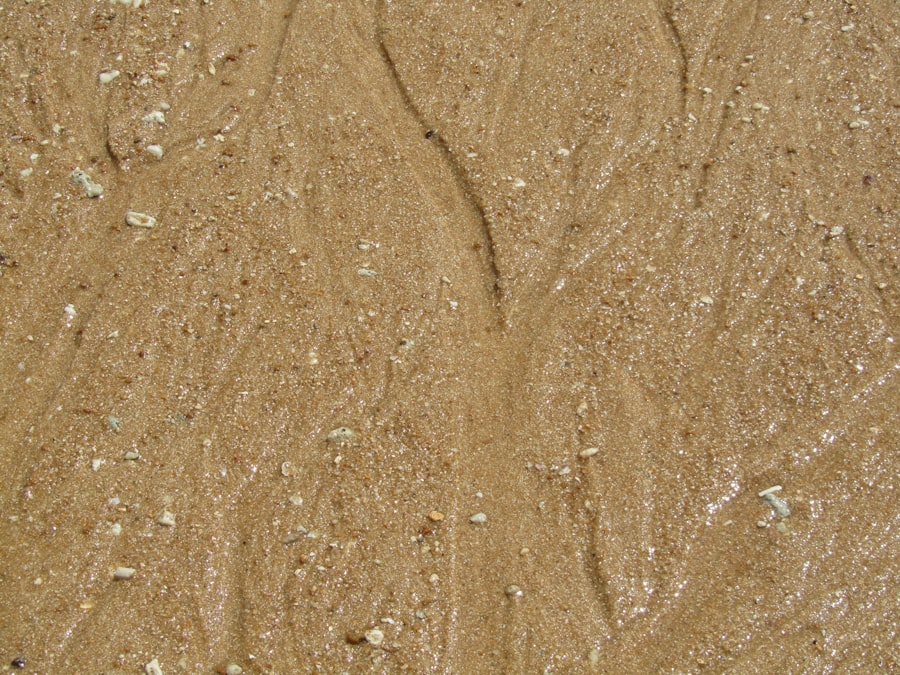
The dichotomy between high silica sand and construction aggregate becomes most apparent when examining their typical applications, which are directly dictated by their contrasting properties.
Applications of High Silica Sand
The purity and consistent characteristics of high silica sand lend themselves to applications where inertness, color neutrality, and specific particle properties are paramount.
Glass Manufacturing
This is perhaps the most well-known application of high silica sand. Its high SiO₂ content, coupled with its purity, makes it the primary ingredient in the production of virtually all types of glass, from window panes to intricate glassware. The silicon dioxide melts and forms the glassy matrix. Impurities like iron can color the glass, making pure silica sand essential for clear glass.
Foundry Sands
In foundries, high silica sand is used to create molds and cores for casting metals. Its ability to withstand high temperatures without deforming or reacting with molten metal is critical for producing intricate metal parts. The sand grains are mixed with binders to create a strong, refractory mold.
Filtration Media
The uniform particle size and inertness of high silica sand make it an excellent material for filtration processes. It is used in water treatment plants to remove suspended solids and impurities. Its well-defined pore structure ensures efficient filtration.
Abrasives
Due to its hardness, high silica sand is used in various abrasive applications, including sandblasting to clean surfaces and in the manufacturing of abrasive papers and wheels.
Other Specialized Uses
High silica sand also finds applications in golf course bunkers, oil and gas well fracturing (frac sand), roofing shingles, and as a filler in paints and plastics where its inertness and consistency are valued.
Applications of Construction Aggregate
Construction aggregate, by its very nature, is designed to provide bulk, strength, and structural integrity to civil engineering projects.
Concrete Mixes
Aggregate, both coarse and fine, forms the bulk of concrete, providing its compressive strength and volume. The type and gradation of aggregate significantly influence the properties of the concrete. A well-chosen aggregate is an essential skeletal component of concrete.
Asphalt Pavements
In asphalt mixes, aggregate provides the structural framework and wear surface for roads and other paved areas. The aggregate’s resistance to abrasion and its ability to interlock are crucial for the durability of asphalt.
Road Base and Sub-base Materials
Unbound aggregate layers are critical for supporting pavements and distributing loads in road construction. These layers prevent the movement of underlying soil and provide a stable foundation.
Fill Materials
Aggregate is used as fill material in various construction scenarios, such as creating embankments, leveling sites, and backfilling trenches. Its ability to be compacted to a stable density is key.
Mortars and Grouts
Fine aggregate (sand) is a key component of mortars used for bricklaying and plastering, and of grouts used for filling gaps and voids.
Direct Comparison of Properties and Suitability
The differences in their composition and physical attributes lead to distinct suitability profiles.
Purity vs. Bulk Volume
High silica sand is valued for its purity, which dictates its performance in specific, often sensitive, applications. Construction aggregate, on the other hand, is valued for its ability to provide bulk and structural support at a relatively lower cost, and its purity is less of a primary concern than its mechanical properties and availability.
Inertness and Reactivity
The high inertness of high silica sand is crucial for applications like glassmaking and foundry molds where reactivity with other materials is undesirable. While construction aggregate aims for stability, some level of reaction can be tolerated or even beneficial (e.g., in certain concrete admixtures), and the absence of deleterious reactive components is more important than universal inertness.
Cost and Availability
Generally, construction aggregate is more abundant and therefore less expensive than high silica sand. The extensive geological processes required to achieve the high purity of silica sand contribute to its higher cost. This economic factor is a significant driver in material selection for large-scale construction projects.
Mechanistic vs. Chemical Performance
The performance of high silica sand is often driven by its chemical inertness and crystalline structure. The performance of construction aggregate is predominantly a function of its physical and mechanical properties, such as strength, durability, and particle shape, all of which contribute to its ability to bear load and resist deformation.
Factors Influencing Material Selection

The choice between high silica sand and construction aggregate, or even specific types within each category, is a decision driven by a confluence of technical requirements, economic considerations, and project specifications.
Project Demands and Performance Requirements
The fundamental determinant of which material to use is the performance demanded by the project. For a clear glass window, the purity of silica sand is non-negotiable. For a highway embankment, the strength and load-bearing capacity of a well-graded crushed stone aggregate are paramount. A project requiring a stable, inert filler might lean towards silica sand, while a project needing a strong, volumetrically stable base layer will opt for appropriate construction aggregate.
Strength and Load-Bearing Capacity
Projects requiring significant load-bearing capacity, such as foundations, bridges, and heavy-duty pavements, will prioritize aggregates that offer high crushing strength and excellent interparticle friction, often favoring angular crushed stone.
Chemical Stability and Inertness
Applications where chemical reactions could be detrimental, such as in the production of purified chemicals, certain electronic components, or specialized coatings, will demand the inertness provided by high silica sand.
Thermal Properties
In applications involving extreme temperatures, such as refractories or certain industrial processes, the thermal stability of silica-based materials or specialized refractory aggregates will be critical.
Aesthetic Considerations
For applications where appearance is important, such as decorative concrete, landscaping, or architectural finishes, the color and uniformity of the aggregate or sand become significant factors. High silica sand’s inherent whiteness makes it suitable for light-colored finishes.
Economic Viability and Availability
The cost and local availability of materials play a substantial role in decision-making, especially for large-scale projects.
Sourcing Costs and Transportation
The proximity of a material source to the project site is a major cost factor. High silica sand deposits are often more geographically restricted and may require extensive transportation, increasing their delivered cost. Construction aggregate, being more widely available, often offers a more economical choice, particularly when sourced locally.
Processing and Preparation Costs
While high silica sand is often used in a relatively processed state, construction aggregate may require significant processing, including crushing, screening, and washing, to meet specific gradation and cleanliness requirements. These processing costs must be factored into the overall economic analysis.
Quantity Requirements
For projects requiring vast quantities of material, such as major road construction or large concrete structures, the sheer volume of aggregate needed often makes it the only economically feasible option compared to the more specialized and costly high silica sand.
Environmental and Regulatory Considerations
Increasingly, environmental impact and regulatory compliance are becoming significant factors in material selection.
Sustainability and Recycled Content
The use of recycled construction aggregates aligns with sustainability goals and can reduce landfill waste. Regulations may encourage or mandate the incorporation of recycled materials.
Environmental Impact of Extraction
The extraction of both high silica sand and construction aggregate can have environmental impacts, including habitat disruption and potential water contamination. Responsible sourcing and mitigation strategies are essential.
Permitting and Zoning
The location and extraction methods of both materials are subject to local zoning laws and environmental permits, which can influence availability and cost.
In the ongoing debate about the suitability of high silica sand versus traditional construction aggregate, a recent article provides valuable insights into the unique properties and applications of these materials. The article highlights how high silica sand can enhance the strength and durability of concrete, making it a compelling choice for modern construction projects. For more detailed information on this topic, you can read the full article here. Understanding the differences between these materials is crucial for making informed decisions in construction and engineering.
Future Trends and Innovations
| Property / Metric | High Silica Sand | Construction Aggregate |
|---|---|---|
| Primary Composition | Quartz (SiO₂) – typically 95% or higher | Mixed rock fragments (limestone, granite, basalt, etc.) |
| Silica Content | High (above 90%) | Low to moderate (varies widely) |
| Grain Size | Fine to medium sand (0.1 – 2 mm) | Coarse sand, gravel, crushed stone (2 mm to 64 mm) |
| Typical Uses | Glass manufacturing, foundry molds, water filtration, ceramics | Concrete production, road base, asphalt, drainage |
| Hardness (Mohs scale) | 7 (quartz) | Varies (3-7 depending on rock type) |
| Density (g/cm³) | 2.65 | 2.4 – 2.9 (depending on material) |
| Durability | High (resistant to weathering and chemical attack) | Moderate to high (depends on rock type) |
| Cost | Higher due to purity and processing | Lower, widely available |
| Environmental Impact | Extraction can cause habitat disruption; requires processing | Extraction impacts vary; often recycled materials used |
The continuous evolution of technology and material science suggests that the roles and applications of both high silica sand and construction aggregate will continue to be refined and expanded.
Advancements in Processing Technologies
Improvements in processing technologies are enabling the more efficient extraction and refinement of both high silica sand and construction aggregate. This could lead to the development of new grades with enhanced properties or the utilization of previously uneconomical sources.
Enhanced Purity and Sorting of Silica Sand
Innovations in wet separation, flotation, and magnetic separation techniques are allowing for the production of even higher purity silica sands, opening doors to more demanding applications in electronics, optics, and advanced ceramics.
Tailored Aggregate Gradations and Properties
Sophisticated crushing and screening technologies, combined with advanced mix design methodologies, allow for the creation of construction aggregates with precisely tailored gradations and particle shapes for specific performance requirements, optimizing concrete and asphalt properties.
Development of Novel Applications
As research progresses, new applications for both materials are likely to emerge, driven by their unique properties.
High-Performance Composites and Additives
The demand for lightweight, high-strength materials in aerospace, automotive, and construction industries may lead to novel composite materials leveraging the properties of refined silica or specialized aggregate fillers.
Environmental Remediation and Geotechnical Engineering
Modified silica sands and engineered aggregates are being explored for roles in environmental remediation, such as soil stabilization or the creation of permeable reactive barriers. In geotechnical engineering, precise aggregate design can improve the performance of foundations and slopes.
Smart Materials and Functional Fillers
The integration of silica or other aggregate materials into “smart” systems – materials that can respond to external stimuli – is an area of ongoing research. This could involve incorporating conductive fillers or materials with specific thermal or optical properties.
The Ongoing Synergy Between Materials
It is important to recognize that high silica sand and construction aggregate are not always in direct competition; rather, they often work in synergy.
Fine Aggregate in Concrete
Natural sand, which forms the fine aggregate component of many concrete mixes, can sometimes be a high-quality silica sand if sourced from suitable deposits. This highlights how a material can bridge categories depending on its specific qualities and intended use.
Specialized Fillers in Construction Materials
In certain specialized construction materials, a small percentage of high-purity silica sand might be incorporated as a functional filler to impart specific characteristics, such as improved flow or reduced shrinkage, alongside the bulk provided by conventional aggregate.
The world of granular materials is vast and intricate. High silica sand, with its crystalline purity and steadfast nature, serves as a cornerstone for industries demanding precision and inertness. Construction aggregate, the robust and versatile backbone of our built environment, provides the essential volume and strength that underpins our infrastructure. Recognizing their distinct origins, properties, and optimal applications allows for the intelligent and efficient deployment of these fundamental materials, shaping the world around us in myriad ways.
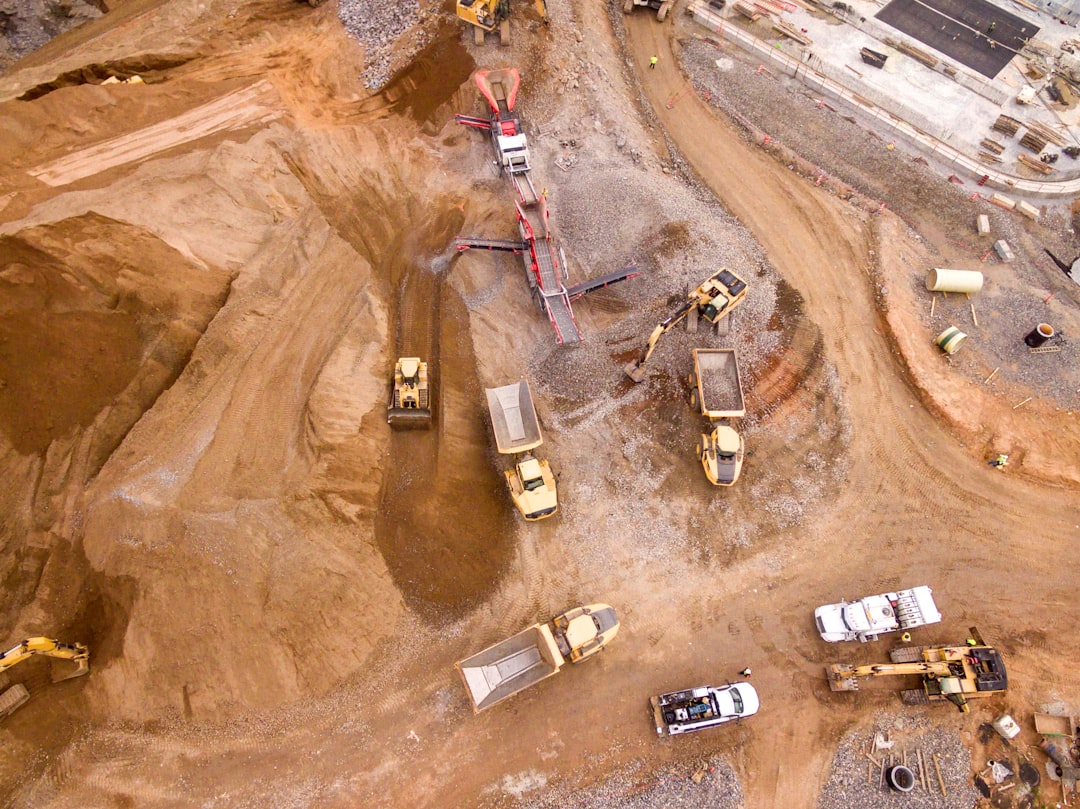
WATCH NOW ▶️ WARNING: Why the World is Running Out of Sand (And You Never Noticed)
FAQs
What is high silica sand?
High silica sand is a type of sand that contains a high percentage of silicon dioxide (SiO2), typically over 90%. It is known for its purity, hardness, and resistance to chemical and physical weathering, making it suitable for various industrial applications.
What is construction aggregate?
Construction aggregate refers to a broad category of coarse to medium-grained particulate materials used in construction, including sand, gravel, crushed stone, and recycled concrete. Aggregates serve as a base material for roads, concrete, and other building projects.
How does high silica sand differ from construction aggregate?
High silica sand is primarily composed of quartz and is valued for its high purity and specific industrial uses, such as glassmaking and foundry molds. Construction aggregate, on the other hand, includes a variety of materials used mainly for structural support and as filler in construction projects, without the same purity requirements.
What are the common uses of high silica sand compared to construction aggregate?
High silica sand is commonly used in glass manufacturing, foundry casting, water filtration, and hydraulic fracturing. Construction aggregate is primarily used in concrete production, road base, asphalt, and drainage systems.
Can high silica sand be used as construction aggregate?
While high silica sand can be used as a fine aggregate in concrete and other construction materials, it is generally more expensive and specialized than typical construction aggregates. Therefore, it is usually reserved for applications requiring its unique properties rather than general construction use.