
Community preparedness involves coordinated efforts by neighborhoods to identify potential hazards, develop risk reduction strategies, and establish response systems for disasters and emergencies. This approach enables communities to respond more effectively to crises while minimizing their impact on residents and infrastructure. Prepared communities demonstrate measurably better outcomes during emergencies, including reduced casualties, faster recovery times, and lower economic losses.
Research indicates that every dollar invested in community preparedness saves approximately four dollars in disaster response and recovery costs. These communities maintain updated emergency plans, conduct regular drills, and ensure residents have access to emergency supplies and communication systems. Community preparedness initiatives create opportunities for residents to collaborate on safety planning, which strengthens neighborhood networks and improves social capital.
These collaborative relationships prove essential during emergencies when formal response systems may be overwhelmed or delayed. Studies show that communities with strong social networks experience faster recovery rates and demonstrate greater resilience to future disasters. Effective preparedness programs typically include neighborhood emergency response teams, communication networks, resource sharing agreements, and coordinated training exercises that engage residents across different demographics and skill levels.
Key Takeaways
- Community preparedness is essential for effective emergency response and resilience.
- Assessing local risks helps tailor emergency plans to specific community vulnerabilities.
- Strong communication, coordination, and partnerships enhance response capabilities.
- Regular training, drills, and education empower community members to act confidently.
- Continuous evaluation and updating of plans ensure ongoing readiness and inclusivity.
Assessing Risks and Vulnerabilities in the Community
A critical step in community preparedness is the assessment of risks and vulnerabilities that may affect the area. This process involves identifying potential hazards, such as natural disasters, industrial accidents, or public health emergencies, and evaluating how these threats could impact the community. By conducting thorough risk assessments, communities can prioritize their preparedness efforts and allocate resources effectively.
This proactive approach allows them to focus on the most pressing threats, ensuring that they are well-prepared for any eventuality. In addition to identifying hazards, it is essential to evaluate the vulnerabilities within the community. Factors such as population density, infrastructure quality, and socioeconomic status can significantly influence how a community responds to emergencies.
For instance, areas with limited access to healthcare or transportation may require additional support during a crisis. By understanding these vulnerabilities, communities can tailor their emergency response plans to address the specific needs of their residents, ultimately enhancing their overall resilience.
Developing a Community Emergency Response Plan

Once risks and vulnerabilities have been assessed, the next step is to develop a comprehensive community emergency response plan. This plan serves as a roadmap for how the community will respond to various emergencies, outlining roles and responsibilities for residents, local authorities, and organizations. A well-structured emergency response plan should include clear procedures for evacuation, communication, resource allocation, and recovery efforts.
By having a detailed plan in place, communities can ensure that everyone knows what to do in the event of a crisis. Involving community members in the development of the emergency response plan is crucial for its success. Engaging residents in discussions about their concerns and ideas fosters a sense of ownership and commitment to the plan.
Additionally, incorporating feedback from diverse groups within the community can help identify unique needs and perspectives that may otherwise be overlooked. A collaborative approach not only strengthens the plan but also reinforces the importance of preparedness among residents.
Establishing Communication and Coordination Systems
Effective communication is paramount during emergencies, as it ensures that critical information is disseminated quickly and accurately. Establishing robust communication systems within the community is essential for coordinating responses and keeping residents informed about potential threats. This may involve utilizing various channels such as social media, text alerts, community bulletin boards, and local radio stations to reach a broad audience.
By diversifying communication methods, communities can ensure that information reaches all residents, including those who may have limited access to technology. Coordination among local authorities, organizations, and community members is equally important in emergency situations. Establishing clear lines of communication between these groups can facilitate collaboration and streamline response efforts.
Regular meetings and training sessions can help build relationships among stakeholders, ensuring that everyone understands their roles during a crisis. By fostering a culture of cooperation and open communication, communities can enhance their overall preparedness and response capabilities.
Training and Educating Community Members
| Metric | Description | Measurement | Target/Goal |
|---|---|---|---|
| Emergency Response Time | Average time taken for emergency services to respond after an incident is reported | Minutes | Under 10 minutes |
| Community Training Participation | Percentage of community members trained in basic emergency response skills | Percentage (%) | At least 70% |
| Emergency Supplies Availability | Proportion of households with essential emergency supplies (water, food, first aid) | Percentage (%) | 80% or higher |
| Evacuation Drill Frequency | Number of community-wide evacuation drills conducted annually | Count | Minimum 2 per year |
| Communication System Reliability | Percentage uptime of emergency communication systems during crises | Percentage (%) | 99% uptime |
| Volunteer Emergency Responders | Number of trained volunteer responders available in the community | Count | At least 50 volunteers |
| Risk Awareness Level | Percentage of community members aware of local emergency risks and response plans | Percentage (%) | 90% or higher |
Training and education play a crucial role in empowering community members to respond effectively during emergencies. Providing residents with the knowledge and skills necessary to handle various situations can significantly improve their confidence and ability to act when needed. Workshops, seminars, and hands-on training sessions can cover topics such as first aid, fire safety, search and rescue techniques, and emergency communication protocols.
By equipping individuals with practical skills, communities can create a network of informed citizens ready to assist one another during crises. In addition to practical training, educating residents about the importance of preparedness is essential for fostering a proactive mindset. Awareness campaigns can highlight potential risks within the community and encourage individuals to develop personal emergency plans for themselves and their families.
By promoting a culture of preparedness through education, communities can inspire residents to take responsibility for their safety while also reinforcing the idea that collective action is vital in times of crisis.
Building Strong Partnerships with Local Authorities and Organizations
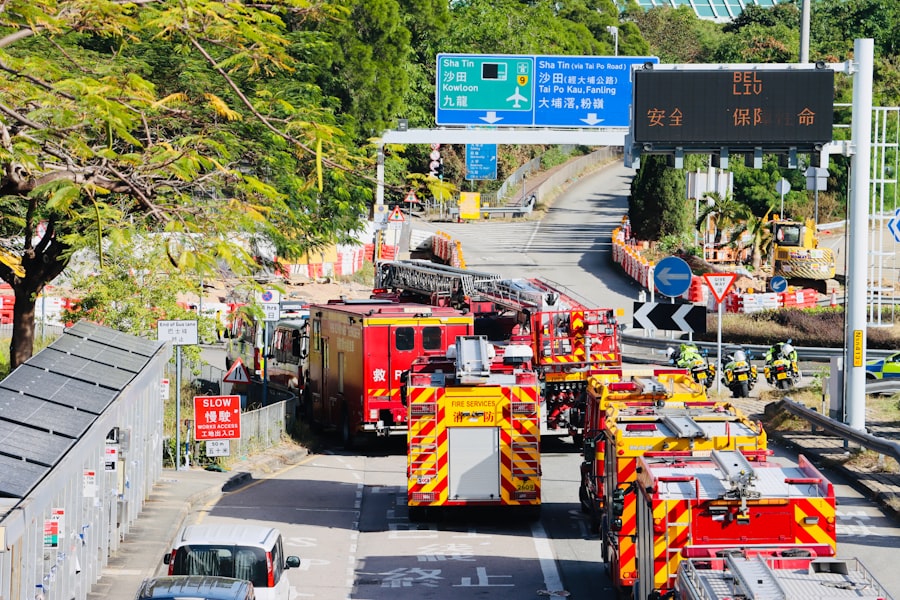
Collaboration with local authorities and organizations is fundamental to enhancing community preparedness. Establishing strong partnerships allows communities to leverage resources, expertise, and support from various entities. Local government agencies can provide valuable insights into emergency management practices, while non-profit organizations may offer specialized training or resources tailored to specific needs.
By working together, communities can create a more comprehensive approach to preparedness that addresses diverse challenges. Furthermore, engaging with local businesses can also contribute to building resilience within the community. Businesses often have resources that can be mobilized during emergencies, such as facilities for shelter or supplies for relief efforts.
By fostering relationships with local businesses, communities can create a network of support that enhances their overall preparedness capabilities. These partnerships not only strengthen emergency response efforts but also promote a sense of shared responsibility among all stakeholders involved.
Conducting Regular Drills and Exercises
Regular drills and exercises are essential components of effective community preparedness. These activities provide opportunities for residents to practice their emergency response skills in realistic scenarios, helping them become more familiar with procedures outlined in the emergency response plan. Conducting drills allows communities to identify gaps in their plans and make necessary adjustments before an actual crisis occurs.
This proactive approach ensures that residents are better prepared when faced with real-life emergencies. In addition to improving individual skills, drills also foster teamwork and collaboration among community members. When residents participate in exercises together, they build trust and camaraderie that can be invaluable during actual emergencies.
These shared experiences create a sense of unity within the community, reinforcing the idea that everyone has a role to play in ensuring safety and resilience. By prioritizing regular drills and exercises, communities can cultivate a culture of preparedness that extends beyond individual actions.
Identifying and Mobilizing Community Resources
Identifying available resources within the community is crucial for effective emergency response planning. Communities often possess untapped assets that can be mobilized during crises, such as volunteers with specialized skills or local organizations with access to supplies. Conducting an inventory of these resources allows communities to understand what they have at their disposal when emergencies arise.
This knowledge enables them to respond more efficiently by utilizing existing assets rather than relying solely on external assistance. Mobilizing community resources requires effective coordination among stakeholders. Establishing systems for resource sharing can enhance collaboration between local organizations, businesses, and residents during emergencies.
For instance, creating a centralized database of volunteers willing to assist during crises can streamline efforts when immediate support is needed. By fostering an environment where resources are readily accessible and shared among community members, communities can enhance their overall resilience in the face of adversity.
Addressing the Needs of Vulnerable Populations
In any community, certain populations may be more vulnerable during emergencies due to factors such as age, disability, or socioeconomic status. It is essential for communities to recognize these vulnerabilities and develop strategies to address their specific needs during crises. This may involve creating targeted outreach programs that ensure vulnerable populations receive timely information about emergencies or establishing support networks that provide assistance during evacuations or recovery efforts.
Engaging with representatives from vulnerable populations in the planning process is crucial for understanding their unique challenges. By involving these individuals in discussions about preparedness initiatives, communities can gain valuable insights into how best to support them during emergencies. Additionally, tailoring resources and services to meet the needs of vulnerable populations not only enhances overall preparedness but also fosters inclusivity within the community.
Evaluating and Updating the Community Emergency Response Plan
An effective community emergency response plan is not static; it requires regular evaluation and updates based on changing circumstances or lessons learned from past experiences. Communities should establish mechanisms for reviewing their plans periodically to ensure they remain relevant and effective in addressing current risks and vulnerabilities. This process may involve soliciting feedback from residents, conducting post-incident evaluations after drills or real emergencies, and staying informed about new developments in emergency management practices.
Updating the emergency response plan should be a collaborative effort involving various stakeholders within the community. Engaging local authorities, organizations, and residents in discussions about potential improvements fosters a sense of ownership over the plan while also ensuring diverse perspectives are considered. By prioritizing continuous evaluation and improvement of their emergency response plans, communities can enhance their resilience and readiness for future challenges.
Promoting a Culture of Preparedness in the Community
Ultimately, promoting a culture of preparedness within the community is essential for long-term resilience. This involves instilling values that prioritize safety and proactive measures among residents while encouraging them to take responsibility for their own well-being as well as that of their neighbors. Community leaders play a crucial role in modeling this culture by actively participating in preparedness initiatives themselves and advocating for ongoing engagement from all residents.
Creating opportunities for community members to share their experiences related to preparedness can also help foster this culture. Storytelling events or forums where individuals discuss how they prepared for past emergencies or what they learned from those experiences can inspire others to take action. By celebrating successes in preparedness efforts while acknowledging areas for improvement, communities can cultivate an environment where readiness becomes ingrained in everyday life rather than viewed solely as an obligation during times of crisis.
In conclusion, community preparedness is an ongoing journey that requires commitment from all stakeholders involved—residents, local authorities, organizations—and should be approached holistically through assessment, planning, training, collaboration with partners both inside and outside the community while addressing specific needs across diverse populations within it . Through these concerted efforts , communities will not only enhance their ability respond effectively when faced with adversity but also build stronger bonds among themselves , ultimately leading towards greater resilience overall .
A valuable resource that discusses various strategies and best practices for enhancing community resilience can be found in this article: Community Preparedness and Emergency Response. By exploring the insights provided, communities can better understand the importance of planning and collaboration in times of crisis.
FAQs
What is community preparedness in emergency response?
Community preparedness in emergency response refers to the collective efforts of individuals, organizations, and local authorities to plan, organize, and implement measures that reduce the impact of disasters and emergencies. It involves education, training, resource management, and coordination to ensure a swift and effective response.
Why is community preparedness important?
Community preparedness is important because it enhances the resilience of a community, reduces loss of life and property, and speeds up recovery after an emergency. Prepared communities can respond more effectively to disasters, minimizing chaos and ensuring that resources are used efficiently.
What are the key components of community preparedness?
Key components include risk assessment, public education and awareness, emergency planning, training and drills, resource management, communication systems, and partnerships among community members, local government, and emergency services.
How can individuals contribute to community preparedness?
Individuals can contribute by staying informed about local risks, creating personal and family emergency plans, participating in community drills and training, volunteering with local emergency organizations, and helping to spread awareness about preparedness measures.
What role do local governments play in community preparedness?
Local governments coordinate emergency planning, provide resources and training, establish communication networks, enforce building codes and safety regulations, and lead response and recovery efforts during emergencies.
What types of emergencies should communities prepare for?
Communities should prepare for a range of emergencies including natural disasters (such as floods, hurricanes, earthquakes, and wildfires), technological incidents (like power outages or chemical spills), and human-caused events (such as terrorism or pandemics).
How often should communities update their emergency preparedness plans?
Emergency preparedness plans should be reviewed and updated at least annually or after any significant event or change in community risk factors to ensure they remain effective and relevant.
What is the role of communication in community emergency response?
Effective communication is critical for disseminating warnings, coordinating response efforts, providing instructions to the public, and maintaining situational awareness among responders and community members.
Are there any tools or resources available to help communities prepare?
Yes, there are many tools and resources including government guidelines, training programs, emergency kits, communication platforms, and community organizations dedicated to disaster preparedness and response.
How can schools and businesses participate in community preparedness?
Schools and businesses can develop their own emergency plans, conduct regular drills, educate staff and students about safety procedures, collaborate with local emergency services, and contribute resources or volunteers during emergencies.