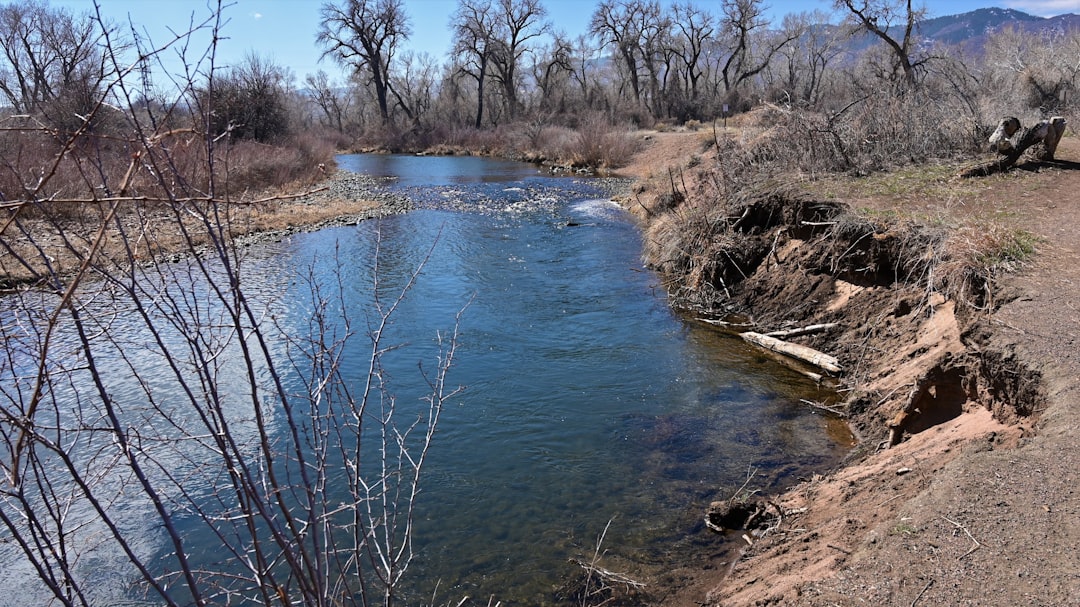
The Colorado River, a ribbon of life for millions across the American West, faces undeniable challenges. Decades of increasing demand, coupled with persistent drought and the looming specter of climate change, have placed immense strain on its delicate ecosystem and, consequently, on the water delivery schedules that are the bedrock of countless communities and industries. Ensuring a reliable supply from this vital artery requires a multifaceted approach, intricate planning, and a deep understanding of the complex interplay between hydrology, engineering, and policy.
The Colorado River basin is a vast and intricate system, stretching across seven U.S. states – Arizona, California, Colorado, Nevada, New Mexico, Utah, and Wyoming – and into Mexico. Its waters are allocated through a series of agreements, compacts, and court decrees, collectively known as the “Law of the River.” These foundational documents, born from a century of negotiation and adaptation, dictate how the river’s flow is divided and delivered. Without these established guidelines, the system would be akin to a ship without a rudder, drifting aimlessly in a sea of competing needs.
The Cornerstone: The Colorado River Compact of 1922
This landmark agreement, the bedrock of Colorado River management, divided the basin into two major regions: the Upper Basin (Colorado, New Mexico, Utah, and Wyoming) and the Lower Basin (Arizona, California, and Nevada). It stipulated that the Upper Basin would deliver a fixed amount of water to the Lower Basin annually, while the Lower Basin states would then divide their allocation. This compact, however, was based on a period of unusually wet years, a fact that has become increasingly significant as the region grapples with drier conditions.
Apportionment and Allocation: A Delicate Balance
The 1922 Compact, along with subsequent agreements like the 1944 treaty with Mexico and the 1968 Grand Canyon National Park Protection and Recreation Act, established the framework for water allocation. Each state within the basin receives a specific entitlement, which is then further subdivided among municipal, industrial, and agricultural users. The agricultural sector, in particular, is the largest consumer of Colorado River water, a reality that shapes many of the discussions around water conservation and efficiency.
The Colorado River Basin States: A Diverse Mosaic of Needs
The seven basin states, while united by their reliance on the Colorado River, possess diverse economies and populations, each with unique water requirements.
Arizona’s Thirst: A State Reaching its Limits
Arizona, a desert state, relies heavily on the Colorado River for its survival and economic prosperity. The Central Arizona Project (CAP), a 336-mile aqueduct system, is the lifeblood of central and southern Arizona, delivering water to over five million people and supporting a significant portion of the state’s agricultural output. The decreasing flows of the Colorado River have placed Arizona in a precarious position, especially given its junior water rights within the Lower Basin.
California’s Legacy: A Long-Standing Reliance
California, the most populous state in the West, has a long and established history of utilizing Colorado River water. The Metropolitan Water District of Southern California (MWD) and the Imperial Irrigation District (IID) are the primary recipients of California’s allocation, serving millions of residents and irrigating vast tracts of agricultural land in the Imperial Valley. California’s senior water rights have historically provided a degree of security, but even this stalwart is not immune to the river’s declining health.
Nevada’s Strategic Use: Focusing on Municipal Growth
Nevada, with its rapidly growing population, particularly in the Las Vegas Valley, has been a leader in water conservation. The state’s allocation from the Colorado River is relatively small compared to Arizona and California, but its efficient use, primarily for municipal purposes, highlights a model of responsible water management. However, the pressure of continued growth necessitates a vigilant approach to water security.
The Upper Basin States: The Headwaters Responsibility
Colorado, Utah, Wyoming, and New Mexico, comprising the Upper Basin, are responsible for allowing a certain amount of water to flow downstream to the Lower Basin. While they have their own significant water needs for agriculture, industry, and burgeoning populations, their primary obligation is to meet their apportionment commitments.
The Colorado River water delivery schedule is a crucial topic for many states that rely on its resources for agriculture and urban use. For a deeper understanding of the implications and management strategies surrounding this vital water source, you can read a related article that explores the challenges and solutions in detail. Check it out here: Colorado River Water Management.
The Pillars of Reliability: Reservoir Operations and Storage
The majestic dams and reservoirs of the Colorado River system are not mere feats of engineering; they are the circulatory system of water delivery, storing precious flows and releasing them according to intricate schedules. Hoover Dam and Lake Mead in the Lower Basin, and Glen Canyon Dam and Lake Powell in the Upper Basin, are the twin titans of this system, regulating water releases and serving as critical storage facilities.
Lake Mead and Lake Powell: The Front Lines of Demand and Supply
These vast reservoirs act as sponges, absorbing excess flows during wetter periods and releasing water during drier spells. Their fluctuating levels are a visible barometer of the river’s health and a direct indicator of the challenges facing water managers. As reservoir levels plummet, the ability to meet established delivery schedules becomes increasingly compromised.
Hydropower Generation: A Critical Byproduct
Beyond water storage, these dams also generate substantial amounts of hydroelectric power, a clean and renewable energy source for millions. Declining reservoir levels directly impact the capacity of these facilities, creating a double whammy of water scarcity and energy insecurity. This symbiotic relationship between water and power underscores the interconnectedness of the river’s functions.
Rule Curves and Operating Guidelines: The Navigation Chart for Releases
The operation of these reservoirs is governed by a complex set of guidelines and rule curves, established through intergovernmental agreements. These documents dictate how water is released from the dams based on specific reservoir levels and projected inflows. Navigating these charts requires expert knowledge and constant monitoring, much like a seasoned captain charting a course through treacherous waters.
The Drought Contingency Plan (DCP): A Response to Crisis
In recent years, the increasingly dire situation has prompted the development of the Drought Contingency Plan (DCP). This is a critical safety net, designed to encourage voluntary reductions in water use and to formalize procedures for managing extreme drought conditions. The DCP is a testament to the adaptive nature of water management, a recognition that static plans are insufficient in a dynamic environment.
Water Delivery Schedules: The Precise Choreography of Flow
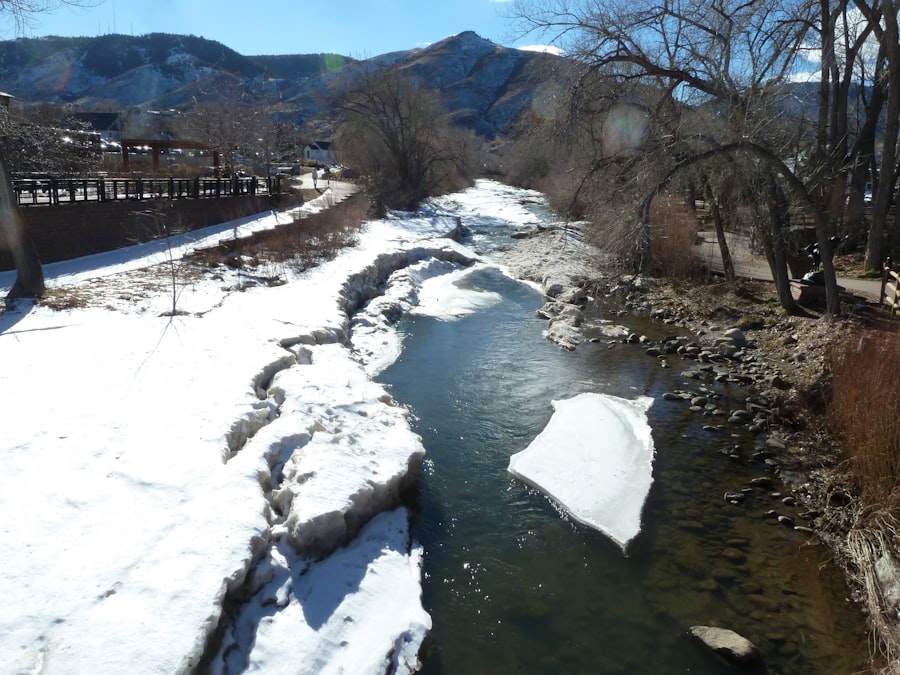
Water delivery schedules for the Colorado River are not static pronouncements; they are dynamic blueprints, constantly adjusted and refined based on a multitude of factors. They represent a finely tuned choreography, ensuring that water reaches its intended destinations where and when it is needed.
Agricultural Demands: The Largest Water Consumer
Agriculture accounts for the lion’s share of Colorado River water consumption. Irrigation districts receive substantial allocations, and their water needs fluctuate seasonally, peaking during the growing season. The delivery schedules for these areas are meticulously planned to coincide with crop cycles, from planting to harvest.
Efficiency as a Water Saving Strategy
Recognizing the growing scarcity, there is an increasing emphasis on improving water use efficiency in agriculture. This includes the adoption of drip irrigation, laser-leveling fields, and canal lining to reduce water loss through evaporation and seepage. These incremental improvements, when aggregated across millions of acres, can have a significant impact on overall water availability.
The Role of Water Conservation Districts
Water conservation districts play a crucial role in managing local water resources and implementing conservation programs. They work with farmers and other water users to promote best practices and to ensure that allocated water is used wisely.
Municipal and Industrial Needs: Growing Demand on a Scarce Resource
While agriculture remains the largest consumer, the rapidly growing municipal and industrial sectors also represent a significant and increasing demand. Urban areas rely on the river for drinking water, sanitation, and to support their economies. Industrial processes, from manufacturing to energy production, often require substantial water inputs.
Urban Water Conservation Efforts
Cities and municipalities have implemented aggressive water conservation programs, including tiered pricing structures, restrictions on outdoor watering, and public education campaigns. These efforts are essential to managing urban growth without placing an unsustainable burden on the river.
Industrial Water Use and Recycling
Industries are increasingly focused on reducing their water footprint through process improvements, water recycling, and the adoption of less water-intensive technologies. This proactive approach is vital for ensuring a sustainable balance between economic development and water availability.
Challenges and Future Outlook: Navigating an Uncertain Future
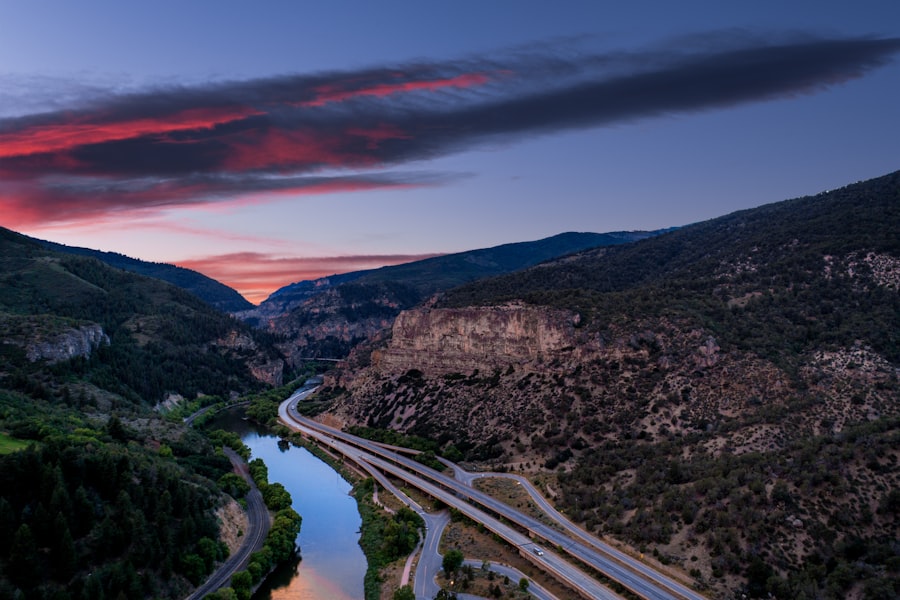
The Colorado River system stands at a crossroads. Decades of management based on assumptions of plentiful water are being tested by the harsh realities of a changing climate and burgeoning demand. The future of reliable water delivery hinges on proactive adaptation and a willingness to embrace difficult choices.
Climate Change and Its Impact: A Looming Threat
The scientific consensus is clear: climate change is exacerbating drought conditions in the West. Warmer temperatures lead to increased evaporation from reservoirs and soils, and reduced snowpack in the mountains, which is the primary source of the river’s flow. This hydrological shift is a fundamental challenge that requires a long-term, strategic response.
The Science of Snowpack and Runoff: Predictive Modeling
Understanding the relationship between snowpack, temperature, and river runoff is critical for accurate water management. Sophisticated hydrological models are used to forecast river flows months in advance, providing essential data for water delivery scheduling.
Shifting Precipitation Patterns: A New Normal
Projected shifts in precipitation patterns, with potentially less snowfall and more intense, less frequent rainfall events, pose significant challenges to traditional water storage and delivery strategies. This necessitates a re-evaluation of how water is captured and utilized.
Interagency Cooperation and Policy Adaptation: The Key to Sustainability
Addressing the complex challenges facing the Colorado River requires unprecedented levels of cooperation among federal, state, tribal, and international entities. Existing agreements, while foundational, may need to be revisited and adapted to account for the new hydrological realities.
Tribal Water Rights: Honoring Sovereignty and Ensuring Equity
The water rights of Native American tribes within the Colorado River basin are an integral part of the overall water picture. Ensuring that these rights are respected and that tribes have equitable access to water is a critical component of any sustainable management plan.
International Agreements: The Mexico Accord
The 1944 treaty between the United States and Mexico regarding the use of Colorado River water is another crucial element. Mexico’s allocation is vital for its agriculture and communities, and continued collaboration is essential for the entire basin’s stability.
Conservation and Efficiency: The Path Forward
Ultimately, the most sustainable path forward for Colorado River water delivery lies in a renewed and intensified commitment to conservation and efficiency across all sectors. Every drop saved today is a drop available for tomorrow. This is not merely an environmental imperative; it is an economic and social necessity. As the river’s flow is a finite resource, its judicious use is paramount for the continued prosperity and well-being of the millions who depend on it. The intricate dance of water delivery schedules is a testament to human ingenuity, but it is also a stark reminder of our dependence on the natural world and the critical need for responsible stewardship.

The $5 Trillion Collapse: The Hidden Law That Guaranteed America’s West Would Run Dry
FAQs
What is the Colorado River water delivery schedule?
The Colorado River water delivery schedule outlines the timing and amounts of water allocated to various states, tribes, and users along the Colorado River. It is designed to manage water distribution based on legal agreements, water availability, and environmental considerations.
Who manages the Colorado River water delivery schedule?
The schedule is managed by the U.S. Bureau of Reclamation in coordination with the seven Colorado River Basin states (Arizona, California, Colorado, Nevada, New Mexico, Utah, and Wyoming), tribal nations, and Mexico, following guidelines set by interstate compacts and international treaties.
How often is the water delivery schedule updated?
The delivery schedule is typically reviewed and updated annually or as needed, depending on water supply conditions, reservoir levels, and legal requirements. Adjustments may be made to address drought conditions or changes in water demand.
What factors influence the Colorado River water delivery schedule?
Key factors include reservoir storage levels (such as Lake Mead and Lake Powell), snowpack and runoff forecasts, legal water rights, drought conditions, environmental needs, and agreements between the U.S. and Mexico.
How does the water delivery schedule affect water users?
The schedule determines how much water each state, tribe, and user receives, impacting agricultural irrigation, municipal water supplies, hydropower generation, and ecosystem health. Changes in the schedule can lead to water use restrictions or conservation measures during shortages.