
The Colorado River, a vital artery of the American Southwest, carves its way through seven U.S. states and parts of Mexico, sustaining a population of over 40 million people and irrigating millions of acres of farmland. Its waters are a testament to both nature’s power and humanity’s ingenuity, yet the escalating demands placed upon this finite resource have created a complex tapestry of agreements, disputes, and anxieties. Understanding the intricacies of Colorado River water allocation is paramount to grasping the challenges and potential solutions facing this arid region.
The allocation of Colorado River water is not a arbitrary division but rather a legal framework painstakingly constructed over a century. This framework, often referred to as the “Law of the River,” comprises a series of treaties, compacts, federal legislation, court decisions, and operating guidelines.
The Colorado River Compact of 1922
The bedrock of Colorado River allocation is the Colorado River Compact of 1922. Faced with a burgeoning population and nascent agricultural enterprises, the seven basin states recognized the need for a formal agreement to prevent future conflicts over water rights. The Compact, signed in Santa Fe, New Mexico, divided the basin into two administrative regions: the Upper Basin (Colorado, New Mexico, Utah, and Wyoming) and the Lower Basin (Arizona, California, and Nevada).
- Apportionment between Basins: The Compact apportioned 7.5 million acre-feet (MAF) per year to the Upper Basin and 7.5 MAF per year to the Lower Basin. An acre-foot is the amount of water needed to cover one acre to a depth of one foot, approximately 325,851 gallons.
- Anticipation of Future Growth: This division was based on flow estimates from a particularly wet period, which, in hindsight, proved to be an overestimation of the river’s long-term average flow. This fundamental misjudgment would haunt future allocation efforts.
- Mexican Treaty Consideration: The Compact also acknowledged the potential for future water deliveries to Mexico, though the specific quantity was not defined at this stage.
The Boulder Canyon Project Act of 1928
Following the 1922 Compact, the Boulder Canyon Project Act of 1928 authorized the construction of Hoover Dam and its associated infrastructure. This act was instrumental in making large-scale water storage and delivery possible, particularly for the Lower Basin.
- Lower Basin Apportionment: Crucially, the Act further apportioned the Lower Basin’s 7.5 MAF among its three states: California received 4.4 MAF, Arizona 2.8 MAF, and Nevada 0.3 MAF.
- Junior Rights for Arizona: This apportionment was a point of contention, especially for Arizona, which considered its agricultural development equal in importance to California’s but received a smaller share. The Act, in fact, solidified California’s priority rights to an extent, a situation that would later be challenged.
The Mexican Water Treaty of 1944
The international dimension of the Colorado River was formally addressed with the Treaty Between the United States of America and Mexico Respecting Utilization of Waters of the Colorado and Tijuana Rivers and of the Rio Grande.
- Guaranteed Deliveries to Mexico: This treaty obligates the United States to deliver 1.5 MAF of Colorado River water to Mexico annually. In times of surplus, an additional 0.2 MAF may be delivered.
- Proportional Shortages and Surpluses: Significantly, in times of severe drought, the amount delivered to Mexico can be reduced proportionally to reductions in U.S. water uses. Conversely, in times of significant surplus, Mexico can store a portion of its entitlement in U.S. reservoirs.
The Upper Colorado River Basin Compact of 1948
While the 1922 Compact divided water between the Upper and Lower Basins, the Upper Basin states still needed to divide their 7.5 MAF share among themselves. This was achieved through the Upper Colorado River Basin Compact of 1948.
- Percentage-Based Allocation: Unlike the fixed volume allocations of the Lower Basin, the Upper Basin states agreed to a percentage-based distribution, allowing for flexibility as the actual available supply fluctuated.
- Apportionment Breakdown: Colorado received 51.75% of the Upper Basin’s allocation, Utah 23%, Wyoming 14%, and New Mexico 11.25%. A small additional amount (50,000 acre-feet) was allocated to Arizona from the Upper Basin’s share, specifically for an area within Arizona that geographically lies in the Upper Basin.
The ongoing discussions regarding the Colorado River water allocation by state have significant implications for water management in the arid West. For a deeper understanding of the complexities surrounding this issue, you can read a related article that explores the historical context and current challenges faced by the states dependent on the Colorado River. This insightful piece can be found at this link.
The Discrepancy: A River Over-Allocated
One of the most persistent and defining challenges for Colorado River management is the fundamental discrepancy between the water allocated by the “Law of the River” and the actual, long-term average flow of the river. The architects of the 1922 Compact based their allocations on data from a period of unusually high flows, leading to a structural deficit from the outset.
Optimistic Projections vs. Reality
The initial allocation of 15 MAF (7.5 MAF to each basin) was made under the assumption of a robust river, averaging around 16.4 MAF annually. However, hydrological studies over the past century indicate that the average natural flow of the Colorado River is closer to 14.7 MAF, or even lower, with recent decades witnessing a marked decline due to persistent drought and climate change.
- The “Structural Deficit”: This gap between the allocated amount and the actual availability of water, often referred to as the “structural deficit,” means that on average, more water has been promised than the river can reliably deliver. This is akin to a household maintaining a budget based on an anticipated income that consistently fails to materialize, leading to eventual financial strain.
- Exacerbation by Climate Change: The problem has been exacerbated by climate change, which has led to reduced snowpack (the primary source of the river’s flow), increased evaporation from reservoirs, and earlier runoff, making less water available for storage and consumption.
- Reservoir Depletion: For decades, this deficit has been masked by the immense storage capacity of Lakes Powell and Mead, which act as the river’s primary savings accounts. However, these reservoirs have experienced significant and prolonged declines in elevation, reaching historically low levels.
Court Decisions and Further Refinements
While the Compacts and federal acts formed the framework, legal battles have also shaped the allocation. The most significant of these was Arizona v. California.
- Arizona v. California (1963): This landmark Supreme Court case, decided in 1963, clarified the Lower Basin apportionments first outlined in the Boulder Canyon Project Act. Crucially, the Court asserted that Congress had the authority to apportion the Lower Basin’s share and that the Secretary of the Interior had the power to manage water releases from federal reservoirs, particularly critical during shortages.
- Priority for Arizona’s CAP: The ruling affirmed California’s prior perfected rights but also established that Arizona’s share via the Central Arizona Project (CAP), a massive canal system, would be junior to certain other Lower Basin uses in times of shortage. This meant that CAP deliveries would be among the first to be curtailed during droughts.
Managing Scarcity: Operational Guidelines and Drought Contingency Plans
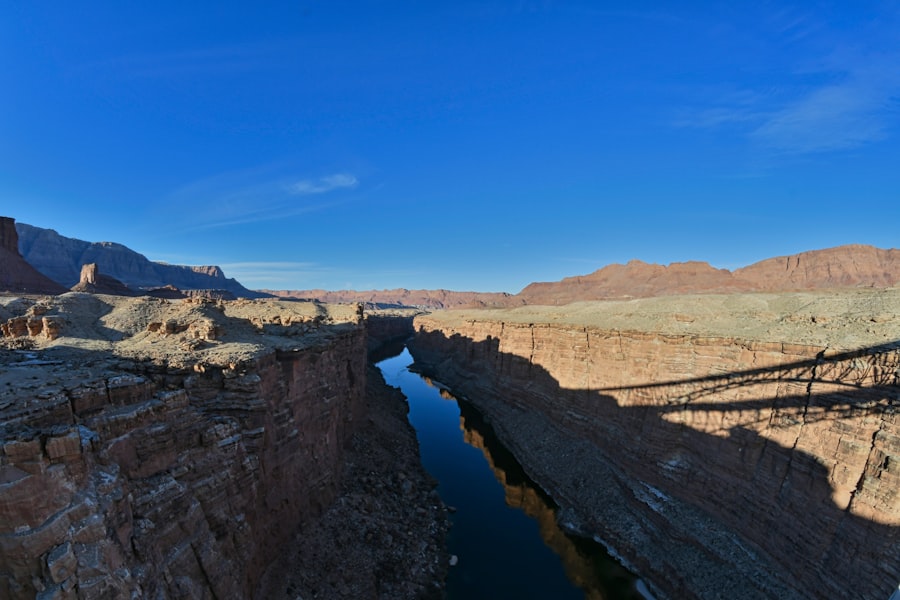
Recognizing the escalating stress on the Colorado River system, basin states and the federal government have developed additional agreements and guidelines to manage water during periods of scarcity. These measures represent ongoing efforts to adapt the “Law of the River” to the realities of a shrinking supply.
Interim Guidelines for the Coordinated Operation of Lake Powell and Lake Mead (2007)
These guidelines, agreed upon by the seven basin states and the Bureau of Reclamation, were a critical step in providing a framework for managing releases from Lakes Powell and Mead under varying hydrological conditions, particularly during drought.
- Tiered Shortage Declarations: The 2007 Guidelines formally established a system of tiered shortage declarations for the Lower Basin, based on the elevation of Lake Mead. As Lake Mead’s elevation drops to certain trigger points, specific cuts are implemented, affecting Lower Basin states, starting with Arizona and Nevada.
- Coordinated Reservoir Operations: The guidelines also aimed to optimize operations between Lake Powell and Lake Mead, recognizing them as integral components of a single system rather than independent reservoirs. This coordination is essential for maintaining hydropower generation and environmental flows, as well as water deliveries.
- Emphasis on Conservation: Implicit in the guidelines was a growing recognition of the need for conservation efforts across the basin to stretch the available water supply.
Drought Contingency Plans (DCPs) (2019)
As drought deepened and reservoir levels continued their precipitous decline, the 2007 Guidelines proved insufficient. This led to the development and implementation of the Drought Contingency Plans (DCPs) for both the Upper and Lower Basins, signed in 2019. These plans represent a more urgent and aggressive effort to forestall critical reservoir levels.
- Lower Basin DCP: The Lower Basin DCP outlined deeper, mandatory cuts that states (primarily Arizona, California, and Nevada) would take at specific Lake Mead elevations, beyond those in the 2007 Guidelines. These cuts were designed to stabilize Lake Mead and prevent it from falling to “dead pool” levels, where water could no longer be released through intakes.
- Upper Basin DCP: The Upper Basin DCP focused on demand management, aiming to protect critical elevations at Lake Powell. It established a framework for potentially curtailing water use within the Upper Basin states if Lake Powell elevations dropped too low, necessitating water releases from upstream reservoirs.
- Crucial Role of System Conservation: A key component of the DCPs was the promotion of “system conservation,” where users are compensated for voluntarily reducing their water use, with the conserved water left in the system to bolster reservoir levels. This introduced a market-based component to water management.
The States’ Perspectives: Diverse Needs and Demands
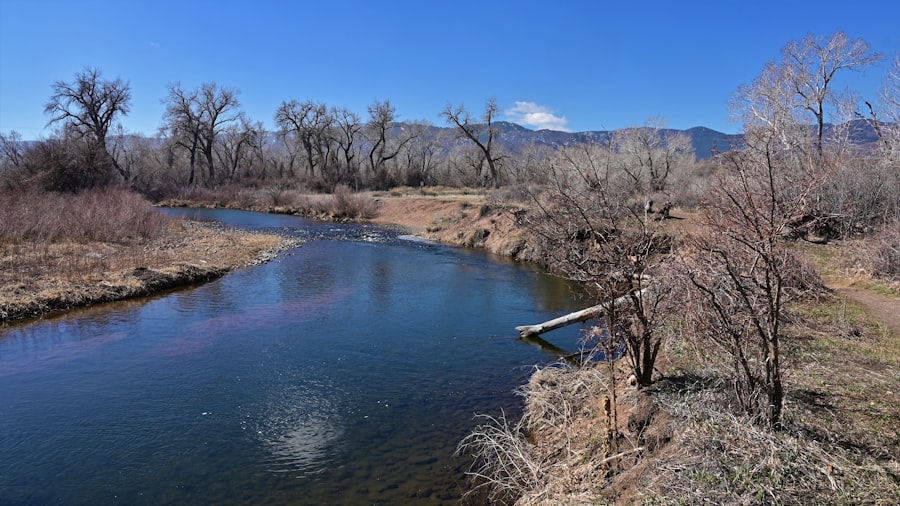
Each of the seven basin states has unique economic, agricultural, and demographic characteristics that shape its approach to Colorado River water allocation. Understanding these differing perspectives is crucial to appreciating the complexity of negotiations.
California: The Agricultural Giant and Urban Sprawl
California holds the largest entitlement in the Lower Basin (4.4 MAF), feeding its vast agricultural empire in the Imperial Valley and supplying millions in Southern California’s dense urban centers.
- Senior Water Rights: California possesses some of the most senior water rights in the Lower Basin, stemming from its early development. This seniority has historically buffered the state from immediate, deep cuts during shortages, though the DCPs have incrementally affected even these rights.
- Efficiency and Conservation: Southern California urban water agencies have invested heavily in water recycling, stormwater capture, and conservation programs, showcasing a commitment to efficiency given their dependence on imported water.
- Agricultural Demands: The agricultural sector, particularly in the Imperial Irrigation District, uses a significant portion of California’s entitlement, making it a critical player in any discussion of reductions.
Arizona: Growth, Agriculture, and a Vulnerable Share
Arizona, with its rapidly growing urban areas (Phoenix and Tucson) and vital agricultural sector, relies heavily on the Colorado River for roughly 40% of its water supply. Its 2.8 MAF entitlement from the Lower Basin, primarily delivered via the CAP, is uniquely vulnerable.
- Junior CAP Rights: A key feature of Arizona’s allocation is the junior nature of its Central Arizona Project (CAP) water rights. This means that during shortages, CAP deliveries are among the first to be curtailed.
- Impact of Drought: The state has already experienced significant reductions in its CAP allocation under the DCPs, leading to difficult choices for farmers and water managers.
- Leadership in Conservation: Despite the challenges, Arizona has also been a leader in water conservation and innovative water management strategies to adapt to diminishing supplies.
Nevada: Urban Focus and Proactive Reductions
Nevada holds the smallest Lower Basin allocation (0.3 MAF), primarily serving metropolitan Las Vegas, a city in the middle of a desert. Despite its small share, the state has been one of the most proactive in conservation.
- Pioneering Conservation: The Southern Nevada Water Authority has implemented aggressive water recycling, turf removal programs, and strict water use restrictions, dramatically reducing per capita water consumption.
- Leadership in Negotiations: Nevada often plays a constructive role in inter-state negotiations, advocating for system-wide conservation and collaborative solutions, given its sensitivity to any additional cuts.
Upper Basin States: Protecting Future Development
Colorado, Utah, Wyoming, and New Mexico collectively hold 7.5 MAF, but their historical use has generally been below their full apportionment. Their primary concern is protecting their ability to develop their full allocation in the future, even as overall river flows decline.
- “Compacting Out”: A major concern for Upper Basin states is the prospect of “compacting out,” where their obligation to deliver water to the Lower Basin and Mexico, combined with declining river flows, would leave them with insufficient water for their own development.
- Demand Management and Forbearance: The Upper Basin has explored and implemented programs for voluntary demand management, where users are compensated for reducing consumption, with the water left in Lake Powell to help meet Lower Basin delivery obligations.
- Diverse Economies: While agriculture is significant, these states also have energy development, tourism, and growing urban centers, all of which require reliable water supplies.
The ongoing discussions surrounding Colorado River water allocation by state have significant implications for the region’s ecology and economy. A related article that delves deeper into this critical issue can be found at My Geo Quest, where various perspectives on water management and conservation strategies are explored. Understanding these dynamics is essential for stakeholders as they navigate the challenges posed by climate change and increasing demand for water resources.
Future Challenges and Potential Solutions
| State | Allocated Water (Million Acre-Feet per Year) | Percentage of Total Allocation |
|---|---|---|
| California | 4.4 | 48% |
| Arizona | 2.8 | 30% |
| Nevada | 0.3 | 3% |
| Colorado | 0.8 | 9% |
| Utah | 0.8 | 9% |
| New Mexico | 0.1 | 1% |
| Wyoming | 0.1 | 1% |
The Colorado River basin faces an uncertain future, marked by persistent drought, climate change, and the imperative to balance human needs with ecological health. The conversation has shifted from simply allocating water to actively finding ways to reduce overall demand.
Climate Change: The Overarching Threat
Climate change is not a future threat but a present reality for the Colorado River. Warmer temperatures lead to less snowpack, earlier runoff, and increased evaporation, fundamentally altering the river’s hydrology.
- Reduced Runoff: Projections indicate a significant reduction in future runoff, meaning less water entering the reservoir system. This necessitates a fundamental re-evaluation of how much water is truly available.
- Increased Evaporation: Higher temperatures also lead to greater evaporation from Lake Powell and Lake Mead, effectively shrinking the water budget even further.
- Need for Adaptation: Adaptation strategies, including further reductions in demand, infrastructure improvements, and innovative water sources, will be critical.
Reconciling Demand and Supply: The Path Forward
The “Law of the River” was built on an illusion of abundance. The path forward requires reconciling human demand with the sobering reality of a diminished and increasingly volatile water supply.
- Beyond the DCPs: Post-2026 Negotiations: The current operating guidelines and DCPs expire in 2026. Negotiations for the next set of operating rules are already underway and are expected to be contentious, as states grapple with the need for deeper, more permanent cuts.
- System-Wide Conservation and Efficiency: Further investments in urban water conservation, agricultural efficiency (e.g., drip irrigation, fallowing programs), and water recycling will be essential across the entire basin.
- Alternative Water Sources and Technologies: Desalination (though costly and energy-intensive), stormwater capture, and purified wastewater reuse will become increasingly vital components of the regional water portfolio.
- Equitable Distribution of Shortages: One of the most difficult challenges will be establishing a politically viable and equitable framework for distributing inevitable future shortages, which will require difficult decisions and a spirit of compromise among all basin states. This is not merely about dividing pie; it is about deciding how small the pie must become and who sacrifices which portion.
- Ecological Health: The health of the river ecosystem itself, including endangered species and riparian habitats, must be an integral part of future management decisions, ensuring that a focus on human consumption does not completely deplete the river’s ecological functions.
The Colorado River, once seen as an inexhaustible resource for expansion, now serves as a stark reminder of the limits of nature. The complex web of allocations, laws, and agreements is a testament to humanity’s attempt to manage a precious and increasingly scarce resource. As the basin moves into an uncertain future, the principles of cooperation, innovation, and a pragmatic acceptance of limitations will be paramount to sustaining the communities and ecosystems that depend on this magnificent river.

The $5 Trillion Collapse: The Hidden Law That Guaranteed America’s West Would Run Dry
FAQs
What states receive water from the Colorado River?
The Colorado River supplies water to seven U.S. states: Arizona, California, Colorado, Nevada, New Mexico, Utah, and Wyoming. It also provides water to parts of Mexico.
How is the Colorado River water allocated among the states?
Water from the Colorado River is allocated based on the Colorado River Compact of 1922 and subsequent agreements. The Compact divides the river basin into the Upper Basin (Colorado, New Mexico, Utah, Wyoming) and the Lower Basin (Arizona, California, Nevada), with each basin allocated 7.5 million acre-feet of water annually.
What role does the 1944 U.S.-Mexico treaty play in water allocation?
The 1944 treaty between the United States and Mexico guarantees Mexico an annual allocation of 1.5 million acre-feet of Colorado River water, ensuring cross-border water sharing.
Are there any recent challenges affecting Colorado River water allocation?
Yes, prolonged drought, climate change, and increasing water demand have led to reduced river flows, prompting states and federal agencies to negotiate new water use reductions and conservation measures.
How is water usage monitored and managed among the states?
Water usage is monitored through a combination of federal agencies like the Bureau of Reclamation, state water authorities, and interstate agreements. These entities track water deliveries, reservoir levels, and enforce compliance with allocation rules.