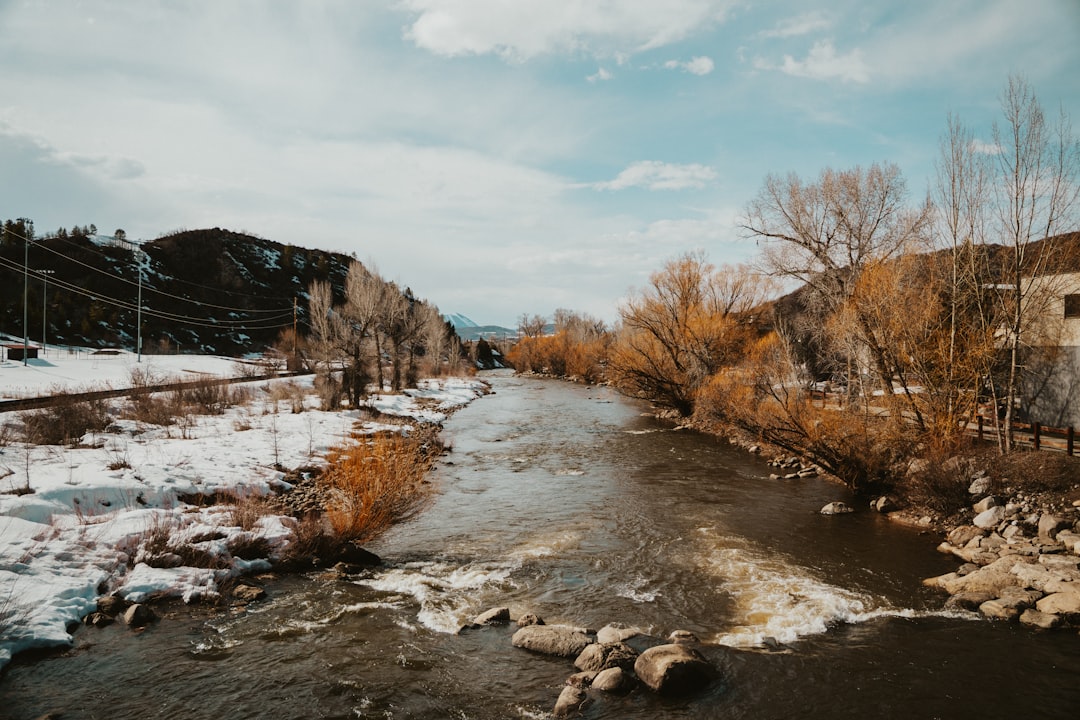
The Colorado River, a lifeline for over 40 million people across seven U.S. states and parts of Mexico, is experiencing a precipitous decline in its water supply. This vital waterway, often described as the arteries of the American Southwest, faces an existential threat from persistent drought, increased demand, and the escalating impacts of climate change. The dwindling flow not only imperils urban and agricultural communities but also casts a long, ominous shadow over the diverse and fragile ecosystems that depend on its waters. This article will explore the multifaceted crisis gripping the Colorado River, examining its causes, consequences, and the challenging path forward.
The Colorado River’s current predicament is not an overnight crisis but the culmination of a century of policies and practices that overestimated its long-term sustainable yield. The foundational document governing its allocation, the Colorado River Compact of 1922, was drafted during a period of unusually high precipitation, leading to an inflated assessment of the river’s average annual flow.
The Compact’s Flawed Foundations
The 1922 Compact divided the river into an Upper Basin (Colorado, New Mexico, Utah, Wyoming) and a Lower Basin (Arizona, California, Nevada), allocating 7.5 million acre-feet (MAF) to each, plus an additional 1.5 MAF to Mexico under a 1944 treaty. This 16.5 MAF total, however, far exceeded the river’s long-term average flow, which researchers now estimate to be closer to 13.5 MAF. This inherent disconnect between legal allocations and hydrological reality created a structural deficit, a deficit that has only deepened with time.
Demographic Boom and Agricultural Thirst
Since the Compact’s inception, the Southwest has experienced an unprecedented population boom. Cities like Phoenix, Las Vegas, Los Angeles, and Denver have grown exponentially, with each new resident increasing demand for water. Simultaneously, vast agricultural enterprises, particularly in California’s Imperial Valley and Arizona’s Yuma region, rely heavily on Colorado River water to irrigate crops that feed the nation. These two primary users form a continuous siphon on the river, leaving less and less for environmental needs and future security.
The Colorado River is facing a significant crisis, with its waters running dry due to a combination of factors including climate change, over-allocation of water resources, and prolonged drought conditions. For a deeper understanding of the complexities surrounding this issue, you can read a related article that explores the challenges and potential solutions for the river’s sustainability. Check it out here: My Geo Quest.
Climate Change: The Accelerant of Decline
While over-allocation laid the groundwork for the current crisis, climate change acts as the powerful accelerant, pushing the river system further into disequilibrium. Rising temperatures, altered precipitation patterns, and increased evaporation are fundamentally reshaping the Colorado River Basin.
Warming Temperatures and Diminished Snowpack
The headwaters of the Colorado River lie in the Rocky Mountains, where winter snowpack acts as a natural reservoir, slowly releasing water throughout the spring and summer. However, rising global temperatures are causing less snow to accumulate and more to melt earlier in the season. This “snow drought” means less water makes it into the river system. Studies have shown that for every degree Celsius of warming, the Colorado River’s flow decreases by approximately 9%.
Increased Evaporation and Reservoir Losses
Warmer temperatures also lead to increased evaporation from the river itself and, crucially, from the vast surface areas of its major reservoirs, Lake Mead and Lake Powell. These reservoirs, designed to store water for multiple years of drought, are now losing significant volumes to the atmosphere. Imagine a slowly leaking bucket; the hotter the conditions, the faster the water dwindles, regardless of inflows.
Extreme Weather Events and Variability
Climate change is also predicted to bring more extreme weather events, including more intense, shorter-duration precipitation events that are less effective at replenishing long-term water supplies. Conversely, it is also expected to exacerbate prolonged periods of drought, deepening the arid conditions that already grip the region. This increased variability makes long-term water management an even more complex and uncertain endeavor.
Ecological Fallout: A River in Distress

The diminishing flow of the Colorado River has profound and often irreversible consequences for the delicate ecosystems it supports. From the river’s headwaters to its desiccated delta, flora and fauna are struggling to adapt to a landscape fundamentally altered by human intervention and climate change.
Habitat Loss and Biodiversity Threat
Reduced water levels directly translate into habitat loss for numerous aquatic and riparian species. Fish that evolved in the turbulent, cool waters of the Colorado, such as the endangered bonytail, razorback sucker, and humpback chub, face significant challenges. Their spawning grounds are exposed, their food sources dwindle, and their migration routes are interrupted. The rich riparian corridors, once vibrant green ribbons across the desert, are shrinking as cottonwood and willow trees, dependent on consistent groundwater, succumb to drought.
Altered Sediment Transport and Delta Desiccation
Historically, the Colorado River carried vast quantities of sediment, nutrients, and organic matter downstream, building up floodplains and sustaining a thriving delta in Mexico. Dams, however, have trapped much of this sediment, creating sediment-starved waters downstream. The once-lush Colorado River Delta, a vast wetland teeming with life, has largely transformed into an arid salt flat, a poignant symbol of the river’s severed connection to the sea. The meager flows that occasionally reach the delta are insufficient to revive its ecological grandeur.
Salinity and Water Quality Degradation
As water levels drop, the concentration of dissolved salts and minerals in the river increases. This rising salinity poses a threat to both agriculture and ecosystems. Crops are sensitive to high salt levels, and drinking water treatment becomes more complex and expensive. For aquatic life, increased salinity can alter native habitats, favoring more tolerant, often invasive, species over those indigenous to the river.
The Human Impact: Cities, Farms, and Future Uncertainty

The implications of a dwindling Colorado River fundamentally reshape the economic and social fabric of the American Southwest. The choices made today will ripple through generations, determining the viability of communities and entire industries.
Agricultural Contraction and Economic Disruption
Agriculture, particularly in the Lower Basin, is the largest consumer of Colorado River water. As water supplies shrink, farmers face difficult choices regarding crop selection, irrigation practices, and in some cases, fallowing fields. This contraction has significant economic ramifications, impacting farm workers, supporting businesses, and the broader food supply chain. The delicate balance between growing food and meeting urban needs becomes a zero-sum game, intensifying existing tensions.
Urban Water Security and Conservation Challenges
Major metropolitan areas are grappling with the reality of reduced water deliveries. Cities like Las Vegas, which relies almost entirely on the Colorado River, have implemented aggressive conservation programs, including turf removal incentives and strict watering restrictions. While these efforts have yielded significant savings, the scale of the crisis demands even greater innovation and public engagement. The question of urban growth, often fueled by readily available water, now faces a stark reckoning.
Hydropower Generation at Risk
The Colorado River is also a significant source of hydroelectric power, with major dams like Hoover Dam and Glen Canyon Dam supplying electricity to millions. As water levels in Lake Mead and Lake Powell drop, the efficiency of these dams decreases. Below certain “minimum power pool” elevations, the turbines cease to function altogether. This not only impacts electricity grids but also represents a financial loss for the utilities and agencies that manage these facilities. The potential for “dead pool” – where water levels drop below the dam’s lowest outlets – looms large.
The Colorado River, a vital water source for millions, is facing a significant crisis as it continues to run dry due to a combination of climate change, over-allocation, and prolonged drought conditions. This alarming trend has raised concerns among environmentalists and policymakers alike. For a deeper understanding of the factors contributing to this situation, you can read a related article that explores the intricate dynamics of water management and conservation efforts in the region. To learn more, visit this insightful piece.
Seeking Solace: Paths Towards a Sustainable Future
| Factor | Description | Impact on Colorado River | Data / Metrics |
|---|---|---|---|
| Climate Change | Rising temperatures and altered precipitation patterns reduce snowpack and increase evaporation. | Decreased river flow and reduced water availability. | Average temperature increase of 2°F since 1970; 20% reduction in snowpack in some areas. |
| Over-allocation | Water rights and usage agreements allocate more water than the river typically provides. | Water demand exceeds supply, leading to shortages. | Colorado River Compact allocates 15 million acre-feet annually; actual flow often less than 12 million acre-feet. |
| Population Growth | Increasing population in the Southwest increases water demand for agriculture, industry, and households. | Higher water withdrawals from the river. | Population in basin states grew from 20 million in 1950 to over 40 million in 2020. |
| Agricultural Use | Agriculture consumes about 70-80% of the river’s water through irrigation. | Large portion of water diverted from river for crops. | Approximately 8.5 million acre-feet used annually for irrigation. |
| Drought | Prolonged drought periods reduce river flow and reservoir levels. | Lower water levels in reservoirs like Lake Mead and Lake Powell. | 20+ year drought with 19% below average flow since 2000. |
| Reservoir Evaporation | Water lost due to evaporation from large reservoirs. | Reduces effective water supply downstream. | Estimated 800,000 acre-feet lost annually from Lake Mead and Lake Powell. |
Addressing the Colorado River crisis requires a multi-pronged approach encompassing policy reform, technological innovation, and a fundamental shift in perception regarding this precious resource. There is no single silver bullet, but rather a mosaic of solutions that must be implemented concurrently.
Reforming the Law of the River
The antiquated framework of the Colorado River Compact and subsequent agreements, often referred to as “The Law of the River,” must be modernized to reflect the hydrological realities of the 21st century. This includes revisiting allocation schemes, developing more flexible management tools, and establishing clear guidelines for scarcity. Negotiations are ongoing, often contentious, but essential for defining a more resilient future.
Demand Management Strategies
Reducing demand is paramount. This involves aggressive municipal conservation programs, such as smart landscaping, appliance rebates, and leak detection. For agriculture, strategies include precise irrigation technologies (e.g., drip irrigation), drought-tolerant crops, and incentivizing water-efficient farming practices. Water markets, where water rights can be voluntarily sold or leased, could also play a role in reallocating water to highest-value uses.
Water Bank and Storage Solutions
Developing regional water banks allows states or entities to store water underground or in other reservoirs during wet years for use during dry periods. This helps buffer against hydrologic variability. While major new surface reservoirs are ecologically and economically challenging to construct, expanding groundwater recharge projects can offer similar benefits by replenishing natural aquifers.
Exploring Alternative Water Sources
Diversifying water portfolios is another critical component. This includes investing in:
Desalination Technology
While energy-intensive and costly, desalination of ocean or brackish groundwater offers a potential, albeit limited, source of new water, particularly for coastal communities that are currently drawing from inland rivers. Innovations in energy efficiency and renewable energy integration could make this option more viable in the future.
Wastewater Recycling and Reuse
Treating municipal wastewater to a high standard and reusing it for irrigation, industrial processes, or even potable purposes (indirect or direct potable reuse) represents a significant untapped resource. This closes the loop on urban water use, reducing the need for new diversions from the Colorado River.
Transboundary Collaboration and Diplomacy
The Colorado River does not respect political borders. Effective management necessitates robust collaboration between the seven U.S. basin states and Mexico. The 2017 Minute 323 agreement, which outlined collaborative strategies for managing scarcity and sharing surpluses with Mexico, serves as a testament to what can be achieved through diplomacy and mutual understanding. Continued dialogue and adaptive management are crucial for this shared resource.
The Colorado River, once a symbol of human ingenuity in taming the wild, now stands as a stark reminder of the limits of that ambition. The metaphor of a shrinking artery accurately portrays its current state, where less and less life-giving fluid flows to the extremities. The crisis is complex, deeply rooted in history, and exacerbated by contemporary environmental challenges. However, it also presents an opportunity for innovation, collaboration, and a recalibration of humanity’s relationship with its most vital natural resources. The future of the American Southwest, its thriving cities, productive farms, and unique ecosystems, hinges on the collective will to adapt, conserve, and ultimately, restore balance to this majestic but imperiled river.

The $5 Trillion Collapse: The Hidden Law That Guaranteed America’s West Would Run Dry
FAQs
1. Why is the Colorado River running dry?
The Colorado River is running dry primarily due to prolonged drought, climate change, and increased water demand from agriculture, urban areas, and population growth in the southwestern United States and Mexico.
2. How does climate change affect the Colorado River’s water levels?
Climate change leads to higher temperatures and altered precipitation patterns, resulting in reduced snowpack in the Rocky Mountains, which is a critical source of the river’s water. This causes decreased river flow and increased evaporation rates.
3. What are the main uses of water from the Colorado River?
The Colorado River supplies water for agricultural irrigation, municipal and industrial use, and supports ecosystems and recreational activities across seven U.S. states and Mexico.
4. How has water management contributed to the river’s depletion?
Water management practices, including overallocation of water rights, inefficient irrigation methods, and lack of coordinated conservation efforts, have exacerbated the river’s depletion.
5. What measures are being taken to address the Colorado River’s water shortage?
Efforts include water conservation programs, renegotiation of water-sharing agreements, investment in water-efficient technologies, and initiatives to restore river ecosystems and improve water sustainability.