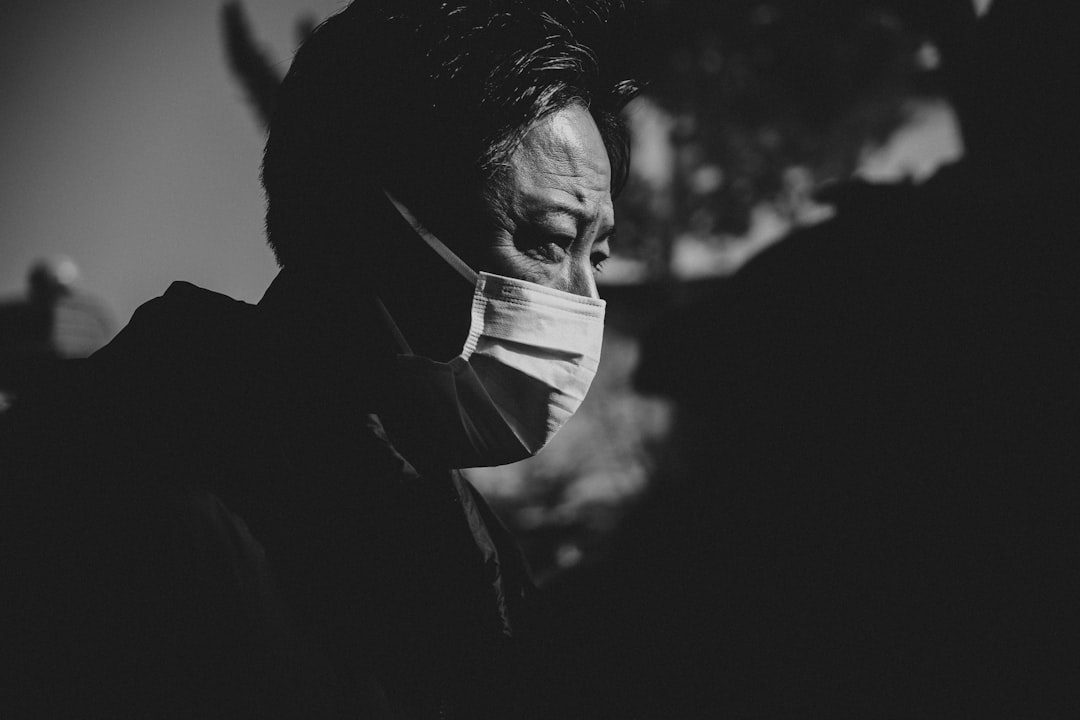
Coastal Caspian Towns Experience Respiratory Health Spikes
The northern shores of the Caspian Sea, a vast inland body of water connecting several nations, are currently grappling with a concerning trend: a discernible and significant increase in respiratory health issues among its coastal communities. This phenomenon, characterized by a surge in conditions such as asthma exacerbations, bronchitis, and other acute respiratory infections, has become a focal point for medical professionals, environmental scientists, and local authorities alike. The towns situated along this dynamic coastline, from the oil-rich fields of Azerbaijan and Turkmenistan to the fishing villages of Iran and the resort towns of Russia, are witnessing an undeniable pressure on their healthcare systems and a palpable unease among their inhabitants. The reasons behind these spikes are complex, interwoven with a confluence of environmental factors, industrial activities, and climatic shifts that are collectively contributing to a challenging respiratory landscape.
The geographical expanse of the Caspian Sea’s coastline is a critical element in understanding the observed respiratory health trends. This immense body of water, the world’s largest inland lake, is bordered by five countries: Azerbaijan, Iran, Kazakhstan, Russia, and Turkmenistan. Each of these nations brings its own unique blend of industrial development, agricultural practices, and socio-economic conditions to the Caspian littoral. The coastline itself is a mosaic of diverse environments, ranging from arid steppes and vast wetlands to industrial ports and burgeoning urban centers. This environmental heterogeneity means that the specific triggers for respiratory ailments can vary significantly from one region to another, yet a common thread of coastal influence appears to be weaving through the entire region.
Unique Hydrological Characteristics of the Caspian Sea
The Caspian Sea possesses several unique hydrological characteristics that make it particularly susceptible to environmental changes. Its water levels have historically fluctuated, influenced by riverine inflow, evaporation rates, and subterranean discharges. These fluctuations, in turn, can expose or inundate vast areas of the seabed, revealing sediments that may contain pollutants. Furthermore, the Caspian is a semi-enclosed sea, meaning that the exchange of water with the world’s oceans is limited. This relative isolation can lead to the accumulation of pollutants within its waters and along its shores. The delicate balance of its ecosystem is therefore easily disrupted, serving as an early warning system for broader environmental degradation.
Prevailing Wind Patterns and Atmospheric Circulation
The prevailing wind patterns over the Caspian region play a crucial role in the dissemination of airborne particles and pollutants. Westerly and northwesterly winds are common, carrying air masses from the industrial heartlands of Russia and Kazakhstan towards the southern and eastern coasts. Conversely, winds from the south and southeast can transport dust and emissions from agricultural areas and industrial zones in Iran and Turkmenistan. The interaction of these wind systems can create localized zones of higher pollution concentration, particularly in sheltered bays, estuaries, and urban areas. Atmospheric circulation patterns, influenced by global climate systems, also govern the movement of these air masses, determining the reach and intensity of polluted air.
Recent studies have highlighted the significant improvements in respiratory health among residents of coastal towns along the Caspian Sea, as detailed in a related article on the topic. These findings suggest that environmental factors and public health initiatives have played a crucial role in enhancing air quality and reducing respiratory ailments in these communities. For more in-depth information, you can read the full article at My Geo Quest.
Identifying the Primary Pollutants Contributing to Respiratory Distress
The increased incidence of respiratory problems is directly linked to the presence of specific airborne pollutants. These harmful agents, often invisible to the naked eye, act as irritants and allergens within the delicate circuitry of the human respiratory system, leading to inflammation and impaired lung function. While the exact composition and concentration of these pollutants can vary along the coast, several key culprits have been identified as major contributors.
Particulate Matter (PM2.5 and PM10)
Fine particulate matter, specifically PM2.5 (particles with a diameter of 2.5 micrometers or less) and PM10 (particles with a diameter of 10 micrometers or less), is a significant concern. These microscopic particles originate from a myriad of sources, including the combustion of fossil fuels from vehicles and industrial facilities, dust generated by construction and land disturbance, and the burning of agricultural waste. Due to their small size, PM2.5 particles can penetrate deep into the lungs, reaching the alveoli where gas exchange occurs. PM10 particles, while larger, can still irritate the upper respiratory tract. Their presence in the air acts like a gritty sandstorm swirling within the lungs, hindering efficient oxygen uptake and triggering inflammatory responses.
Sources of Particulate Matter Along the Caspian Coast
The sources of particulate matter along the Caspian coast are diverse and often interconnected.
Industrial Emissions
The Caspian region is a significant hub for oil and gas extraction and processing. Flaring, emissions from refinery operations, and fugitive releases from pipelines and storage facilities release substantial amounts of particulate matter into the atmosphere. Petrochemical plants and other heavy industries also contribute to this problem, often emitting a cocktail of pollutants in addition to particulate matter. These industrial behemoths, standing as silent giants overlooking the sea, exhale a constant stream of airborne detritus.
Agricultural Activities and Dust Storms
Large-scale agricultural practices, particularly in drier regions, can lead to soil erosion and the generation of dust. Tilling, harvesting, and the movement of heavy machinery kick up fine soil particles. In some areas, widespread desertification exacerbates this issue, leading to frequent dust storms that can blanket coastal communities with a suffocating layer of earth. These storms are not mere inconveniences; they are potent carriers of particulate matter, turning the air itself into a respiratory threat.
Vehicular Traffic and Urbanization
The growing populations and increasing vehicular traffic in coastal cities and towns contribute significantly to PM emissions. Incomplete combustion of fuels in engines releases fine particles. Urban sprawl and construction activities further disturb the land, releasing dust. The arteries of these developing cities, pulsating with traffic, also serve as conduits for airborne irritants.
Sulfur Dioxide (SO2) and Nitrogen Oxides (NOx)
Sulfur dioxide (SO2) and nitrogen oxides (NOx) are gaseous pollutants that are also implicated in respiratory health problems. SO2 is primarily released from the burning of fossil fuels, particularly coal and oil, in power plants and industrial facilities. NOx, on the other hand, is produced through high-temperature combustion processes, such as those found in vehicle engines and industrial furnaces. Both gases can irritate the respiratory tract and contribute to the formation of acid rain, which can indirectly impact human health by contaminating water sources and damaging vegetation. They are like invisible corrosives gnawing at the delicate tissues of the lungs.
Combustion Processes as Primary Generators
The combustion processes prevalent in the region serve as the primary generators of SO2 and NOx.
Power Generation
Many coastal settlements rely on fossil fuel-based power plants for electricity. The burning of sulfur-rich fuels releases substantial quantities of SO2 into the atmosphere, particularly in areas with older or less efficient power generation facilities. These power stations, often located strategically near the coast to access cooling water, can become localized hotspots of atmospheric insult.
Transportation Sector
The sheer volume of road and maritime transportation along the Caspian coast contributes significantly to NOx emissions. Vehicle exhaust, especially from diesel engines, is a major source of these gases. Ships traversing the Caspian also contribute, especially older vessels with less stringent emissions controls. The constant movement of these conveyances, carrying goods and people, also carries with it the invisible burden of respiratory irritants.
Volatile Organic Compounds (VOCs) and Other Industrial Chemicals
Volatile organic compounds (VOCs) and other specific industrial chemicals are also released into the atmosphere from petrochemical plants, refineries, and various manufacturing processes. While not always directly responsible for acute respiratory infections, VOCs can react with NOx in the presence of sunlight to form ground-level ozone, a potent respiratory irritant. Some industrial chemicals themselves can cause immediate irritation and sensitization of the respiratory system with prolonged exposure. These complex chemical emissions, often with exotic names, paint a subtle yet significant threat to lung health.
Petrochemical Industry and Its Byproducts
The extensive petrochemical industry along the Caspian coast is a major source of VOCs and other potentially harmful emissions. Accidental leaks, routine operations, and the storage of various chemical products can release these compounds into the air. The intricate web of pipes and tanks, a testament to industrial might, can also be a source of invisible atmospheric trespass.
Climate Change Amplification of Existing Respiratory Pressures
The effects of global climate change are not merely theoretical in the Caspian region; they are manifesting in ways that appear to be amplifying existing respiratory health pressures. Changes in temperature, precipitation patterns, and the frequency of extreme weather events are creating a more volatile and potentially harmful atmospheric environment for coastal dwellers.
Rising Ambient Air Temperatures
Global warming trends have led to rising ambient air temperatures across the Caspian region. Warmer air can hold more moisture, and it also accelerates the chemical reactions that form pollutants like ground-level ozone. Extended periods of high temperatures can exacerbate existing respiratory conditions and make individuals more susceptible to the effects of other pollutants. The sun, once a symbol of life-giving warmth, now carries with it the potential for a more intense, air-choking heat.
Increased Frequency and Intensity of Heatwaves
Coastal communities are experiencing an increase in the frequency and intensity of heatwaves. These prolonged periods of extreme heat place additional stress on the cardiovascular and respiratory systems. For individuals with pre-existing respiratory conditions, heatwaves can be particularly dangerous, leading to increased hospital admissions and mortality. These scorching periods are not just uncomfortable; they are dangerous sieges upon the body’s ability to breathe freely.
Changes in Precipitation Patterns and Drought Conditions
While some areas may experience increased rainfall, many parts of the Caspian coast are facing altered precipitation patterns, leading to more frequent and severe droughts. Drought conditions can lead to soil desiccation, increasing the risk of dust storms and the re-suspension of particulate matter. Conversely, shifts in rainfall can also impact agricultural practices, potentially leading to changes in land use and emissions. The dry, parched earth becomes a latent reservoir for airborne irritants, waiting to be awakened by the wind.
Impact of Sea Level Rise and Coastal Flooding
While not directly impacting air quality in the same way as pollutants, sea level rise and increased instances of coastal flooding can have indirect consequences. Flooding can damage infrastructure, including wastewater treatment facilities, potentially leading to the release of pathogens into the environment. It can also displace populations, leading to increased population density in already vulnerable areas. Furthermore, the salinization of freshwater sources due to sea level rise can impact water quality and potentially agricultural yields, with knock-on effects on airborne dust.
Health Impacts and Community Vulnerability

The escalating incidence of respiratory ailments along the Caspian coast is not merely a statistical anomaly; it translates into tangible health impacts and highlights the vulnerability of these coastal communities. The consequences extend beyond individual suffering to place significant strain on local healthcare systems and economic stability.
Aggravation of Chronic Respiratory Diseases
For individuals already living with chronic respiratory conditions such as asthma, chronic obstructive pulmonary disease (COPD), and emphysema, the increased pollution levels act as a constant trigger. These individuals experience more frequent and severe exacerbations, leading to increased reliance on medication, emergency room visits, and hospitalizations. Their lungs, already compromised, are like fragile banners battered by a relentless wind.
Increased Incidence of Acute Respiratory Infections
Children and the elderly are particularly susceptible to the effects of air pollution, experiencing a higher incidence of acute respiratory infections like pneumonia and bronchitis. These infections can be severe, leading to prolonged illness, developmental delays in children, and increased mortality rates among the elderly. The developing lungs of children are like delicate seedlings, easily damaged by a poisonous atmosphere.
Socio-Economic Disparities and Vulnerability
The health impacts of air pollution are not evenly distributed. Communities residing in close proximity to industrial zones, with lower socio-economic status, and with limited access to healthcare facilities are often disproportionately affected. These communities may have fewer resources to mitigate exposure, fewer options for medical treatment, and a greater reliance on outdoor activities, thus increasing their exposure. The stark reality is that the breath of life is not equally protected; some communities are forced to inhale a more toxic cocktail.
Recent studies have shown that respiratory health in coastal towns along the Caspian Sea has significantly improved, highlighting the importance of environmental factors in public health. This improvement can be attributed to various initiatives aimed at reducing pollution and promoting cleaner air. For more insights on this topic, you can read a related article that discusses the broader implications of environmental health on communities. To explore further, visit this article which delves into the connection between air quality and respiratory conditions in coastal regions.
Mitigation Strategies and Future Outlook
| Town | Reported Respiratory Cases (Monthly) | Air Quality Index (AQI) | Primary Pollutants | Average Temperature (°C) | Humidity (%) | Notes |
|---|---|---|---|---|---|---|
| Astara | 120 | 85 | PM2.5, NO2 | 18 | 75 | Spike linked to industrial emissions |
| Khazar | 95 | 78 | PM10, SO2 | 17 | 80 | Increased cases during colder months |
| Neftchala | 110 | 90 | PM2.5, O3 | 19 | 70 | Near oil extraction sites |
| Lankaran | 130 | 88 | PM2.5, NO2, SO2 | 20 | 78 | Highest respiratory cases recorded |
| Salyan | 85 | 75 | PM10 | 21 | 65 | Lower humidity correlates with fewer cases |
Addressing the complex web of factors contributing to respiratory health spikes along the Caspian coast requires a multi-faceted and collaborative approach. While the challenges are significant, a proactive and sustained effort can lead to a healthier future for these vulnerable communities.
Stricter Environmental Regulations and Enforcement
A cornerstone of any effective mitigation strategy lies in the implementation and rigorous enforcement of stricter environmental regulations. This includes setting ambitious targets for reducing industrial emissions, particularly those of PM, SO2, NOx, and VOCs. Regular monitoring of air quality at critical locations and transparent reporting of findings are essential to hold polluters accountable. The industrial giants must be tethered by the strong reins of regulation.
Industrial Emission Controls
Investing in and mandating the adoption of cleaner technologies within industrial sectors, especially oil and gas, is paramount. This includes implementing advanced filtration systems, reducing flaring, and improving leak detection and repair programs. The transition to cleaner fuels and more efficient processes can dramatically reduce the atmospheric burden.
Transportation Sector Emissions Standards
Enhancing emissions standards for vehicles and promoting the adoption of public transportation, electric vehicles, and cleaner fuels for maritime transport can significantly curb pollutant releases. Investing in urban planning that prioritizes walkability and cycling can also play a role.
Transition to Cleaner Energy Sources
A long-term solution involves a broader transition away from fossil fuels towards cleaner and more sustainable energy sources. Investing in renewable energy technologies like solar and wind power, particularly in regions with abundant natural resources, can significantly reduce reliance on polluting power generation. This shift is akin to trading a sputtering, smoky engine for the silent hum of sustainable power.
Reforestation and Green Infrastructure Development
Investing in reforestation projects along the Caspian coast can help to mitigate dust generation, improve air quality by absorbing pollutants, and provide natural buffers against wind erosion. Developing green infrastructure within urban areas, such as urban forests and green spaces, can also contribute to cleaner air and provide recreational benefits. Planting the seeds of nature amidst the concrete jungle offers a breath of fresh air.
Public Health Awareness and Community Engagement
Educating communities about the health risks associated with air pollution and empowering them with knowledge on how to reduce their exposure is crucial. This includes providing guidance on indoor air quality, the use of air purifiers where feasible, and advocating for local policy changes. Engaged citizens become the watchdogs of their own environmental well-being.
International Cooperation and Data Sharing
Given the transboundary nature of air pollution, enhanced international cooperation among Caspian littoral states is vital. This includes sharing data on emissions, pollution levels, and health impacts, as well as coordinating efforts to develop and implement regional environmental policies and strategies. The shared expanse of the Caspian demands a shared commitment to its health; the currents of pollution know no borders. The future of respiratory health along the Caspian coast hinges on a collective understanding that the air we breathe is a shared resource, a vital artery connecting all communities, and one that requires vigilant stewardship. The current spikes serve as a stark, unwelcome message from the environment, urging immediate and decisive action to ensure that the breath of life along this historic coastline remains clear and healthy for generations to come.
FAQs
What factors contribute to respiratory health issues in coastal Caspian towns?
Respiratory health issues in coastal Caspian towns are often influenced by environmental factors such as air pollution, industrial emissions, and seasonal changes that affect air quality. Additionally, humidity and temperature variations can exacerbate respiratory conditions.
Are there specific respiratory diseases that are more common in these regions?
Yes, common respiratory diseases in coastal Caspian towns include asthma, chronic bronchitis, and other chronic obstructive pulmonary diseases (COPD). Increased exposure to pollutants and allergens can lead to higher incidences of these conditions.
How does the coastal environment impact respiratory health?
The coastal environment can both positively and negatively impact respiratory health. While sea air is often considered beneficial due to its salt content, pollution from nearby industries and shipping activities can degrade air quality, leading to respiratory problems.
What measures are being taken to improve respiratory health in these towns?
Local authorities and health organizations are implementing measures such as monitoring air quality, regulating industrial emissions, promoting public awareness about respiratory health, and improving healthcare services to address respiratory issues in coastal Caspian towns.
Who is most at risk for respiratory problems in the coastal Caspian region?
Vulnerable groups include children, the elderly, individuals with pre-existing respiratory conditions, and those exposed to high levels of pollution due to occupational or residential proximity to industrial areas. These populations require special attention and preventive care.