
The Unfolding Crisis: Understanding Coastal and Riverine Displacement in Bangladesh
Bangladesh, a nation sculpted by water, faces an existential threat born from the very element that defines its geography. The country’s low-lying deltaic plains, crisscrossed by a vast network of rivers and embracing a long coastline, make it exceptionally vulnerable to the impacts of climate change and natural disasters. For millions of Bangladeshis, life is a precarious existence, constantly under siege from rising sea levels, intensifying cyclones, and erratic river flows. This article delves into the multifaceted causes and profound impacts of coastal and riverine displacement in Bangladesh, exploring the intricate web of environmental, social, and economic factors that drive this ongoing crisis.
Coastal and riverine displacement in Bangladesh has become a pressing issue due to the increasing impacts of climate change, including rising sea levels and intensified flooding. For a deeper understanding of this topic, you can explore the related article that discusses the socio-economic implications of such displacements and the adaptive strategies being employed by affected communities. To read more, visit this article.
The Looming Threat: Environmental Drivers of Displacement
The primary catalysts for displacement in Bangladesh are deeply rooted in environmental degradation and the escalating realities of climate change. These forces, often interconnected, systematically erode the habitability of coastal and riverine communities, forcing their inhabitants to seek refuge elsewhere, often in already overburdened urban centers or in precarious camps.
Rising Seas and Coastal Erosion
The relentless ascent of global sea levels, a direct consequence of melting glaciers and thermal expansion of ocean water, poses an immediate and devastating threat to Bangladesh’s extensive coastline. This slow but insidious process leads to several calamizing phenomena. Salinization of freshwater sources is a significant concern, rendering agricultural land infertile and impacting drinking water availability. Coastal erosion, exacerbated by rising tides and storm surges, systematically claims land, homes, and vital infrastructure. Villages that have stood for generations are gradually swallowed by the sea, leaving behind a trail of shattered lives and displaced families. The Sundarbans, the world’s largest mangrove forest and a crucial natural buffer for the coast, is also under immense pressure from sea-level rise and increased salinity, diminishing its protective capacity and further imperiling the communities it shelters.
Intensified Cyclones and Storm Surges
Bangladesh is no stranger to cyclones, but climate change is amplifying their frequency and intensity. Warmer ocean temperatures provide more energy for these destructive storms, leading to more powerful winds and higher storm surges. When these colossal waves crash ashore, they inundate vast tracts of land, destroying homes, livestock, and livelihoods in their wake. The immediate aftermath of a major cyclone often sees widespread displacement, with communities forced to abandon their homes for safer ground. The recurring nature of these events prevents many from returning and rebuilding, creating a cycle of displacement that can last for years. The psychological toll of living in constant fear of the next storm is immense, contributing to chronic stress and trauma among affected populations.
Riverbank Erosion and Flooding Dynamics
Beyond the coast, the country’s intricate river system is another major driver of displacement. Rivers like the Jamuna, Padma, and Meghna are dynamic and often volatile. Increased rainfall intensity due to climate change, coupled with deforestation in upstream areas, contributes to more powerful and unpredictable river flows. This leads to severe riverbank erosion, a phenomenon where the soil along the riverbanks is continuously washed away, engulfing villages and farmland. Flooding, both flash floods and prolonged inundation, is also a recurring issue. Vast river basins are submerged during monsoon seasons, destroying crops, damaging infrastructure, and forcing people to move. The cumulative effect of these hydrological changes is a continuous and often permanent loss of land and livelihoods, making sustained agriculture and settlement impossible for many.
Waterlogging and Land Degradation
In low-lying areas, particularly in the south, waterlogging is a persistent problem. This occurs when drainage systems are overwhelmed by heavy rainfall or tidal inundation, leading to prolonged periods of standing water. Such conditions render agricultural land unusable for extended periods, impacting food security and economic stability. The inability to cultivate crops directly affects the income and survival of rural populations, pushing them towards migration. Land degradation, in its various forms – salinization, waterlogging, and erosion – transforms once-fertile land into unproductive terrain, a stark testament to the environmental pressures faced by these communities.
The Human Cost: Socioeconomic Impacts of Displacement
The environmental forces driving displacement in Bangladesh have profound and far-reaching socioeconomic consequences, creating a complex web of challenges that extend far beyond the immediate loss of homes and land. The human cost of this crisis is immense, impacting individuals, families, and the nation as a whole.
Loss of Livelihoods and Economic Vulnerability
For the vast majority of displaced individuals, the primary livelihood is agriculture or fishing. The loss of arable land to erosion, salinization, or flooding directly translates into the loss of their primary source of income. Similarly, riverine and coastal communities that depend on fishing find their livelihoods destroyed by altered water courses, pollution, and damage to fishing grounds. This abrupt loss of economic independence pushes families into deep poverty. Without land to cultivate or fish to catch, they are forced to rely on precarious and often exploitative forms of labor, such as informal sector work in urban slums, where wages are low and working conditions are poor. The lack of marketable skills further compounds their vulnerability, trapping them in a cycle of destitution.
Food Insecurity and Malnutrition
When agricultural land becomes infertile or is lost entirely, food production plummets. Displaced communities, already struggling financially, find themselves unable to access sufficient food. This leads to widespread food insecurity, with children and the elderly being the most vulnerable. Malnutrition becomes a pervasive issue, with long-term consequences for physical and cognitive development. The reliance on external aid, while crucial in the short term, is not a sustainable solution and often fails to reach all those in need. The erosion of local food systems creates a dependency that can be difficult to break.
Health Crises and Vulnerability to Disease
Displacement often forces people to relocate to overcrowded and unsanitary conditions, both in informal settlements and temporary shelters. This lack of proper sanitation, clean water, and adequate housing creates fertile ground for the spread of infectious diseases. Waterborne illnesses like cholera and diarrhea become rampant, particularly after floods or cyclones. Respiratory infections are common in overcrowded shelters. Mental health issues, including depression, anxiety, and post-traumatic stress disorder, are also prevalent, stemming from the trauma of loss, the uncertainty of the future, and the stress of adapting to a new and often hostile environment. Access to healthcare is often limited in these displaced communities, exacerbating the health crisis.
Social Disruption and Loss of Cultural Heritage
The displacement of communities results in the fragmentation of social structures. Long-standing kinship ties and community support networks are disrupted as people are scattered across different locations. This loss of social cohesion can lead to feelings of isolation and alienation. Traditional cultural practices and heritage, often tied to specific geographic locations and community rituals, are also threatened. Languages, folklore, and traditional knowledge systems can weaken or disappear when communities are uprooted and forced to assimilate into new environments. This cultural erosion represents a significant loss for both the displaced communities and for Bangladesh as a whole.
Increased Urban Poverty and Strain on Infrastructure
A significant proportion of displaced individuals migrate to urban centers, particularly Dhaka, Chittagong, and Khulna, seeking economic opportunities. This influx of people, often without formal skills or adequate resources, places immense strain on already overburdened urban infrastructure. Slums proliferate, characterized by inadequate housing, poor sanitation, and limited access to basic services like clean water, electricity, and waste management. The competition for scarce resources intensifies, leading to social tensions and increased crime rates. Urban poverty deepens, creating a new set of challenges for both the migrants and the host communities.
The Cycle of Vulnerability: Identifying Key Contributing Factors
While environmental factors are the immediate triggers for displacement, a complex interplay of socioeconomic vulnerabilities and governance challenges exacerbates the problem and traps communities in a cycle of vulnerability. Understanding these underlying factors is crucial for developing effective and sustainable solutions.
Poverty and Lack of Resources
Pre-existing poverty is a significant factor that amplifies the impact of environmental shocks. Households with limited savings, few assets, and no access to credit are far less resilient when disaster strikes. They lack the financial cushion to cope with the immediate aftermath of a cyclone or flood, and they are less able to invest in protective measures or relocate themselves with dignity. The inability to recover from one event makes them more susceptible to the next, perpetuating their vulnerability. This lack of resources prevents them from adapting to changing environmental conditions.
Inadequate Infrastructure and Disaster Preparedness
Despite efforts, the infrastructure in many vulnerable coastal and riverine areas remains inadequate. This includes a lack of robust embankments, cyclone shelters, and proper drainage systems. Disaster preparedness plans, while existing, are often hampered by insufficient funding, poor implementation, and a lack of community engagement. Early warning systems may not reach remote areas effectively, and evacuation procedures can be chaotic. The absence of resilient infrastructure means that even moderate environmental events can lead to significant destruction and displacement.
Land Tenure Insecurity and Property Rights
Ambiguous or insecure land tenure systems can complicate displacement and recovery efforts. When land is lost to erosion or inundation, establishing clear ownership and compensation can be challenging. This can lead to disputes and further marginalization of displaced individuals. In urban areas where migrants settle, lack of secure housing and property rights can leave them vulnerable to eviction and exploitation. Clear and equitable land policies are essential for ensuring fair treatment and support for those who have lost their land.
Limited Access to Education and Healthcare
In many vulnerable communities, access to quality education and healthcare is limited. This perpetuates a cycle of poverty by hindering opportunities for upward mobility and making individuals more susceptible to health problems. When displacement occurs, these already limited services become even more inaccessible, further compounding the challenges faced by affected populations. The lack of access to education also means that fewer individuals are equipped with the skills needed to adapt to new economic realities or to participate effectively in decision-making processes.
Weak Governance and Policy Implementation Gaps
While Bangladesh has made progress in disaster management and climate change adaptation, there are often gaps in governance and policy implementation. Bureaucratic inefficiencies, corruption, and a lack of coordination between different government agencies can hinder the effective delivery of aid and support to displaced populations. Policies aimed at rehabilitation and resettlement may be poorly designed or inadequately resourced, failing to address the long-term needs of those affected. Strengthening governance structures and ensuring effective implementation of policies are critical for managing this crisis.
Coastal and riverine displacement in Bangladesh has become an increasingly pressing issue due to climate change and rising sea levels. Many communities are facing the harsh realities of losing their homes and livelihoods, prompting a need for effective adaptation strategies. For a deeper understanding of the challenges and potential solutions related to this phenomenon, you can explore a related article that provides valuable insights into the ongoing situation and its implications for the affected populations. To read more, visit this article.
Addressing the Crisis: Pathways to Resilience and Adaptation
| Metric | Value | Unit | Year | Notes |
|---|---|---|---|---|
| Number of people displaced annually | 250,000 | people | 2023 | Due to river erosion and coastal flooding |
| Area affected by river erosion | 1,200 | km² | 2023 | Primarily in southern and central Bangladesh |
| Coastal land lost to sea level rise | 20 | km² per year | 2022 | Accelerated by climate change |
| Percentage of displaced people relocating to urban areas | 65 | % | 2023 | Mostly to Dhaka and Chittagong |
| Average duration of displacement | 5 | years | 2023 | Many remain displaced due to lack of resettlement options |
| Number of government resettlement projects | 12 | projects | 2023 | Focused on coastal and riverine vulnerable populations |
Mitigating and adapting to the pervasive threat of coastal and riverine displacement requires a comprehensive, multi-pronged approach that addresses both the root causes and the immediate consequences of this crisis. This necessitates a shift towards sustainable development, robust disaster management, and strong social protection mechanisms.
Investing in Climate Change Adaptation and Mitigation
A fundamental step is to significantly increase investment in climate change adaptation measures. This includes strengthening coastal embankments, improving early warning systems, developing climate-resilient infrastructure, and promoting climate-smart agriculture. Promoting mangrove restoration and conservation is vital, as these natural defenses play a critical role in protecting coastal communities from storm surges and erosion. Furthermore, Bangladesh must advocate for and contribute to global mitigation efforts to reduce greenhouse gas emissions, as the ultimate solution lies in limiting global warming.
Enhancing Disaster Preparedness and Response
Strengthening disaster preparedness and response mechanisms is paramount. This involves regularly updating and testing evacuation plans, ensuring adequate supplies of relief materials, and improving communication channels to reach all vulnerable populations. Community-based disaster management committees need to be empowered and resourced, fostering local ownership and knowledge in preparedness efforts. Investing in robust shelters that can withstand extreme weather events is also crucial.
Promoting Sustainable Livelihoods and Economic Diversification
To counter the loss of traditional livelihoods, there is a need to promote sustainable and diversified economic opportunities. This includes investing in vocational training for displaced individuals, supporting micro-enterprises, and fostering the growth of sectors that are less vulnerable to climate impacts. Promoting climate-resilient agriculture, aquaculture, and ecotourism can provide alternative income streams. Financial inclusion through micro-credit schemes can empower individuals to invest in new ventures and build resilience.
Strengthening Social Protection Systems and Urban Planning
Robust social protection systems are essential to provide a safety net for displaced populations. This includes cash transfer programs, food assistance, and access to essential services like healthcare and education. For those migrating to urban areas, integrated urban planning is crucial. This involves developing adequate housing, sanitation, and public services in informal settlements, and ensuring that urban development plans are inclusive and consider the needs of vulnerable populations. Investing in job creation and skills development in urban areas will also help integrate migrants more effectively.
International Cooperation and Climate Finance
Addressing the scale of displacement in Bangladesh requires significant international cooperation and financial assistance. Developed nations, which are largely responsible for historical greenhouse gas emissions, must fulfill their commitments to provide climate finance to developing countries like Bangladesh to support adaptation and mitigation efforts. Collaborative research and knowledge sharing on best practices for disaster management and climate resilience are also vital. Partnerships with international organizations and NGOs can strengthen the capacity of local communities and government agencies.
The Unfinished Journey: A Call for Action and Solidarity
The challenge of coastal and riverine displacement in Bangladesh is a stark reminder of the disproportionate impact of climate change on vulnerable nations. It is a humanitarian crisis that demands immediate and sustained attention from both national governments and the international community. The stories of resilience and adaptation in the face of overwhelming odds are inspiring, but they are also a testament to the urgent need for systemic change.
Empowering Communities and Fostering Participation
Any effective solution must place the empowerment of affected communities at its core. This means actively involving them in the planning and implementation of adaptation strategies, respecting their traditional knowledge, and ensuring their voices are heard in decision-making processes. Participatory approaches foster ownership and lead to more sustainable and contextually appropriate solutions. The dignity and agency of displaced individuals must be upheld throughout the process.
Addressing Root Causes and Long-Term Planning
While immediate relief is crucial, a long-term perspective is essential. Addressing the root causes of vulnerability, including poverty, inequality, and unsustainable development practices, is as important as responding to immediate needs. This requires a shift in national development priorities and a commitment to integrating climate resilience into all aspects of planning and policy-making. Future planning must anticipate further displacement and develop strategies for planned relocation and adaptation where necessary.
Fostering Global Solidarity and Accountability
The international community has a moral and ethical responsibility to support Bangladesh in its fight against climate change and its devastating consequences. This includes providing adequate and accessible climate finance, sharing technological expertise, and holding major polluting nations accountable for their emissions. Solidarity with Bangladesh is not merely an act of charity; it is an investment in a more just and sustainable global future. The fate of coastal communities in Bangladesh is intrinsically linked to the global effort to combat climate change. Ignoring this crisis would be a grave moral failure and a dangerous oversight for global security and stability. The journey towards resilience is ongoing, and collective action is the only path forward.
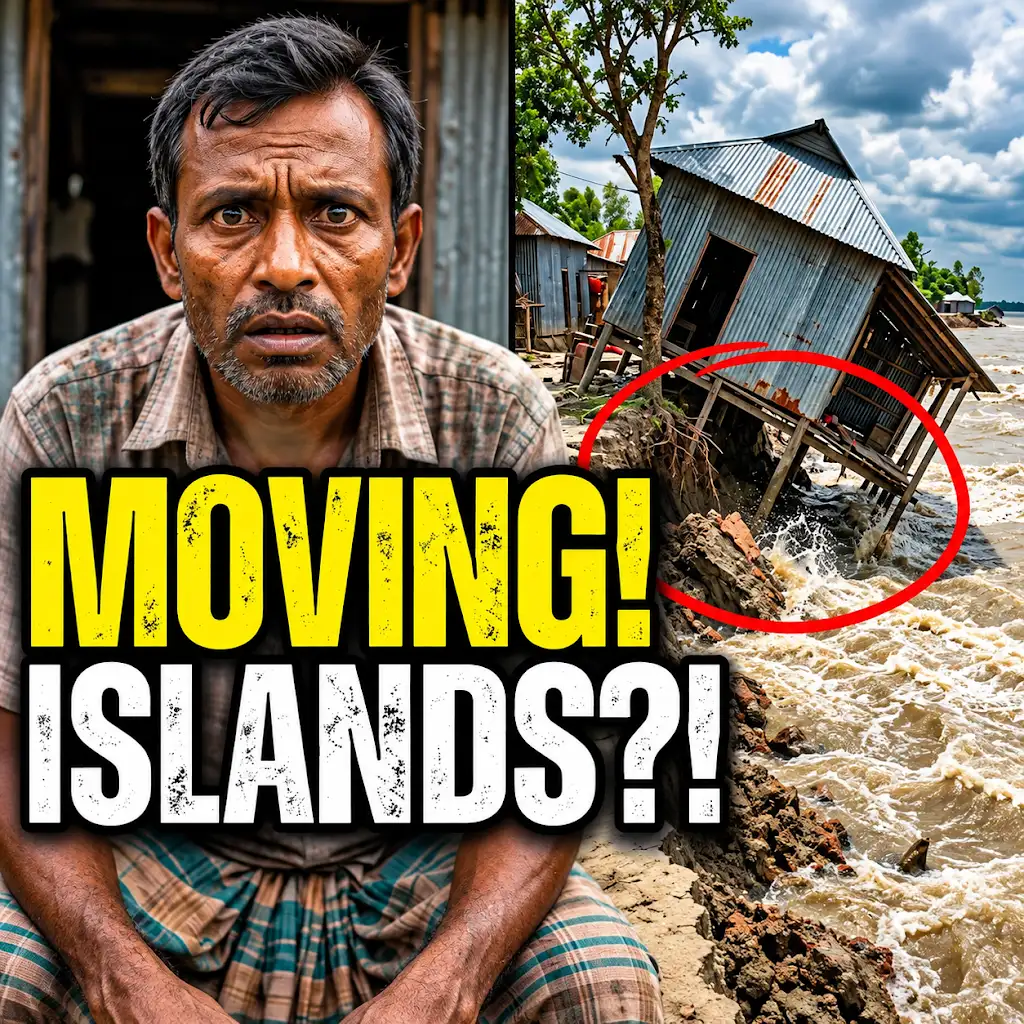
This River is Literally Erasing Islands
FAQs
What is coastal and riverine displacement in Bangladesh?
Coastal and riverine displacement in Bangladesh refers to the forced movement of people living in coastal and riverine areas due to natural disasters such as cyclones, floods, and erosion caused by climate change.
How many people are affected by coastal and riverine displacement in Bangladesh?
It is estimated that millions of people in Bangladesh are affected by coastal and riverine displacement, with a significant portion of the population living in vulnerable areas prone to frequent natural disasters.
What are the main causes of coastal and riverine displacement in Bangladesh?
The main causes of coastal and riverine displacement in Bangladesh include cyclones, floods, riverbank erosion, sea-level rise, and other climate change-related factors that threaten the livelihoods and homes of communities living in these areas.
How does coastal and riverine displacement impact the affected communities in Bangladesh?
Coastal and riverine displacement in Bangladesh leads to loss of homes, livelihoods, and agricultural lands, forcing communities to migrate to urban areas in search of better living conditions. This displacement also results in increased poverty and vulnerability among the affected populations.
What measures are being taken to address coastal and riverine displacement in Bangladesh?
The government of Bangladesh, along with various international organizations and NGOs, is implementing measures such as building cyclone shelters, embankments, and early warning systems to mitigate the impact of natural disasters and reduce the vulnerability of communities living in coastal and riverine areas.