The Earth’s climate is in constant flux, a fact that has become undeniably apparent in recent decades. Extreme weather events – once considered rare anomalies – are now occurring with increasing frequency and intensity, posing significant challenges to the fabric of human society. From coastal cities battling rising sea levels and intensified storm surges to inland communities grappling with prolonged droughts and devastating floods, the impacts of climate change are far-reaching and demand immediate attention. Critical infrastructure, the lifeblood of modern civilization, is particularly vulnerable. Bridges, roads, power grids, water treatment facilities, and communication networks are all susceptible to damage or complete failure under the strain of erratic weather patterns. It is within this context that the concept of climate-resilient infrastructure has emerged not as a luxury, but as an absolute necessity. Building for the future means constructing and retrofitting our essential systems to withstand the inevitable shocks and stresses of a changing climate, ensuring their continued functionality and safeguarding communities for generations to come. This paradigm shift in thinking moves beyond traditional engineering approaches, integrating a deep understanding of climate science and future projections into every stage of infrastructure development and maintenance.
The interconnectedness of modern infrastructure means that a failure in one system can cascade and cripple others, amplifying the impact of climate-related disruptions. For instance, a widespread power outage due to a severe storm can halt water pumps, disrupt communication networks, and bring transportation to a standstill, leaving entire populations isolated and vulnerable.
The Growing Impact of Extreme Weather Events
The scientific consensus is clear: anthropogenic climate change is driving an increase in the frequency and intensity of extreme weather events. This is not a distant future concern; it is a present reality that is already testing the limits of our existing infrastructure.
Increased Frequency and Intensity of Storms and Flooding
Coastal communities are on the front lines of rising sea levels and more powerful hurricanes and typhoons. These events inundate low-lying areas, damage vital transportation arteries, and compromise critical facilities like hospitals and power substations. Inland, riverine flooding, exacerbated by changing precipitation patterns and reduced snowpack, can overwhelm drainage systems and breach levees, leading to widespread destruction. The sheer volume of water and the force of debris carried by floodwaters can utterly destroy built structures that were not designed for such extreme hydrological pressures.
Intensified Heatwaves and Droughts
Conversely, prolonged periods of extreme heat and drought pose a different but equally significant threat. Heatwaves can buckle roads and railway tracks, overload power grids as demand for cooling skyrockets, and strain water resources, impacting everything from agriculture to public health. Droughts can lead to subsidence, affecting the stability of buildings and infrastructure, and can also lead to increased wildfire risk, which can directly destroy infrastructure or indirectly impact it through smoke pollution and ash deposition.
The Interplay of Climate Hazards
It is crucial to recognize that these hazards rarely occur in isolation. A prolonged drought followed by intense rainfall can create devastating mudslides. Heatwaves can dry out vegetation, making it more susceptible to ignition during lightning storms, with the resulting wildfires then impacting air quality and potentially damaging infrastructure. This complex interplay underscores the need for a holistic approach to climate resilience.
The Vulnerability of Critical Infrastructure Sectors
Specific sectors of infrastructure are particularly susceptible to climate impacts, each with its own unique set of challenges.
Transportation Networks
Roads, bridges, rail lines, and airports are the circulatory system of our economies and societies. Increased heat can cause asphalt to soften and buckle, leading to potholes and structural damage. Freeze-thaw cycles, amplified by erratic temperature shifts, can accelerate the degradation of road surfaces and bridge foundations. Coastal transportation infrastructure is additionally threatened by sea-level rise and storm surges, which can inundate and erode roadways and damage port facilities. Inland, heavy rainfall can lead to landslides that obstruct rail lines, and flooding can render roads impassable.
Energy Systems
The reliable delivery of electricity is fundamental to all aspects of modern life. Power plants, transmission lines, and substations are vulnerable to a range of climate impacts. Extreme heat can reduce the efficiency of power generation and strain cooling systems. High winds, ice storms, and wildfires can topple transmission towers and damage power lines. Coastal power infrastructure faces the dual threat of sea-level rise and storm surges. Extreme cold can also cause significant damage to equipment and increase demand for heating, leading to grid instability.
Water and Wastewater Management
Access to clean water and the safe disposal of wastewater are paramount for public health. Droughts can deplete reservoir levels, leading to water shortages and necessitating restrictions on usage. Intense rainfall and flooding can overwhelm wastewater treatment plants, leading to the discharge of untreated sewage into waterways. Sea-level rise can also impact coastal water infrastructure, leading to saltwater intrusion into freshwater supplies and compromising the functionality of drainage systems. Levee failures, often triggered by extreme precipitation events, can inundate water treatment facilities, rendering them inoperable.
Communication Networks
In an increasingly digital world, robust communication networks are essential for emergency response, economic activity, and social connection. The physical infrastructure of these networks, including cell towers, fiber optic cables, and data centers, is susceptible to damage from extreme weather events. High winds can topple towers, flooding can damage underground cables, and extreme heat can cause equipment malfunctions. Prolonged power outages, often a consequence of other climate impacts, can cripple communication systems by deactivating essential backup power sources.
In recent discussions about the intersection of climate change and infrastructure development, an insightful article titled “Building Resilient Infrastructure in a Changing Climate” can be found on MyGeoQuest. This piece explores innovative strategies for adapting infrastructure to withstand the impacts of climate change, emphasizing the importance of sustainability in urban planning. For more information, you can read the article here: Building Resilient Infrastructure in a Changing Climate.
Principles of Climate-Resilient Infrastructure Design
Shifting from building infrastructure that is merely functional to one that is inherently resilient requires a fundamental reevaluation of design principles and planning processes. This involves foresight, adaptability, and a deep integration of climate science into engineering practices.
Embracing a Forward-Looking Approach
Traditional engineering often relies on historical data to inform design. However, with a rapidly changing climate, historical patterns are no longer reliable predictors of future conditions. A climate-resilient approach necessitates looking beyond the past and actively incorporating future climate projections into design and planning.
Scenario Planning and Risk Assessment
Effective climate resilience begins with a thorough understanding of potential future climate scenarios and their associated risks to specific infrastructure assets. This involves employing sophisticated modeling techniques to project future temperature increases, precipitation changes, sea-level rise, and the frequency and intensity of extreme weather events. By conducting detailed risk assessments, engineers and planners can identify the most vulnerable infrastructure and prioritize adaptation measures. This proactive approach allows for the development of strategies that address likely future conditions rather than simply reacting to past events.
Incorporating Uncertainty and Adaptability
Climate projections, while increasingly sophisticated, still carry a degree of uncertainty. Therefore, resilient infrastructure must be designed with inherent flexibility and adaptability. This means building in redundancy, designing for modularity where possible, and selecting materials and construction methods that can accommodate future changes. For example, elevating critical infrastructure in flood-prone areas, designing bridges with higher clearance, or incorporating permeable surfaces in urban areas to manage stormwater runoff are all examples of adaptive design. The goal is to create systems that can evolve and adjust as climate conditions change, rather than requiring complete replacement.
Utilizing Advanced Materials and Technologies
The development of new materials and the innovative application of existing technologies are crucial for enhancing the resilience of infrastructure. These advancements can improve durability, resistance to environmental stressors, and the ability to withstand extreme forces.
Innovative Construction Materials
The selection of construction materials plays a vital role in a structure’s resilience. Research and development in this area are leading to the creation of materials with enhanced properties. For instance, advanced concretes can offer greater resistance to corrosion from salt water, vital for coastal infrastructure. Self-healing materials can autonomously repair minor cracks, extending the lifespan of structures and reducing maintenance needs. Recycled and sustainable materials, which also contribute to emissions reduction, are increasingly being explored for their durability and performance under various environmental stresses. Composites, known for their strength-to-weight ratio and resistance to corrosion, are also gaining traction.
Smart Infrastructure and Monitoring Systems
The integration of smart technologies offers unprecedented opportunities for monitoring the health and performance of infrastructure in real-time. Sensors embedded within bridges, roads, and buildings can detect stress, strain, and environmental conditions, providing early warnings of potential failures. These systems can also monitor the performance of energy grids to optimize power distribution and prevent overloads, or track water levels in reservoirs and urban drainage systems to anticipate and manage flooding. This data-driven approach allows for proactive maintenance, targeted interventions, and more effective emergency response, significantly enhancing overall resilience.
Nature-Based Solutions and Green Infrastructure
Integrating natural systems into infrastructure design offers a complementary and often more sustainable approach to resilience. These solutions leverage the inherent protective capabilities of ecosystems to mitigate climate impacts.
The Role of Wetlands and Coastal Buffers
Natural coastal ecosystems, such as mangroves, salt marshes, and coral reefs, act as formidable natural defenses against storm surges and erosion. Their ability to absorb wave energy and dissipate the force of rising waters makes them invaluable assets for coastal protection. Restoring and preserving these natural buffers can significantly reduce the risk of damage to human settlements and infrastructure. Similarly, inland wetlands and riparian buffers can help manage floodwaters, attenuate peak flows, and improve water quality.
Permeable Surfaces and Urban Greening
In urban environments, the extensive use of impervious surfaces like concrete and asphalt exacerbates the problem of stormwater runoff. Implementing permeable pavements, green roofs, and rain gardens can significantly improve the management of rainwater, reducing the burden on drainage systems and mitigating the risk of urban flooding. Urban greening, including the planting of trees and the creation of parks, can also help mitigate the urban heat island effect, reducing the strain on energy systems during heatwaves and improving air quality.
Implementing Climate-Resilient Infrastructure Strategies
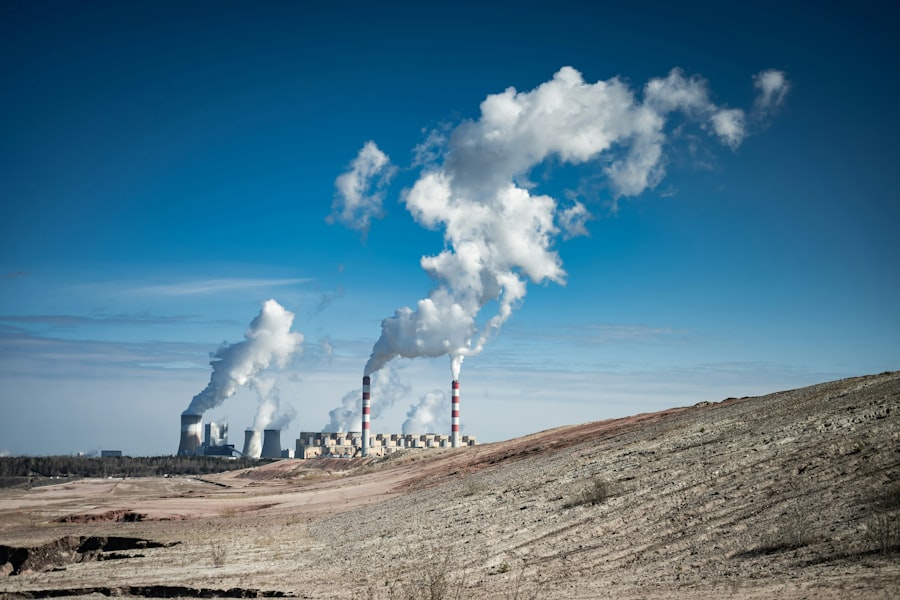
The transition to climate-resilient infrastructure is not merely a matter of technical design; it requires a concerted effort involving policy, investment, and interdisciplinary collaboration. Effective implementation necessitates a strategic and coordinated approach.
Policy and Regulatory Frameworks
Effective policies and robust regulatory frameworks are essential to drive the adoption of climate-resilient infrastructure practices. These measures create the incentives and mandates necessary for both public and private sectors to prioritize resilience in their investments.
Integrating Climate Considerations into Planning Codes
Building codes and zoning regulations must be updated to explicitly incorporate climate change considerations. This includes mandating higher elevation standards for new construction in flood-prone areas, requiring more stringent wind load resistance for structures in hurricane-prone regions, and setting performance standards for infrastructure to withstand projected climate impacts. These updates ensure that new developments and retrofits are built to a higher standard of resilience from the outset, rather than relying solely on voluntary adoption.
Government Investment and Incentives
Public investment is crucial for driving the widespread adoption of climate-resilient infrastructure. Governments can allocate funding for research and development of resilient technologies, provide financial incentives for private sector investments in resilient projects, and lead by example by retrofitting public infrastructure. Tax credits, low-interest loans, and grants can encourage developers and building owners to incorporate resilience measures, making these often upfront investments more economically viable in the long term. The recognition of the long-term economic benefits of resilience, including reduced disaster recovery costs and improved business continuity, is key to securing sustained government commitment.
Financing and Investment Models
Securing adequate funding for climate-resilient infrastructure is a significant challenge. Innovative financing models and a long-term perspective on returns are necessary to mobilize the required capital.
Public-Private Partnerships
Collaborations between government agencies and private sector entities can leverage combined expertise and resources. Public-private partnerships (PPPs) can facilitate the financing, construction, and operation of large-scale resilient infrastructure projects. The private sector can bring capital and innovative solutions, while the public sector can provide regulatory oversight and long-term planning. These partnerships can help de-risk investments and ensure that projects are aligned with public needs and resilience goals.
Green Bonds and Climate Finance
The growing market for green bonds and other climate finance instruments offers a promising avenue for funding resilient infrastructure. These financial products are specifically designed to support environmentally sustainable projects, including those that enhance climate resilience. By tapping into this market, governments and infrastructure developers can attract investment from a growing pool of socially responsible investors who are seeking to align their portfolios with a sustainable future. The development of clear metrics and transparent reporting for resilience outcomes is vital for building investor confidence in these instruments.
Community Engagement and Education
Building truly resilient communities requires more than just robust infrastructure; it necessitates informed and engaged citizens who understand the risks and are prepared to participate in adaptation efforts.
Raising Public Awareness
Educating the public about climate change impacts and the importance of resilient infrastructure is a critical component of any successful strategy. This involves clear communication campaigns, accessible information resources, and community workshops to foster a shared understanding of the challenges and solutions. When communities understand the risks they face, they are more likely to support necessary investments and adopt personal preparedness measures.
Involving Local Communities in Planning Processes
Local communities possess invaluable knowledge about their specific vulnerabilities and needs. Actively involving residents in the planning and design processes for resilient infrastructure ensures that solutions are tailored to local contexts and meet the needs of the people they serve. This participatory approach can foster a sense of ownership and build trust, leading to greater buy-in and more effective implementation of resilience measures. Community input can identify critical local assets and potential hazards that might be overlooked in broader assessments.
Case Studies: Global Initiatives in Climate Resilience

Across the globe, cities, regions, and nations are beginning to implement innovative strategies to build climate-resilient infrastructure. These real-world examples demonstrate the practical application of these principles and offer valuable lessons for future endeavors.
Coastal Adaptation Projects
Many coastal areas are at the forefront of climate impacts, prompting a variety of innovative adaptation measures.
Rotterdam, Netherlands: The Delta Works and Beyond
The Netherlands, a country with a significant portion of its land below sea level, has a long history of innovative water management. The iconic Delta Works, a series of massive dams, sluices, and storm surge barriers, are a testament to their commitment to coastal defense. More recently, Rotterdam has embraced a more integrated approach, combining hard engineering with green infrastructure. Projects like the “Room for the River” initiative aim to give rivers more space to flood safely, reducing the risk to urban areas. Furthermore, floating buildings and innovative flood barriers are being developed to adapt to rising sea levels and increased storm intensity. This approach underscores a continuous evolution of resilience strategies.
New York City, USA: Rebuilding After Sandy
Superstorm Sandy in 2012 highlighted the vulnerabilities of New York City’s extensive coastal infrastructure. In response, the city has embarked on a comprehensive effort to enhance resilience. This includes hardening critical infrastructure like subway systems and power grids against future storms, elevating vulnerable facilities, and investing in nature-based solutions such as wetland restoration and dune construction. The development of a city-wide resilience plan, informed by extensive risk assessments, guides ongoing investments and policy changes. The focus is on enhancing defense against storm surges and flooding while also bolstering the city’s ability to recover quickly.
Urban Resilience in Developing Nations
Cities in developing nations often face disproportionate impacts from climate change due to limited resources and existing infrastructure deficits. However, many are pioneering innovative and cost-effective resilience strategies.
Medellín, Colombia: Integrated Urban Planning for Flood Control
Medellín has faced significant challenges from flash floods and landslides, exacerbated by rapid urbanization and its mountainous terrain. The city has implemented an integrated urban planning approach that combines improved drainage systems, the creation of green spaces along riverbanks to absorb floodwaters, and the relocation of vulnerable communities from high-risk zones. Their extensive public transport system, including cable cars, has been designed to be resilient and serve the needs of communities living in precarious areas, improving access and evacuation capabilities during emergencies. The success of their initiatives is often attributed to strong community engagement and a multi-sectoral approach.
C40 Cities Climate Leadership Group Initiatives
The C40 Cities network brings together cities worldwide to collaborate on climate action, including resilience. Many member cities, particularly in developing countries, are focusing on building resilient infrastructure through innovative financing and the implementation of green urban development strategies. C40 facilitates knowledge sharing and provides technical support to help cities identify and implement context-specific solutions for water management, sustainable transportation, and urban heat reduction, often prioritizing low-cost, high-impact interventions.
Infrastructure for Water Scarcity and Extreme Heat
Beyond floods and storms, regions grappling with water scarcity and extreme heat are also developing specialized resilient infrastructure.
Singapore: NEWater and Desalination for Water Security
Singapore, a densely populated island nation with limited natural freshwater resources, has become a global leader in water management resilience. The development of NEWater, a high-grade reclaimed water produced through advanced purification processes, and significant investments in desalination technology, have drastically reduced the nation’s reliance on external water sources. These diversified strategies ensure water security even in the face of changing rainfall patterns and increased demand during heatwaves. Their integrated water resource management approach also emphasizes leakage reduction and water-efficient practices across all sectors.
Phoenix, Arizona, USA: Innovative Cooling and Water Conservation Strategies
Phoenix is one of the hottest cities in the United States, facing significant challenges from extreme heat and water scarcity. The city is exploring innovative cooling strategies, including the use of reflective surfaces in urban areas and the expansion of urban tree canopy to mitigate the urban heat island effect. Water conservation measures, including efficient irrigation techniques for landscapes and the promotion of low-water-use technologies, are also critical components of their resilience efforts. The development of smart grid technologies is also a focus to manage increased energy demand for cooling during extreme heat events.
In recent discussions about the impact of climate change on urban development, the importance of resilient infrastructure has become increasingly evident. A related article highlights innovative strategies cities are adopting to adapt to rising sea levels and extreme weather events. For more insights on this critical issue, you can read the article on climate and infrastructure here. These strategies not only aim to protect communities but also enhance sustainability in urban planning.
The Future of Climate-Resilient Infrastructure
| City | Average Temperature (°C) | Rainfall (mm) | Infrastructure Damage (USD) |
|---|---|---|---|
| New York | 12 | 110 | 500,000 |
| Tokyo | 16 | 180 | 700,000 |
| Mumbai | 28 | 250 | 900,000 |
The journey towards a climate-resilient future is ongoing and requires continuous innovation, adaptation, and collaboration. The principles and practices discussed herein are not static; they represent an evolving field driven by scientific advancements, technological innovation, and a growing global understanding of the urgency of the climate crisis.
Continuous Innovation and Research
The ongoing challenges posed by a changing climate demand continuous research and development in every aspect of infrastructure design, materials science, and engineering. Breakthroughs in areas such as advanced modeling for climate impacts, novel construction materials that are both durable and sustainable, and intelligent systems for infrastructure monitoring and maintenance will be crucial. Investing in research institutions and fostering collaboration between academia, government, and industry will be paramount to staying ahead of the curve. The development of new methodologies for assessing and quantifying climate risk across diverse infrastructure systems will also be essential for informed decision-making.
Adaptability as a Core Design Principle
The inherent dynamism of climate change means that adaptability must be woven into the very DNA of infrastructure design. This goes beyond simply building for current projected conditions. It involves designing systems that can be easily upgraded, expanded, or modified as future climate scenarios become clearer or as new technologies emerge. The concept of “designing for obsolescence” in a positive way, meaning building systems that can be readily replaced or adapted as needed, will become increasingly important. Modularity in design, allowing for phased upgrades and repairs, will be a key strategy.
Global Collaboration and Knowledge Sharing
Climate change is a global challenge that requires a global response. Sharing best practices, lessons learned, and innovative solutions across national borders is essential. International forums, collaborative research projects, and open-source knowledge platforms can accelerate the adoption of climate-resilient infrastructure worldwide. This collaboration is particularly vital for supporting developing nations that may lack the resources or technical expertise to implement comprehensive resilience strategies on their own. The standardization of resilience metrics and reporting frameworks will also facilitate international comparison and learning.
The Economic Imperative of Resilience
While the initial investment in climate-resilient infrastructure may seem substantial, the long-term economic benefits are undeniable. Avoiding the catastrophic costs associated with disaster recovery, ensuring business continuity, and maintaining essential services significantly outweigh the upfront expenditure. As climate impacts intensify, the economic cost of inaction will become increasingly prohibitive. Therefore, viewing climate resilience not as a cost, but as a fundamental investment in future economic stability and prosperity, is a critical paradigm shift. The development of robust cost-benefit analyses that explicitly account for the avoided costs of climate-related damages will be crucial for garnering support for resilient infrastructure investments.
Building climate-resilient infrastructure is not a singular project, but an ongoing commitment to safeguarding our built environment and the communities it serves. It is a testament to human ingenuity and our capacity to adapt to profound environmental shifts. By embracing foresight, innovation, and collaboration, we can construct a future where our essential systems can withstand the challenges of a changing climate, ensuring continuity, prosperity, and safety for generations to come. The success of these efforts will be measured not just by the bridges we build or the dams we construct, but by the enduring presence of functional, reliable systems that support human well-being in an increasingly dynamic world. This requires a sustained and collective effort, a recognition that the resilience of our infrastructure is intrinsically linked to the resilience of our societies.

Why Phoenix Shouldn’t Exist
FAQs
What is the relationship between climate and infrastructure?
Climate and infrastructure are closely linked as climate change can have significant impacts on infrastructure. Extreme weather events such as hurricanes, floods, and heatwaves can damage infrastructure, while rising sea levels can threaten coastal infrastructure.
How does climate change affect infrastructure?
Climate change can affect infrastructure in various ways, including increased risk of flooding, erosion of coastal infrastructure, damage to roads and bridges from extreme weather events, and strain on energy and water systems due to changing climate patterns.
What are some strategies for building climate-resilient infrastructure?
Some strategies for building climate-resilient infrastructure include incorporating climate projections into design and planning, using resilient materials and construction techniques, improving drainage and flood protection, and diversifying energy sources to reduce vulnerability to climate-related disruptions.
What are the economic impacts of climate-related damage to infrastructure?
The economic impacts of climate-related damage to infrastructure can be significant, including repair and replacement costs, loss of productivity due to infrastructure disruptions, and increased insurance premiums. Additionally, failure to invest in climate-resilient infrastructure can lead to long-term economic costs.
How can infrastructure contribute to climate change mitigation and adaptation?
Infrastructure can contribute to climate change mitigation and adaptation by incorporating sustainable design and construction practices, improving energy efficiency, promoting public transportation and active transportation options, and integrating green infrastructure solutions such as green roofs and permeable pavement.