Sure, let’s dive into the biological facts of Cinnamomum verum.
What Makes True Cinnamon So Special? It’s All in the Biology.
If you’ve ever enjoyed the warm, sweet aroma of cinnamon, you’re likely familiar with its delightful flavor. But when we talk about “true” cinnamon, we’re referring to Cinnamomum verum, and its biological makeup is what sets it apart. It’s not just about the taste; it’s a fascinating look at how a plant develops, grows, and produces those distinctive compounds. This isn’t your common cassia; Cinnamomum verum has a unique story to tell, rooted in its specific biological processes.
Cinnamomum verum, commonly known as true cinnamon or Ceylon cinnamon, is renowned not only for its distinctive flavor but also for its numerous health benefits. This species of cinnamon is rich in antioxidants and has been linked to anti-inflammatory properties, making it a valuable addition to a healthy diet. For more in-depth information on the biological aspects and exclusive facts about Cinnamomum verum, you can explore this related article at My Geo Quest.
The Roots of True Cinnamon: Where it All Begins
The story of Cinnamomum verum starts long before the spice hits your kitchen. It’s deeply intertwined with its origins and the specific conditions it needs to thrive. Understanding its biological foundation unlocks the secrets behind its renowned quality.
Geographic Niches and Environmental Influences
Cinnamomum verum, often called Ceylon cinnamon or “true” cinnamon, has a very particular home turf. It flourishes best in the humid, tropical climates of Sri Lanka (formerly Ceylon) and parts of southern India. This isn’t an accident; the plant’s biological requirements are finely tuned to these specific environmental parameters.
Soil Composition Matters
The soil needs to be well-drained, fertile, and slightly acidic. This specific soil chemistry influences the roots’ ability to absorb essential nutrients, which in turn affects the plant’s overall health and the quality of the compounds it produces. Anything outside this narrow range can impact growth and the concentration of desirable compounds within the bark.
Humidity and Rainfall Patterns
Consistent high humidity and ample rainfall are crucial. These conditions support the lush growth of the evergreen tree and prevent sap from drying out too quickly during the sapling stage, which is critical for the delicate bark development. Alterations in these patterns can lead to stress in the plant, manifesting in changes to bark thickness and compound profiles.
The Evergreen Tree: A Biological Structure
Cinnamomum verum is an evergreen tree, meaning it retains its leaves year-round. This characteristic allows for continuous photosynthesis, providing energy for growth and compound production throughout the year, albeit with seasonal variations.
Bark Development and Harvest
The part we commonly use as spice is the inner bark of a young tree. Harvesting involves coppicing, essentially cutting the tree back to the ground. This stimulates new shoots to emerge from the base. The crucial stage is when these shoots reach about two years of age. At this point, the outer bark is removed, and then the inner bark is carefully peeled away. This is a labor-intensive process, requiring skilled hands to extract the thin, papery quills characteristic of true cinnamon, which are then dried.
The Unique Chemistry: What Makes it True Cinnamon?
The defining characteristic of Cinnamomum verum lies in its chemical composition. It’s not just a matter of aroma; specific compounds are present in different concentrations and combinations compared to its relatives.
Cinnamaldehyde: The Dominant Player
Cinnamaldehyde is the primary aromatic compound responsible for cinnamon’s characteristic scent and flavor. In Cinnamomum verum, cinnamaldehyde is present, but it tends to be in lower concentrations compared to cassia cinnamon (Cinnamomum cassia). This is a key biological distinction.
Contributing Flavor Compounds
While cinnamaldehyde is key, other compounds contribute to the subtly sweet and complex flavor profile of true cinnamon. These include eugenol, linalool, and various terpene derivatives. The balance and specific types of these compounds are dictated by the tree’s genetics and its growth environment.
Lower Coumarin Levels: A Significant Health Distinction
One of the most significant biological differences between Cinnamomum verum and cassia is the coumarin content. Coumarin is a naturally occurring compound found in many plants, but in high doses, it can be problematic for the liver, particularly for individuals with pre-existing liver conditions.
Biological Synthesis of Coumarin
The biological pathways responsible for synthesizing coumarin in Cinnamomum verum are less active. This results in significantly lower levels of coumarin in the bark compared to cassia. This biological control over coumarin production is a critical factor in why true cinnamon is considered a safer, more daily-use spice by many.
Essential Oils Profiles
The essential oil extracted from Cinnamomum verum bark has a distinct chemical profile. It’s typically rich in cinnamyl acetate, eugenol, and moderate levels of cinnamaldehyde. This specific blend of compounds accounts for its nuanced aroma and flavor profile.
The Biological Mechanisms of Flavor and Aroma
The sensory experience of cinnamon isn’t just random; it’s the result of sophisticated biological processes within the plant.
Phenylpropanoid Pathway: The Foundation
The biosynthesis of many of the key aromatic compounds in cinnamon, including cinnamaldehyde, originates from the phenylpropanoid pathway. This complex series of enzymatic reactions starts with the amino acid phenylalanine and proceeds through intermediate compounds.
Enzyme Activity and Gene Expression
The specific enzymes involved in this pathway and their levels of activity, which are themselves regulated by gene expression, determine the types and quantities of aromatic compounds produced. Environmental factors and even the age of the bark can influence these enzymatic processes.
Phenolic Compounds and Antioxidant Properties
Cinnamomum verum also contains various phenolic compounds. These compounds play a role in the plant’s defense mechanisms and are also responsible for much of its antioxidant activity. Their presence is a direct outcome of the plant’s metabolic processes.
Radical Scavenging Mechanisms
These phenolic compounds function by neutralizing free radicals, unstable molecules that can cause cellular damage. The biological structure of these molecules allows them to donate an electron to a free radical, stabilizing it and preventing oxidative damage.
Cinnamomum verum, commonly known as true cinnamon, is not only prized for its unique flavor but also for its numerous health benefits. This remarkable spice has been linked to anti-inflammatory properties and potential blood sugar regulation, making it a valuable addition to a healthy diet. For those interested in exploring more about the biological aspects and exclusive facts of Cinnamomum verum, you can read a related article that delves deeper into its properties and uses. Check it out here to discover more fascinating insights about this incredible spice.
Growth and Reproduction: A Biological Cycle
Understanding Cinnamomum verum‘s lifecycle provides context for its harvesting and the quality of its spice.
Germination and Seedling Establishment
The tree typically reproduces through seeds, which are spread by birds. Successful germination requires specific moisture and temperature conditions. The seedling stage is particularly vulnerable; the bark needs to develop without undue stress to ensure future quality.
Photosynthetic Efficiency
The evergreen nature of the tree means that photosynthesis is a continuous process. This sustained energy production fuels the growth of new shoots and the development of the bark, where the flavor compounds are stored. Variations in light intensity and CO2 levels can impact this efficiency.
Flowering and Fruit Production
Cinnamomum verum produces small, fragrant flowers, typically white or pale yellow. Following pollination, these flowers develop into small, dark fruits. While seeds are a means of propagation, the bark’s quality is more directly linked to the vegetative growth phases.
Vegetative Propagation Techniques
In commercial cultivation, vegetative propagation methods are often employed to ensure desirable traits, such as high-quality bark production and disease resistance, are passed on. This involves using cuttings or grafting from established, high-performing trees.
Distinguishing Cinnamomum Verum from Cassia: A Biological Perspective
The confusion between true cinnamon and cassia is widespread, but biologically, they are distinct species with notable differences in their plant structures and biochemical outputs.
Morphological Differences in Bark
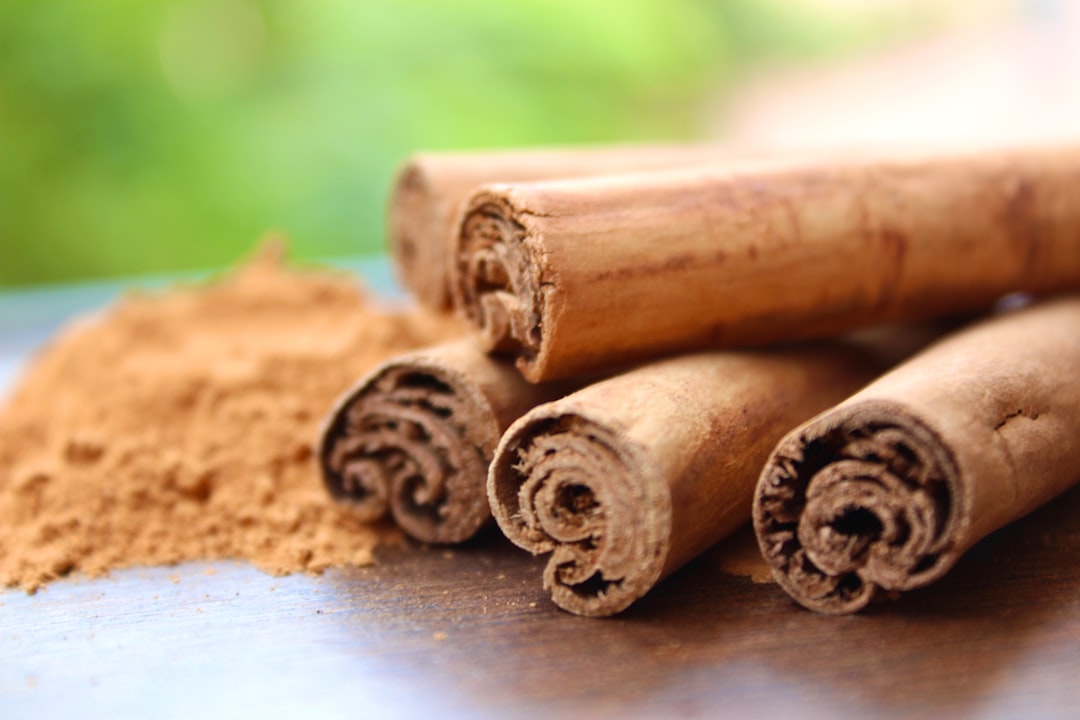
Visually, true cinnamon bark curls into multiple thin, papery layers forming a quill. Cassia, on the other hand, often has thicker, coarser bark that curls into a single layer or is sold as broken pieces. This structural difference is a direct result of how the bark cells are formed and lignify.
Cellular Structure and Lignification
The inner bark of Cinnamomum verum has a more delicate cellular structure with less lignin, the compound that makes plant cell walls rigid. This contributes to its brittle, papery texture. Cassia bark is more robust due to higher lignin content.
Chemical Profile Divergence: Beyond Coumarin
As mentioned, the coumarin content is a major differentiator. However, the overall essential oil composition also varies. True cinnamon’s oil might have a higher proportion of cinnamyl acetate and eugenol, lending it a sweeter, more floral aroma, compared to the sharper, more purely cinnamaldehyde-driven scent of cassia.
Genetic Basis for Chemical Production
These chemical differences are fundamentally rooted in the plant’s genetic makeup. Different gene expressions and enzyme variations dictate the specific biosynthetic pathways that are activated and the compounds that are produced within each species.
Growth Habit and Environmental Tolerance
While both are trees, their specific growth habits and tolerance to environmental extremes can differ. Cinnamomum verum is generally considered more sensitive to variations in temperature and rainfall, preferring its very specific niche. Cassia species are often more adaptable and can tolerate a wider range of conditions.
This biological understanding moves beyond simple flavor perception. It reveals Cinnamomum verum as a product of specific environmental conditions, intricate biochemical processes, and a distinct genetic blueprint, all contributing to its unique place in the world of spices.
FAQs
What is Cinnamomum verum?
Cinnamomum verum, also known as true cinnamon, is a small evergreen tree native to Sri Lanka and southern India. It is widely cultivated for its inner bark, which is used as a spice.
What are the biological characteristics of Cinnamomum verum?
Cinnamomum verum has smooth, thin bark with a light brown color. Its leaves are ovate-oblong in shape, and its flowers are small and yellowish in color. The tree produces small purple berries containing a single seed.
How is Cinnamomum verum used in traditional medicine?
In traditional medicine, Cinnamomum verum is used to treat various ailments such as respiratory problems, digestive issues, and menstrual disorders. It is also believed to have anti-inflammatory and antimicrobial properties.
What are the exclusive biological facts about Cinnamomum verum?
Cinnamomum verum is the only type of cinnamon that is considered “true” cinnamon. It has a sweeter and more delicate flavor compared to other types of cinnamon. Additionally, it has a higher concentration of cinnamaldehyde, the compound responsible for its aroma and flavor.
How is Cinnamomum verum cultivated and harvested?
Cinnamomum verum trees are cultivated in tropical climates with well-drained soil. The inner bark is harvested by carefully stripping the outer bark and then scraping the inner bark from the tree. The bark is then left to dry, curling into the familiar cinnamon sticks.