
China’s Rare Earth Reserves: Mining Risks
China has long held a dominant position in the global supply of rare earth elements (REEs), a group of 17 metallic elements crucial for a vast array of modern technologies, from smartphones and electric vehicles to wind turbines and advanced defense systems. This dominance is largely attributed to the nation’s significant reserves and its established mining and processing infrastructure. However, this strategic advantage is not without its considerable risks, stemming from both the inherent challenges of rare earth extraction and the geopolitical implications of concentrated supply. A comprehensive understanding of these risks is vital for global economic stability and technological advancement.
The extraction and processing of rare earth elements are inherently environmentally intensive activities. The geological formations containing REEs often present complex mixtures of minerals, necessitating extensive chemical treatments to isolate the desired elements. These processes can have profound and long-lasting impacts on the surrounding ecosystems.
Acid Leaching and Contamination
One of the primary methods employed in rare earth mining is acid leaching, where strong acids are used to dissolve REE-bearing minerals. This process generates significant volumes of acidic wastewater, which, if not properly managed, can contaminate soil and water sources.
Groundwater Pollution
The porous nature of many mine sites and the potential for leaks from processing facilities mean that acidic wastewater can seep into groundwater aquifers. This contamination can render water sources unusable for drinking, agriculture, and industrial purposes for extended periods. The long-term effects of REE contamination on groundwater ecosystems are also a serious concern, with potential impacts on aquatic life and the overall health of these vital resources.
Soil Degradation and Toxicity
The deposition of acidic sludge and wastewater on land surrounding mining operations can lead to severe soil degradation. This not only reduces agricultural productivity but can also create toxic environments for plant and animal life. Heavy metals and radioactive elements, often found in association with REEs, can accumulate in the soil, posing long-term health risks to both humans and wildlife.
Radioactive Waste Generation
Rare earth deposits are frequently associated with naturally occurring radioactive materials (NORMs), such as thorium and uranium. The mining and processing of REEs can concentrate these radioactive elements, creating significant quantities of radioactive waste.
Disposal Challenges
The safe disposal of radioactive waste is a complex and costly undertaking. Improper storage or disposal can lead to the leaching of radioactive substances into the environment, posing a persistent threat. Large-scale mining operations generate substantial volumes of such waste, requiring dedicated hazardous waste management facilities that are expensive to build and maintain.
Air Pollution and Dust
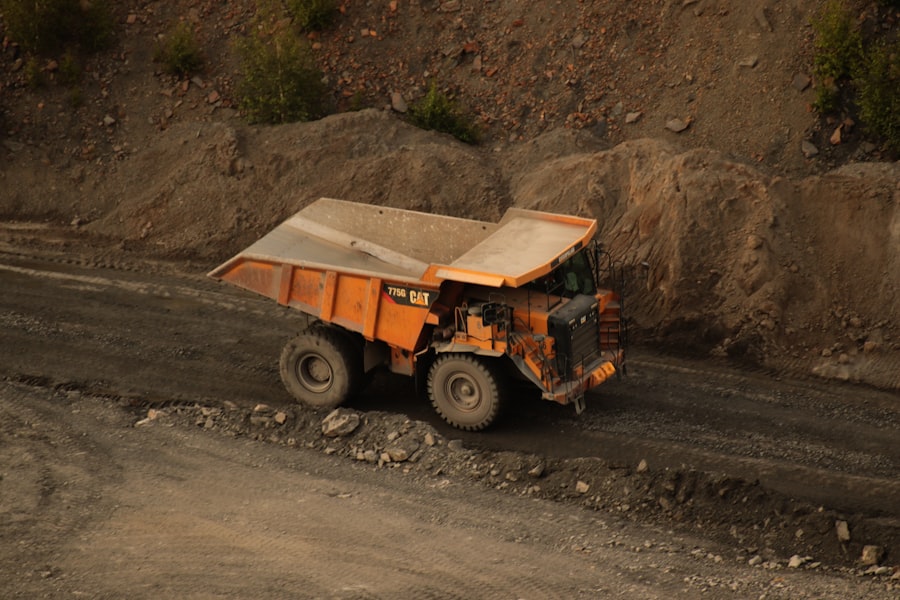
Mining operations, especially those involving open-pit extraction, generate large amounts of dust. This dust can contain fine particles of REEs and associated radioactive elements, which, when inhaled, can pose serious health risks to nearby communities and mine workers. Airborne radioactive particles can travel considerable distances, expanding the area of potential contamination.
Ecosystem Disruption and Biodiversity Loss
The physical footprint of mining operations, including the clearing of land for mines, processing plants, and infrastructure, inevitably leads to habitat destruction. This disruption can have a severe impact on local biodiversity.
Deforestation and Land Use Change
The establishment of mining sites often necessitates the clearing of forests and other natural vegetation. This alteration of land use can lead to soil erosion, loss of wildlife habitats, and a reduction in biodiversity. The scale of these changes can be significant, particularly for large-scale rare earth extraction projects.
Waterway Alteration and Sedimentation
The construction of roads, tailings ponds, and other infrastructure associated with mining can alter natural watercourses and increase sedimentation in rivers and lakes. This can damage aquatic ecosystems, affecting fish populations and other water-dependent species. The increased turbidity in waterways can also impede sunlight penetration, harming aquatic plant life.
The increasing global demand for rare earth elements has brought significant attention to China’s vast reserves and the associated mining risks. For a deeper understanding of the complexities surrounding this issue, you can read the article titled “The Geopolitical Implications of China’s Rare Earth Mining” on MyGeoQuest. This article explores the environmental, economic, and political challenges linked to rare earth mining in China and its impact on global supply chains. For more information, visit MyGeoQuest.
Geopolitical Risks and Supply Chain Vulnerability
China’s near-monopoly on rare earth production has created a significant geopolitical vulnerability for countries reliant on these materials. This concentration of supply poses risks to economic stability and national security.
The “China Factor” in the Rare Earth Market
For decades, China has been the primary supplier of rare earths to the global market. This dominance has allowed the country to exert considerable influence over pricing and availability.
Export Restrictions and Trade Wars
In the past, China has used its rare earth leverage in trade disputes. Concerns over potential export restrictions or tariffs have prompted a global effort to diversify supply chains, but the inertia of established infrastructure and the sheer scale of Chinese production make this a challenging endeavor. The threat of such actions creates uncertainty and risk for industries dependent on a steady supply.
National Security Implications
The reliance on a single nation for critical components used in advanced military technologies raises significant national security concerns for other countries. Disruptions to the rare earth supply could have a direct impact on defense capabilities. This has driven investment in exploring alternative sources and developing domestic reprocessing capabilities.
Diversification Efforts and Their Challenges
In response to the risks associated with China’s dominance, many countries have sought to diversify their rare earth supply chains. However, these efforts face considerable obstacles.
High Costs of New Mines and Processing
Establishing new rare earth mines and processing facilities is an extremely capital-intensive undertaking. The geological complexities, environmental regulations, and the need for specialized expertise make it a significant financial investment. Furthermore, the time required to bring such operations online can span several years, if not decades.
Environmental Concerns in New Locations
While diversification aims to reduce reliance on China, new mining operations in other countries will inevitably face similar environmental challenges. Finding locations with viable rare earth deposits that can be exploited with acceptable environmental impacts is a constant struggle, and local opposition to mining projects due to environmental concerns can further delay or halt development.
Technological Barriers in Processing
China has developed sophisticated and cost-effective methods for separating and processing rare earth elements. Replicating this expertise and infrastructure elsewhere requires significant technological investment and knowledge transfer. Without advanced processing capabilities, new mining operations may simply export raw ore, perpetuating a reliance on others for crucial refinement.
Economic and Market Instability

The concentration of rare earth production in China also contributes to volatility and instability in the global market, impacting pricing and availability for industries worldwide.
Price Volatility and Supply Shocks
The rare earth market has historically been subject to significant price fluctuations. Supply disruptions, whether due to policy decisions in China, environmental concerns, or production issues, can lead to sharp price increases, impacting the cost of end products.
Impact on Consumer Electronics
The consumer electronics industry, a major consumer of rare earths in magnets, displays, and batteries, is particularly vulnerable to price shocks. Increased component costs can lead to higher prices for consumers or reduced profit margins for manufacturers. The rapid pace of innovation in this sector requires a stable and predictable supply of materials.
The Automotive Industry and the EV Transition
The burgeoning electric vehicle (EV) industry is heavily reliant on rare earths for powerful magnets used in EV motors and batteries. Any instability in rare earth supply can directly hinder the global transition to electric mobility, impacting ambitious climate goals and the growth of a vital new economic sector. The scale of demand for EVs necessitates a secure and stable supply chain.
Dependence and Economic Leverage
Beyond direct price impacts, a nation’s dependence on a single supplier for critical materials can be used as leverage in broader economic and political negotiations. This can create an imbalanced relationship where the supplier holds significant power.
Long-Term Supply Contracts and Their Limitations
While long-term supply contracts can offer some degree of price stability, they often come with limitations. Market dynamics can shift, potentially rendering contract prices unfavorable. Furthermore, such contracts can still be subject to broader political pressures or unforeseen disruptions on the supplier’s end.
The Risk of Nationalization or Embargoes
The risk of a supplier nation nationalizing its rare earth industry or implementing embargoes in times of geopolitical tension is a persistent concern. Such actions could cripple industries in importing nations and lead to significant economic disruption. The perceived threat of such actions drives diversification strategies.
Challenges in Developing Alternative Supply Chains
Creating viable alternatives to China’s rare earth dominance is a complex undertaking, fraught with technical, economic, and environmental hurdles.
The Technological Gap in Processing
China’s advanced and integrated rare earth processing industry is a significant barrier for new entrants. Developing comparable efficiencies and cost-effectiveness requires substantial investment in research, development, and infrastructure.
Replicating China’s Expertise
The decades of experience and accumulated knowledge within China’s rare earth sector are difficult to replicate quickly. Expertise in complex separation techniques, chemical recycling, and environmental management specific to REEs is a unique advantage. Building this expertise in other nations requires long-term commitment and investment in education and training.
Investment in Infrastructure and R&D
Establishing new rare earth processing facilities necessitates massive capital investment in specialized equipment, chemical plants, and waste treatment systems. Furthermore, ongoing investment in research and development is crucial to improve extraction efficiencies, develop new separation technologies, and explore innovative recycling methods.
The Economic Viability of New Operations
The economic feasibility of new rare earth mines and processing plants is often challenging, especially when competing with the established and often subsidized Chinese industry.
The Cost of Extraction and Processing
The cost of mining and processing rare earths can be significantly higher outside of China, particularly when adhering to stringent environmental regulations. This cost differential can make it difficult for new operations to compete on price in the global market without government support. The economies of scale achieved by Chinese producers are also a significant factor.
The Role of Government Subsidies and Support
Many countries are exploring government subsidies, tax incentives, and direct investment to foster the development of domestic rare earth industries. However, the scale of support required to rival China’s established dominance is substantial and can be a contentious political issue. Ensuring long-term, consistent support is also crucial for sustained development.
Recycling and Circular Economy Approaches
Developing effective and scalable rare earth recycling technologies is a critical component of diversifying supply chains. Repurposing rare earths from electronic waste and other discarded products can reduce the need for virgin mining and alleviate some of the environmental burdens.
Overcoming Technical Hurdles in Recycling
Extracting rare earths from complex modern products, such as magnets in electric motors and batteries, presents significant technical challenges. The intricate composition of these products and the presence of various alloys and materials make separation a difficult and potentially costly process. Developing efficient and cost-effective methods for breaking down these components and recovering REEs is an ongoing area of research.
Establishing Collection and Sorting Infrastructure
The establishment of robust collection and sorting infrastructure for electronic waste is essential for effective rare earth recycling. This requires coordinated efforts across industries and governments to ensure that sufficient volumes of suitable materials are available for processing. Public awareness campaigns and incentives for consumers to recycle electronics are also vital.
China’s dominance in rare earth reserves has raised significant concerns regarding the risks associated with mining these valuable resources. The environmental impact and geopolitical implications of this industry are substantial, prompting discussions about sustainable practices and alternative sources. For a deeper understanding of these challenges, you can explore a related article that highlights the complexities of rare earth mining and its global significance. To read more, visit this insightful piece that delves into the intricacies of the rare earth market and its future.
Long-Term Strategic Considerations for Global Supply Security
| Metrics | Data |
|---|---|
| China Rare Earth Reserves | 44 million metric tons |
| Mining Risk | High due to environmental concerns and geopolitical tensions |
| Production | Approximately 120,000 metric tons per year |
| Export | Restricted by government quotas |
Addressing the risks associated with China’s rare earth reserves requires a multifaceted and long-term strategic approach by nations and international bodies. Relying solely on market forces is insufficient given the strategic importance of these elements.
International Cooperation and Collaborative Research
Fostering international collaboration in rare earth research, development, and exploration can accelerate progress and share the burden of addressing supply chain vulnerabilities.
Joint Ventures in Exploration and Mining
Collaborative efforts in exploring for and developing rare earth deposits in diverse geographical locations can mitigate the risks associated with single-source reliance. Establishing joint ventures can pool resources, expertise, and capital, making new projects more feasible and less risky for individual nations. This can also promote responsible mining practices through shared standards.
Sharing of Best Practices and Technologies
Promoting the open exchange of information regarding efficient and environmentally sound mining and processing technologies is crucial. Sharing best practices in waste management, pollution control, and reclamation can help accelerate the development of sustainable rare earth industries globally and prevent the repetition of past environmental mistakes.
Investment in Domestic Production and Recycling Capabilities
For nations heavily reliant on rare earth imports, investing in domestic production and robust recycling infrastructure is a strategic imperative.
Strategic Reserve Development
Building strategically managed national reserves of critical rare earth elements can provide a buffer against short-term supply disruptions and price volatility. This requires careful planning and significant financial commitment, but it offers a degree of national security and economic resilience. The cost of maintaining such reserves must be weighed against the potential costs of supply chain failure.
Incentivizing Private Sector Innovation
Governments can play a vital role in incentivizing private sector investment in domestic rare earth mining, processing, and recycling through grants, tax breaks, and loan guarantees. Creating a favorable investment climate is essential to attract the capital needed to build a competitive and sustainable rare earth industry. This can include support for pilot projects and early-stage research.
The Urgency of a Circular Economy for Rare Earths
Transitioning towards a more circular economy for rare earths is paramount. This involves designing products for easier disassembly and material recovery, promoting repair and refurbishment, and investing heavily in advanced recycling technologies. A truly circular approach can significantly reduce the demand for virgin rare earth extraction, thereby mitigating associated environmental and geopolitical risks. The development of standardized material passports and enhanced product design for recyclability are key steps in this direction.
FAQs
What are rare earth reserves?
Rare earth reserves are a group of 17 elements that are essential for the production of high-tech products such as smartphones, electric vehicles, and wind turbines. These elements are found in various minerals and are difficult to extract.
Why is China a major player in rare earth mining?
China is the world’s largest producer of rare earth elements, accounting for over 70% of global production. The country’s dominance in the rare earth market is due to its abundant reserves and low production costs.
What are the risks associated with rare earth mining in China?
The mining and processing of rare earth elements in China have raised environmental concerns due to the use of toxic chemicals and radioactive materials. Additionally, there are geopolitical risks as China’s control over the rare earth market could impact global supply chains.
How does China’s rare earth dominance impact other countries?
China’s control over the rare earth market has led to concerns about supply chain security for other countries, particularly those heavily reliant on rare earth imports. This has prompted efforts to diversify rare earth sources and develop alternative technologies.
What efforts are being made to address the risks of rare earth mining in China?
Efforts are being made to improve environmental regulations and practices in rare earth mining and processing in China. Additionally, other countries are exploring opportunities to develop their own rare earth reserves and reduce dependence on Chinese supply.